
MOTS‑c Peptide:
How does it work?
MOTS‑c is a peptide encoded by mitochondrial DNA. Researchers study it for its role in energy and metabolism, mostly in animal and cell models so far.
In people, the interest comes partly from a simple observation: the amount your body makes tends to decline with age and is associated with age‑related disease.5
What MOTS‑c supports


How does MOTS‑c Peptide work?
Picture MOTS-c Peptide as a messenger produced by your mitochondria. When cells experience metabolic stress, MOTS-c may help shift how they use fuel, activate AMPK, and turn on genes involved in adaptation, stress response, and energy balance.
AMPK acts as one of the body’s primary cellular energy sensors. When cellular energy is low or metabolic demand increases, AMPK helps coordinate processes involved in energy use and metabolic adaptation.
Preclinical research maps MOTS‑c across three roles in the cell.1 2


MOTS‑c Peptide benefits

What we still don’t know about MOTS‑c Peptide
The AgelessRx Peptide Standard

Choose the experts in peptide care
BPC-157 Injection
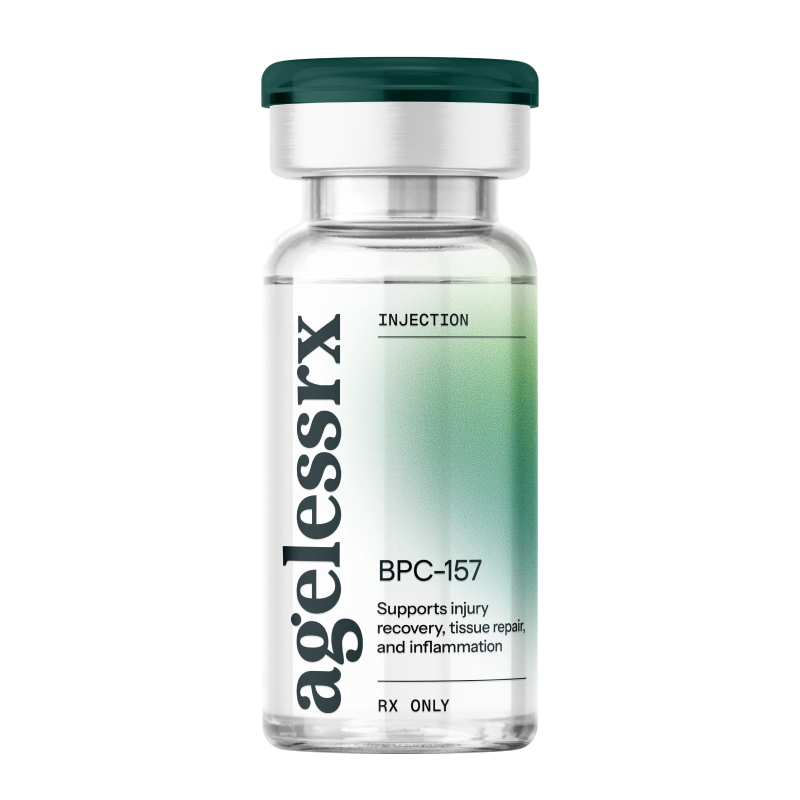
When soreness sticks around longer or recovery isn’t what it used to be, BPC-157 is being studied for the repair signals that help the body respond and rebuild.
TB-500 Injection
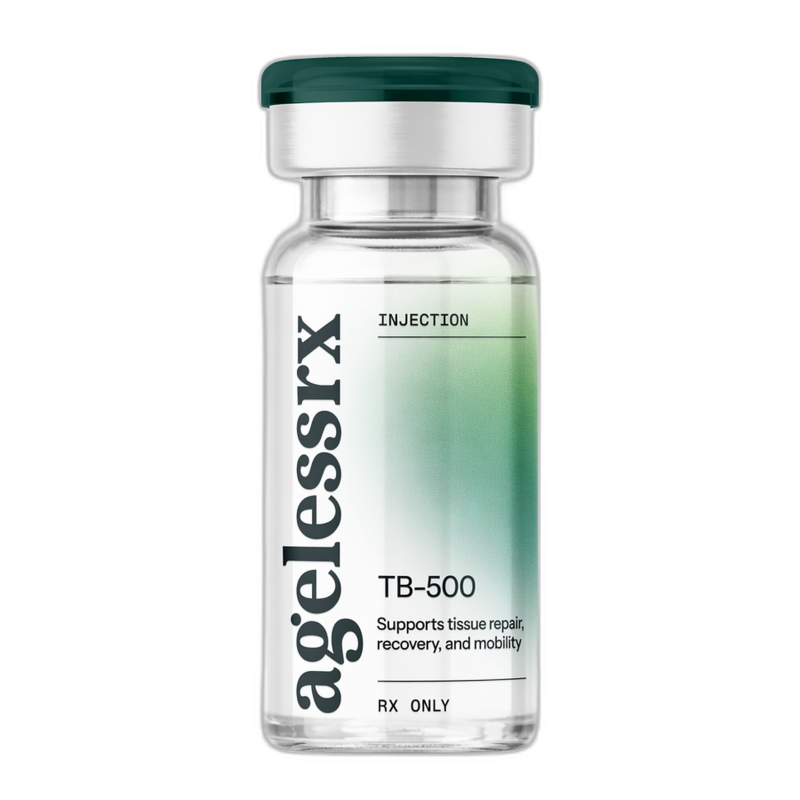
When your body takes longer to bounce back from workouts or physical stress, TB-500 is being studied for the cellular processes that help repair happen throughout the body.
Sermorelin Injection
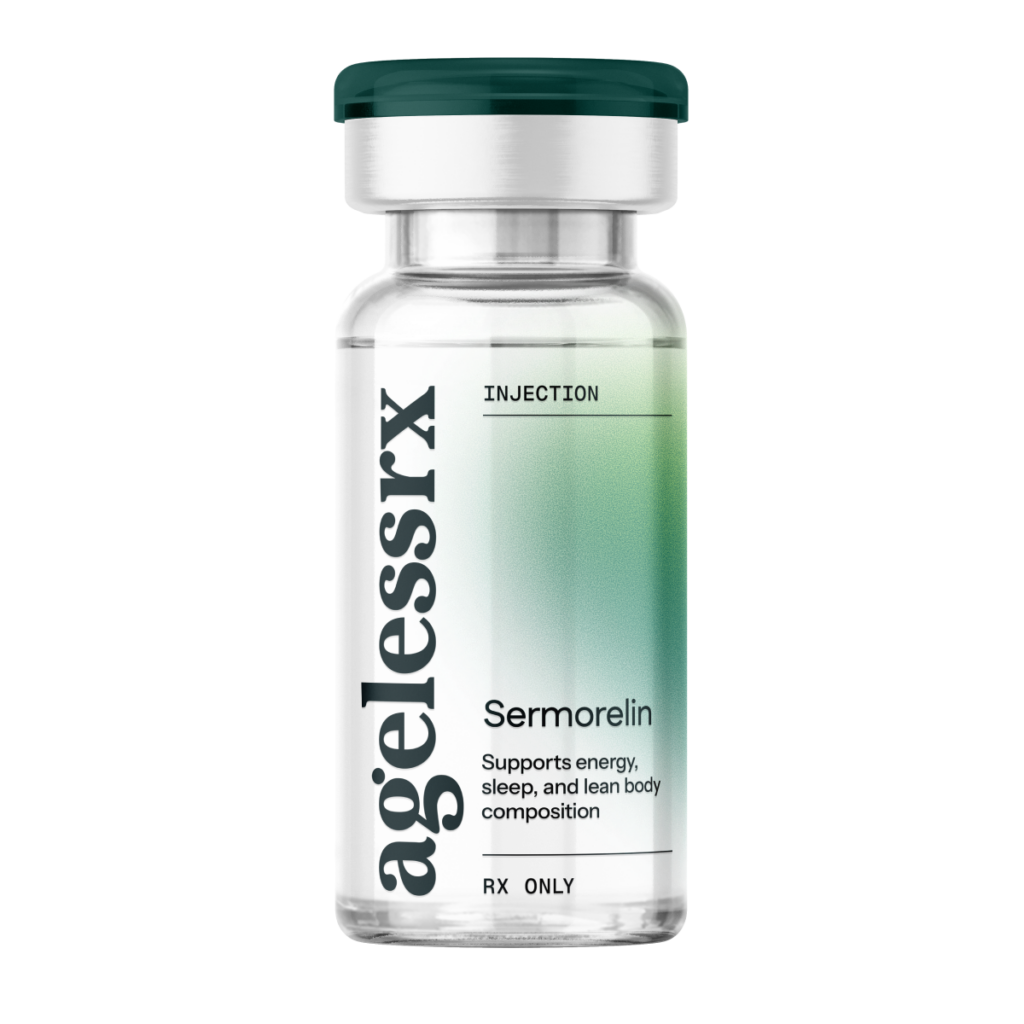
Supports energy, lean muscle mass, and strength by encouraging the body to replenish its own growth hormone gradually—without the risks of synthetic HGH.
PT-141 Injection
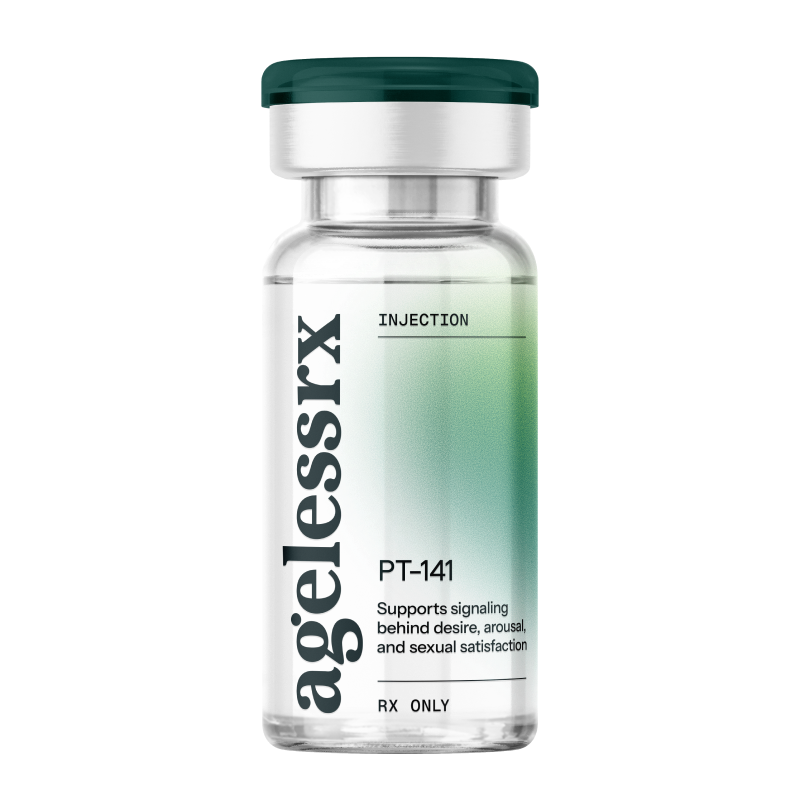
When attraction is still there but desire isn’t, support the brain pathways behind arousal and responsiveness—helping intimacy feel more natural again.
GHK-Cu Copper Peptide Cream

Support firmer, smoother-looking skin with a naturally occurring copper peptide that helps restore the repair and renewal processes that decline with age.
Sermorelin Nasal Spray
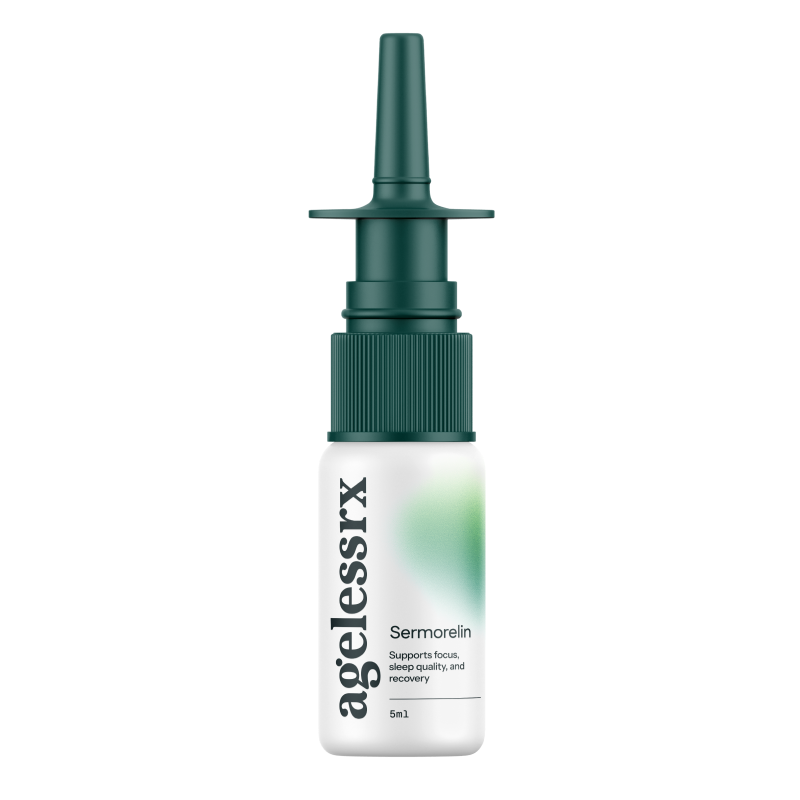
A targeted nasal spray that may support natural growth hormone signaling in the brain, helping promote deeper sleep, clearer thinking, and balanced recovery without injections.

Frequently asked questions
MOTS‑c is a mitochondrial-derived peptide, a small protein encoded by mitochondrial DNA. Researchers study it for its role in energy, metabolism, and the biology of aging.
Preclinical studies suggest MOTS‑c activates AMPK, a cellular energy sensor, and helps coordinate how cells respond to metabolic stress.
MOTS‑c is being studied for potential effects involving glucose metabolism, insulin sensitivity, cellular stress response, exercise capacity, muscle health, and heart cells. Most of these potential benefits are based on animal and cell research rather than controlled human trials.
It is early. Nearly all studies are in animals and cells. The human research so far looks at naturally circulating MOTS‑c levels, not injected MOTS‑c, so results should be read cautiously.
Research suggests that naturally circulating MOTS‑c levels tend to decline with age and are associated with certain age-related conditions.5 These associations do not prove that raising MOTS‑c levels will prevent or treat age-related disease.
No. MOTS-c is a compounded medication that has not been approved or authorized by the FDA. It is compounded under an interim HHS enforcement discretion policy that may be revised or rescinded at any time, and may not be available in all states. Evidence on MOTS-c safety and effectiveness in humans is limited, and it is not appropriate for everyone. Treatment is available only if prescribed by a licensed clinician following an individual evaluation.
Benefits described here are based on third-party studies, most of which are preclinical. The FDA has not reviewed or approved MOTS‑c for any use.