Why Accurate eGFR Readings Matter for Kidney Health

Accurate eGFR readings matter because they help show how well your kidneys are filtering waste from your blood, but a low result doesn’t always mean your kidneys aren’t functioning properly. Since eGFR is estimated using creatinine, factors like muscle mass, creatine supplements, dehydration, and even a hard workout can skew the number and make kidney function appear lower than it actually is. That can turn one unexpected lab result into a lot of unnecessary concern. Understanding what affects eGFR accuracy can help you get a clearer picture of your kidney health and know when a result deserves a closer look.
Key Takeaways:
- High muscle mass, creatine use, and dehydration can all falsely lower your eGFR reading
- Stop creatine 3-5 days before testing, drink 1.5-2 liters of water, and skip intense exercise for 24-48 hours prior
- Cystatin C testing measures kidney function independent of muscle mass, making it more reliable for athletes
- The adjusted CKD-EPI equation can tailor eGFR calculations to high-muscle-mass physiology
Common Factors That Impact eGFR Accuracy
Muscle Mass and High Creatinine
Creatinine, a waste product generated by muscles, plays a key role in eGFR calculations. Individuals with higher muscle mass naturally produce more creatinine, which can falsely lower eGFR results despite healthy kidneys. This discrepancy is especially common among bodybuilders and athletes.
Creatine Supplement Use
Creatine supplements, popular for boosting energy and muscle performance, are converted to creatinine in the body. creatine supplementation may inflate creatinine levels, giving the impression of reduced kidney function.
Dehydration’s Role in False Readings
Dehydration may reduce kidney perfusion, which can concentrate creatinine in the blood and lead to higher levels. This may falsely suggest impaired kidney function, even when the kidneys are functioning normally. Even mild dehydration, losing as little as 1-2% of body water, is enough to meaningfully concentrate blood solutes. For active people or anyone who exercises in the hours before a blood draw, this effect is worth taking seriously since sweat losses alone can push creatinine readings noticeably higher.
Worth noting: creatinine is not the only marker affected. BUN (blood urea nitrogen) also rises under dehydration. Clinicians sometimes look at the BUN-to-creatinine ratio as a secondary check, since both rising together in a dehydrated state can help distinguish a fluid-status issue from a genuine filtration problem. For a broader look at kidney health habits that support long-term renal function, it helps to consider hydration alongside diet and lifestyle.
Steps to Achieve Accurate eGFR Readings
Pause Creatine Supplements
To avoid artificially high creatinine levels, your clinician may suggest stopping creatine supplements 3-5 days before your test. This gives the body time to clear excess creatine. That 3-5 day window allows the kidneys to filter out circulating creatinine back to a baseline that reflects actual kidney function instead of supplement load, giving the test result a cleaner signal to work from.
Stay Hydrated
Your clinician may suggest drinking around 1.5-2 liters of water in the 24 hours before your test. Staying well-hydrated may help reduce concentration effects and provide a more accurate snapshot of kidney function. It is also worth noting that overhydration can work in the opposite direction, diluting blood markers and skewing results low, so the 1.5-2 liter target is a practical middle ground instead of a prompt to drink as much water as possible.
Avoid Strenuous Exercise
Refrain from heavy workouts 24-48 hours before testing. Intense physical activity may increase muscle breakdown, which can temporarily raise creatinine levels. Even a long hike or a heavy resistance training session 12-24 hours before a blood draw can push creatinine above a person’s usual range, so scheduling the test on a genuine rest day is the simplest way to get a reading that reflects your true baseline.
Alternative Markers for Enhanced Accuracy
For individuals with high muscle mass or regular creatine use, consider these additional tests:
Cystatin C Testing
Cystatin C is a protein filtered by the kidneys independently of muscle mass. Testing this marker alongside creatinine can enhance diagnostic accuracy, especially for athletes or those on supplements. It’s one reason why a full longevity panel offers more context than a single creatinine result alone.
Adjusted CKD-EPI Equations
The CKD-EPI equation, commonly used for eGFR calculations, can be adjusted for body composition anomalies like high muscle mass. Discuss this option with your healthcare provider to tailor results to your unique physiology.
|
Step |
Action |
Timing |
Why It Matters |
|---|---|---|---|
|
Stop Creatine Supplements |
Discontinue creatine use |
3-5 days before testing |
Allows body to clear excess creatine, preventing artificially high creatinine |
|
Stay Hydrated |
Drink 1.5-2 liters of water |
24 hours before testing |
Reduces blood creatinine concentration from dehydration |
|
Avoid Strenuous Exercise |
Refrain from heavy workouts |
24-48 hours before testing |
Prevents temporary creatinine spike from muscle breakdown |
|
Consider Cystatin C Testing |
Request cystatin C alongside creatinine |
At time of testing |
Provides muscle-mass-independent kidney function marker for athletes or supplement users |
|
Use Adjusted CKD-EPI Equation |
Ask provider about body-composition-adjusted eGFR |
At time of result review |
Tailors calculation to high-muscle-mass physiology for more accurate results |
Recap: Steps for Reliable eGFR Readings
Here’s a quick guide to help you get accurate test results:
- Stop creatine supplements: Pause for 3-5 days before testing
- Stay hydrated: Drink adequate water 24 hours before your test
- Plan your workouts: Avoid intense exercise 24-48 hours prior
- Look at alternative tests: Consider cystatin C or adjusted equations if standard methods aren’t sufficient
eGFR and Your Core Longevity Panel
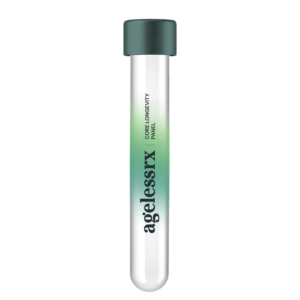
If you’ve done bloodwork through the Core Longevity Panel, your eGFR reading didn’t appear on its own. The panel’s full metabolic component reports eGFR alongside creatinine and BUN, which together may help paint a fuller picture of how your kidneys are functioning.
The Core Longevity Panel also tracks markers like ApoB, LDL, HDL, glucose, HbA1c, and hs-CRP, which speak to cardiovascular and metabolic health more broadly. Looking at eGFR alongside these other results, instead of in isolation, may help clarify whether an unusual reading reflects a temporary factor like hydration or supplement use, or something worth discussing further with a clinician. Results are clinician-reviewed and available digitally within about two weeks, which supports revisiting an outlier reading with follow-up testing. If you’re considering where longevity testing fits into a broader health plan, kidney markers are a natural starting point.
If your eGFR lands in a borderline range, say between 60 and 90, that reading may fall into the mildly reduced category on standard kidney function scales. But context matters a great deal here. Filtration rate naturally declines roughly 1 mL/min per year after age 40, so a reading of 75 in a 60-year-old carries different significance than the same number in a 35-year-old. Recent illness, a hard workout, low fluid intake before the draw, or ongoing creatine use can all nudge a single reading lower than your true baseline. A repeat test 2-4 weeks later, after correcting for those confounders, is often the most informative next step before drawing any conclusions about actual kidney health.
Take Charge of Your Health
Understanding your kidney health starts with accurate eGFR readings. By taking proactive steps and looking into alternative markers when needed, you can gain a true understanding of your renal function. At AgelessRx, we’re here to guide you on your health journey with expert insights and personalized care.
Note: The above statements have not been evaluated by the Food and Drug Administration. This product is not intended to diagnose, treat, cure, or prevent any disease.