
What to Do If You’re Not Seeing Weight Loss with Metformin

Metformin is well known for its role in managing blood sugar, particularly for patients with insulin resistance, prediabetes, or type 2 diabetes. However, it’s increasingly used to support weight loss as part of a whole-body metabolic health plan.
Many clinicians will prescribe Metformin as part of a personalized approach to help patients achieve gradual, sustainable weight loss. If your results have stalled, here’s how to optimize your approach and increase your chances of success.
Key takeaways:
- Metformin typically produces 5-15 pounds of weight loss in those who respond well, but results vary
- Doses below 1,500 mg per day may limit results; staying at the higher dose for 6-9 months matters
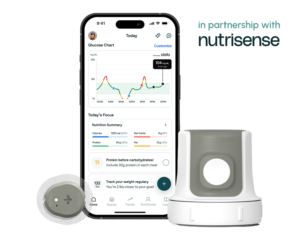
- A Continuous Glucose Monitor (CGM) helps you spot which foods spike blood sugar and stall fat loss
- Metformin can prevent further weight gain and support metabolic health even without weight loss
- Combining Metformin with a GLP-1 may produce greater weight loss than either treatment alone
Start with Realistic Expectations for Metformin’s Weight Loss Potential
Metformin often promotes gradual weight loss, typically in the range of 5-15 pounds for those who respond well to the medication. While this may not meet the expectations of patients with larger weight loss goals, even this modest loss can have meaningful health benefits, especially when combined with other therapies.
Metformin doesn’t guarantee weight loss for everyone, especially for individuals without marked insulin resistance. Some people experience steady weight loss, while others may notice little to no change. Nonetheless, even if you don’t meet your weight loss goals, Metformin offers valuable metabolic benefits, such as better insulin sensitivity, making it worthwhile for maintaining overall health.
Review Your Dose and Consider a Higher Initial Dose for Optimal Results
For weight loss, the typical dose is at least 1500 mg per day. At AgelessRx, we often recommend maintaining this higher dose for 6-9 months to allow the medication to take full effect.
If you’re not seeing progress on a lower dose, consider consulting with AgelessRx to adjust your dose to at least 1500 mg per day. This small adjustment could greatly enhance your weight loss efforts.
Use a Continuous Glucose Monitor (CGM) to Optimize Your Weight Loss Strategy
A CGM is an invaluable tool to help you understand how your body responds to different foods. CGMs monitor your blood glucose in real time, allowing you to pinpoint foods that cause glucose spikes, which can hinder weight loss and lead to fat storage.
Studies show that stabilizing blood glucose levels throughout the day offers better metabolic health and enhanced weight loss. By avoiding foods that cause large spikes in blood glucose, you can optimize your diet for better weight management and support Metformin’s effects.
With a CGM, you can receive immediate feedback on your blood sugar response, so you can make more informed dietary decisions. This personalization empowers you to align your eating habits with your weight loss and metabolic goals.
Staying on Metformin
Metformin can prevent further weight gain by improving insulin sensitivity, even if you don’t lose weight. This is particularly beneficial for individuals who may be prone to age-related weight gain, such as women in menopause.
But Metformin’s benefits extend beyond weight management, including reduced inflammation, improved metabolic health, and a lower risk of chronic diseases like cardiovascular disease and cancer. Metformin, even without substantial weight loss, can contribute to better overall health.
Consider Adding a Complementary Therapy for Enhanced Weight Loss
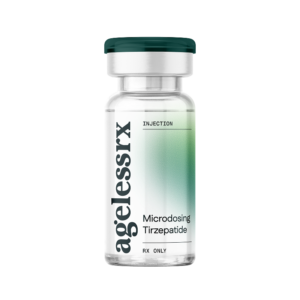
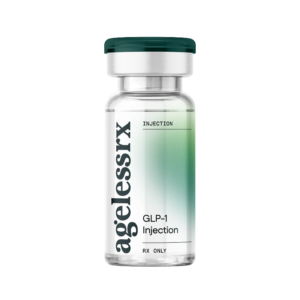
For patients seeking greater weight loss, combining Metformin with other therapies like GLP-1s can markedly enhance results. GLP-1 receptor agonists help steady blood sugar and suppress appetite, making it a potential complement to Metformin.
Research shows that combining Metformin with a GLP-1 can lead to greater weight loss than using either medication alone. This combination can be particularly beneficial for patients who have not reached their weight loss goals with Metformin alone.
Next Steps to Consider with Metformin for Weight Loss:
- Review Your Dose:
If you’re not seeing results on a lower dose, consider increasing your dose for 6-9 months before reducing to a maintenance dose. - Personalize Your Approach with CGM:
Consider using a CGM to monitor your blood glucose and identify foods that affect your weight loss efforts. - Look Into Combination Therapies:
If you’re looking for greater results, ask AgelessRx about adding a GLP-1 to your regimen. - Assess Metformin’s Broader Benefits:
Even without substantial weight loss, Metformin can support overall metabolic health, so consider staying on it for its additional health benefits.
Note: The above statements have not been evaluated by the Food and Drug Administration. This product is not intended to diagnose, treat, cure, or prevent any disease.