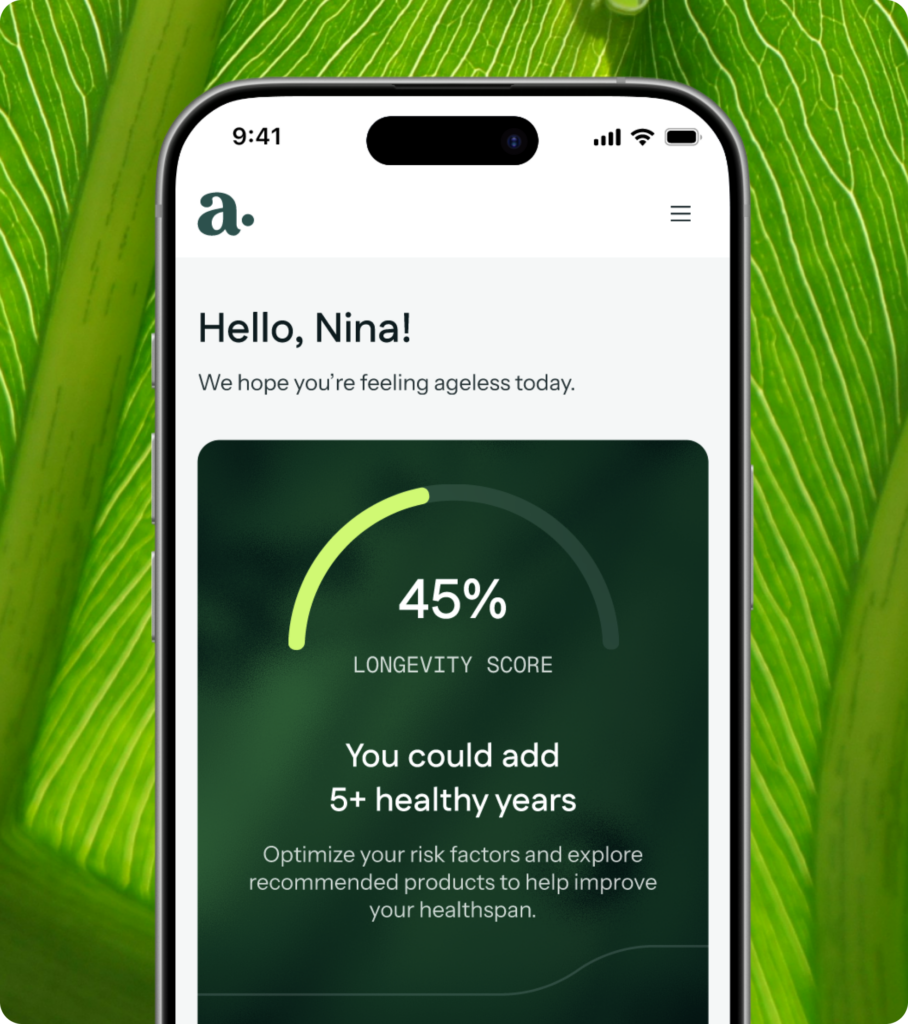
Day 1
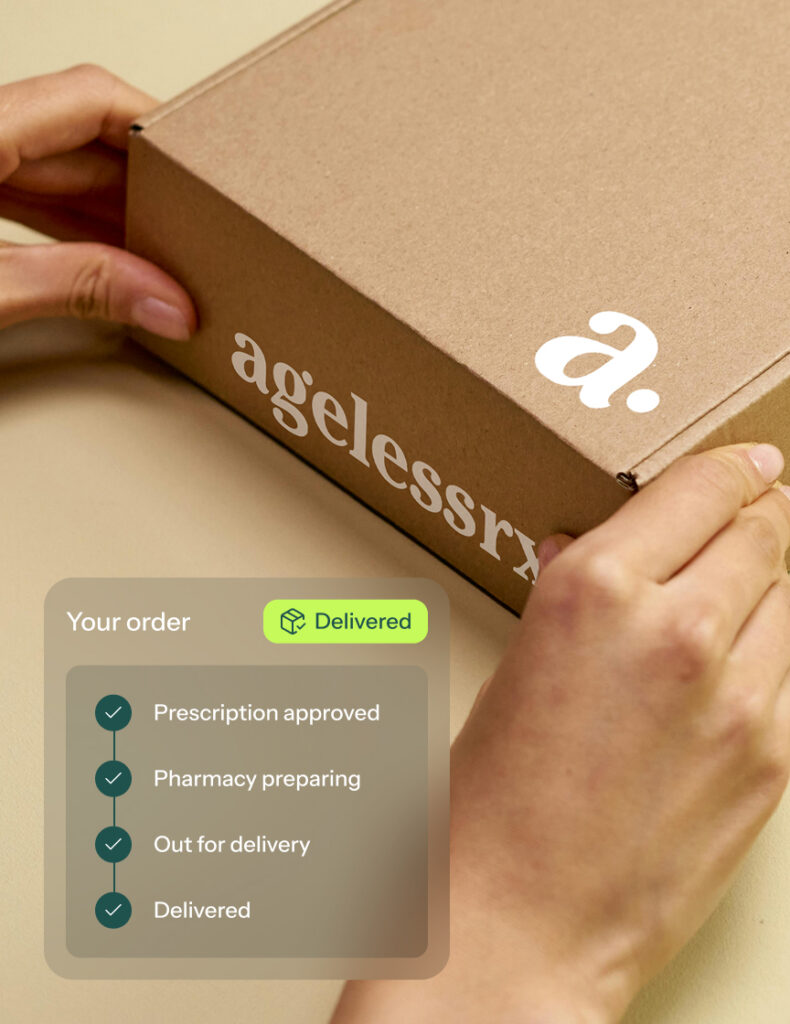
Our in-house, US-licensed medical providers review your health profile, goals, and treatment history to determine whether full-dose or microdose is the right starting point.
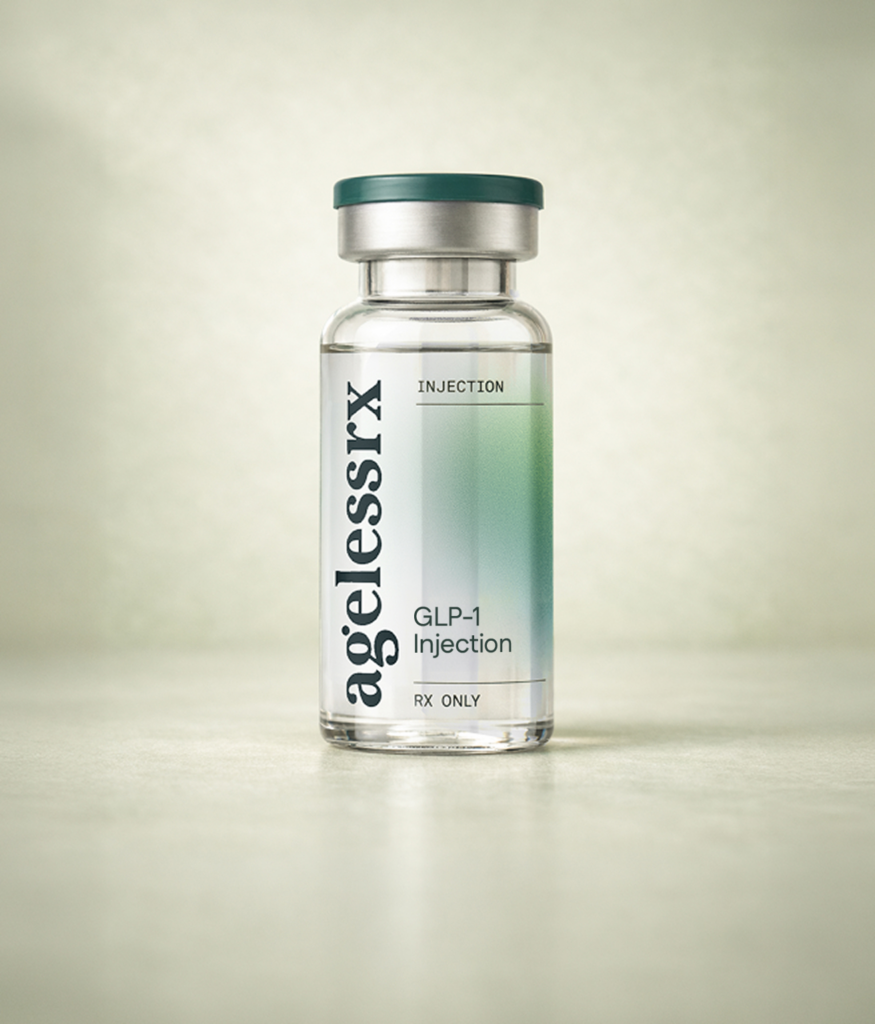
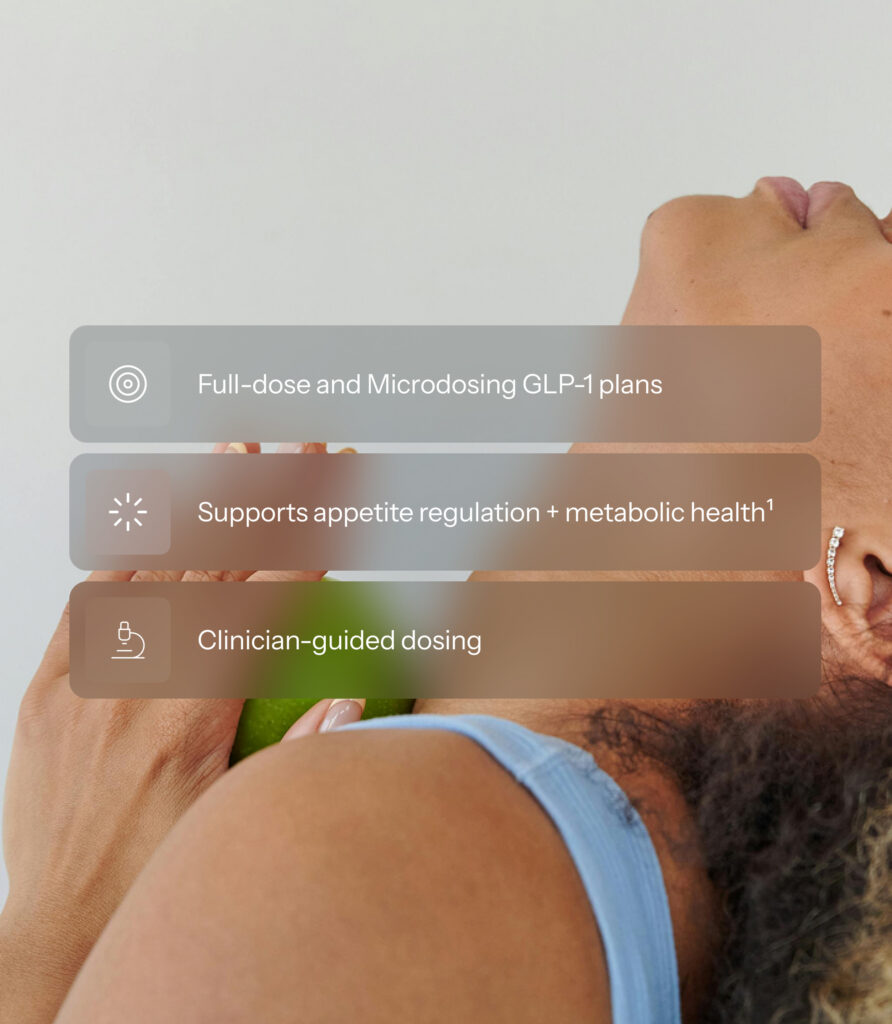
A clinician-guided GLP-1 treatment plan designed to support appetite regulation, metabolic health, and long-term care beyond the scale.
GLP-1 is a hormone the body already uses to help regulate appetite, fullness, and blood sugar after meals.1 GLP-1 medications may enhance that signal, helping support the communication between the gut, brain, and metabolism.1
Full-dose GLP-1s follow the dosing approach a clinician determines is appropriate for your goals and health history. Full-dose uses the dosing range studied in large clinical trials for significant, sustained weight loss.
Microdosing uses a much lower, individualized dose aimed at broader metabolic support for people who are looking for moderate weight loss and the broader anti-inflammatory benefits GLP-1s engage, without the strong appetite suppression.3
GLP-1s may be appropriate for adults looking to support appetite regulation, metabolic health, and long-term weight management goals.1 2 At AgelessRx, GLP-1 plans are available in both full-dose and Microdosing options, which broadens the range of individuals who may benefit beyond those seeking significant weight loss alone. Eligibility is always determined by a US-licensed medical provider based on your complete health profile. Approval for treatment is not guaranteed. GLP-1 medications should be used alongside a reduced-calorie meal plan and increased physical activity.
GLP-1s are self-administered according to your provider-guided titration schedule. If prescribed, a US-licensed medical provider will provide a tailored dosage schedule and specific treatment instructions with your care plan.
GLP-1s should be used with a reduced-calorie meal plan and increased physical activity.
Do not use Wegovy® or Ozempic® with other GLP-1 receptor agonist medications or any other products containing Semaglutide or Tirzepatide. Do not use any GLP-1 treatment if you are allergic to its active ingredient or any of its ingredients.
Common GLP-1 side effects may include nausea, diarrhea, vomiting, constipation, stomach pain, headache, fatigue, indigestion, dizziness, bloating, belching, gas, reflux, and low blood sugar, especially in people with type 2 diabetes taking insulin or sulfonylureas. Other side effects may occur. For a full list of possible side effects and important safety information, please review the medication guide for the treatment prescribed.
Wegovy® is FDA-approved to support weight management in adults with obesity or some adults with excess weight who also have weight-related medical conditions, along with reduced calorie diet and increased physical activity. Ozempic® is FDA-approved for adults with type 2 diabetes. Zepbound® is FDA-approved for chronic weight management in adults with obesity or adults with excess weight who also have at least one weight-related condition, along with reduced calorie diet and increased physical activity.
Approval for treatment is not guaranteed. Eligibility and approval are always determined by a licensed provider based on your complete health profile.
Do not use Wegovy®, Ozempic®, Zepbound®, or compounded GLP-1s if you are pregnant, breastfeeding, planning to become pregnant, or planning to breastfeed. Do not use Wegovy®, Ozempic®, Zepbound®, or compounded GLP-1s if you or anyone in your family has had medullary thyroid carcinoma (MTC), or if you have multiple endocrine neoplasia syndrome type 2 (MEN 2). Zepbound® should also not be used by anyone with a history of pancreatitis.
Products are compounded by a licensed pharmacy. The FDA has not reviewed or approved compounded GLP-1 products for any use for safety, efficacy, or quality. Actual product packaging may appear differently than shown.
Tirzepatide may reduce the effectiveness of oral contraceptives. If you take an oral contraceptive, ask your provider about switching to a non-oral method or using backup contraception when starting Tirzepatide or changing your dose.
Tell your provider about all medications, vitamins, and supplements you take, especially medications for diabetes, including insulin or sulfonylureas. GLP-1 medications may affect how some medicines work, and some medicines may affect how GLP-1 medications work.
For complete safety information, refer to the official prescribing information for the medication prescribed.
Note: The above statements have not been evaluated by the Food and Drug Administration. This product is not intended to diagnose, treat, cure, or prevent any disease.
Disclaimer

The body naturally makes GLP-1 after you eat. It is one of the signals that helps tell the brain, “We’ve had enough,” while slowing digestion and supporting steadier blood sugar after meals.1
GLP-1 medications are designed to mimic that natural hormone signal. By helping that fullness signal stay active longer, they may support appetite regulation, steadier eating patterns, and metabolic health.1 4
Average body weight reduction in clinical studies of brand-name GLP-15








| BMI | Is GLP-1 right for me?* |
|---|---|
| 24.9 or less | No |
| 25.0 – 29.9 | Case-by-case |
| 30.0 or above | Likely |
The above chart is not meant for medical diagnosis purposes. Your provider will approve or disapprove a GLP-1 prescription at their discretion after careful consideration of your unique health profile; approval is not guaranteed based on the above criteria.

Clinically studied
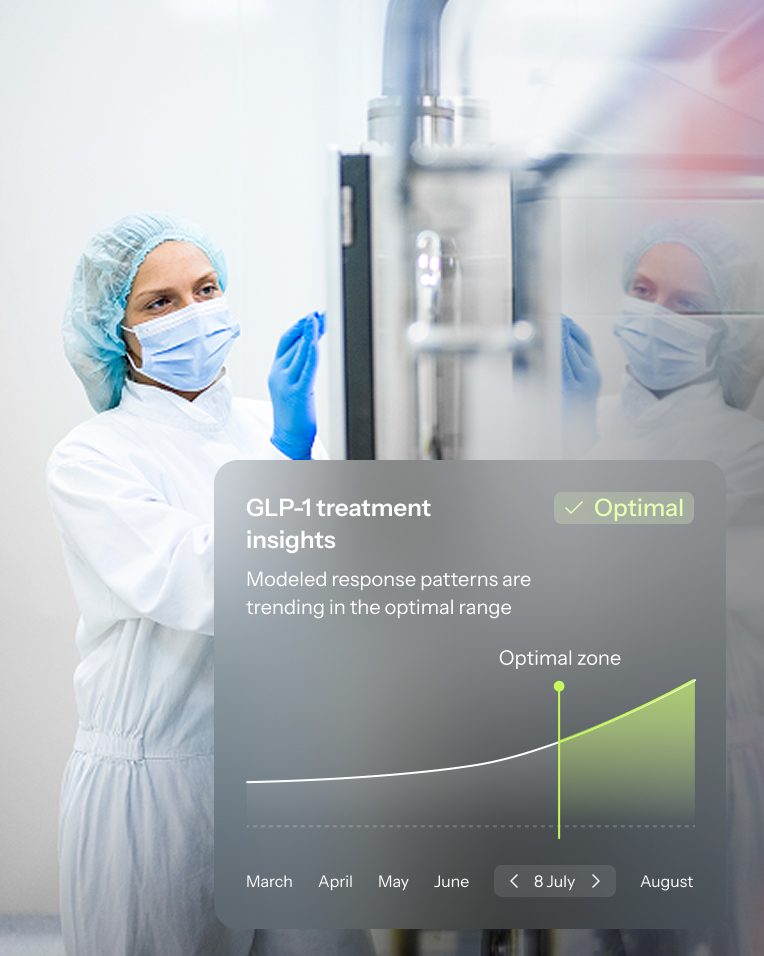
GLP-1 is a hormone the body already makes after eating, telling the brain “we’ve had enough” while slowing digestion and steadying blood sugar.1
GLP-1 medications amplify that same signal—at full dose, strongly enough to drive significant, sustained weight loss and meaningful cardiovascular risk reduction; at microdoses, gently enough to support metabolic and anti-inflammatory signaling without dramatic appetite suppression. 3 5 6 7


Disclaimer
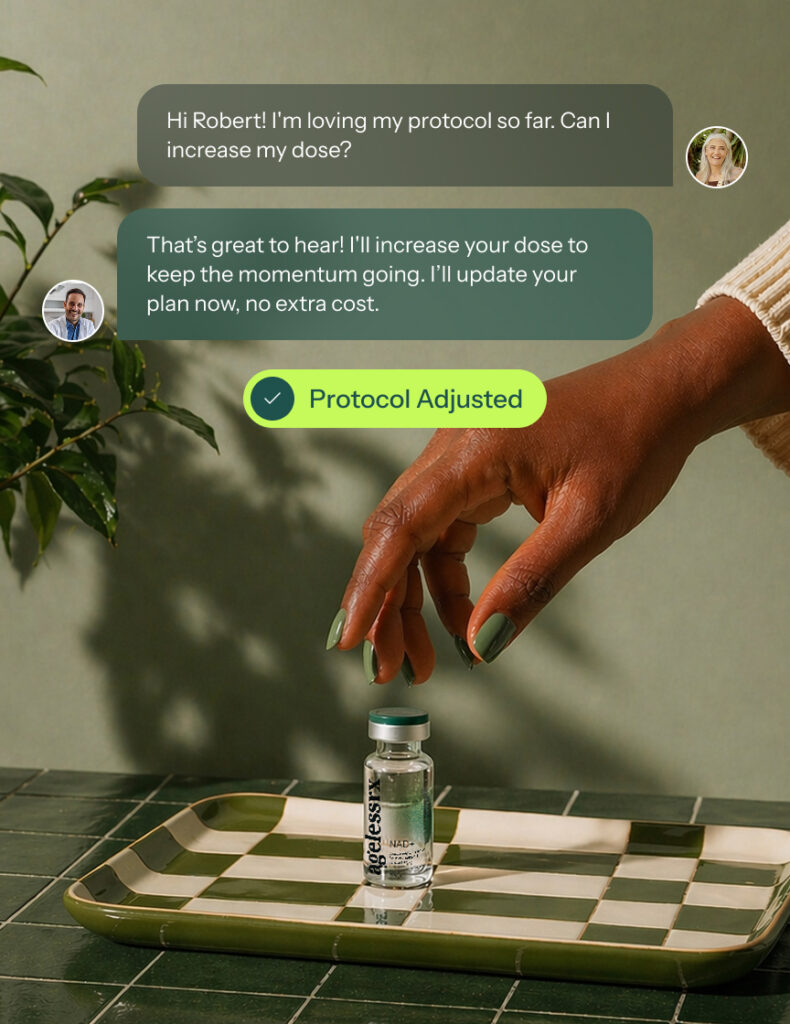
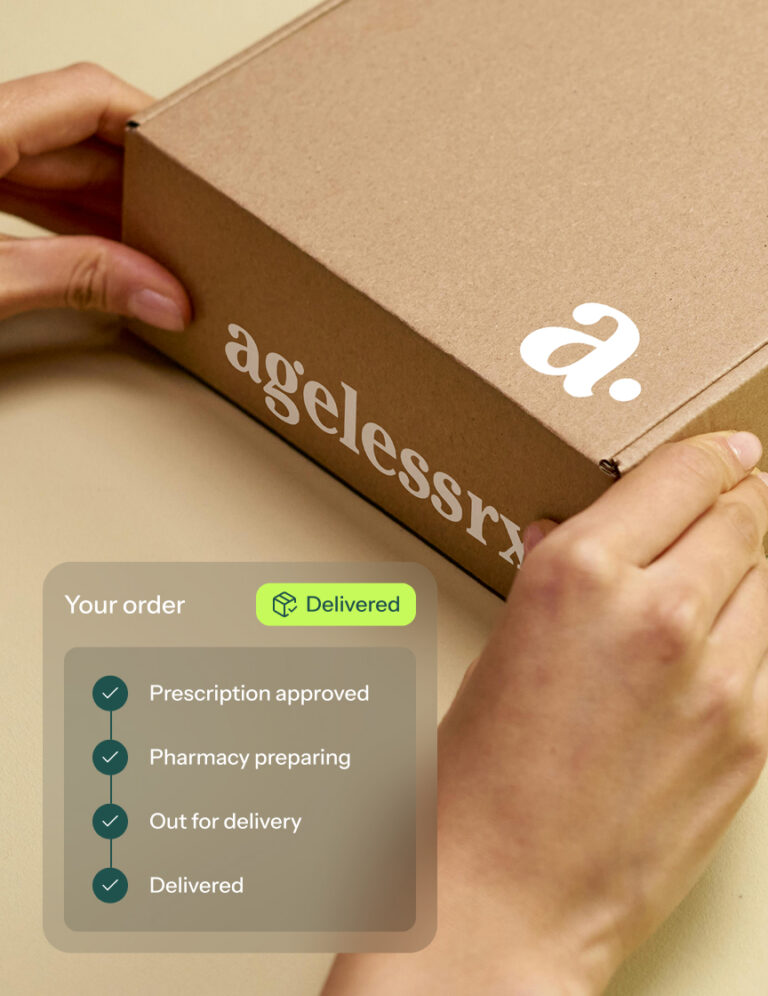
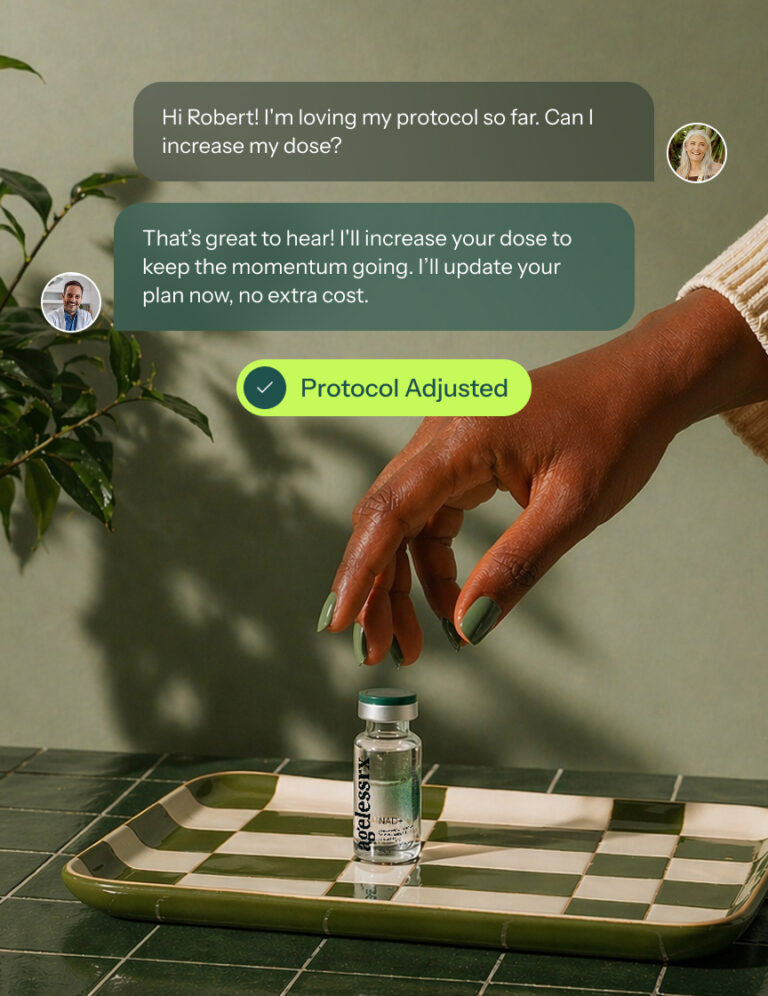
Most GLP-1 care is built around access to medication. AgelessRx is built around the care that happens around it: clinician-guided dosing, a fully in-house medical and care team, unlimited provider messaging, dosage adjustments when appropriate, and a longevity lens that considers metabolism, muscle, energy, and long-term health.
GLP-1 medications are generally well tolerated. The most commonly reported side effects are gastrointestinal and may include nausea, diarrhea, vomiting, constipation, stomach discomfort, bloating, and indigestion, particularly when first starting treatment or increasing dose. These side effects are often mild and may decrease over time as the body adjusts. Starting at a lower dose and titrating gradually may help reduce discomfort. Please see important safety information and consult your provider about the potential risks and benefits before starting treatment.
Individual experiences vary. Some may begin noticing initial changes in appetite and eating patterns within the first few weeks of consistent use, while more noticeable changes in body weight and metabolic health may emerge over 3–6 months. Results depend on individual factors including starting dose, health history, lifestyle habits, and adherence to the prescribed protocol.
Research into GLP-1 medications is rapidly expanding beyond weight management. Researchers are now exploring GLP-1’s role in a number of closely related conditions, with scientists investigating its potential benefits for metabolic health, cardiovascular health, and even broader chronic disease applications.²
At AgelessRx, our Stanford PhD-led Research Team is actively studying GLP-1 through a longevity lens on two fronts. First, our Microdosing research explores how lower-dose GLP-1 protocols may support metabolic health and healthy aging beyond traditional weight loss applications.
Second, our Life After GLP-1 clinical trial is studying how people may maintain the metabolic benefits of GLP-1 treatment after stopping medication, addressing one of the most pressing unanswered questions in GLP-1 care.
GLP-1 medications work by mimicking a hormone your body already makes, one that helps manage appetite, blood sugar, and metabolism. AgelessRx offers a few paths depending on your goals.
Semaglutide (GLP-1)
The most established GLP-1 option, with a long track record for weight loss and blood sugar control. Research shows it may support meaningful weight loss and can lower cardiovascular risk in adults with obesity. It’s a solid choice if you want a well-studied option with strong long-term data.
Tirzepatide (GLP-1+GIP)
Works on two pathways instead of one, GLP-1 and GIP. This dual action may offer greater appetite suppression at comparable doses. It’s worth considering if you’re looking for potentially stronger metabolic support, though it doesn’t have the same long-term cardiovascular research behind it yet.
Microdosing
Uses doses below the standard starting point, with either Semaglutide or Tirzepatide. Instead of targeting significant weight loss, microdosing focuses on lower side effects, reduced food noise, and potential longevity benefits, like reduced inflammation, better immune support, and improved mood. This may suit people who want a gentler entry into GLP-1 care or are prioritizing healthspan over major weight change.
Your AgelessRx provider will look at your health history and goals to help you land on the right fit.