
Lifespan vs. healthspan

The why
Lifespan vs. healthspan
We all want to live longer so we can enjoy extra years doing the things that reward us the most, with the people we love the most. But what does it mean to live a long life if those additional years aren’t lived in good health?
This brings up an important distinction between two terms that are fundamental to our longevity: lifespan vs. healthspan.

The what
What is lifespan?
Lifespan is the total amount of years a person lives, starting from birth and ending at death.
Lifespan is the same as our chronological years, or how many candles we blow out on our birthday cake.
But lifespan doesn’t account for the condition of those years lived. Someone may reach the age of 100, but doesn’t consider how many of those years were spent in good health.
Why do we need
healthspan too?
The McKinsey Health Institute reported that between 1800 and 2017, our average global life expectancy has more than doubled from 30 years to 73 years.1
But we spend only about 50% of our lives in good health, which means the other 50% is spent in declining health. The same study reports that 12% of our lives are spent in poor health. For a 73-year-old, that’s nearly 9 years.
What is healthspan?


How does healthspan relate to longevity?
Imagine gaining extra healthy years, and having the quality of life to enjoy those extra years in good health.
Healthspan captures the extent of our lives we can truly engage in, energized and healthy, being able to savor every moment to its fullest.
All in all, healthspan draws attention to the active, vibrant, and healthy years of one’s life, underscoring the importance of good health as we age, not just how long we live.
Lifespan vs. healthspan: quality vs. quantity

Why not both healthspan and lifespan?
Including both healthspan and lifespan into our longevity goals gives us a holistic view of longevity that focuses on both our physical and mental well-being.
Fortunately, we don’t have to choose between one or the other. Many of the same strategies we use to give us extra years can also give us extra healthy years.
How to enhance both
lifespan & healthspan
Promoting both lifespan and healthspan requires a focus on 360-degree wellness.
The good news? There are a few important but simple steps we can take to improve both, and you may already be incorporating some of them into your daily routine.

Tip #1
Regular exercise
Making time to get your heart rate up is key to living longer and healthier. Any exercise is a step in the right direction.
Ideally, you should be dedicating at least 150 minutes each week to moderate physical activity for the most substantial health benefits.

Tip #2
Healthy diet
Not all diets are made equal. The Mediterranean diet may be among the healthiest for most people, featuring high amounts of olive oil, fish, vegetables, herbs, fruits, and nuts, a combination that has been shown to reduce our all-cause and cancer mortality.3
Harvard reports that periods of fasting have also been shown to increase lifespan, as well as improve the regulation of blood glucose, inflammation, and oxidative stress–all of which promote our healthspan.4

Tip #3
Stress management
Research has shown that stress contributes to many age-related diseases, like diabetes and heart disease. In fact, stress may reduce our lifespan by nearly 3 years.5
Stress can lower our immune response, making us more vulnerable to disease. While most research is correlative, it’s a simple fact that living a stress-free life improves our quality of life, regardless of its effect on overall health.

Tip #4
Good sleep
Sleep is becoming an increasingly significant factor of longevity and overall health. Insufficient sleep is linked with many age-related diseases, like cardiovascular disease, stroke, and diabetes. The effect that our sleep has on our stress levels is also clear: less sleep equals more stress.
That’s not to mention Daylight Saving Time and our health. It’s easy to forget that sleep is the time our bodies need to repair, maintain, and support our healthy function.

Tip #5
Routine screenings
Routine screenings help to detect disease before it develops, so treatment options become more successful. This is just as important for someone in their 30s as it is for someone in their 70s.
Routine medical screenings can also act as an essential preventative measure, catching potential health complications in their early stages before they progress.
The science
How do genetics affect lifespan and healthspan?
Putting longevity into practice
Extending both lifespan and healthspan is a matter of consistently making mindful choices. After all, the journey to a longer, healthier life is a marathon, not a sprint. So what does this look like in simple terms?

The research
Modern lifespan and healthspan research
Longevity research has been steadily pushing forward for many years, improving our understanding of lifespan vs healthspan. Since the 1960s, our collective healthspan has actively been increasing.1
Recently, new longevity treatments like Rapamycin have also been introduced as a way to extend healthy years. Studies have already confirmed that Rapamycin has extended the lifespan of every organism it’s been tested on so far.
The results of these studies suggest that Rapamycin could also extend our healthspan by improving gut microbiome, cardiac function, infection rate, and immune response.8
The future of lifespan and healthspan research
Now that healthspan has become a primary focus of longevity research, our average healthspan is set to improve rapidly over the coming decades.
The United Nations recently declared that 2021-2030 will be the “decade of healthy aging.2 This suggests that countries around the world are set to invest more not just in healthcare, but into longevity and aging research.
As researchers delve into the intricate genetic patterns that influence aging, we’re one step closer to comprehending how our genetics affect aging, bridging the gap between what we can control and what we once thought we couldn’t control about the way we age.
Longevity, simplified.
Rapamycin
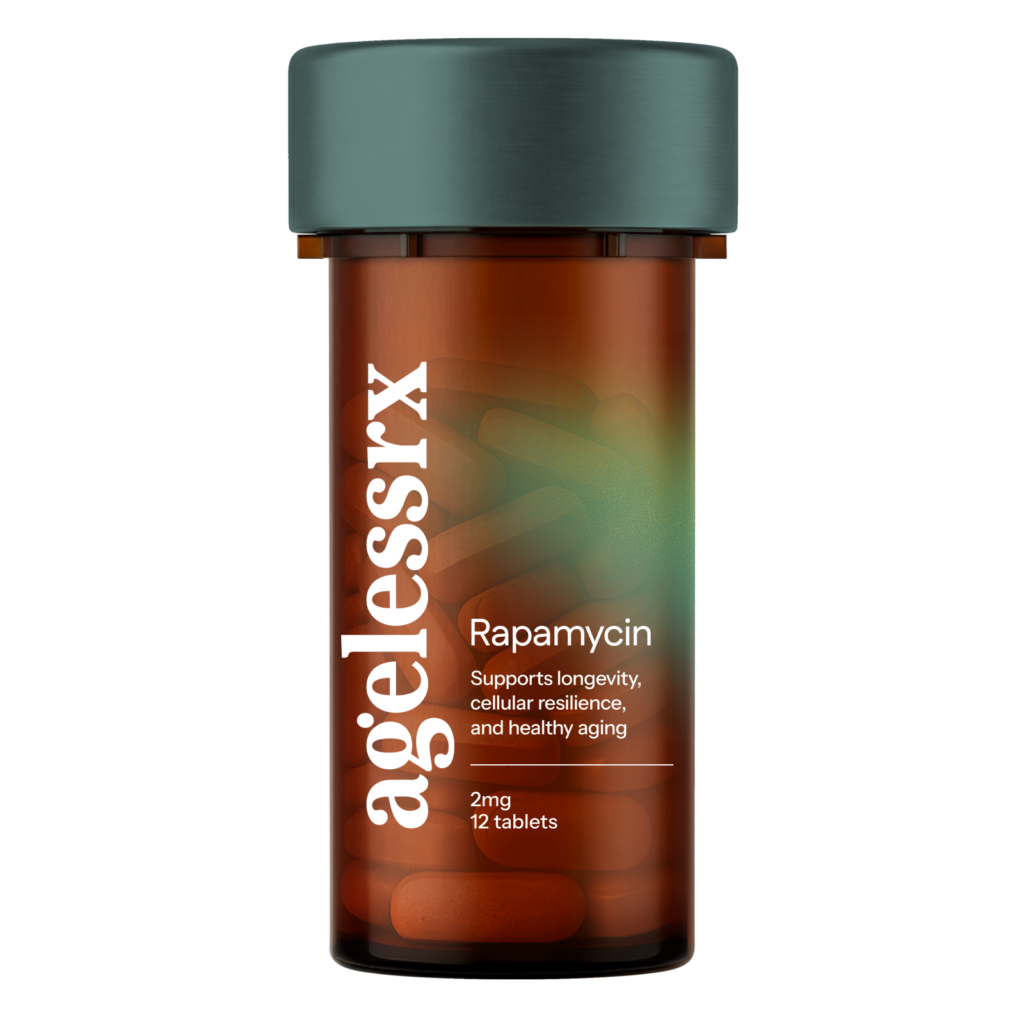
One of longevity’s most talked-about therapies, it has extended lifespan across every model organism studied by lowering mTOR, and helping cells clear damage, repair, and stay functional longer.
Microdosing Tirzepatide
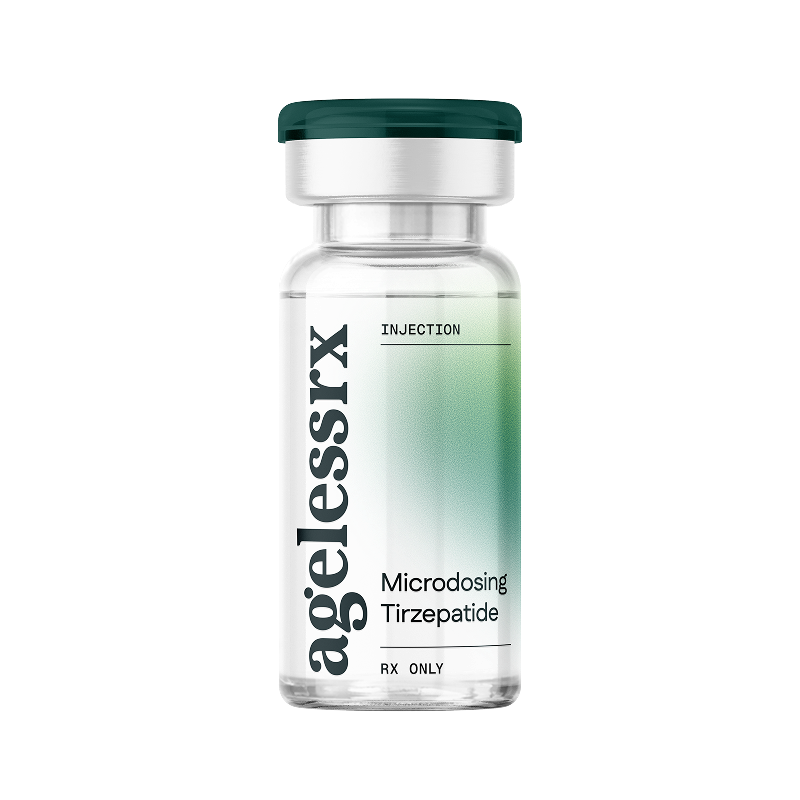
A low-dose GLP-1 approach designed to work in sync with the body, which may help minimize side effects, quiet cravings, and support moderate weight loss.
NAD+ Injection
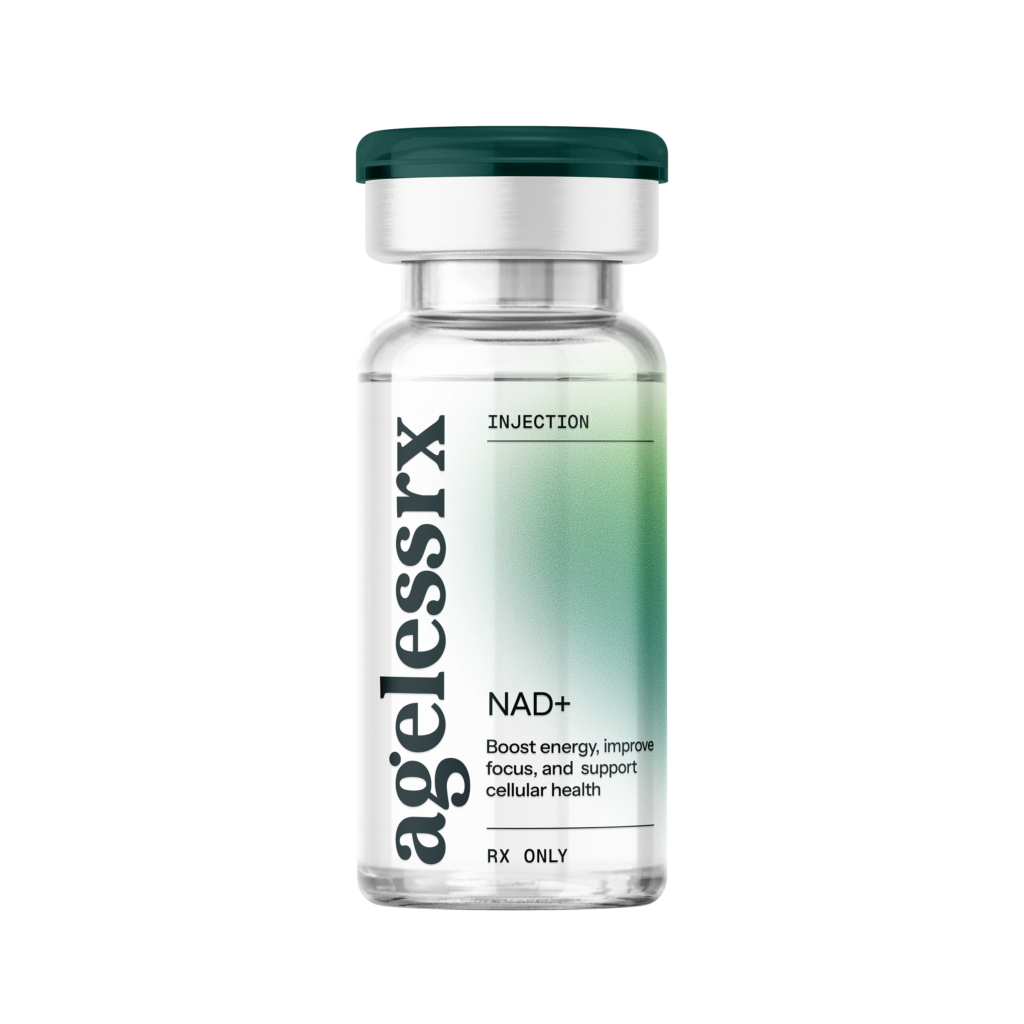
Boost energy, improve focus, and support cellular health with one of the most effective methods of restoring depleted NAD+ levels for a fraction of the cost of IV infusions.
Metformin
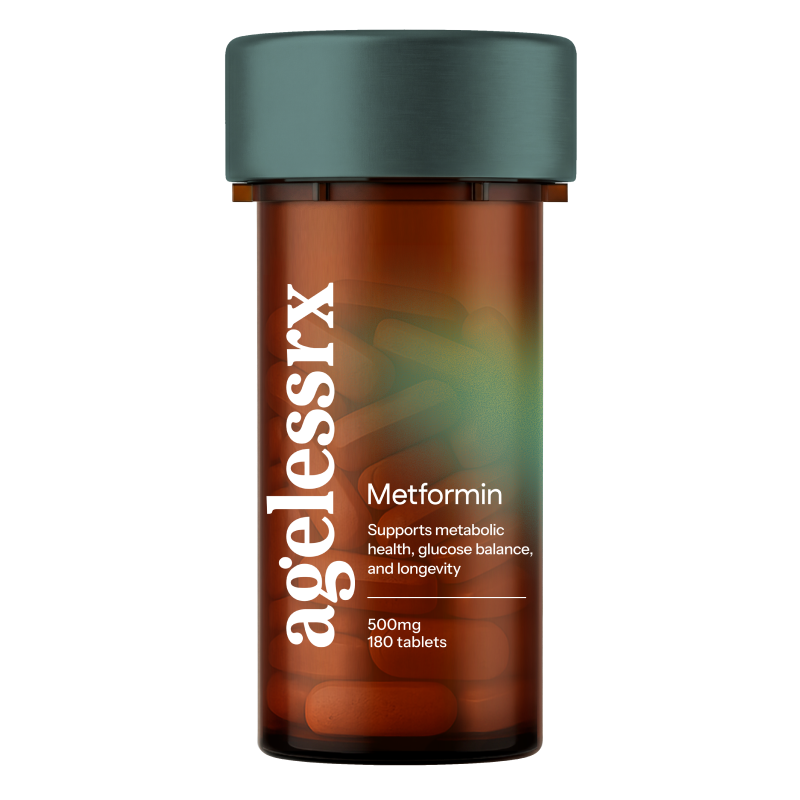
A once-daily pill that may help the body use sugar more efficiently, support appetite control, and build a stronger metabolic foundation for long-term health.
Glutathione Injection
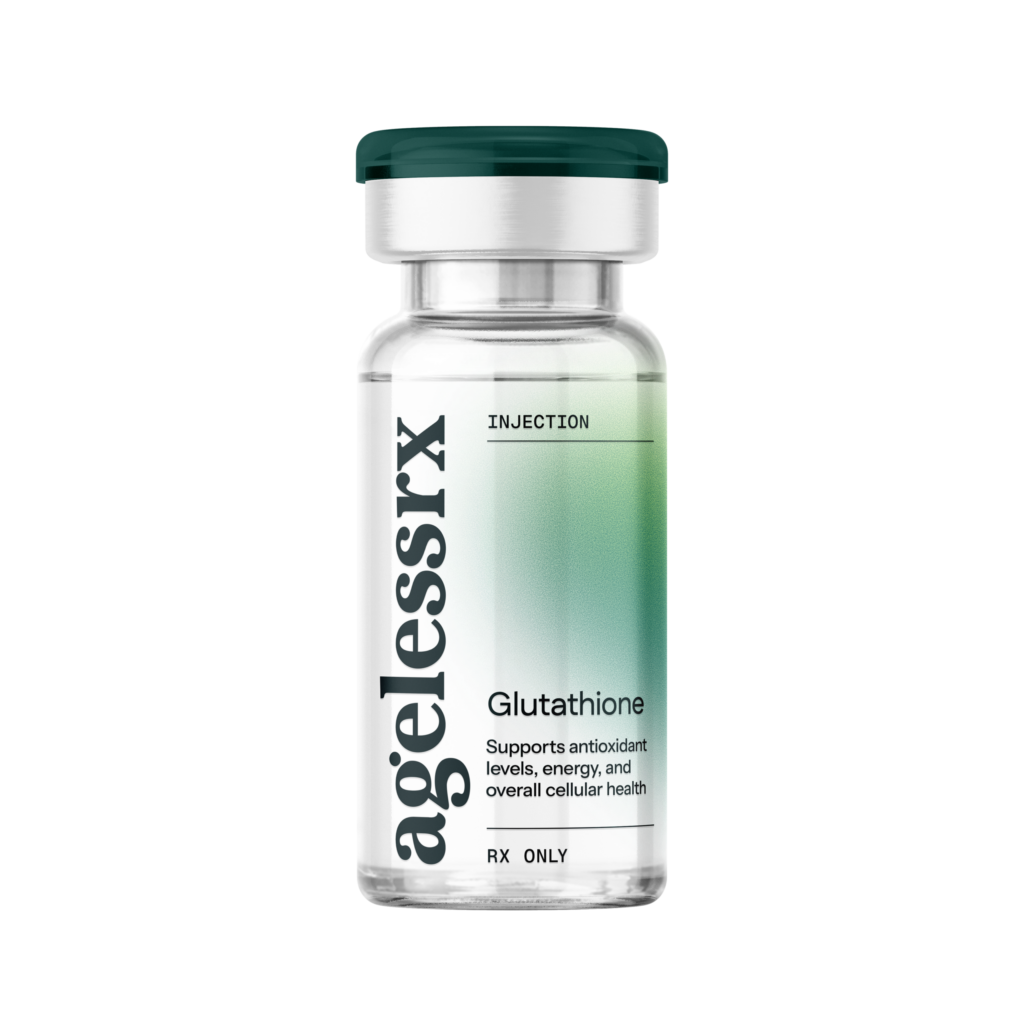
Support energy, immunity, cellular detox, and healthy skin by helping replenish the body’s master antioxidant that naturally declines with age.
Tadalafil Longevity Gummy
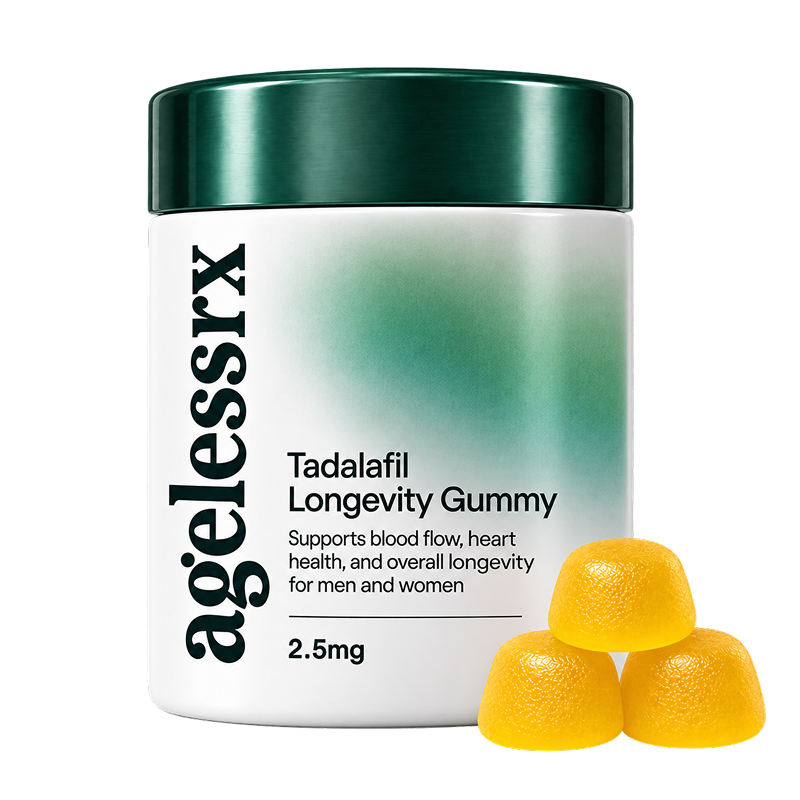
The first-ever Tadalafil gummy for longevity—for both men and women. A low daily dose with Vitamin D3 that supports healthy blood flow to the heart, brain, and muscles.
Longevity Consultation

Meet 1:1 with a longevity-trained expert who listens to what’s changed, connects the dots across your health, and builds a personalized plan to help you feel more like yourself now—and protect the life you want ahead.