
What Low Dose Oral Minoxidil may support
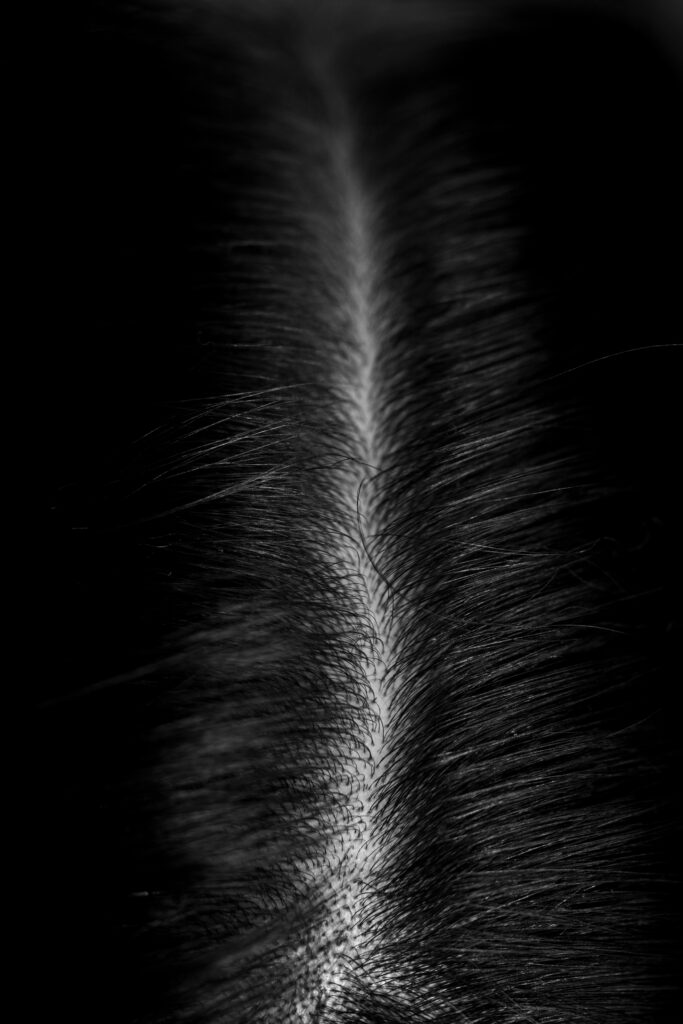

How Low Dose Oral Minoxidil works
(mih-nok-sih-dill)Think of it as opening a valve.
Once converted into its active form, Minoxidil widens the blood vessels around each hair follicle, so more blood, oxygen, and growth signals can reach follicles that have been pushed into a resting state.
Saw improvement in hair growth in a pooled review of 27 studies and 2,933 people.6
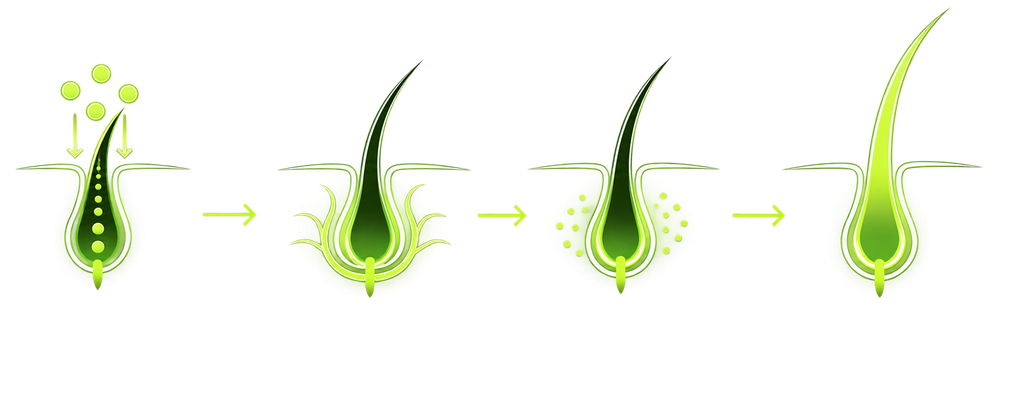

Low Dose Oral Minoxidil hair benefits

What we still don’t know
Our research
Hair health deserves a place in longevity science
Hair follicles change as we age, just like the rest of our bodies. And while hair thinning is often treated as a cosmetic concern, the biology behind it deserves scientific attention.
That’s why we’re bringing published research and personalized care together, backed by our Stanford PhD-led Research Team and 16 in-house licensed clinicians with 199+ years of combined clinical experience.
Hair growth takes time. We’re with you along the way.

Choose the experts in Low Dose Oral Minoxidil
Low Dose Oral Minoxidil
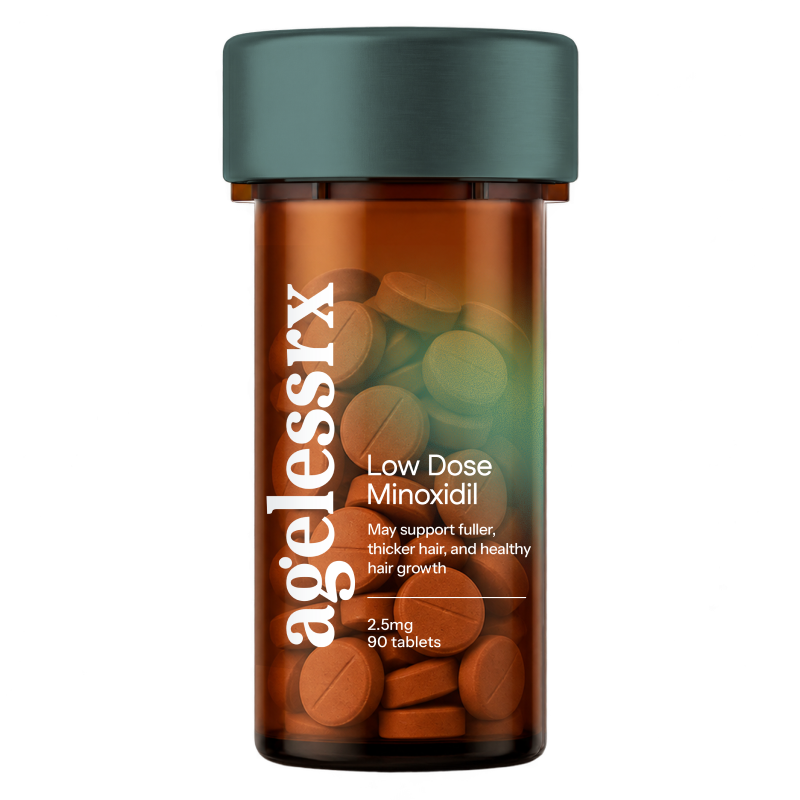
Support fuller, thicker-looking hair with one simple daily pill. No messy foams or daily scalp applications required.

Frequently asked questions
Low Dose Oral Minoxidil is an oral tablet, a low dose of minoxidil prescribed off-label to help support hair regrowth in people with thinning hair or androgenetic alopecia.
No, not for this use. Minoxidil is FDA-approved only for treating resistant high blood pressure. Using a much lower dose for hair regrowth is an off-label use, supported by a growing body of published clinical evidence.1,2,6
It is generally well tolerated at the doses used for hair regrowth, far below blood-pressure doses. The most common effect is hypertrichosis, extra hair growth on the face or body, which is cosmetic rather than dangerous.2
For full safety info, see the product page.
They share the same active ingredient. Topical minoxidil is a solution or foam applied to the scalp. Low Dose Oral Minoxidil is a pill that works throughout the body rather than sitting on the scalp. Research suggests the two forms offer comparable effectiveness for regrowth.1
Hair regrowth benefits are not permanent. If treatment is discontinued, hair loss typically resumes within a few months, so ongoing use is generally needed to maintain results.
Most people use one form of minoxidil rather than both. Finasteride works differently, on hormones rather than blood flow, so some care teams prescribe the two together. Ask your care team what makes sense for your goals before combining anything on your own.