2 Weeks
Your follicles are getting to work. Minoxidil may begin supporting your hair’s growth cycle before changes become visible.
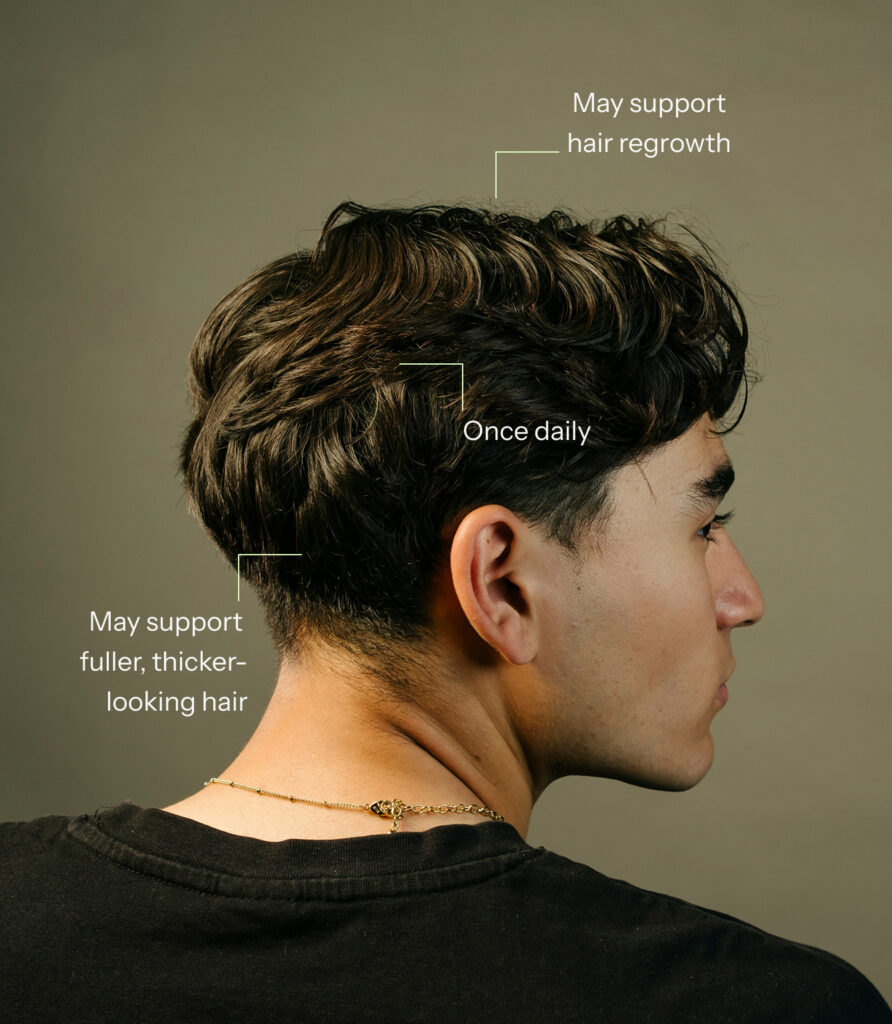
Support fuller, thicker-looking hair with one simple daily pill. No messy foams or daily scalp applications required.
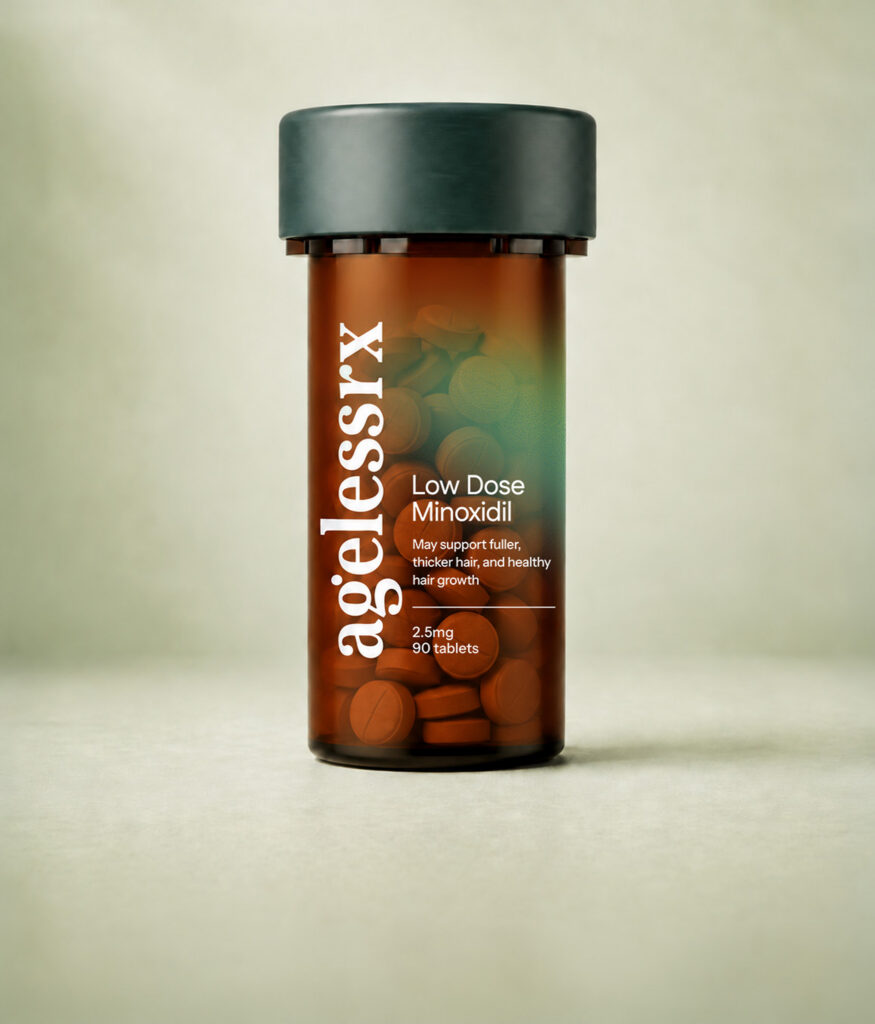
Low Dose Oral Minoxidil (LDOM) is a once-daily tablet that supports hair regrowth for fuller, thicker-looking hair in men and women. Oral Minoxidil is FDA-approved only for resistant high blood pressure, at 10 to 40mg a day.3 4 For hair, providers may prescribe it off-label at lower daily doses at ranges researchers have studied for its effect on the hair growth cycle.3
Once absorbed, Minoxidil is converted by enzymes into its active form, minoxidil sulfate, which opens potassium channels and widens small blood vessels, potentially supporting blood flow and nutrient delivery to each hair follicle.2 3 5 Think of a follicle as a garden with a growing season (the anagen phase) followed by a long rest. Research suggests Minoxidil may help lengthen that growing season, keeping more follicles in active growth, and may help follicles that have shrunk over time produce thicker strands.3 5
Both forms use the same active ingredient, and head-to-head trials have found comparable results for hair regrowth.1 6 The bigger difference is the daily routine. Topical Minoxidil, the FDA-approved over-the-counter option, is applied to the scalp once or twice a day, while Low Dose Oral Minoxidil is a single tablet that reaches follicles through the bloodstream.7 Side effects differ as a result: topical use is more often linked to scalp irritation, and oral use to unwanted hair growth elsewhere on the body.1 3 6
Low Dose Oral Minoxidil is taken daily according to your provider-guided titration schedule. If prescribed, a US-licensed provider will provide a dosage schedule and specific treatment instructions with your care plan.
You should not use this medication if you are under 18, or if you are pregnant, breastfeeding, or planning to become pregnant or breastfeed. It is also not appropriate if you have heart failure or a reduced ejection fraction (an EF below 50%, or NYHA Class III or greater). If you have active cancer, this treatment isn’t recommended, though patients who have been in remission for five years or more may be considered. Additionally, you should avoid Low Dose Oral Minoxidil if you have a history of pericardial effusion, tamponade, or pericarditis, pulmonary hypertension with mitral stenosis, or pheochromocytoma, if you are on dialysis or taking guanethidine, or if you have a known allergy or hypersensitivity to Minoxidil or any component of the formulation.
Let your provider know if you have reduced kidney function or notably elevated liver enzymes, or if you have a history of low blood pressure, tachycardia, or another arrhythmia. If you have any surgery or procedure coming up, tell your care team as well, so that a temporary pause in treatment can be planned if needed.
Drug interactions
The one true drug contraindication is guanethidine, which combined with Low Dose Oral Minoxidil can cause a severe drop in blood pressure on standing—never combine the two. Other blood pressure medications (ACE inhibitors, ARBs, calcium channel blockers, beta blockers, diuretics) and phosphodiesterase-5 inhibitors (sildenafil, Tadalafil) may add to the blood-pressure-lowering effect. NSAIDs may reduce effectiveness and increase fluid retention. Tell your care team about everything you take, including supplements and over-the-counter medications.
Possible side effects
All medications carry potential risks and side effects, and knowing what to expect can help you feel confident in your treatment. The most common side effect is hypertrichosis, or unwanted hair growth on the face or body, which is reported in roughly 15% of patients and occurs more often in women. Some people notice temporary hair shedding during the first several weeks; this is typically a normal part of the process and resolves on its own. Mild fluid retention or ankle swelling may also occur.
Less commonly, some patients experience low blood pressure, lightheadedness, or dizziness, particularly those who also take blood pressure medications. A mildly fast heartbeat, trouble sleeping, or headache may also occur. Rarely, more severe reactions can develop, including pericardial effusion, pleural effusion, cardiac tamponade, or pericarditis, as well as significant tachycardia, symptomatic low blood pressure, or a rash or allergic reaction.
When to reach out
You should notify your provider promptly if you experience concerning symptoms. Seek immediate medical attention if you experience fever, signs of allergic reaction such as facial swelling, rash, or difficulty breathing, severe or persistent symptoms, signs of infection, unusual bleeding or bruising, or any other concerning reactions. Your care team is here to support you every step of the way.
Note: The above statements have not been evaluated by the Food and Drug Administration. This product is not intended to diagnose, treat, cure, or prevent any disease.
Disclaimer

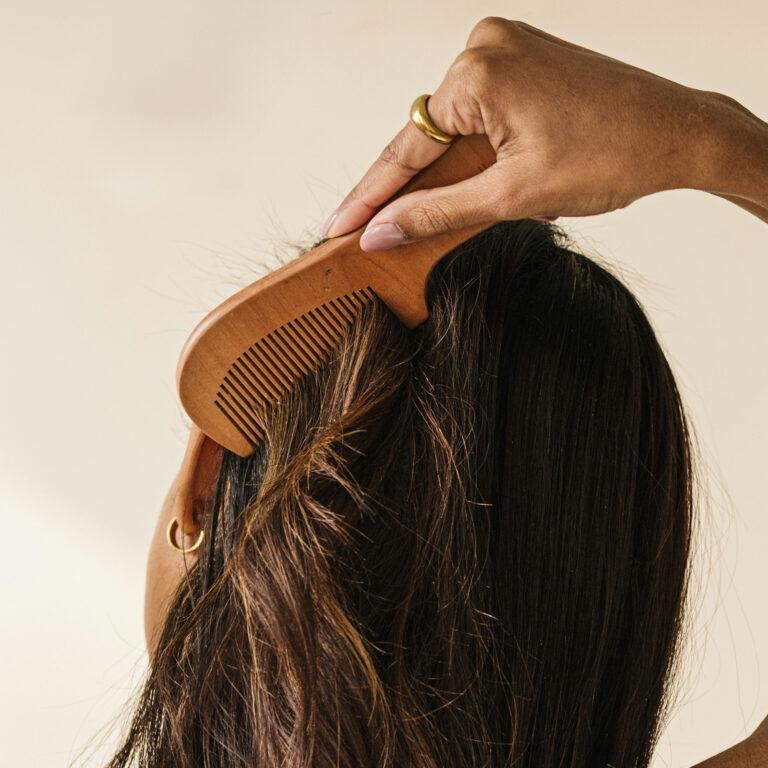
Your hair has a growing season. But as we age, genetics and hormonal changes can shorten that season, leaving you with a wider part, a thinner ponytail, or more scalp showing through.
Low Dose Oral Minoxidil may help extend the growth phase, giving your hair more time to grow.3 5
May support thicker fuller hair15









Clinically studied
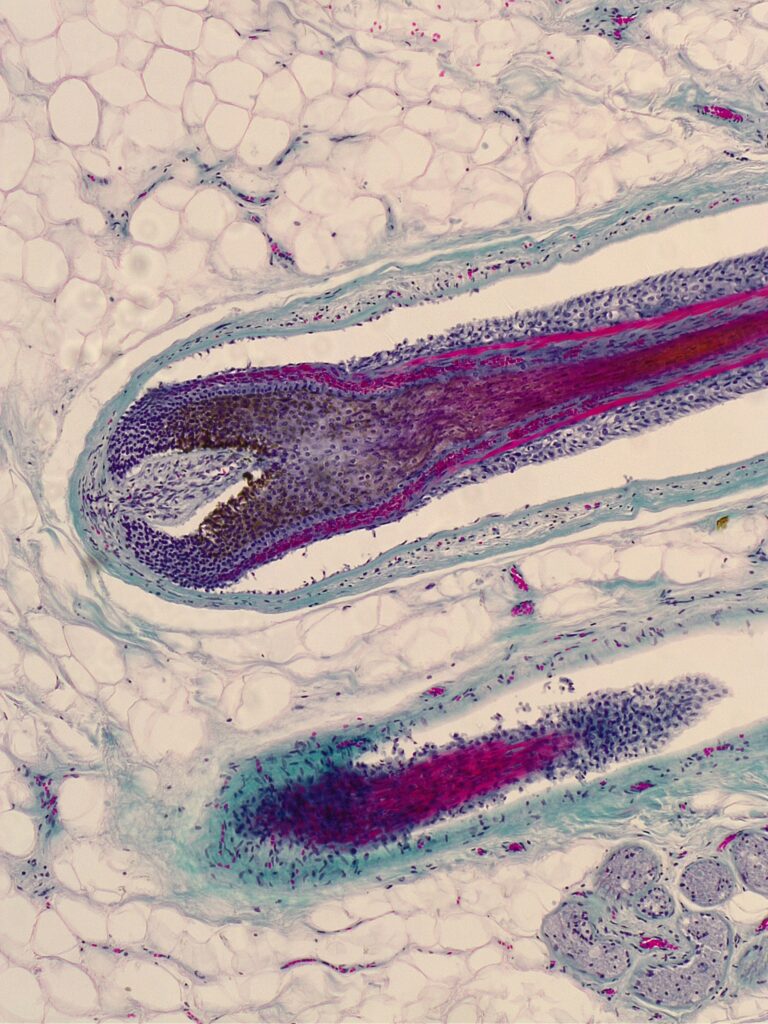
Every hair follicle has a natural growth cycle. During the anagen phase, hair actively grows. Over time, certain follicles can shrink and spend less time in this phase, producing finer, shorter strands.3 5
Minoxidil may help support that growth cycle. Once absorbed, it’s converted into its active form, minoxidil sulfate, which opens potassium channels involved in follicle activity.3 5 Researchers believe this action may help prolong the growth phase and encourage some shrinking follicles to produce thicker strands.




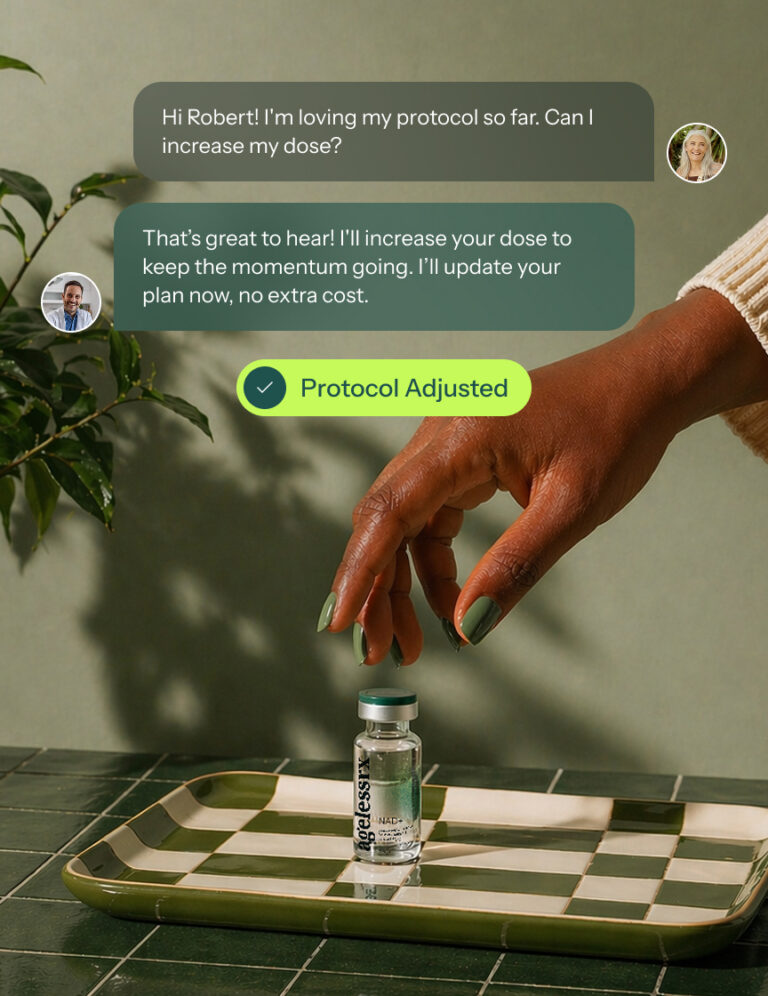
Disclaimer
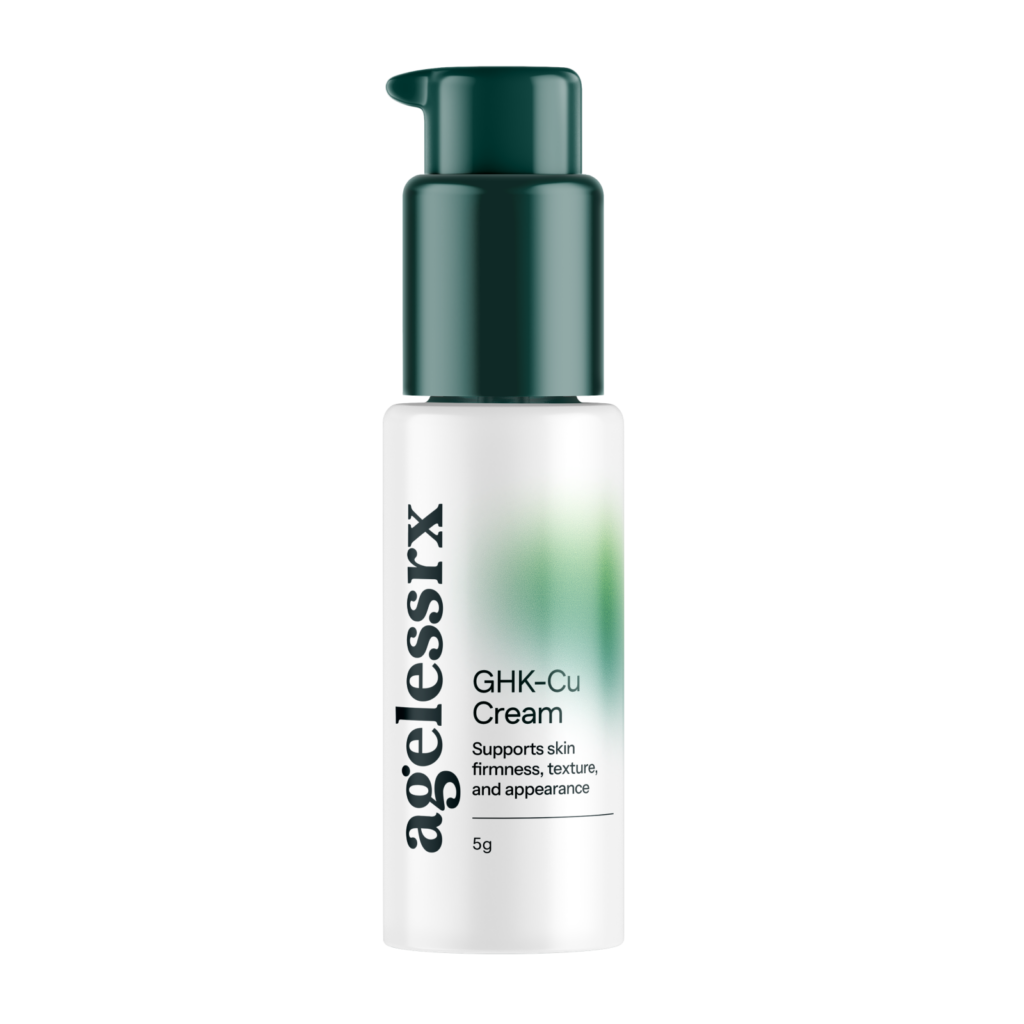
Support firmer, smoother-looking skin with a naturally occurring copper peptide that helps restore the repair and renewal processes that decline with age.
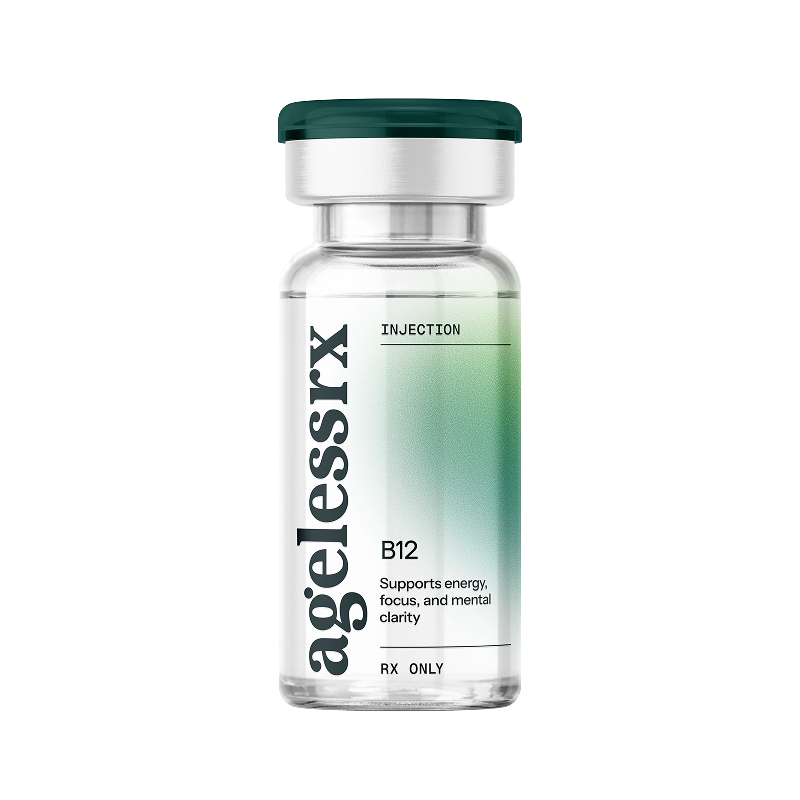
Boost energy, improve focus, and fight fatigue with one of the most efficient ways to restore B12 levels that naturally decline with age, delivering more reliable results than supplements.
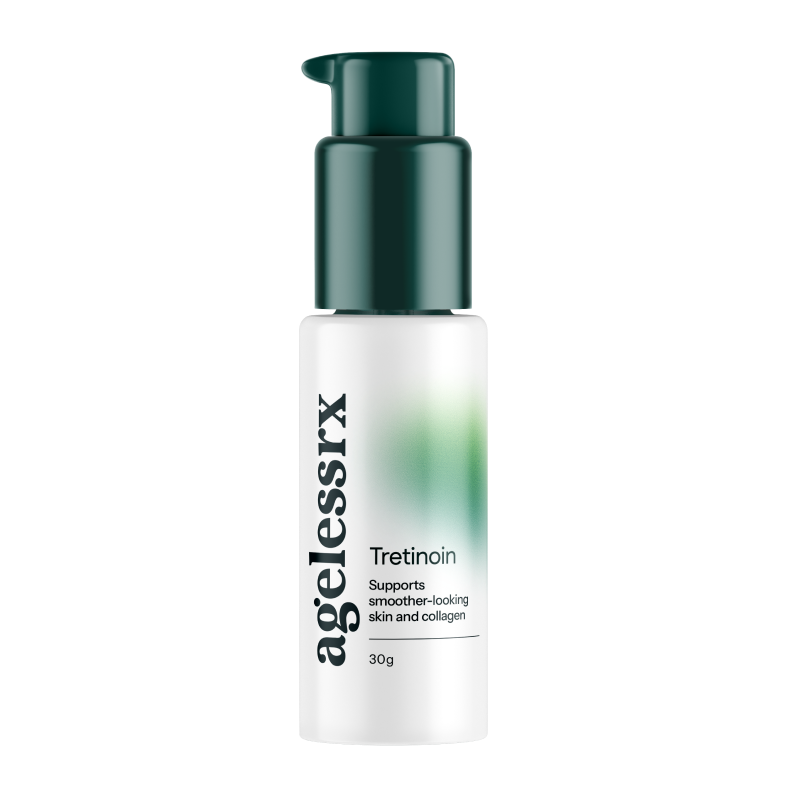
Prescription-strength retinoid that may support skin renewal and collagen for smoother lines, firmer-looking skin, and more refined texture beyond over-the-counter retinol.
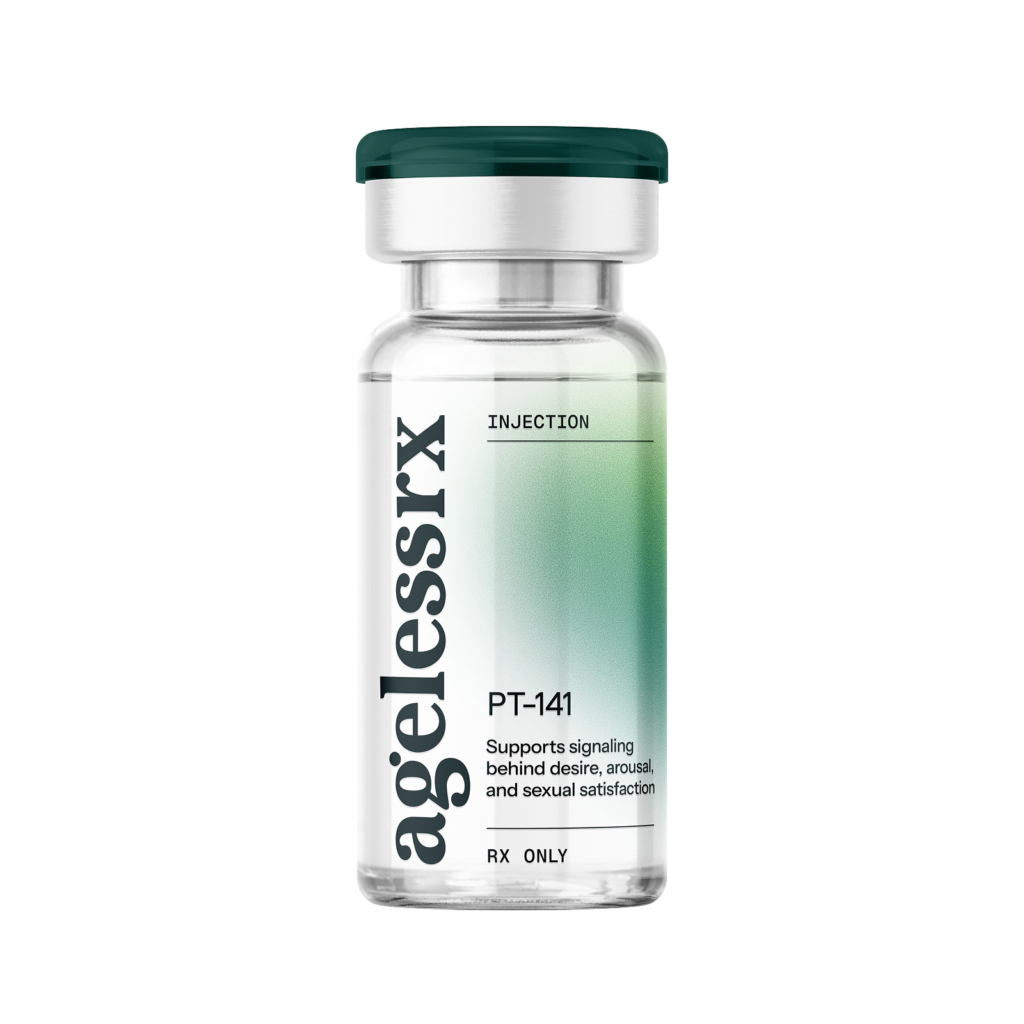
When attraction is still there but desire isn’t, support the brain pathways behind arousal and responsiveness—helping intimacy feel more natural again.
Because the hair cycle moves slowly, changes may take months to become visible. Most studies check hair density at about 6 months. Some people may notice early changes around 3 to 6 months.1 2 9 10
A temporary increase in shedding during the first several weeks is common and well documented, as resting follicles re-enter the growth phase and release older hairs. Individual experiences vary, and a provider reviews progress at each check-in.2 8
Women typically start at 1.25mg daily (half a tablet) and work up to 2.5mg, while men typically start at 2.5mg and work up to 5mg. Women usually receive lower doses because they tend to be more sensitive to hypertrichosis, or unwanted facial and body hair.7 8 One of our licensed providers will set your starting dose and titration pace based on health history and tolerance.
At the doses used for hair regrowth, far below blood pressure doses, Low Dose Oral Minoxidil has been generally well tolerated in published research.4 8 13 14
In a multicenter study of 1,404 people, the most common side effect was unwanted hair growth on the face or body (about 15%), while systemic effects such as lightheadedness and fluid retention each occurred in under 2% of participants.13 It isn’t appropriate for everyone, including anyone pregnant or breastfeeding or with certain heart conditions, so a provider reviews health history before prescribing. See Important Safety Information above for full details.
Hair growth takes consistency, and maintaining regrowth generally requires continued treatment. If you stop, the hair growth supported by Minoxidil may gradually be lost over the following months.
It can, and the shed is usually temporary. Extra shedding can start about 2 to 4 weeks after you begin Low Dose Oral Minoxidil, and may last about 3 to 6 weeks.8
As minoxidil nudges resting follicles back into the growth phase, hairs already due to fall out are released a little early, much like old leaves dropping as new buds push through. Because stopping and restarting may set the cycle back to the start, staying consistent through this window matters. Shedding that continues past 3 months is worth a message to your care team.