NAD vs. NADH: What’s the Difference and Why It Matters

You’ve likely seen NAD+ and NADH talked about at length in longevity circles. Some use the terms interchangeably, while some consider them quite distinct. So what’s the difference? It’s small, but meaningful when it comes to your treatment protocol.
Nicotinamide adenine dinucleotide (NAD) is a coenzyme found in every living cell. NAD+ is the oxidized form that accepts electrons; NADH is the reduced form that carries them to your mitochondria to make ATP. Throughout glycolysis, the citric acid cycle, and other metabolic processes, NAD+ is constantly being converted into NADH. What changes with age is that the NAD+/NADH ratio tips in the wrong direction. That imbalance is the real reason researchers are paying close attention to these molecules.
Key takeaways:
- NAD, NAD+, and NADH: same molecule, different chemical states
- NAD+ activates sirtuins and supports DNA repair; NADH transfers energy only
- NAD+/NADH ratio may drop by half in your 50s
- Oral NAD+ and NADH supplements break down during digestion
- Injectable, nasal, and transdermal formats offer better bioavailability
What NAD, NAD+, and NADH actually are
When you see NAD+, NADH, or just “NAD” in research or on supplement labels, they all refer to the same molecule (nicotinamide adenine dinucleotide) in different chemical states.
NAD+ is the oxidized form, carrying a positive charge and ready to accept electrons. When it picks up a hydrogen ion and two electrons during a metabolic reaction, it becomes NADH, the reduced form. That single exchange is what separates the two structurally, and it drives much of the cellular energy work covered throughout this article.
Scientific literature often uses these terms loosely, writing “NAD” when actually referring to NAD+. That imprecision is part of why the relationship between the forms can feel murky. But the functional differences between NAD+ and NADH matter more than the naming confusion might suggest.
How NAD+ becomes NADH: the redox conversion explained
The conversion between NAD+ and NADH is what makes cellular energy production possible. When NAD+ accepts electrons and a hydrogen ion during metabolic reactions, it becomes NADH. This is a reduction reaction, meaning NAD+ gains electrons to form NADH.
The reverse happens when NADH donates those electrons, typically to the mitochondrial electron transport chain, converting back to NAD+. That donation is an oxidation reaction. So the full cycle is a redox process: NAD+ gets reduced to NADH, and NADH gets oxidized back to NAD+.
Where this happens in the body
This conversion occurs at several key points in metabolism:
- In glycolysis, NAD+ accepts electrons from glucose breakdown, becoming NADH and helping generate a small yield of ATP in the cytoplasm. This is what fuels short bursts of activity, like sprinting or lifting something heavy. If this step slows down, people may notice quicker fatigue during sudden exertion.
- In the citric acid cycle, multiple NAD+ molecules are reduced to NADH per glucose molecule, capturing energy from acetyl-CoA oxidation. This stage supports steady, all-day energy. When it’s inefficient, people often describe general low energy or sluggishness rather than a specific symptom.
- In the electron transport chain, NADH offloads its electrons to produce the bulk of cellular ATP, regenerating NAD+ in the process. This is closely tied to endurance, mental clarity, and overall vitality. When this step is impaired, people often notice fatigue, brain fog, or reduced stamina during everyday tasks.
The ratio of NAD+ to NADH at any given moment reflects how well your cells are producing and using energy. That ratio changes with age in ways that matter for longevity science.
How NAD+ and NADH work in energy production
Inside your cells, NAD+ accepts electrons during the breakdown of glucose, fatty acids, and amino acids, picking up a hydrogen ion and two electrons to become NADH. That NADH then carries those electrons to the mitochondrial electron transport chain, where they are used to generate ATP (adenosine triphosphate), the primary energy currency of the cell.
The NAD+/NADH redox cycle
The conversion between these two forms is a redox reaction. In glycolysis alone, each glucose molecule produces two NADH molecules, which feed directly into ATP synthesis.
|
Form |
Electron state |
Role in energy production |
|---|---|---|
|
NAD+ |
Oxidized |
Accepts electrons; drives catabolic reactions |
|
NADH |
Reduced |
Donates electrons to the electron transport chain |
For ATP production to continue, NADH must be converted back to NAD+. Without that recycling, the entire process stalls. This is why the ratio of NAD+ to NADH matters so much, and why declining NAD+ levels with age are a concern for cellular energy output.
Key functional differences between NAD+ and NADH
Despite coming from the same molecule, NAD+ and NADH behave very differently inside your cells, and that electron-carrying difference is what makes each form useful for a specific job.
What each form actually does
- NAD+ accepts electrons during glycolysis and the citric acid cycle. NADH then carries those electrons to the mitochondrial electron transport chain, where they power ATP synthesis.
- NAD+ also serves as a sirtuin and PARP substrate, which oversee DNA repair, gene expression, and loss of proteostasis responses.
- NADH, by contrast, plays almost no role in these signaling pathways. Its job is energy transfer, not gene regulation.
The ratio of NAD+ to NADH in your cells matters as much as the total amount of either form. A higher NAD+ to NADH ratio generally signals a metabolically active, well-functioning cell. As that ratio declines with age, sirtuin activity drops and DNA repair slows. Researchers associate these changes with accelerated aging, lower energy, and declining mental clarity.
The NAD+/NADH ratio and why it matters for cellular health
The ratio of NAD+ to NADH inside your cells tells a surprisingly complete story about your metabolic health. When NAD+ levels are high relative to NADH, your cells are in an oxidized state that signals energy availability and activates longevity-associated proteins like sirtuins. When NADH accumulates and the ratio tips the other way, it signals metabolic stress and reduced capacity for repair.
This balance erodes with age. As NAD+ declines over time, the ratio skews toward NADH, which can impair mitochondrial function and slow the cellular processes tied to healthy aging, a pattern reviewed in detail by NAD+ metabolism research.
Why the ratio matters more than either molecule alone
- A high NAD+/NADH ratio activates sirtuins and the repair enzymes that govern inflammation control and metabolic signaling, each of which plays a role in healthy aging and longevity.
- A low ratio is associated with mitochondrial dysfunction and cellular damage.
- The ratio reflects how well your cells are handling oxidative stress and whether they have the resources to run repair pathways effectively.
Supplementing with NAD+ precursors like nicotinamide mononucleotide (NMN) or nicotinamide riboside (NR) is one approach researchers are studying to restore a more favorable ratio as we age.
How NAD+ levels change with age
NAD+ levels fall sharply as we get older. Research suggests that by the time we reach our 50s, NAD+ concentrations may be roughly half of what they were in our 20s, with the decline continuing into later decades.
This matters because the NAD+/NADH ratio moves in the same direction. Aging tissues tend to show a lower ratio, meaning relatively more NADH accumulates as NAD+ becomes scarce. That imbalance affects how well mitochondria produce energy and how actively proteins like sirtuins and PARP can do their jobs, contributing to stem cell exhaustion over time.
NAD+ vs. NADH vs. NMN: what each supplement actually does
When most people shop for an “NAD supplement,” they are weighing a few distinct approaches: oral precursors like NMN (nicotinamide mononucleotide) or NR, oral NAD+ supplements, and non-oral formats like injections, nasal sprays, and patches. The route of delivery matters as much as the form itself.
Oral NAD+ and NADH supplements face a real limitation: they are largely broken down during digestion before reaching cells, which limits how much actually enters circulation. Oral precursors like NMN survive digestion better and get converted into NAD+ inside cells, with human trials showing blood NAD+ increases. But non-oral formats sidestep the digestion problem entirely, which is why understanding whether to boost NAD+ directly or use precursors is worth thinking through carefully.
- Oral NAD+ supplements: largely broken down before absorption, making oral supplementation less reliable for raising cellular NAD+ levels
- NADH supplements: some evidence suggests sublingual forms may offer short-term energy benefits, though research remains limited
- NMN and NR (oral precursors): low bioavailability, some survives digestion and converts into NAD+ inside cells; human trials support their ability to raise blood NAD+ levels
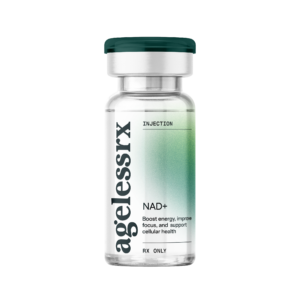
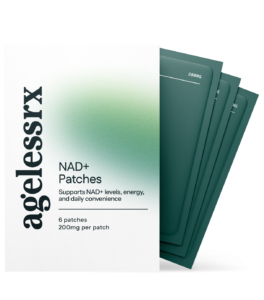
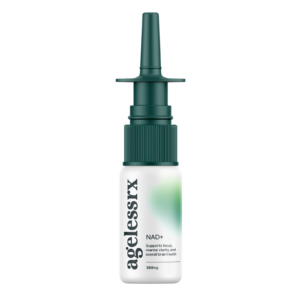
- Injectable, nasal, and transdermal NAD+ formats: bypass digestion entirely, offering more reliable delivery and better bioavailability than oral options
Note: The above statements have not been reviewed by the Food and Drug Administration. This product is not intended to diagnose, treat, cure, or prevent any disease.