When aches, pain, and inflammation start changing how you live, we’re here to help you change the story—with expert care built around getting you back to you.
When pain and inflammation are always in the equation, you plan your life around your body—what you can do, what you’ll have to skip, and how you’ll feel tomorrow.
We’re here to help change that equation, so you can spend less time managing how you feel and more time actually living.
Actual results may vary. Data was self reported by 4,472 surveyed customers who checked in with their provider between second and third check-in dates between 3/1/25 and 2/9/26. All respondents are AgelessRx Low Dose Naltrexone customers who were approved for a prescription after completing an assessment with a medical provider.
What progress can look like
Day 1
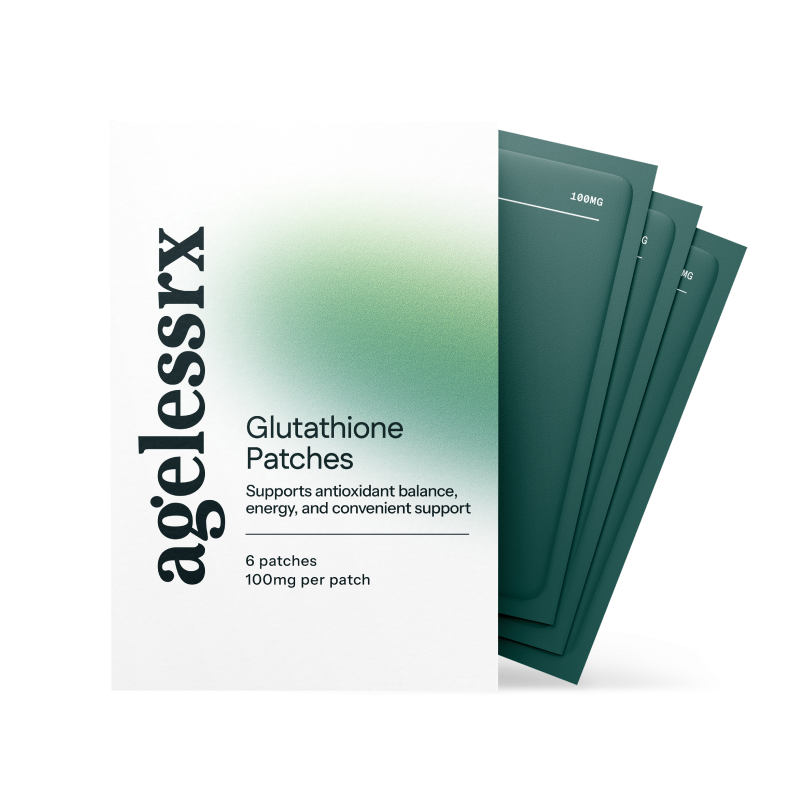
The pathways start shifting. LDN may begin influencing opioid and immune signaling, while Glutathione and NAD+ may support antioxidant defenses and cellular energy.2 3 4
30 Days
Inflammatory signaling may start to quiet. LDN may help modulate neuroimmune activity, while Glutathione helps reduce oxidative stress that can fuel inflammation.2 4
3 Months
Cells may have more room to recover, potentially resulting in better inflammatory and oxidative balance to support less pain, easier recovery, steadier energy, and clearer thinking.1 2
6 Months
The goal becomes better balance. LDN, Glutathione, and NAD+ may continue supporting immune signaling, redox balance, and cellular energy with continued use.2 3 4
1 Year and Beyond
By supporting inflammatory balance, antioxidant defenses, and cellular energy, the goal is to help protect the function and resilience that matter as you age.2 3
Day 1
The pathways start shifting. LDN may begin influencing opioid and immune signaling, while Glutathione and NAD+ may support antioxidant defenses and cellular energy.2 3 4
30 Days
Inflammatory signaling may start to quiet. LDN may help modulate neuroimmune activity, while Glutathione helps reduce oxidative stress that can fuel inflammation.2 4
3 Months
Cells may have more room to recover, potentially resulting in better inflammatory and oxidative balance to support less pain, easier recovery, steadier energy, and clearer thinking.1 2
6 Months
The goal becomes better balance. LDN, Glutathione, and NAD+ may continue supporting immune signaling, redox balance, and cellular energy with continued use.2 3 4
1 Year and Beyond
By supporting inflammatory balance, antioxidant defenses, and cellular energy, the goal is to help protect the function and resilience that matter as you age.2 3
Disclaimer
The above statements have not been evaluated by the Food and Drug Administration. These product(s) are not intended to diagnose, treat, cure, or prevent any disease. Prescription products require an online evaluation with a licensed medical professional who will determine if a prescription is appropriate. Products are compounded by a licensed pharmacy. The FDA has not reviewed or approved compounded products for any use for safety, efficacy, or quality. See individual product pages for important safety information. Benefits outlined on AgelessRx.com are based on 3rd party studies. Medication is offered as a subscription service which you can cancel at any time. Actual product packaging may appear differently than shown.
Find your starting point
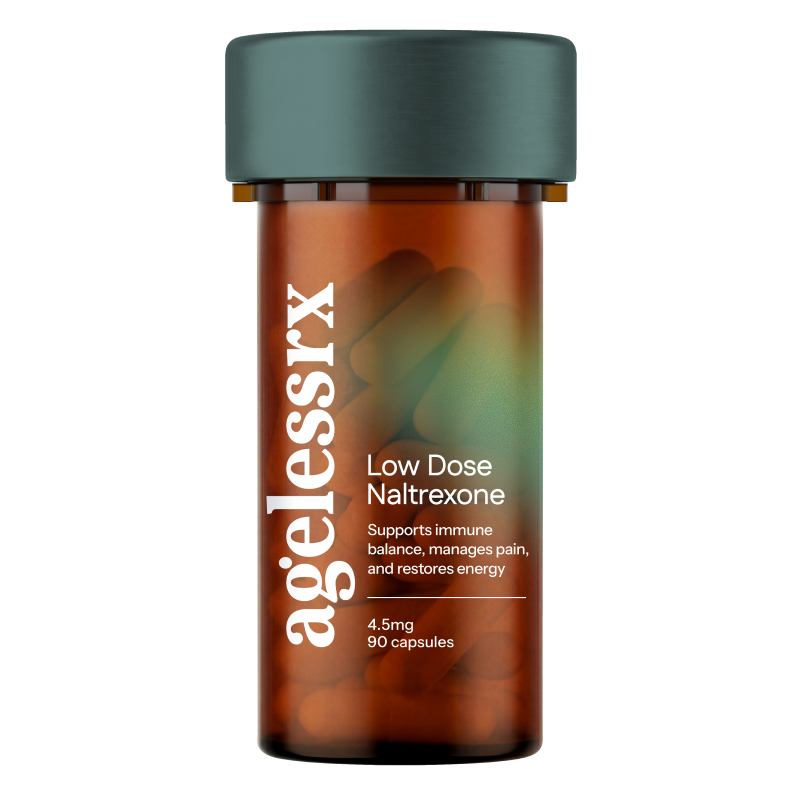
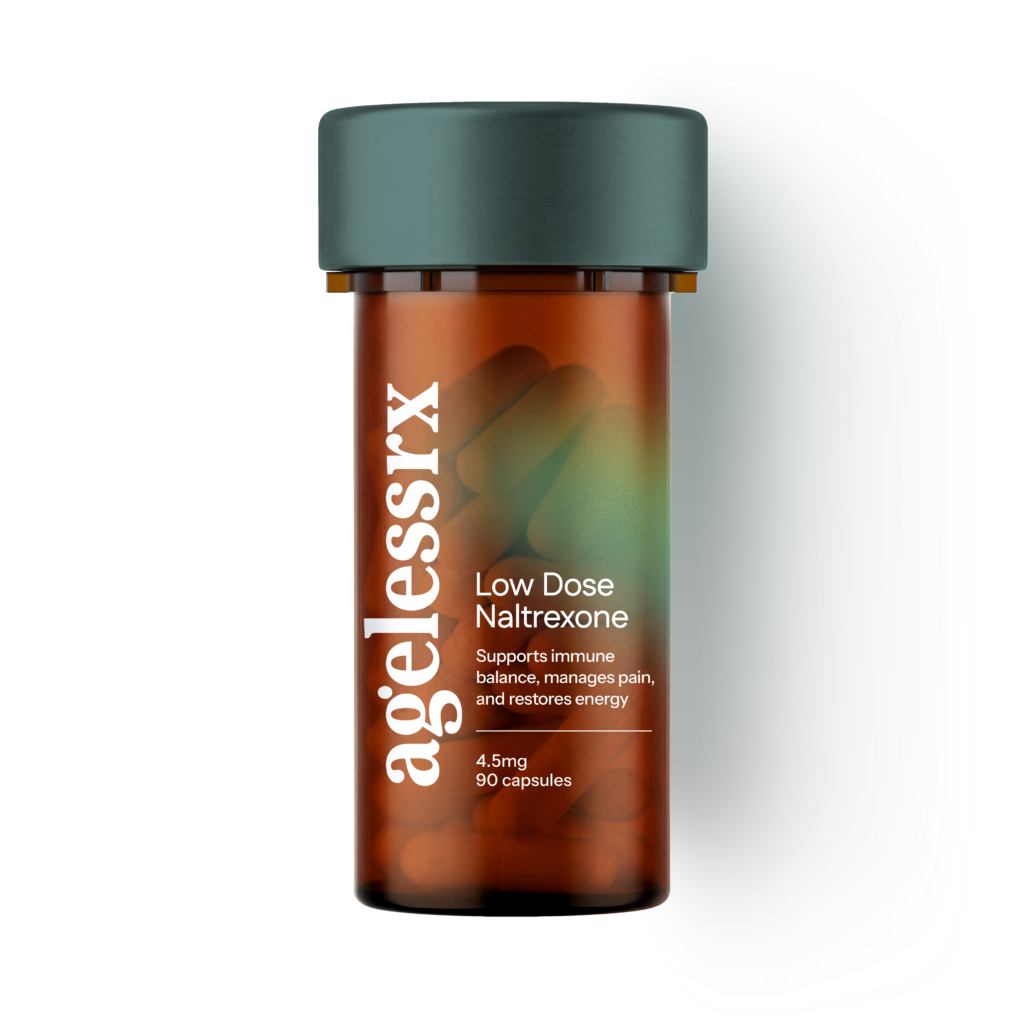
Low Dose Naltrexone (LDN)
Starting at $25/mo
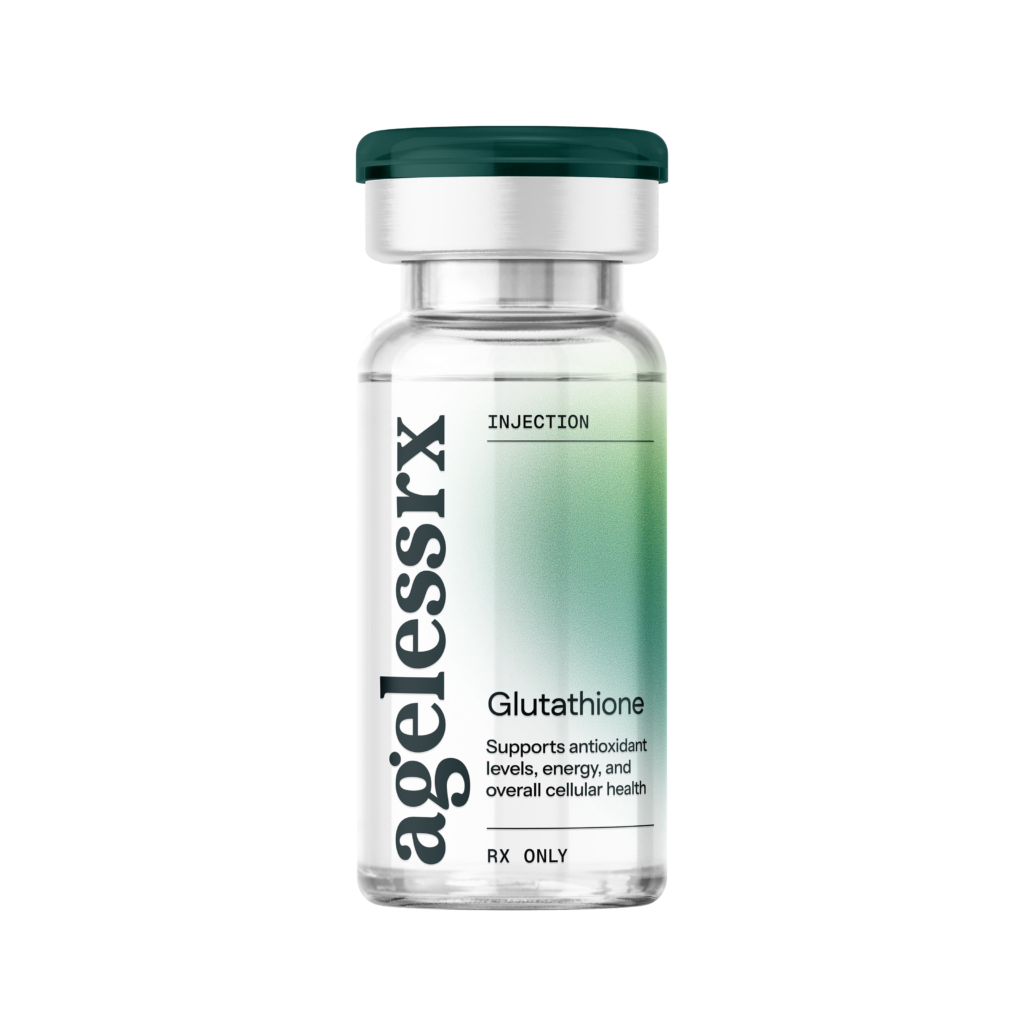
Glutathione Injection
Starting at $99/mo
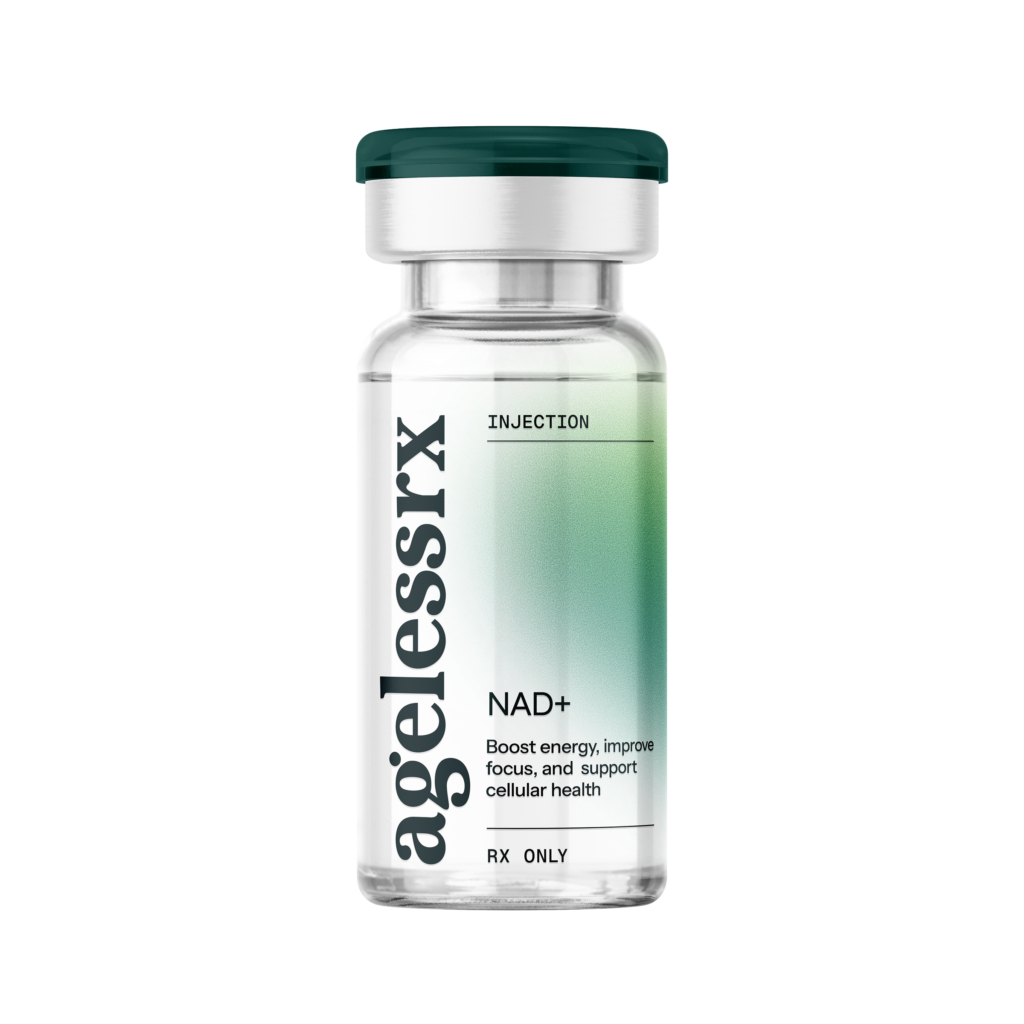
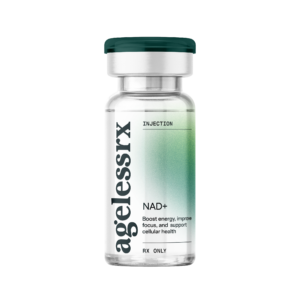
NAD+ Injection
Starting at $79/mo
Delivery
Pill
Injection
Injection
Frequency
Daily
Up to 5x/week
Up to 5x/week
Benefits
Supports pain, fatigue, inflammation, and immune balance¹
Actual results may vary. Data was self-reported by 20,574 surveyed Low Dose Naltrexone customers, 1,346 surveyed Glutathione Injection customers, and 4,035 surveyed NAD+ Injection customers who checked in with their provider on their second check-in between 4/11/22-2/5/26 regarding overall benefits, pain, inflammation, and/or energy. All respondents are AgelessRx customers who were approved for a prescription after completing an assessment with a medical provider.
Dive deeper
Care backed by our in-house experts
Our clinicians and Stanford PhD-led Research Team help turn emerging science into practical, personalized care, so you don’t have to piece it together on your own.
Individual results may vary. Testimonials are not a guarantee of future results.
You shouldn’t have to become your own expert for relief
When you’re dealing with pain, inflammation, or autoimmune-related symptoms, it can start to feel like managing your health is a second job.
That’s where expert care matters. Our clinicians help you understand your options, monitor how you’re responding, and adjust your plan as your needs change.
Your body’s clock is running 6 years younger than your chronological age.
This educational content medically reviewed by our experts
Dr. Jenell Decker, MD
Medical Director
Trusted expert in preventative care, integrative medicine, and longevity driven clinical practice.
Marshall University Joan C. Edwards School of Medicine
East Carolina University
Concord University
Frequently asked questions
01What is chronic inflammation?
Inflammation is one of the body’s normal ways of responding to injury, infection, and stress.
Sometimes inflammatory signaling stays elevated longer than it needs to. Persistent low-grade inflammation can affect multiple systems throughout the body and is being studied for its relationship to pain, fatigue, immune function, metabolism, and aging.
02What does inflammation have to do with autoimmune conditions?
Autoimmune conditions involve the immune system reacting against the body’s own tissues. That immune activity can contribute to inflammation and symptoms such as pain, stiffness, fatigue, and other effects that vary by condition.
Autoimmune conditions require appropriate medical evaluation and care. AgelessRx treatments are not a replacement for necessary primary or specialist care.
03Why is Low Dose Naltrexone used for inflammatory support?
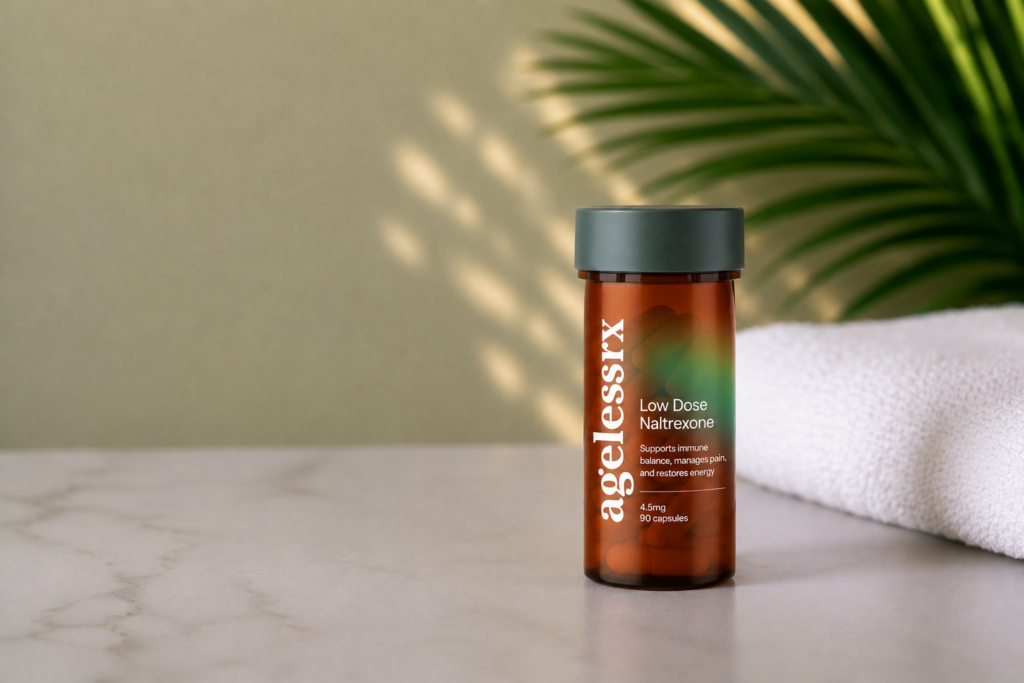
Naltrexone is FDA-approved at standard doses for alcohol and opioid use disorders.5 Low Dose Naltrexone, or LDN, refers to much smaller doses used off-label.
Research suggests LDN may influence endorphin, immune, and inflammatory signaling.4 These mechanisms have made it an area of interest across pain, fatigue, inflammatory symptoms, and quality of life.
A licensed provider will review your health history to determine whether LDN may be appropriate for you.
04Why does finding the right LDN dose matter?
LDN response can be highly individual. Some people do well at lower doses, while others may need gradual adjustments over time. More isn’t automatically better.
Your provider can review how you’re responding and adjust your dose based on benefits, side effects, and your individual needs, so you aren’t left troubleshooting it alone.
05What if I don't know what's causing my pain or fatigue?
Your provider will review your symptoms, medical history, medications, and goals to determine whether one of the treatments we offer may be appropriate. If your symptoms need diagnostic testing or care outside our scope, you’ll be directed toward appropriate care.
06How long does LDN take to work?
Response varies from person to person. Some people notice early changes within the first few weeks, while others may need several months.1
What we hear most often outside of specific benefits is what starts becoming possible again—easier movement, clearer thinking, steadier energy, or recovering from activity without losing the next day. Individual results vary.
Your provider can monitor your progress and adjust your dose over time based on how you’re responding.
Ain’t no reference deep enough
We go deep on the research so you don’t have to. Here’s what the science says.
1
This real-world observational study of thousands of Low Dose Naltrexone users in a normative aging cohort found the majority reported improvements in quality of life, pain, energy, and immune health metrics.
2
This review describes glutathione as a master antioxidant that protects against oxidative stress, aging, and damaging inflammation, and links its depletion to chronic inflammatory disease.
3
This double-blind crossover study found that nicotinamide riboside (an NAD+ precursor) improved redox homeostasis and exercise performance in older adults.
4
This review explains how Low Dose Naltrexone modulates endorphin (opioid) signaling and reduces immune/inflammatory activity by acting on Toll-like receptor 4, across conditions such as fibromyalgia, Crohn’s, and multiple sclerosis.
5
Naltrexone is FDA-approved at standard doses for the treatment of alcohol use disorder and opioid dependence (oral naltrexone approved 1984 for opioid blockade and 1994 for alcohol dependence).