Wolverine Peptide Stack:
How does it work?
The Wolverine Stack pairs BPC‑157 and TB‑500, two peptides studied separately for tissue repair and recovery.
One thing to be clear about: there is no published human research studying the two together. The one small series that exists reported benefits, but it used Thymosin Beta-4, not TB‑500.5
What the Wolverine Stack supports


How does the Wolverine Peptide Stack work?
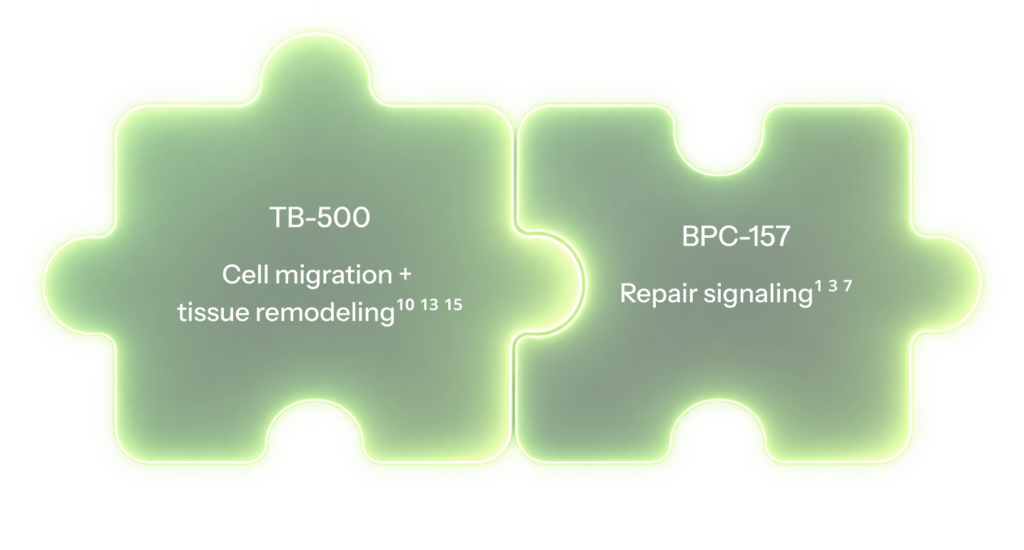
Think of repair as needing both a signal and a way to respond. BPC-157 is studied across the signals involved in repair, while TB-500 is studied more heavily for how repair cells move and tissue reorganizes.
The Wolverine Stack brings both approaches together in one protocol.
Two peptides, each studied for a different part of the body’s repair.

Wolverine Peptide Stack benefits

What we still don’t know about the Wolverine Peptide Stack
The AgelessRx Peptide Standard
Choose the experts in peptide care
Sermorelin Injection
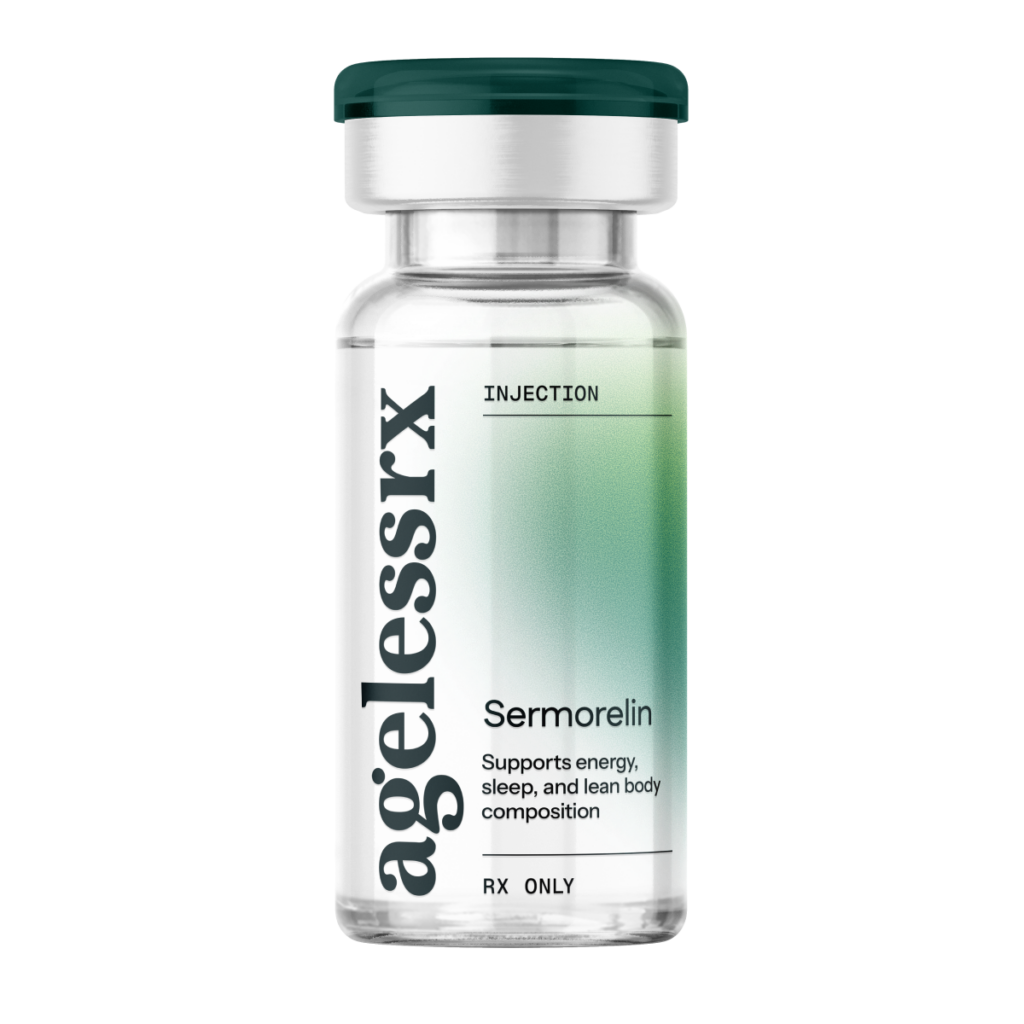
Supports energy, lean muscle mass, and strength by encouraging the body to replenish its own growth hormone gradually—without the risks of synthetic HGH.
PT-141 Injection
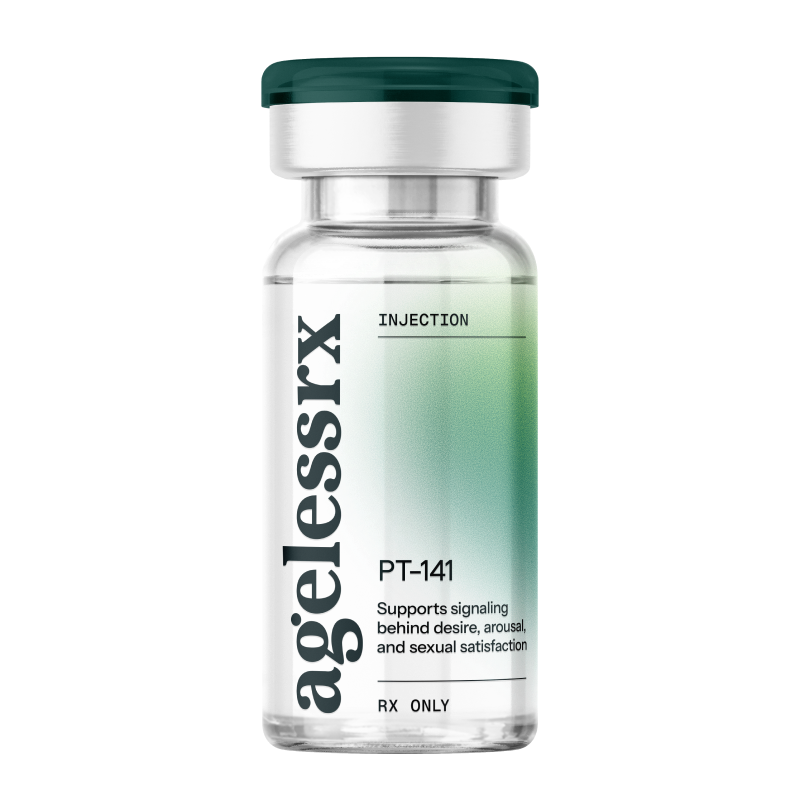
When attraction is still there but desire isn’t, support the brain pathways behind arousal and responsiveness—helping intimacy feel more natural again.
GHK-Cu Copper Peptide Cream
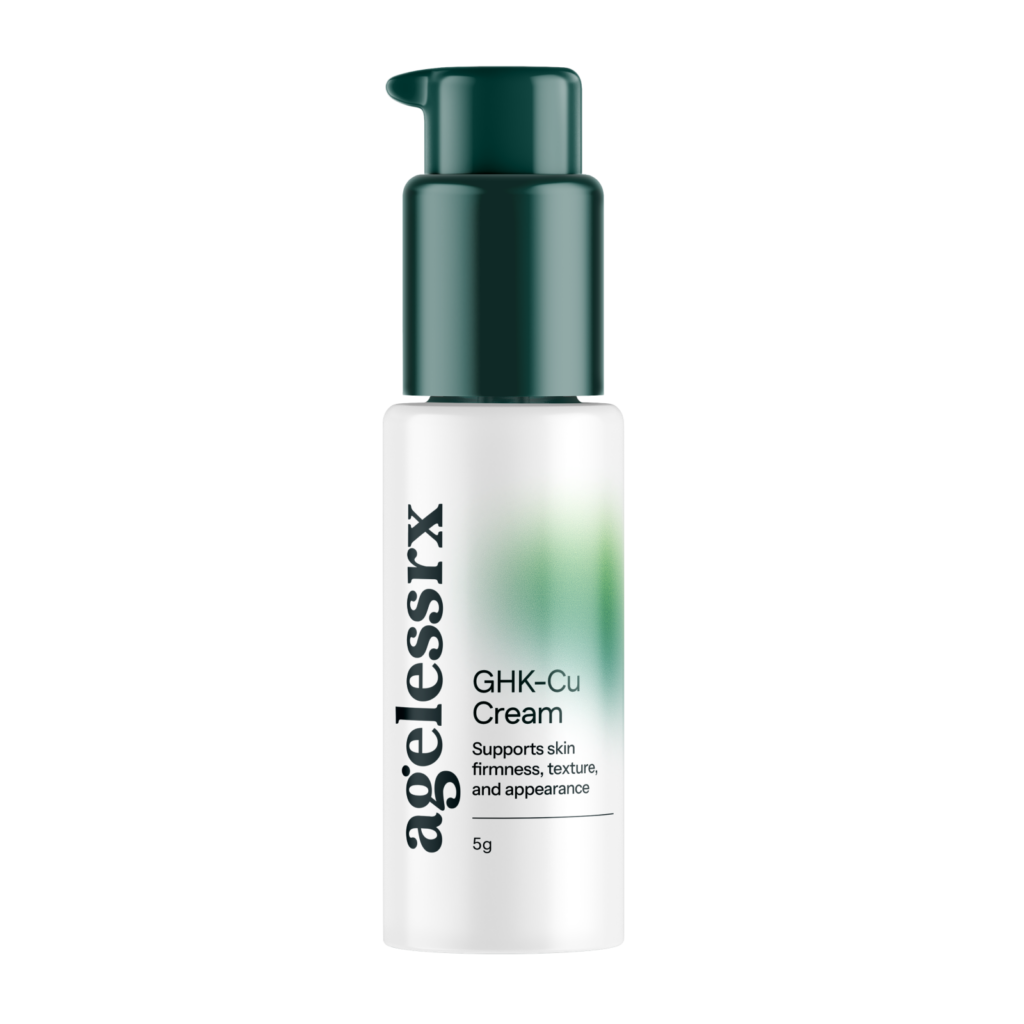
Support firmer, smoother-looking skin with a naturally occurring copper peptide that helps restore the repair and renewal processes that decline with age.
Sermorelin Nasal Spray
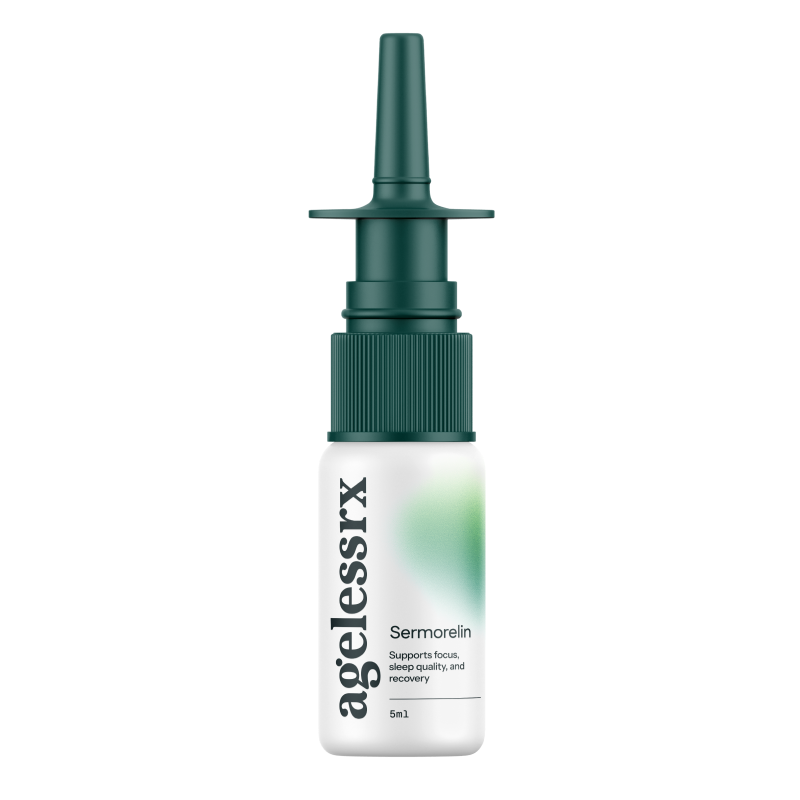
A targeted nasal spray that may support natural growth hormone signaling in the brain, helping promote deeper sleep, clearer thinking, and balanced recovery without injections.

Frequently asked questions
It combines two synthetic peptides, BPC‑157 and TB‑500, that are each studied for tissue repair and recovery. The name refers to the idea of fast healing; it is not a claim about results.
Preclinical studies suggest BPC‑157 acts on angiogenesis and inflammatory signaling, while the parent protein of TB‑500 acts on cell migration and tissue remodeling, pathways thought to be complementary.
The individual peptides are being studied for possible effects involving tissue-repair signaling, inflammation, angiogenesis, cell migration, and soft-tissue healing. However, these potential benefits come primarily from separate preclinical studies of BPC‑157, TB‑500 or Thymosin Beta-4. They have not been established in human trials of the Wolverine Stack combination.
Not really. No published human trial tests BPC‑157 and TB‑500 together. The parent protein of TB‑500 has small human studies, like a dry-eye trial that missed its main goals and an early safety study, but the combination has not been tested.9 10
Additionally, most cited studies tested the individual peptides or the parent molecule, not the BPC-157 + TB-500 combination.
No. BPC-157 and TB-500 are not FDA approved for human use. In July 2026, an FDA advisory committee (PCAC) reviewed both peptides and recommended them for possible inclusion on the 503A Bulks List, which would allow compounding under certain conditions. That recommendation is non-binding, and the FDA has not completed the formal rulemaking required before any such change takes effect.
We’re tracking this process closely because, if the FDA does add BPC-157 and TB-500 to the Bulks List, it could open the door for us to offer them and the Wolverine Stack in the future.
No. BPC‑157 and TB‑500 are different synthetic peptides studied for different biological processes. BPC‑157 research focuses more heavily on repair signaling, inflammation, angiogenesis, and gastrointestinal tissue. TB‑500 research focuses more heavily on actin, cell movement, blood-vessel formation and tissue remodeling.
Benefits described here are based on third-party studies, most of which are preclinical, and none of which tested the two peptides together. The FDA has not reviewed or approved the Wolverine Stack for any use.