Before
Inject into the abdomen or thigh at least 45 minutes before intimacy, giving the peptide time to absorb and reach the brain.1
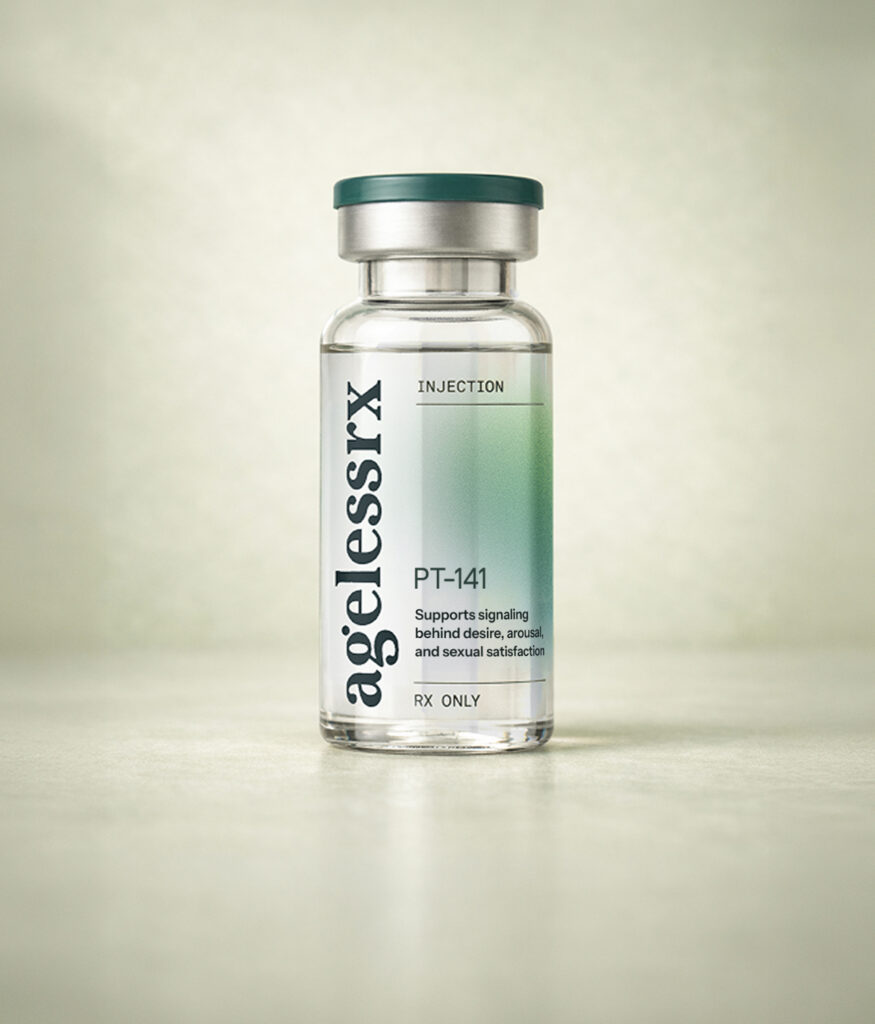

When attraction is still there but desire isn’t, support the brain pathways behind arousal and responsiveness—helping intimacy feel more natural again.
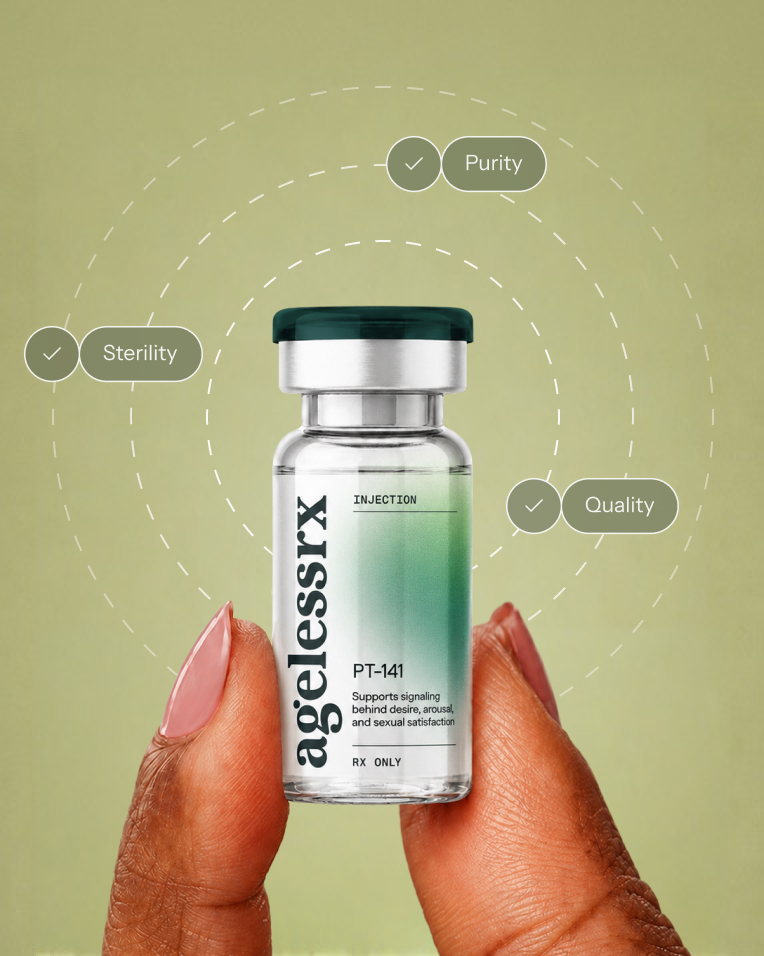
PT-141 (Bremelanotide) is a melanocortin receptor agonist peptide that works through the central nervous system to support sexual desire and arousal.1 It acts on pathways in the brain involved in sexual response rather than directly affecting blood flow—the same active ingredient FDA-approved as Vyleesi® for low sexual desire in premenopausal women.3
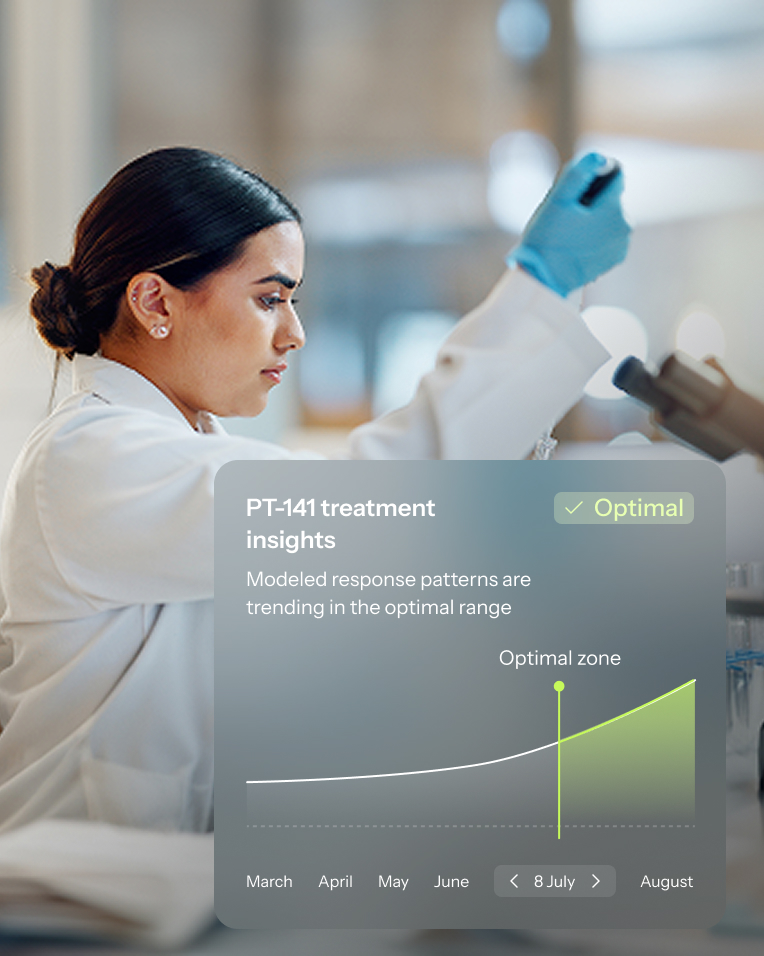
PT-141 activates melanocortin receptors in the hypothalamus, the brain region associated with regulating sexual motivation and arousal signaling.1 This receptor activation is understood to increase dopamine signaling in the same circuits—the brain’s actual desire and reward pathway, not a downstream effect of physical arousal. This may help enhance sexual interest, responsiveness, and satisfaction in both men and women.1
Individual results vary, and benefits are not guaranteed. Some users may experience increased sexual desire and libido, improved arousal response, enhanced sexual satisfaction, and improved overall mood and motivation.1 3 4
PT-141 Injection is used on demand as directed before sexual activity. If prescribed, a US-licensed medical provider will provide your personalized dosage and treatment instructions.
The most common side effects of PT-141 include nausea, facial flushing, headache, fatigue, temporary increase in blood pressure, and/or mild irritation and sensitivity. These side effects are typically mild and often go away on their own within a week or two.
For a full list of side effects, please review Mayo Clinic’s Bremelanotide resources.
PT-141 may have the following interactions with certain drugs:
Please read the full list of possible drug interactions with PT-141 (Bremelanotide).
PT-141 is intended for adults only. Your prescriber may ask you for additional information if you have cardiovascular risk factors or severe liver or kidney disease. Never inject PT-141 into the penis or vaginal area—follow your provider instructions exactly as given.
Do not use PT-141 if you have uncontrolled high blood pressure or if you have significant heart dysfunction (ejection fraction <50% or NYHA Class 3 or greater).
Do not use PT-141 if you have an active cancer, or if you have had cancer within the last two years.
Do not use PT-141 if you are pregnant, breastfeeding, or planning to become pregnant or breastfeed. If you become pregnant during treatment, discontinue immediately and consult your OB.
Though rare, allergic reactions to PT-141 are still possible. If you notice any shortness of breath or swelling around your face, tongue, or throat after using PT-141, stop use and contact emergency services right away.
Note: The above statements have not been evaluated by the Food and Drug Administration. This product is not intended to diagnose, treat, cure, or prevent any disease.
Disclaimer

Conventional sexual health treatment has mostly focused around blood flow while leaving the actual starting point, desire itself, unaddressed, especially for women.
PT-141 works through melanocortin pathways in the brain that may help spark arousal at the source, reconnecting desire with physical responsiveness so intimacy can feel natural again.1 3
Reported increased sexual satisfaction.






Clinically studied
Sexual desire is often treated as a purely physical experience, but it’s fundamentally generated by signaling pathways in the brain.1 This signaling declines with age and stress, impacting libido, desire, and overall brain health.7 8
PT-141 works directly on brain pathways involved in generating sexual desire and arousal.1 Unlike therapies that primarily focus on blood flow, PT-141 is understood to cross the blood-brain barrier to potentially act on pathways associated with sexual responsiveness, helping support the brain-body connection involved in intimacy.1 3
$149/first month
Applies to first month ($199/mo after)
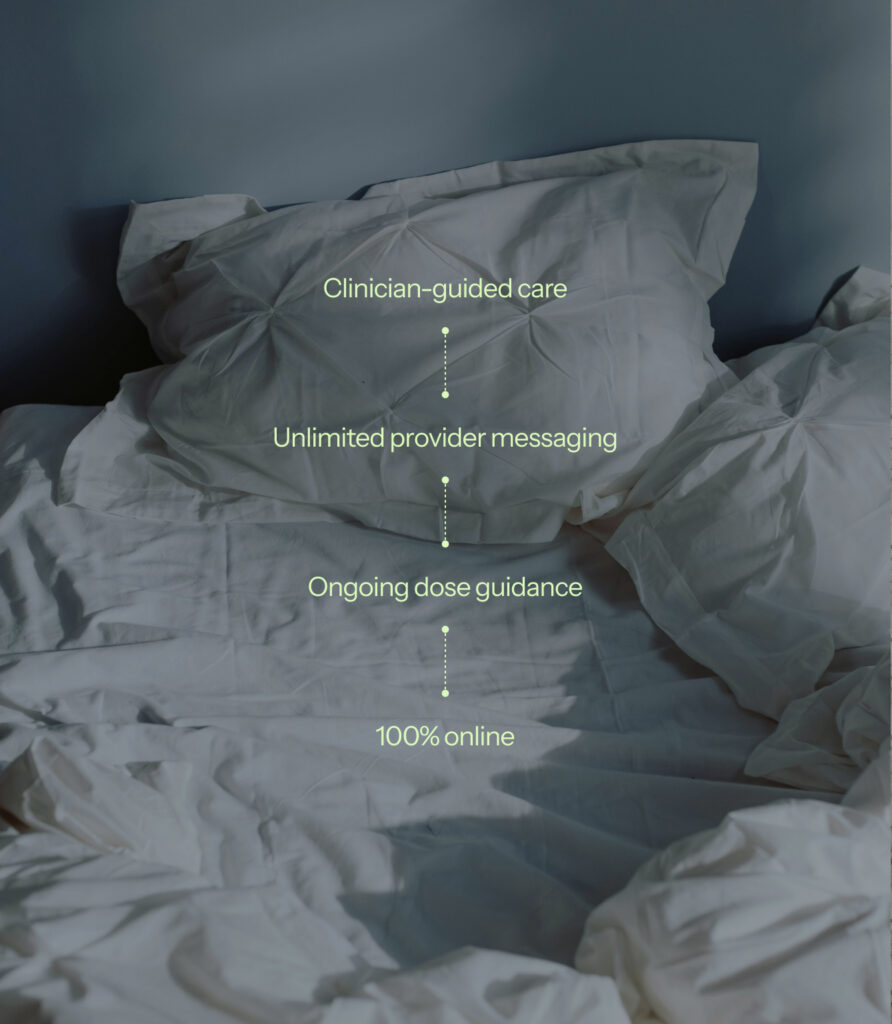
What’s included




Disclaimer
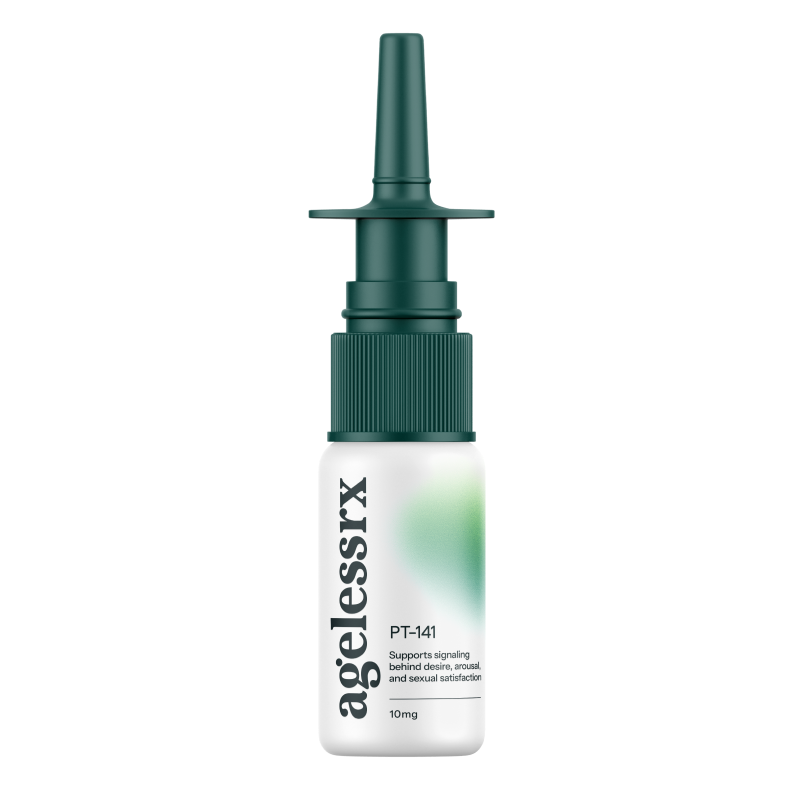
When attraction is still there but desire isn’t, support the brain pathways behind arousal and responsiveness with a fast-acting, needle-free option for men and women.
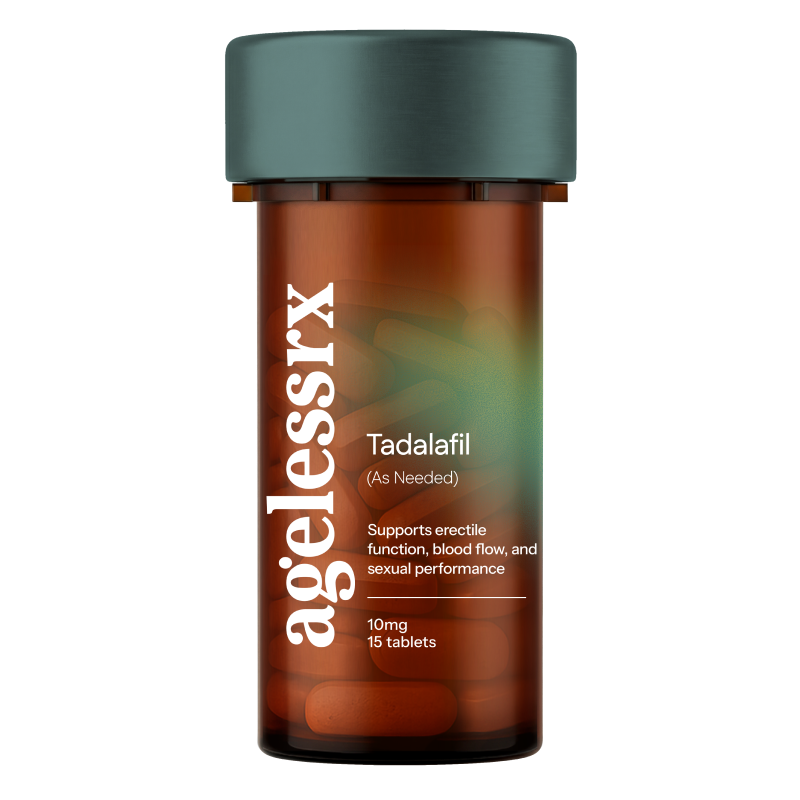
Support stronger, longer-lasting erections for up to 36 hours with the same active ingredient in Cialis®, so intimacy can fit your life instead of the other way around.
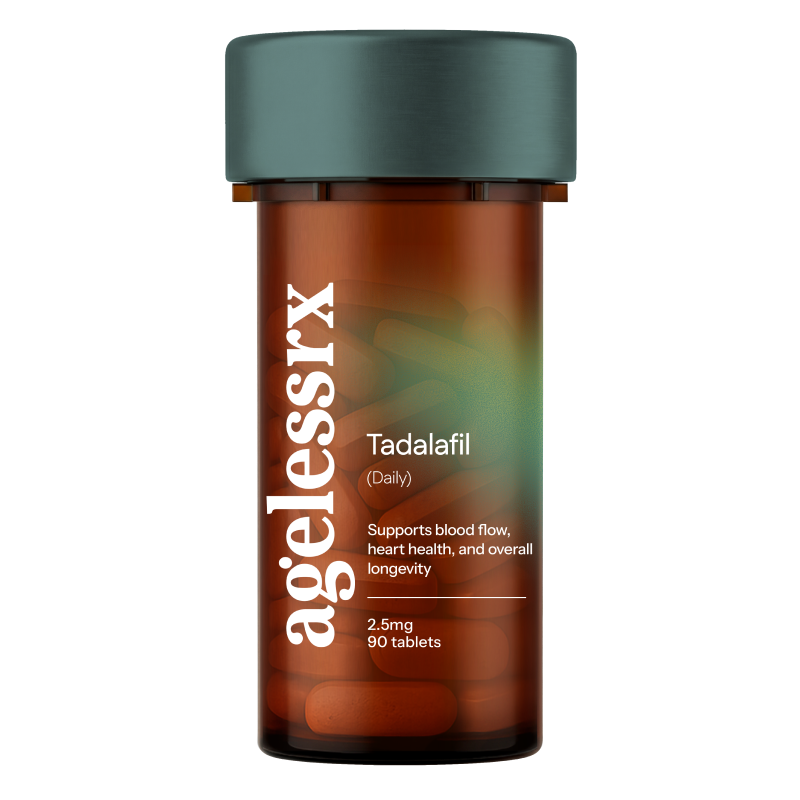
One low daily dose for both men and women that may help blood vessels stay relaxed and responsive, supporting circulation to the heart, brain, muscles, and organs for years to come.




PT-141 typically begins working within 45-60 minutes. Response timing varies based on dose, metabolism, and individual user sensitivity.1 PT-141 is used on an as needed basis. Do not use more than one dose in 24 hours or exceed the weekly dosing limits provided by your provider. Do not exceed 8 doses per month.
Most common side effects include nausea, flushing, headache, and temporary increase in blood pressure. Users of PT-141 Nasal Spray may experience post-nasal drip to the throat. Nausea is most likely with your first couple of doses, which is why many providers recommend a test dose before bed—at a time you’re not planning on intimacy—so you can see how your body responds without it affecting an actual moment.
Less common but more serious reactions may include allergic reactions (rash, swelling, hives), significant hypertension, bradycardia, and acute hepatitis. Stop use and contact your provider if significant or concerning symptoms occur. Seek immediate medical care for difficulty breathing or signs of a severe allergic reaction.
Tadalafil and similar medications support blood flow once arousal is already present—they help the body respond, but they don’t create desire itself.6 PT-141 works upstream of that, on the brain pathways that generate sexual motivation in the first place.1 Some people use both, guided by their care team, since they address genuinely different parts of the process rather than competing with each other.
Note: combining PT-141 with PDE-5 inhibitors carries an interaction risk (increased risk of priapism) and should only be done under direct clinician guidance.
Yes. Vyleesi’s FDA approval is specific to premenopausal women with hypoactive sexual desire disorder based on two large Phase 3 clinical trials showing significant improvement in desire and reduction in related distress compared to placebo.1 Compounded PT-141 Injection is prescribed off-label to both men and women based on individual evaluation.