
What Actually Treats Chronic Fatigue?

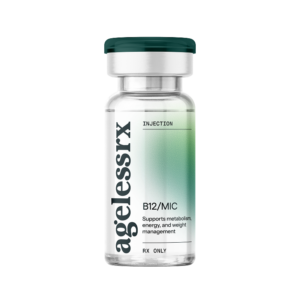


Chronic fatigue doesn’t have one universal treatment because fatigue can come from very different biological drivers. Low Dose Naltrexone (LDN), NAD+ Injections, and B12/MIC Injections each target a different potential contributor, including neuroinflammation and immune dysregulation, mitochondrial energy production, and nutrient deficiency.
If you are exhausted even after getting enough sleep, simply trying to “boost energy” may miss the reason you are tired in the first place. The better question is not merely what can give you more energy, but what is actually driving your fatigue and which interventions have evidence behind them.
Key takeaways:
- Chronic fatigue can have many different underlying drivers
- LDN, NAD+, and B12/MIC target different pathways connected to fatigue
- The right approach depends on what may be contributing to your fatigue
- Lifestyle habits matter, but may not address every underlying driver
- Evidence varies widely across fatigue treatments
How the Main Options Compare
A structured comparison can help cut through the noise. Here is how the main options line up across evidence strength, likely fit, and realistic limitations.
|
Intervention |
What it is |
What the evidence shows |
Evidence strength |
Who it may suit |
What it won’t do |
|---|---|---|---|---|---|
|
Low Dose Naltrexone (LDN) |
Compounded, off-label use of naltrexone at doses below 10 mg |
Studies in chronic fatigue syndrome and long COVID suggest reductions in fatigue and inflammation |
Moderate (mostly small trials, observational data) |
Those with immune dysregulation, neuroinflammation, or post-viral fatigue |
Replace sleep, correct nutritional deficiencies, or work overnight |
|
NAD+ Injections |
Subcutaneous injectable form of NAD+, bypassing gut breakdown |
Small trials using NAD+ precursors show improvements in energy and fatigue index; injectable delivery may raise NAD+ levels more reliably than oral forms |
Moderate (precursor-based RCTs; limited injectable-specific human data) |
Those with mitochondrial fatigue, age-related energy decline, or post-exertional symptoms |
Correct underlying hormonal or thyroid issues |
|
B12/MIC Injections |
Injectable B12 combined with methionine, inositol, and choline |
B12 deficiency is a documented driver of fatigue; MIC compounds support liver metabolism |
Moderate for B12; limited for MIC alone |
Those with B12 deficiency, Metformin users with B12 depletion, or people seeking metabolic support alongside energy goals |
Substitute for correcting root inflammatory causes |
|
CoQ10 / NADH |
Over-the-counter supplements supporting mitochondrial electron transport |
Some small trials show symptom reduction in chronic fatigue syndrome; results are inconsistent across studies |
Low |
Those seeking accessible, low-risk add-ons alongside other interventions |
Reliably reproduce effects across individuals; evidence remains inconclusive |
|
Lifestyle interventions |
Sleep, pacing, and nutrition |
Foundational supporting evidence; pacing strategies show particular benefit in post-viral fatigue |
High as a foundation; limited as standalone treatment for severe cases |
Nearly everyone, as a baseline requirement regardless of other interventions |
Resolve clinically serious fatigue on their own in most chronic cases |
Does LDN Help with Chronic Fatigue?
Low Dose Naltrexone (LDN) may help with chronic fatigue when inflammation or immune dysregulation is part of the picture. It works through two overlapping pathways that may influence how the brain and immune system respond to inflammation.
First, LDN temporarily blocks opioid receptors, which may lead to a rebound increase in the body’s natural endorphins and support immune regulation. It may also influence TLR4 signaling on glial cells, a pathway involved in neuroinflammation. Put simply, the goal isn’t to create a temporary burst of energy, but to influence one of the pathways that may be contributing to why you feel so drained in the first place. This is one reason LDN has gained attention for conditions associated with persistent fatigue, including ME/CFS and long COVID, as well as other conditions studied in LDN research.
Published research supports LDN’s potential anti-inflammatory effects, while clinical evidence continues to develop. LDN is typically started at a low dose and increased gradually. Protocols commonly begin at 1.5 mg daily, with increases every 10 to 14 days toward 4.5 mg based on individual response. Slow titration may also help manage early side effects, such as vivid dreams or mild insomnia. As with any fatigue intervention, individual response varies, which is why finding the right dose and monitoring symptoms over time matter.
Can NAD+ Improve Energy and Fatigue?
NAD+ may support energy and fatigue by targeting one of the processes cells rely on to produce energy: mitochondrial function. NAD+ is a coenzyme involved in ATP production and also supports sirtuins, proteins involved in cellular repair and metabolic regulation. Think of mitochondria as your cells’ energy-producing machinery. When that machinery isn’t working as efficiently, simply getting another hour of sleep may not solve the whole problem.
The challenge is that NAD+ levels decline with age, which may contribute to changes in cellular energy production. Oral precursors such as NMN and NR must be absorbed and converted into NAD+ inside the body. NAD+ Injections take a more direct delivery route by bypassing digestion.
Most human studies have looked at NAD+ precursors instead of direct NAD+ Injections, so research on injectable NAD+ is still developing. However, a small acute study in older men using an NAD+ precursor reported improvements in fatigue and physical function measures. NAD+ also plays a role in mitochondrial energy production, providing a clear biological rationale for continued research.
For people whose fatigue may involve age-related changes in cellular energy production, NAD+ offers a targeted way to support that pathway. NAD+ dosing and expected response should be discussed with a clinician based on individual health history and goals.
What Does B12/MIC Do for Fatigue?
B12/MIC Injections may be most relevant when fatigue is connected to B12 deficiency or inadequate B12 status. Vitamin B12 plays a key role in red blood cell formation and nervous system function, and low levels can contribute to fatigue, brain fog, and reduced physical endurance.
B12 Injections bypass the digestive system, which can be useful when oral absorption is impaired. This is especially relevant for people with absorption problems or other factors that put them at greater risk of B12 deficiency.
The MIC portion adds methionine, inositol, and choline, nutrients involved in processes such as liver and lipid metabolism. While the direct evidence for MIC and chronic fatigue is more limited than it is for correcting B12 deficiency, these nutrients provide additional metabolic support alongside B12.
For people with low B12 or other factors affecting B12 status, B12/MIC offers a targeted way to tackle a potential contributor to low energy. If fatigue has another underlying driver, a clinician can help determine whether B12/MIC makes sense on its own or as part of a broader approach.
Is CoQ10 or NADH Effective for Chronic Fatigue?
CoQ10 and NADH may help support energy production, particularly when mitochondrial function is part of the fatigue picture. Both play a role in the mitochondrial electron transport chain, which is essentially the system cells use to turn nutrients into usable energy.
That connection makes them interesting for chronic fatigue. In a 207-person randomized controlled trial, the supplement group improved from baseline on fatigue and quality of life, though between-group differences were less clear.
So, where exactly do they fit? CoQ10 and NADH are accessible, over-the-counter options that may provide additional mitochondrial support. But chronic fatigue rarely comes down to a single pathway. If inflammation, immune dysregulation, or another biological driver is involved, these supplements may make more sense as one piece of a broader approach instead of the entire strategy.
Do Lifestyle Interventions Work for Chronic Fatigue?
Yes, lifestyle interventions matter for chronic fatigue, but “get more sleep and exercise” is rarely the whole answer. Sleep, movement, nutrition, and stress all influence the same biological systems involved in energy production, recovery, and immune function.
The basics matter more than they sometimes get credit for. Quality sleep gives the body time for cellular repair and recovery. Exercise training supports mitochondrial health and insulin sensitivity. Balanced nutrition provides the raw materials cells need to function, while managing chronic stress can support the hormonal and metabolic processes tied to energy.
Exercise, including resistance training, should be adjusted for anyone who experiences post-exertional malaise, a noticeable worsening of symptoms after physical or mental effort. If that sounds familiar, talk with a clinician about the right type and amount of activity before increasing it.
The important distinction is that lifestyle habits provide the foundation, but they may not cover every reason someone feels chronically tired. Just as a strong foundation is key to a house, these habits create the groundwork for better health, but they’re not always the whole structure. If nutrient deficiency, neuroinflammation, immune dysregulation, or changes in cellular energy production are also contributing, lifestyle changes may work best alongside care that targets those specific drivers.
That’s why chronic fatigue is better approached as a “why” question than a willpower problem. Understanding what is contributing to the fatigue can help a clinician determine which lifestyle changes, treatments, or combination of the two are actually worth pursuing.
What Isn’t Supported by Current Evidence
Some fatigue treatments sound promising because they’re marketed around “energy,” “detox,” or “recovery.” The harder question is whether they have enough clinical evidence to support their use for persistent, biologically driven fatigue.
High-dose IV vitamin cocktails are a good example. Without a confirmed deficiency, IV vitamin therapy has not shown consistent, reproducible benefits for fatigue in peer-reviewed research. A 2025 review looking at IV vitamin therapy found limited evidence for energy and other wellness benefits in otherwise healthy people, while recognizing its clinical value for needs such as nutrient deficiencies and malabsorption.
The same caution applies to broad “detox” protocols, including juice cleanses, lymphatic drainage regimens, and heavy metal chelation without documented toxicity. The liver and kidneys already handle most of the body’s day-to-day clearance work, and there aren’t strong randomized controlled trials showing that these approaches treat chronic fatigue. In many cases, “detox” is more of a marketing term than a reflection of a clearly defined biological process.
Adaptogenic supplement stacks fall into a slightly different category. Some have early evidence for stress-related fatigue, but studies tend to be small, short, and difficult to reproduce across different populations. That makes them interesting areas of research, but not well-proven treatments for chronic fatigue.
There is a common thread here: feeling more energized is not necessarily the same as tackling why the fatigue is happening. If mitochondrial dysfunction, nutrient deficiency, inflammation, or immune dysregulation is contributing, the more useful approach is to identify that driver and choose an intervention that actually targets it.
How to Vet a Chronic Fatigue Intervention Before Starting
Chronic fatigue is a crowded space, and there’s transparently a lot of noise. Not every treatment marketed for energy is backed by the same level of science. You don’t need to understand every biological pathway or read every study yourself. But you should be able to get a clear answer when you ask why a treatment might help. A few practical questions can help separate a thoughtful, clinically grounded approach from a good marketing pitch.
- What is the mechanism? Ask how the intervention is expected to help with your specific fatigue pattern. Is it targeting mitochondrial function, inflammation, nutrient deficiency, immune signaling, or something else? There should be a clear biological rationale beyond simply promising “more energy.”
- How will you know if it is working? Look for a plan to measure progress through lab work, symptom tracking, or regular clinical check-ins. Without monitoring, it is much harder to know whether a protocol is actually helping or needs to change.
- What is a realistic timeline? Many fatigue interventions work gradually over weeks or months, not overnight. Be skeptical of dramatic promises within days unless there is a clear biological explanation and evidence behind them.
- Where does the treatment come from? For compounded treatments, sourcing and quality controls are important. Look for appropriately accredited pharmacies and testing for identity, potency, sterility, and endotoxins when relevant.
- Is there clinical oversight? Prescription treatments should be reviewed alongside your medical history, medications, symptoms, and goals. That extra layer of review is more than a formality. It helps make sure the treatment is tailored to the person instead of applying the same approach to everyone.
How AgelessRx Is Researching Clinician-Guided Fatigue Protocols
AgelessRx has built research into the way we approach longevity care. Our Applied Science Team, led by a Stanford PhD, has completed more than 11 in-house longevity trials and contributed to 9 peer-reviewed publications.
One of the main questions behind this research is how different biological processes associated with aging interact. Changes in NAD+ levels, mitochondrial function, inflammation, and other pathways do not necessarily happen independently. For someone experiencing persistent fatigue, that means there may be more than one factor worth investigating.
The AgelessRx PEARL trial is one example of this work. The 12-month, double-blind, placebo-controlled study included 114 participants and investigated gerotherapeutics in a real-world aging population.
AgelessRx was also selected as an XPRIZE Healthspan Finalist from more than 600 teams across 58 countries. As part of that work, our team is investigating whether combining gerotherapeutics such as LDN, NAD+, and Metformin may offer different healthspan benefits than studying each intervention alone.
What AgelessRx Patients Are Reporting
Clinical trials tell us one part of the story. We also pay attention to what patients tell us during regular check-ins. These outcomes are self-reported and are not results from controlled clinical trials, but they can help us identify patterns and questions worth studying further:
- Low Dose Naltrexone: 85% reported improvement by their 60-day check-in, 69% reported reduced inflammation, and 72% reported reduced pain.
- NAD+ Injections: 82% reported noticing improvements by their 60-day check-in, and 78% reported feeling more energized.
- B12/MIC Injections: 81% reported feeling results by their 60-day check-in, and 83% reported feeling more energized.
These statistics were last updated on October 12, 2026. For the most up-to-date results, visit our Clinical Outcomes page.
This research brings us back to the central idea of this blog. Chronic fatigue can have different underlying contributors, so the goal isn’t simply to find the treatment that promises the biggest energy increase. It’s to understand which biological pathways may be involved and determine, with a clinician, which approach makes sense for the individual.
As the science develops, AgelessRx will continue studying these questions through controlled research and real-world patient data.
Note: The above statements have not been evaluated by the Food and Drug Administration. This product is not intended to diagnose, treat, cure, or prevent any disease.