Heart health
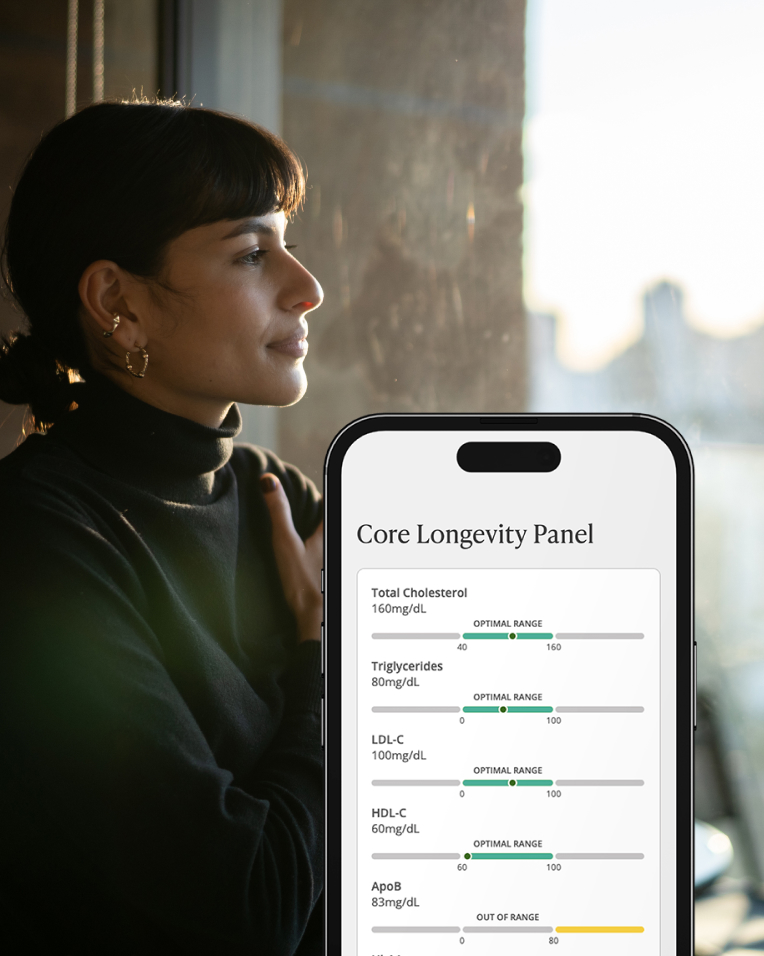
See ApoB, LDL, HDL, triglycerides, and optional Lp(a) for a deeper view of cardiovascular health.
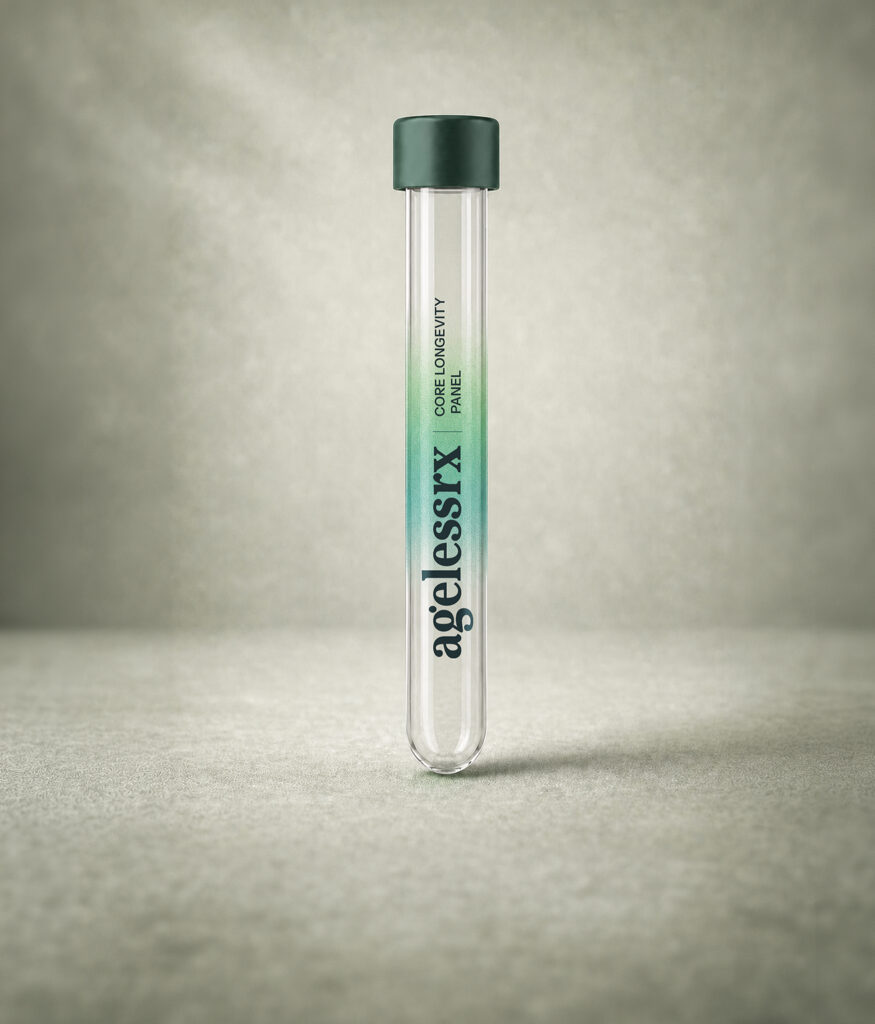
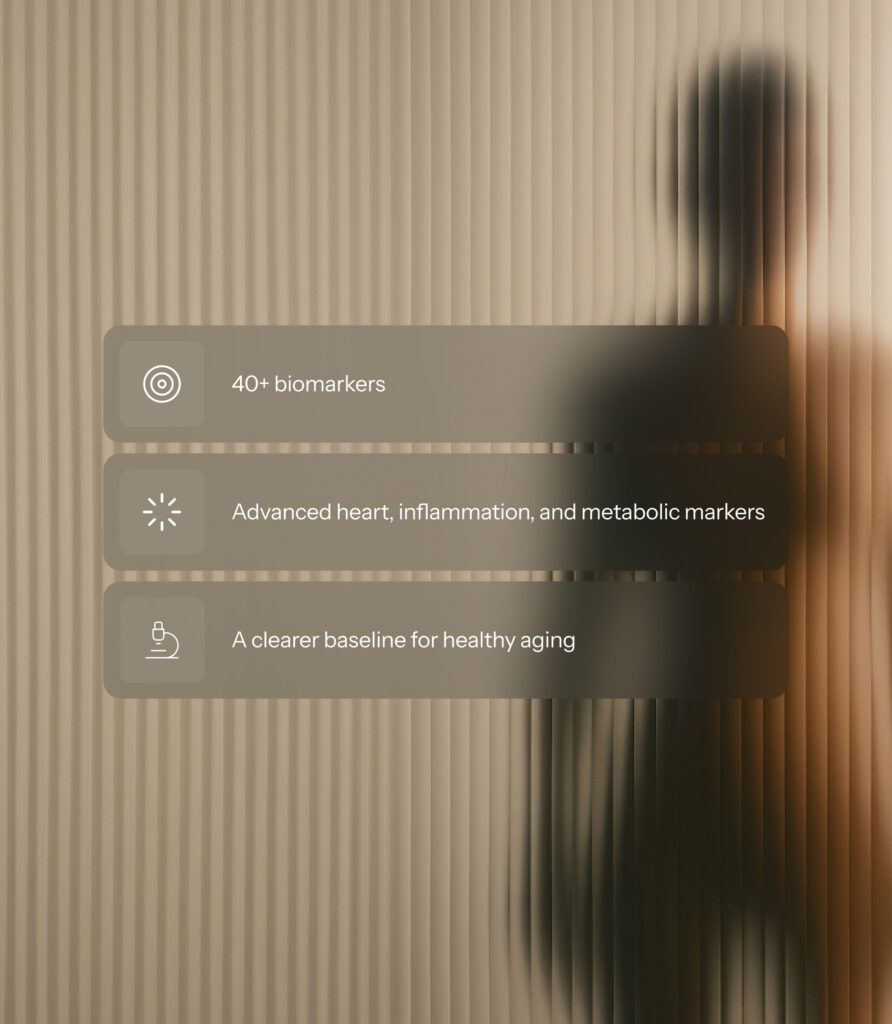
Measure 40+ biomarkers across heart, metabolic, liver, kidney, inflammation, bone, and blood health, including advanced markers your annual labs may not routinely cover.
The panel looks at 40+ biomarkers, grouped into the systems that actually interact with each other: five cardiovascular markers (ApoB, LDL, HDL, triglycerides, and total cholesterol), four metabolic markers (glucose, insulin, HbA1c, and HOMA-IR), plus liver and kidney function markers, and a full CBC covering 14 additional markers tied to immune function, inflammation, and nutrient status. These aren’t read in isolation—your cardiovascular, inflammatory, and metabolic markers are connected, and your report explains how, rather than listing them as unrelated numbers the way a standard workup does.2
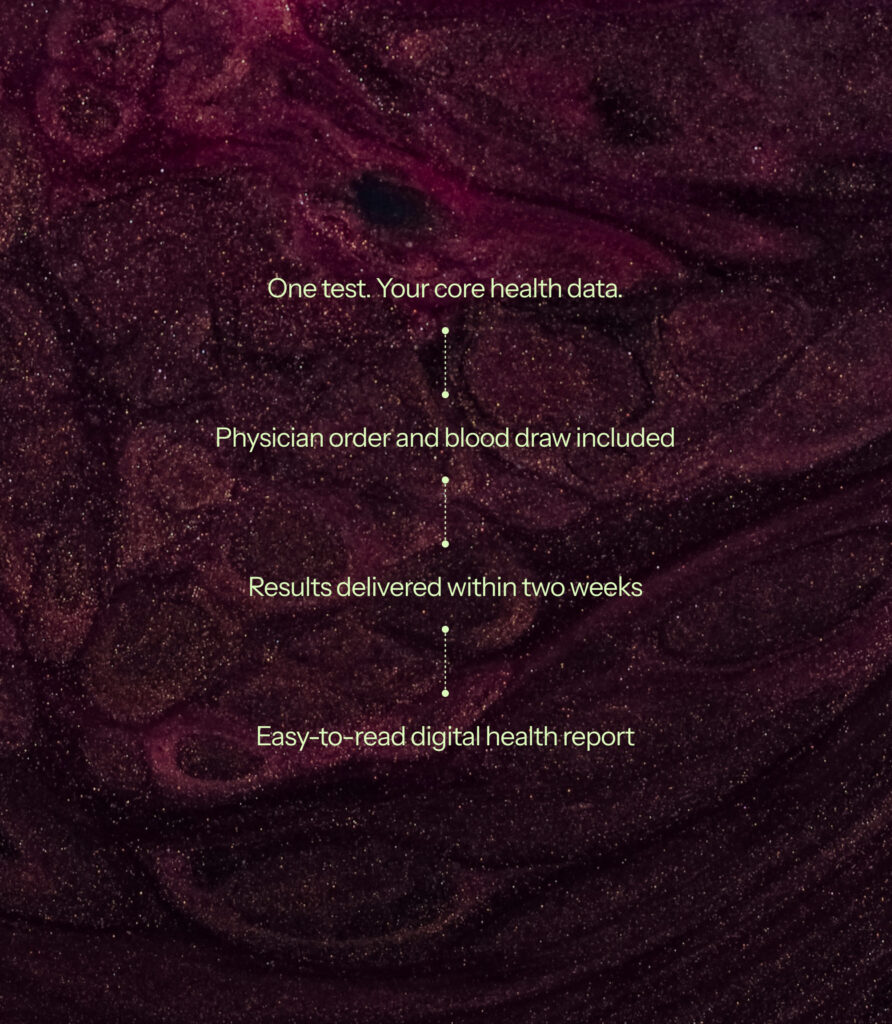
It’s a simple three-step process: order the panel, complete your blood draw at a local lab using the requisition we generate for you, and wait for your results. A physician reviews everything before it lands in your AgelessRx portal, typically within one to two weeks, alongside the full PDF readout straight from the lab.
A standard physical usually covers the basics. This panel goes further into markers like ApoB and HOMA-IR, which can flag heart and metabolic risk earlier than they typically show up on a routine screening and connect them into a single picture of where your risk is actually concentrated, not a list of isolated flags.3 4 It’s meant to work alongside your primary care relationship, filling in some of the gaps a standard checkup tends to miss.
Core Longevity Panel is an in-person blood test completed at your local lab. If prescribed, a US-licensed medical provider will provide specific instructions with your care plan.
The information you learn from the Core Longevity Panel is not designed to independently diagnose, prevent, or treat any condition or disease. This test is intended for research, informational, and educational purposes only. While information might point to a diagnosis or to a possible treatment, it should always be confirmed and supplemented by additional medical and clinical testing and information. We urge you to seek the advice of your physician or healthcare provider if you have questions or concerns arising from your test results.
You should not change your health behaviors solely on the basis of information from the Core Longevity Panel. Make sure to discuss your information, and any possible desired changes, with a physician or other healthcare provider before you act.
Note: The above statements have not been evaluated by the Food and Drug Administration. This product is not intended to diagnose, treat, cure, or prevent any disease.
Disclaimer
Evaluate blood cells, platelets, hemoglobin, calcium, and alkaline phosphatase for broader health insights.
Measure glucose, HbA1c, fasting insulin, and HOMA-IR to understand blood sugar control and insulin resistance.
See ApoB, LDL, HDL, triglycerides, and optional Lp(a) for a deeper view of cardiovascular health.
Measure hs-CRP, a marker of systemic inflammation that adds context to heart and overall health.7
Review key markers of liver function, kidney filtration, electrolyte balance, and waste removal.

You’re made of trillions of cells, and almost everything about how you feel and how you’re aging comes down to how well they’re functioning.5 6
Analyze 40+ heart, metabolic, inflammation, organ-health, bone, and blood markers in one simple test, helping you understand where you need to focus.








Clinically studied
No single biomarker tells the full story. Looking at heart, metabolic, inflammatory, liver, kidney, bone, and blood markers together provides a more connected view of your health.
ApoB reflects the number of atherogenic lipoprotein particles and may improve cardiovascular-risk assessment beyond LDL cholesterol alone.3
HOMA-IR combines fasting glucose and insulin to estimate insulin resistance, while hs-CRP provides information about systemic inflammation.4 7
The upgraded panel also measures Lp(a), a primarily inherited marker with an established association with heart disease, that most routine panels never check.1
Personalized for you


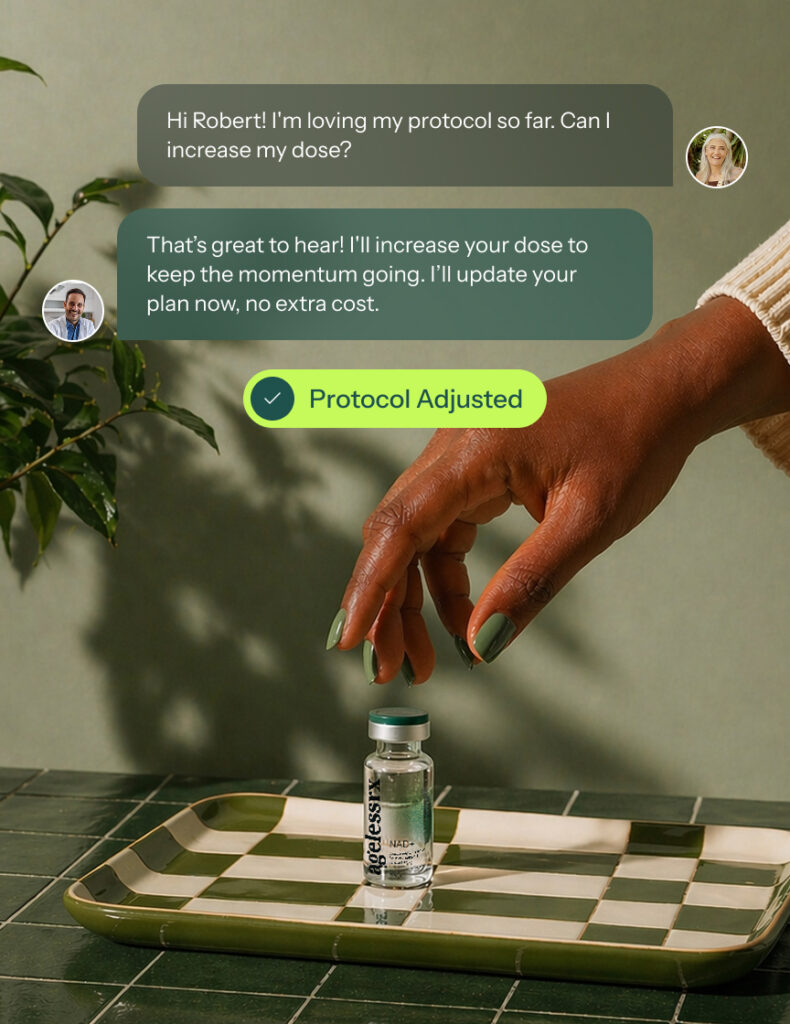


Disclaimer

Measure 600+ advanced biomarkers across 19 health areas in one at-home test for personalized insights into how each of your organ systems is aging, where your health may need attention, and what to do next.

Your birthday tells you how long you’ve lived. PhenoAge testing helps reveal how your body is aging beneath, so you can stop guessing, establish a baseline, and track what changes over time.

Reveal your biological age with a simple, pain-free at-home saliva test that measures specific locations on your DNA for deeper insights into your overall health and longevity.
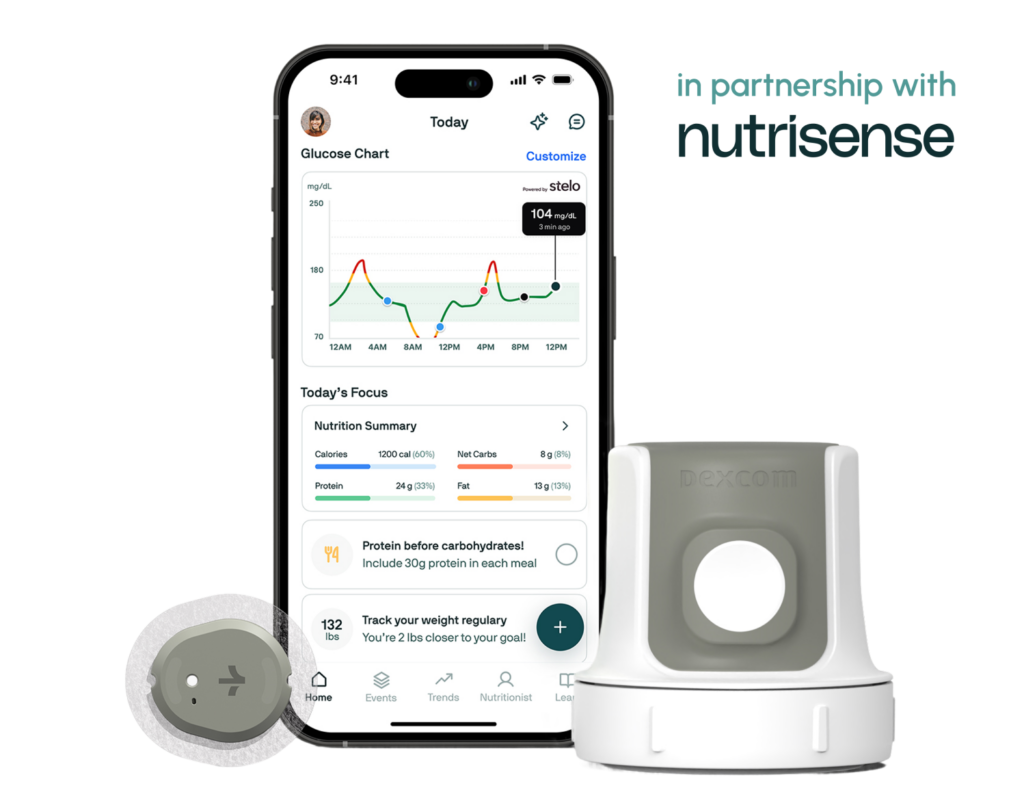
Take control of your glucose, weight, and metabolic health with continuous glucose monitoring, expert dietitian support, and powerful insights—all in one program with Nutrisense.
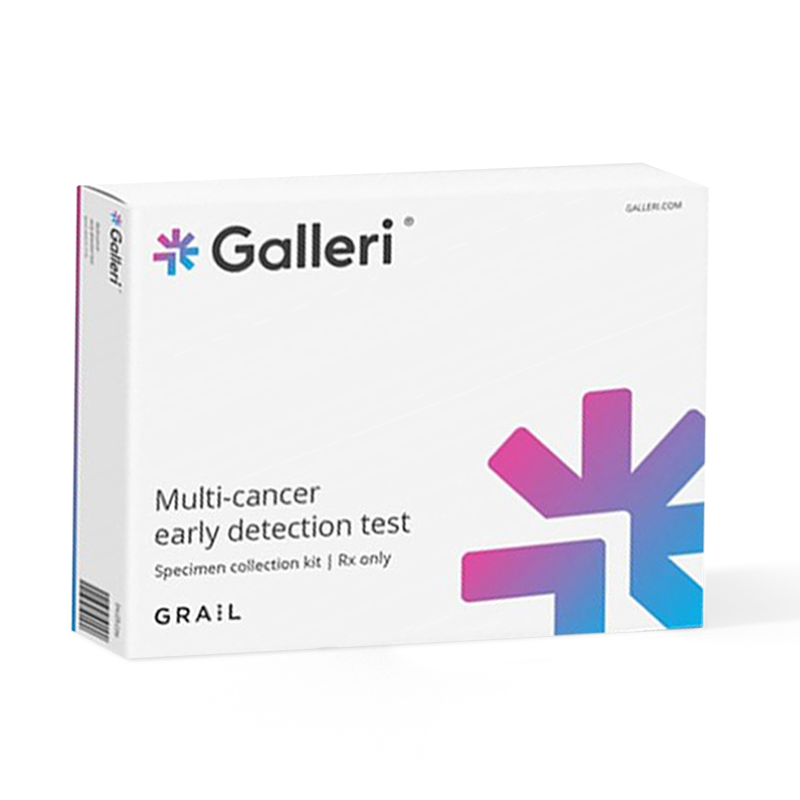
Screen for a signal shared by 50+ cancer types–often before symptoms appear–with one simple blood draw, giving you more opportunity to find something earlier and take action.




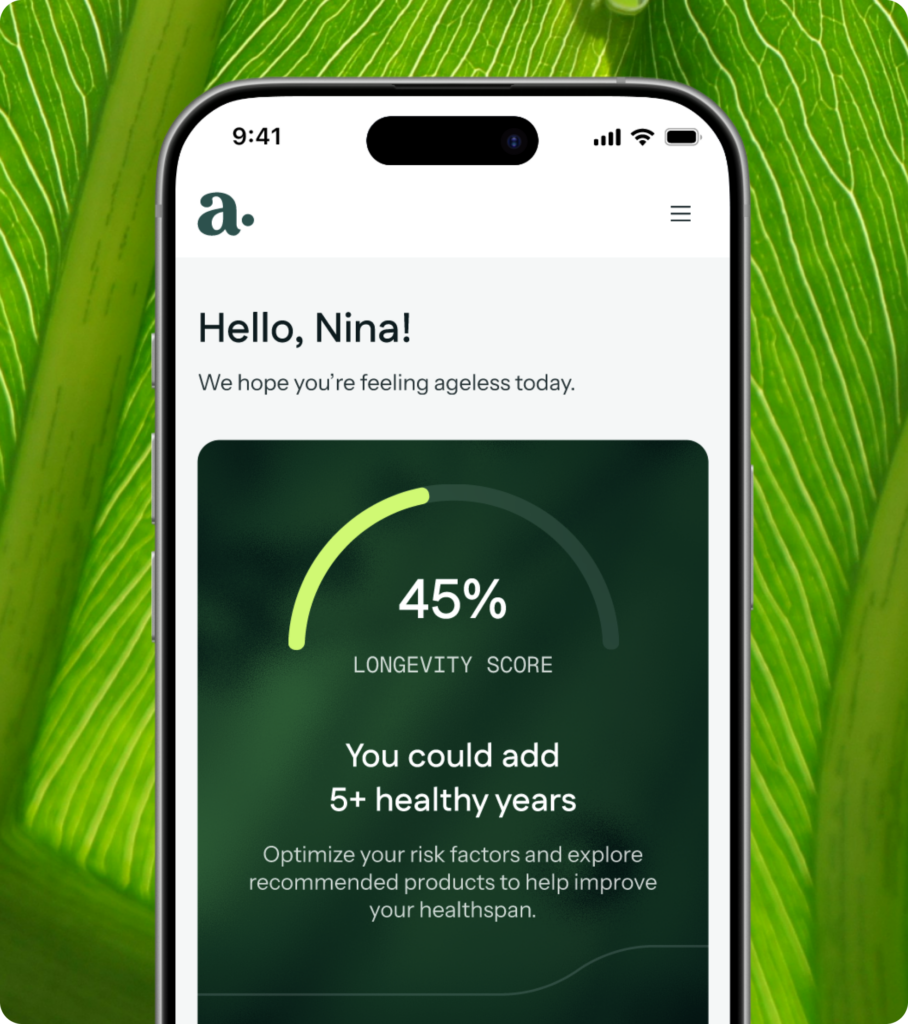
Once your results are in, you’ll get an easy-to-read report in your portal breaking down what each marker means, alongside the full lab PDF for your records. From there, one of our in-house experts can help translate those numbers into an actual plan—connecting specific patterns to specific interventions, whether that means adjusting lifestyle factors, exploring a treatment like a targeted Microdosing GLP-1, NAD+, Glutathione, or LDN, or simply tracking a marker over time to see how it moves.
After you order, AgelessRx generates the physician-ordered requisition required to complete your labs. Schedule your blood draw at a convenient date and time, then receive your digital results within two weeks.
Fast for at least eight hours before your appointment, consuming only water. Scheduling your blood draw in the morning may make fasting easier.
Both options measure 40+ biomarkers. The $115 panel also includes Lp(a), a largely inherited marker associated with cardiovascular risk that may not be included in routine bloodwork.
Short for lipoprotein(a), Lp(a) is a unique molecule produced by the liver. It shares similarities with LDL (low-density lipoprotein), which is commonly recognized as “bad cholesterol.” However, what sets Lp(a) apart is the addition of an apolipoprotein(a).1
Our bodies try to clean as much LDL from our bodies as possible, but this additional protein acts like a mask, disguising Lp(a) from our cells so they’re harder to clear from our bloodstream. This means Lp(a) particles are much more likely to stick around in the blood, get into blood vessel walls, and cause plaque formation, leading to conditions like atherosclerosis.1