
Why Hollywood Celebrities Take Glutathione

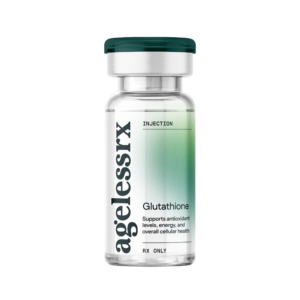
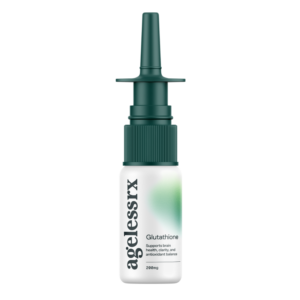
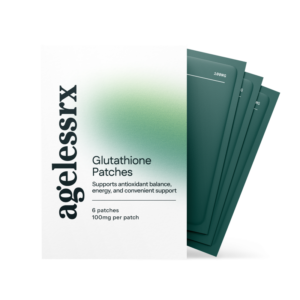
Glutathione has become a popular part of celebrity wellness routines, with Hollywood stars turning to the antioxidant for its potential benefits for skin health, energy, healthy aging, and longevity. But what is Glutathione, and why has it attracted so much attention beyond the red carpet?
Often called the “master antioxidant”, Glutathione is a molecule the body naturally produces from three amino acids. It plays a central role in protecting cells from oxidative stress, supporting immune function, and helping the body manage everyday cellular damage. Because Glutathione levels can decline with age, researchers have also become increasingly interested in what supporting those levels could mean for healthy aging.
So, is the celebrity buzz around Glutathione backed by science? There is more to the story than glowing skin and Hollywood wellness trends. Below, we break down why celebrities are taking Glutathione, what the research actually says about its potential benefits, and what to know before adding it to a longevity-focused routine.
Key Takeaways
- Glutathione is the body’s primary antioxidant, built from 3 amino acids, and levels decline with age
- Delivery method matters: injectable and liposomal forms bypass digestive breakdown better than standard oral supplements
- Glutathione may support skin tone by influencing melanin production and reducing oxidative stress
- Exercise, sulfur-rich foods, and reducing alcohol can help support Glutathione levels naturally
The Science Behind Hollywood’s Favorite Longevity Addition
Glutathione is no ordinary supplement. The body produces this powerful molecule naturally. It’s composed of three amino acids (cysteine, glycine, and glutamic acid) and exists in nearly every cell. What makes Glutathione special is its remarkable ability to neutralize free radicals and detoxify harmful substances.
Free radicals, those unstable molecules that damage cells through oxidative stress, are major contributors to aging. The body’s natural Glutathione levels decline with age, which tracks with many age-related conditions and visible signs of aging.
The recent USA Today article looked at the growing interest in Glutathione, noting both its potential benefits and limitations. While the article raised important questions about the effectiveness of Glutathione, it confirmed what longevity researchers have known for years: Glutathione plays a key role in cellular health and aging processes.
Why Are Celebrities Turning to Glutathione
Interest in Glutathione has grown steadily among public figures in the wellness space, with several well known names sharing their own routines. Gwyneth Paltrow is among the celebrities who have spoken publicly about using Glutathione as part of her wellness regimen, helping bring the antioxidant into mainstream conversation.
Paltrow isn’t the only celebrity adding Glutathione into her wellness regimen. Many celebrities work with functional medicine practitioners who recommend Glutathione for its potential to:
- Improve skin appearance and elasticity
- Reduce inflammation throughout the body
- Support immune function
- Aid in detoxification processes
- Combat oxidative stress that accelerates aging
Preliminary research suggests several potential benefits worth considering, though long-term evidence in healthy adults is still developing, and wellness benefits vary by person.
What Does the Research Say About Glutathione?
The USA Today article points out that oral Glutathione supplements face absorption challenges. The digestive system can break down Glutathione before it reaches the bloodstream. However, this doesn’t mean supplementation is ineffective; it simply requires the right approach.
Newer delivery methods have tackled this challenge. Liposomal Glutathione, sublingual forms, and precursors like N-acetylcysteine (NAC) have shown promising results in clinical studies. A 2018 study published in the European Journal of Nutrition found that oral supplementation with Glutathione effectively increased body stores of this key antioxidant when taken consistently.
|
Delivery Method |
Absorption Consideration |
Key Feature |
Often Considered For |
|---|---|---|---|
|
Oral Supplements |
May be partially broken down during digestion |
Widely available; convenient daily format |
General antioxidant support |
|
Liposomal Oral |
Liposomal encapsulation may reduce breakdown in the GI tract |
Potentially improved uptake compared to standard oral forms |
Those seeking better bioavailability in an oral format |
|
Nasal Spray |
Bypasses digestive breakdown via nasal mucosa |
Non-invasive with relatively fast administration |
Easy daily use without injections |
|
Injectable (subcutaneous) |
Direct systemic delivery; not broken down in the GI tract |
More direct absorption than oral formats |
Clinical protocols and targeted repletion |
How Does Glutathione Support Longevity?
What makes Glutathione particularly interesting to longevity researchers is its central role in multiple pathways associated with healthy aging.
Glutathione helps manage mitochondrial function (the cellular energy factories that work less well with age). It also supports cellular detoxification pathways that remove harmful substances from your body. Perhaps most importantly, it helps reduce the oxidative stress that damages DNA, proteins, and lipids over time.
Glutathione isn’t just here for one job; it’s here to help overall longevity and healthspan.
What Are Natural Ways to Boost Glutathione Levels?
Is there a way to increase Glutathione levels naturally? The answer is yes!
Exercise regularly. Studies show moderate physical activity increases Glutathione production.
Consume sulfur-rich foods like garlic, onions, and cruciferous vegetables, which provide raw materials for Glutathione synthesis.
Consider targeted supplementation with Glutathione or its precursors under professional guidance.
Reduce alcohol consumption, which depletes Glutathione stores.
The USA Today article appropriately cautions readers about unrealistic expectations. No single supplement (Glutathione included) is a miracle cure for aging. Longevity requires a well-rounded approach, including diet, exercise, stress management, and sleep quality.
What Does Glutathione Do for Skin Health?
Beyond its role in whole-body health, glutathione is also of interest for skin health in particular. It’s thought to work at the cellular level by neutralizing free radicals and helping to reduce the oxidative stress that’s considered a major driver of skin aging, including DNA damage and inflammation. Glutathione is also thought to help protect skin from environmental stressors like UV exposure and pollutants.
Glutathione’s effect on skin tone comes from its ability to influence the enzyme responsible for melanin production, which is part of why it’s associated with a brighter, more even complexion and a reduced appearance of dark spots. Research also suggests glutathione may help support collagen production and skin elasticity, potentially helping reduce the appearance of fine lines over time. As with any supplement, results vary by person and typically take consistent use to notice.
Looking Beyond the Hype
While celebrity endorsements generate buzz, the scientific interest in Glutathione exists independently of Hollywood trends. Researchers continue studying its therapeutic potential for conditions ranging from fatty liver disease to respiratory conditions.
Current research on Glutathione has focused on its part in managing oxidative stress, supporting mitochondrial function, and helping cells recover from everyday damage. As a company focused on evidence-based approaches to longevity, we find the research on Glutathione compelling, not because celebrities use it, but because the scientific foundation supporting its benefits continues to strengthen.
The “master antioxidant” deserves attention not because it’s popular in Hollywood, but because decades of research have shown its core role in cellular health. As research continues, our understanding of how to support Glutathione levels throughout life will likely expand.
For those interested in longevity, Glutathione is one piece of a larger picture. It’s an important molecule that works alongside many other factors to support healthy aging. While it may not be a miracle solution, its role in supporting cells to stay strong and adaptable makes it worth considering as part of a well-rounded approach to longevity.
And that’s something both scientists and celebrities can agree on.
Frequently Asked Questions
Note: The above statements have not been evaluated by the Food and Drug Administration. This product is not intended to diagnose, treat, cure, or prevent any disease.