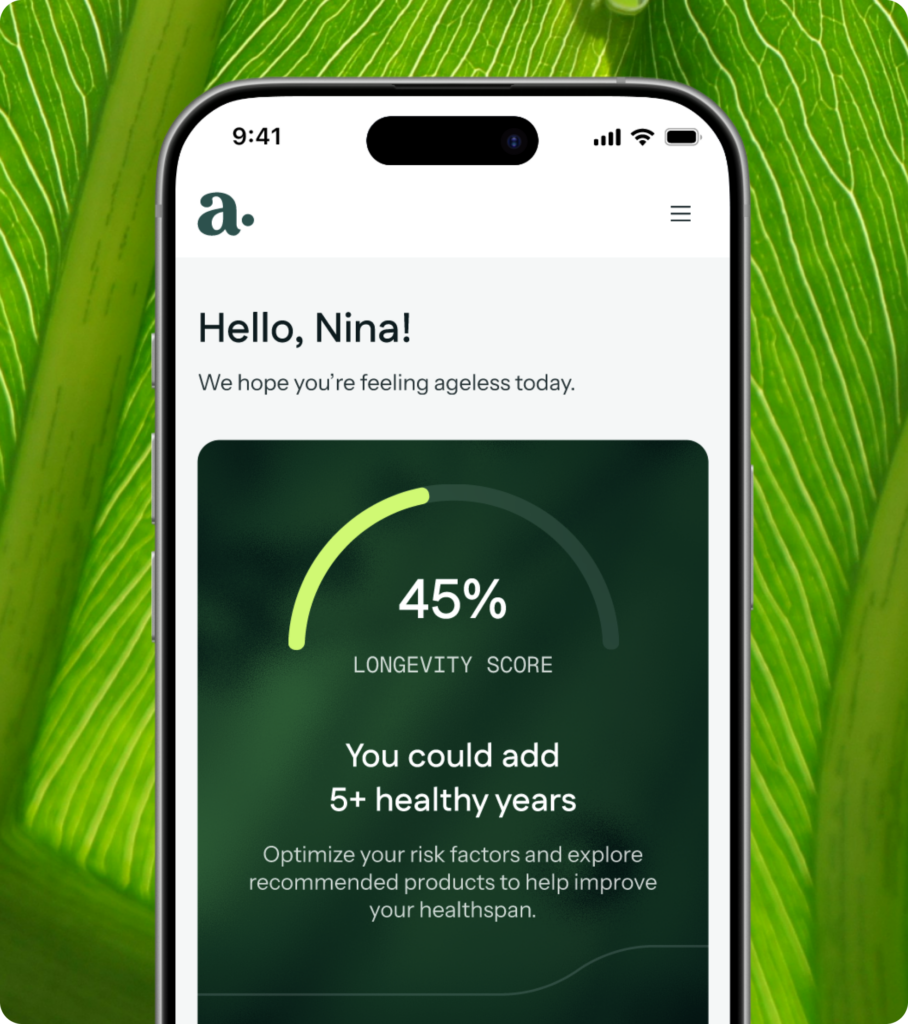
Day 1
Drowsiness and a calming effect may begin after the first dose, helping some people settle into sleep easier without the GABA-driven grogginess of OTC sleep medications.1 3
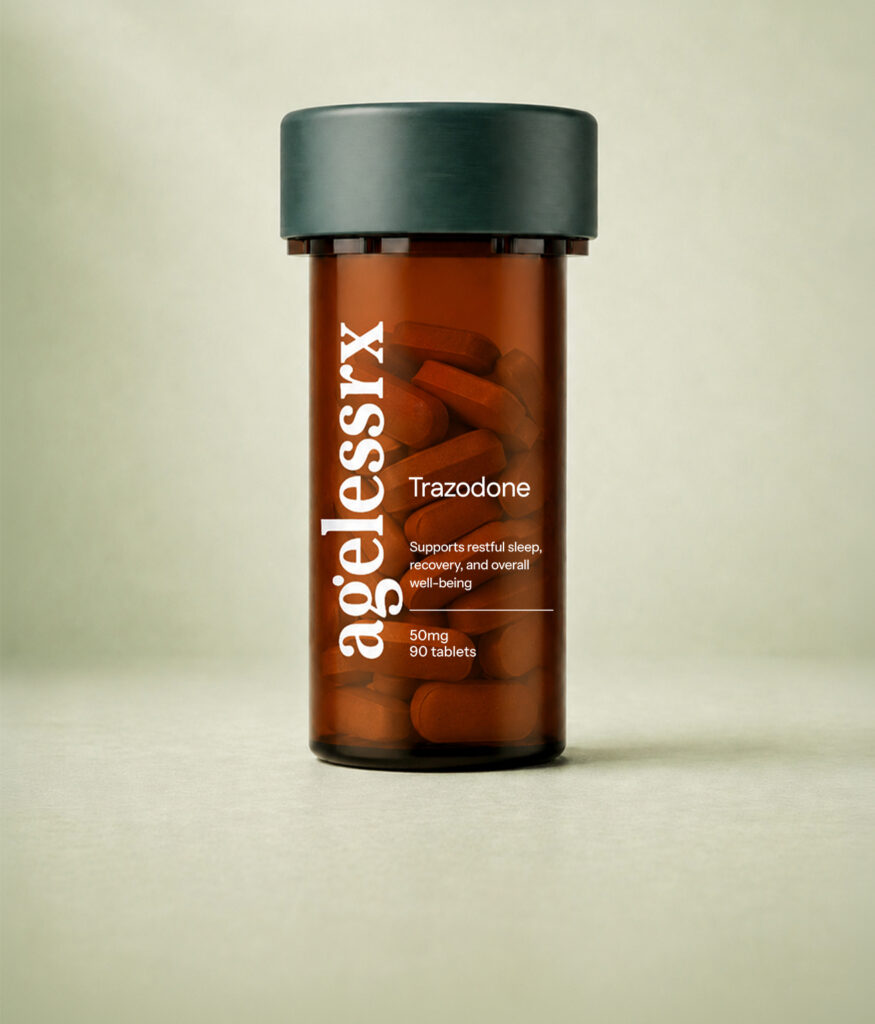
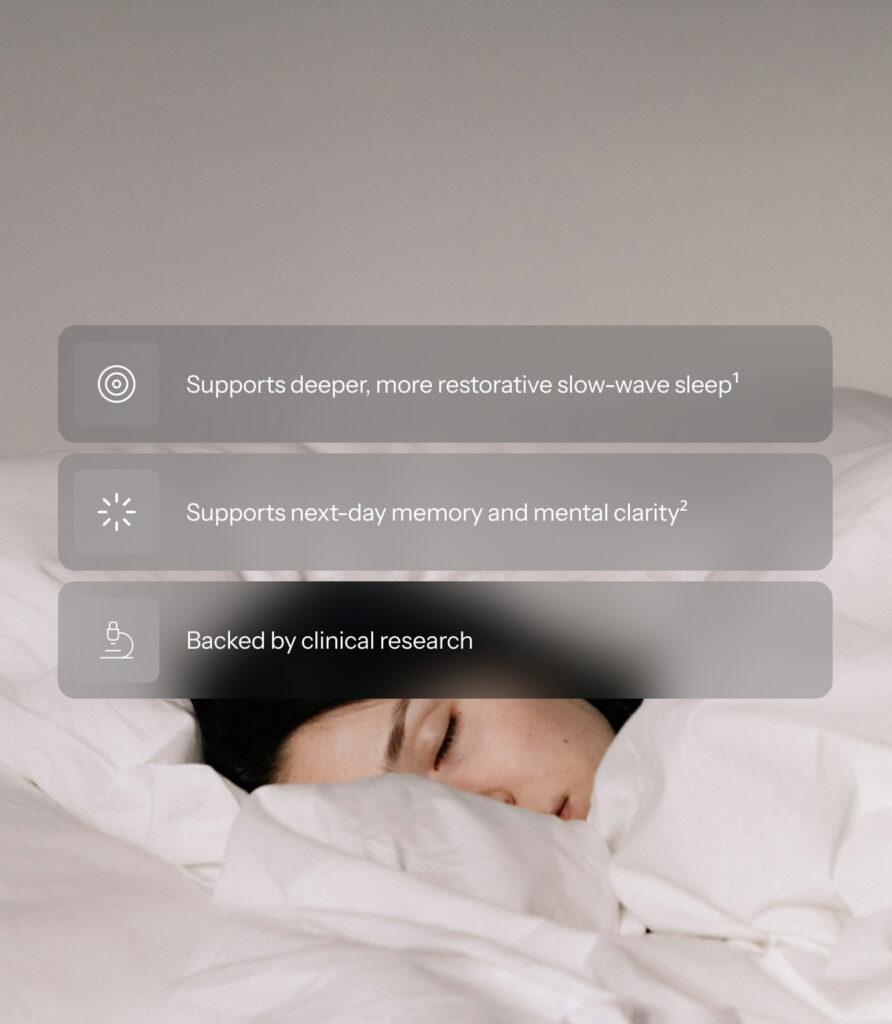
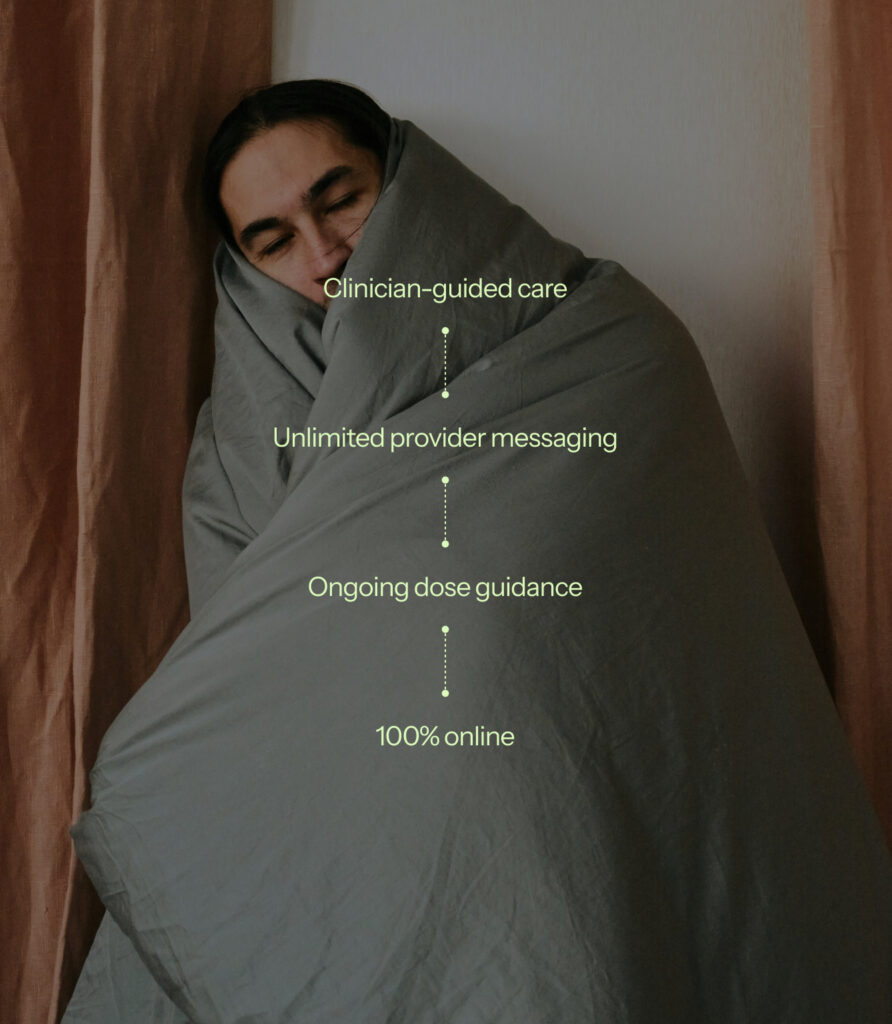
Reclaim restful nights by supporting the brain pathways involved in sleep, which may help the body fall asleep faster, stay asleep longer, and wake up feeling more restored.
At the low doses used for sleep, Trazodone works differently than most sleep medications. Rather than acting on the GABA pathway the way benzodiazepines and “Z-drug” hypnotics do, Trazodone may block specific serotonin (5-HT2A), histamine, and adrenaline receptors involved in wakefulness and arousal. Turning down those signals—rather than switching your brain “off”—is why it’s been associated with deeper, more natural-feeling sleep.4
No, and this is one of the more meaningful differences between Trazodone and classic sleep medications. Because it doesn’t act on the GABA receptor pathway that benzodiazepines and Z-drugs use, Trazodone isn’t associated with the same tolerance, physical dependence, or withdrawal-seizure risk.1 Stopping abruptly after prolonged use can still cause mild discontinuation symptoms like rebound insomnia or irritability, which is why your provider will typically recommend tapering rather than stopping cold turkey—but this is a different and substantially milder profile than the dependency concerns tied to classic sedative-hypnotics.
Controlled sleep studies have found Trazodone may measurably increase slow-wave sleep, the deepest, most physically restorative stage of the sleep cycle, without significantly suppressing REM sleep the way some other sleep medications do.1 3 That distinction of more time in deep sleep, not just more time asleep, is the core of why Trazodone has been studied for sleep quality.
Trazodone is taken nightly shortly after a meal or light snack according to your provider-guided titration schedule. If prescribed, a US-licensed medical provider will provide a tailored dosage schedule and specific treatment instructions with your care plan.
Trazodone has the following common side effects: constipation, diarrhea, nausea, xerostomia (dry mouth), back aches, headaches, confusion, dizziness, insomnia, somnolence (drowsiness), blurred vision, nervousness, fatigue, vivid dreams, or nightmares. These side effects often lessen and resolve within the first few weeks of use, as the body adjusts to the medication. Side effects are dose dependent and may reoccur as you increase your dosage according to your doctor-prescribed titration plan. Our providers will not go over 100mg in any titration schedule.
People taking Trazodone should avoid driving or other activities requiring mental acuity or coordination until they are sure side effects such as confusion, dizziness, or drowsiness will not affect them.
Trazodone may cause the following rare but serious side effects: cardiac dysrhythmia, hypotension (low blood pressure), prolonged QT interval, torsades de pointes, hypersensitivity reaction, priapism (prolonged erection), or seizure. If you have a personal or family history of any of these, your AgelessRx provider may recommend an alternative solution.
Trazodone has a black box warning for suicidal thoughts or ideation. This risk increases in children or young adults and is higher within the first few months of treatment. AgelessRx does not prescribe Trazodone to anyone under the age of 25, but all users should watch for new or sudden changes in mood, behaviors, thoughts, or feelings. If you experience thoughts of suicide or worsening depression, stop using Trazodone immediately and contact your doctor or a qualified mental health professional. For mental health emergencies, dial or text 988 to speak with a trained health counselor 24/7.
Tell your healthcare provider about all the medicines you take, including prescription and over-the-counter medicines, vitamins, and herbal supplements. Trazodone may affect the way some medicines work, and some medicines may affect the way Trazodone works. Tell your healthcare provider if you are taking any medications to treat depression or insomnia, including Prozac (fluoxetine) or Ambien (zolpidem).
Do not take Trazodone if you are currently prescribed a monoamine oxidase inhibitor (MAOI) or within 14 days of discontinuing an MAOI. MAOIs include saquinavir/ritonavir, colchicine, isocarboxazid, linezolid, methylene blue injection, phenelzine, pimozide, safinamide, saquinavir, selegiline transdermal, thioridazine, and tranylcypromine. Do not take Trazodone if you are allergic to Trazodone or any of its ingredients.
Some people may be advised to discontinue Trazodone at least 24 hours before surgery or diagnostic procedures, depending on the particular procedure. If you’re not sure whether you need to stop Trazodone for a particular procedure, speak with the doctor who ordered the procedure. Do not resume taking Trazodone until your doctor advises you that it is safe.
Do not take Trazodone if you are pregnant or breastfeeding, or plan to become pregnant or breastfeed while taking Trazodone.
Note: The above statements have not been evaluated by the Food and Drug Administration. This product is not intended to diagnose, treat, cure, or prevent any disease.
Disclaimer

When sleep is off, the body has less opportunity to turn that effort into results.5 Sleep is when the brain consolidates memory, hormones recalibrate, immune defenses reset, and growth hormone supports tissue and cellular repair.6
At lower doses, Trazodone may act on serotonin, histamine, and noradrenaline pathways involved in sleep, helping potentially fall asleep easier and getting more deep, slow-wave sleep tied to physical restoration.1 4
Saw improvements in sleep quality by day 30








Clinically studied
Trazodone may block the 5-HT2A serotonin receptor, along with histamine H1 and alpha-1 adrenergic receptors, to potentially turn down the signals that promote wakefulness and arousal.4
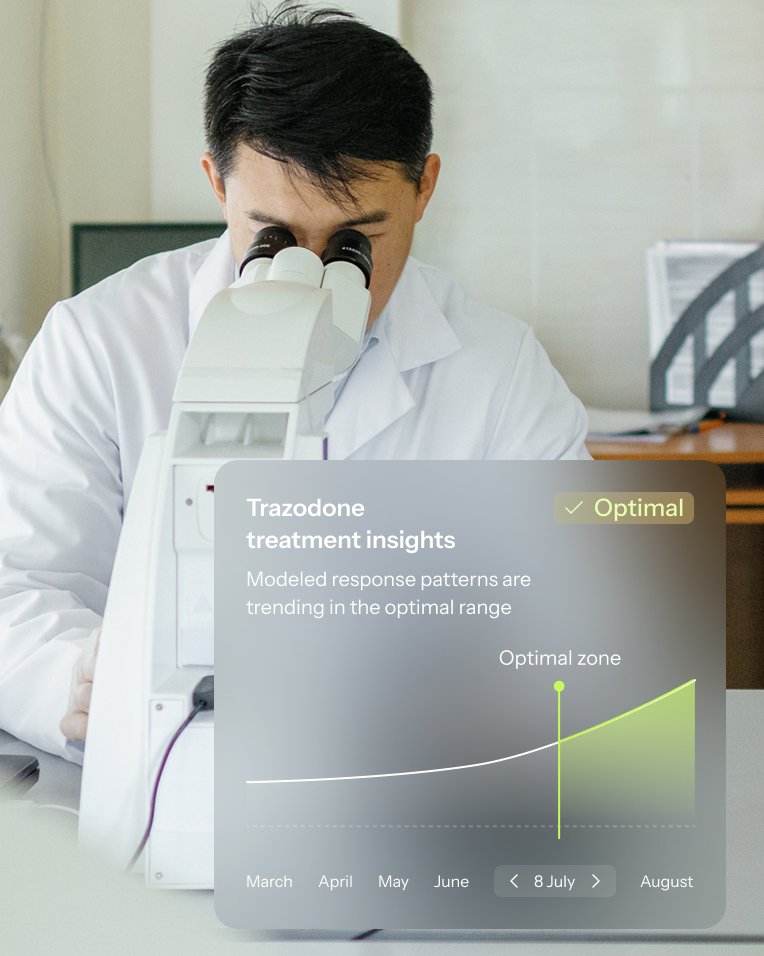
Sleep studies have found Trazodone measurably increases slow-wave sleep, by roughly 50 minutes in one placebo-controlled study, without significantly suppressing REM.1 3
By improving deep sleep, Trazodone may support memory, next-day cognitive function, and recovery.2 Because it doesn’t act on the GABA receptor pathway, it also isn’t associated with the physical dependence or withdrawal risk seen with benzodiazepines.1 4
$33/mo
Applies to 3-month plan (Billed $99 every 3 months)
What’s included




Disclaimer
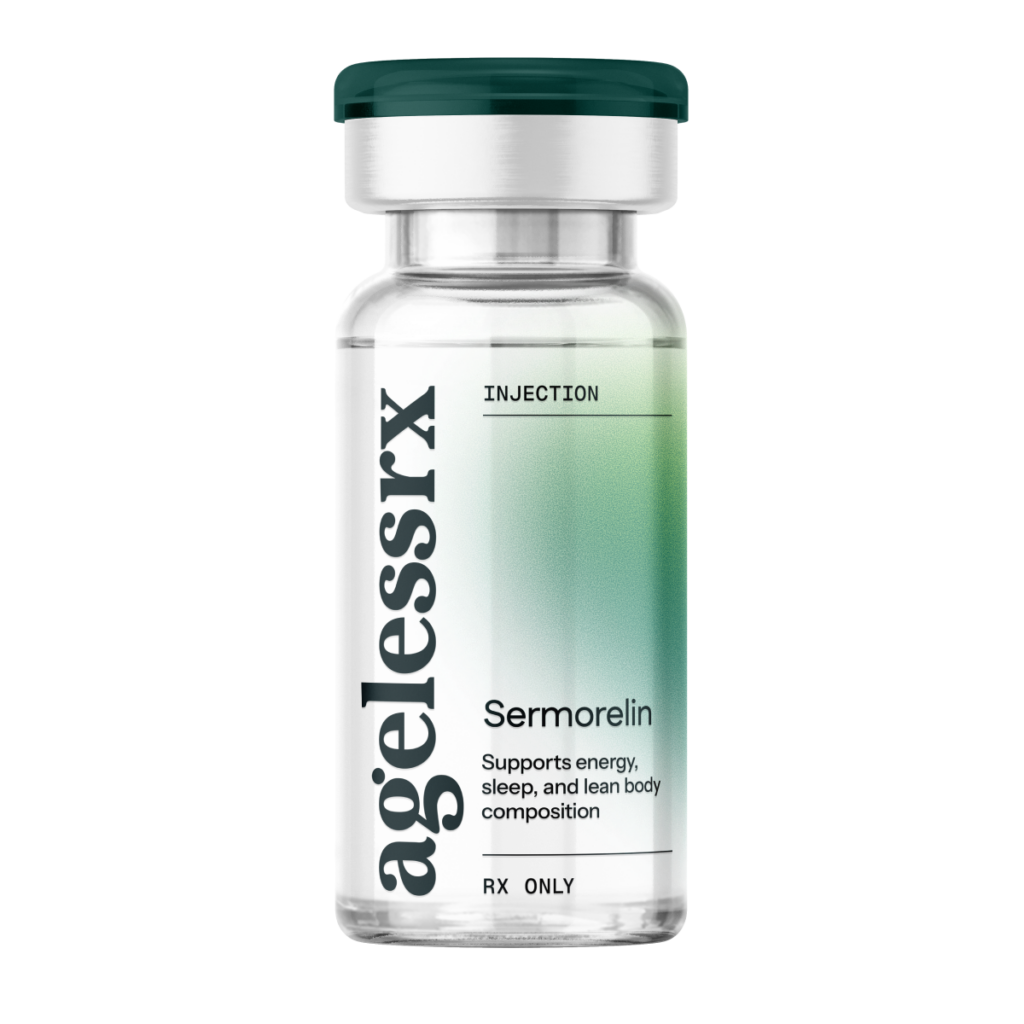
Supports energy, lean muscle mass, and strength by encouraging the body to replenish its own growth hormone gradually—without the risks of synthetic HGH.
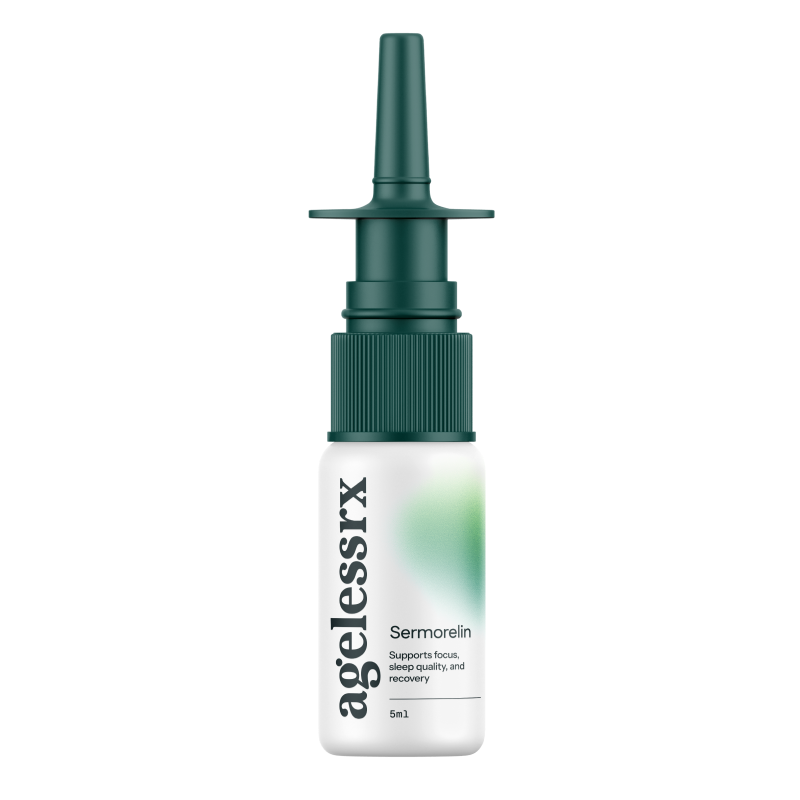
A targeted nasal spray that may support natural growth hormone signaling in the brain, helping promote deeper sleep, clearer thinking, and balanced recovery without injections.
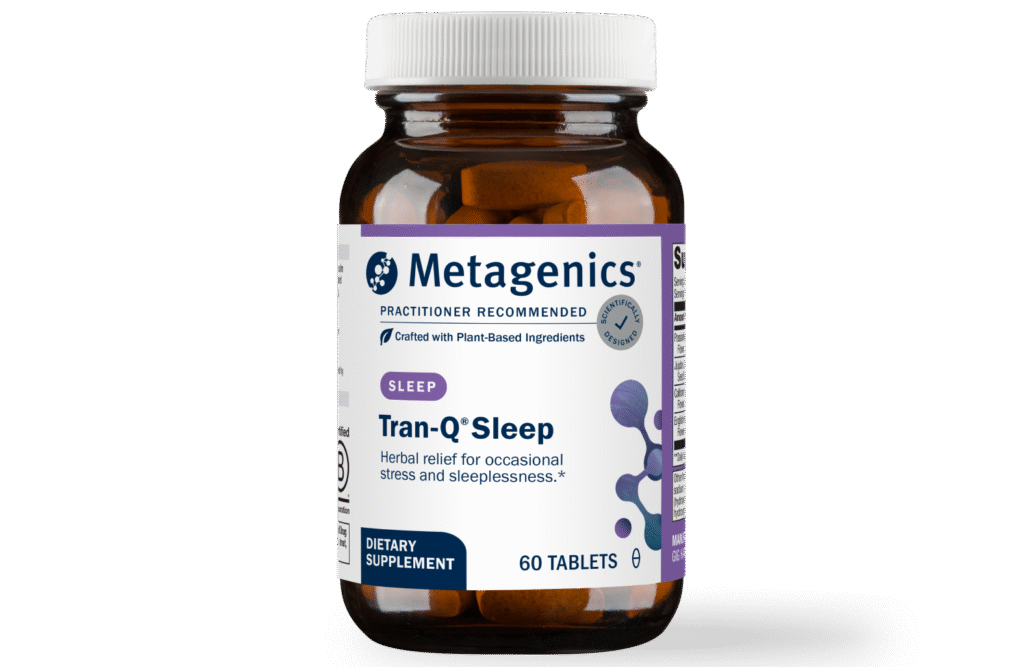
Reclaim restful nights with Tran-Q Sleep—our longevity expert-curated, all-natural supplement crafted to boost sleep quality, enhance deep sleep, and support overall wellness, without habit-forming side effects.
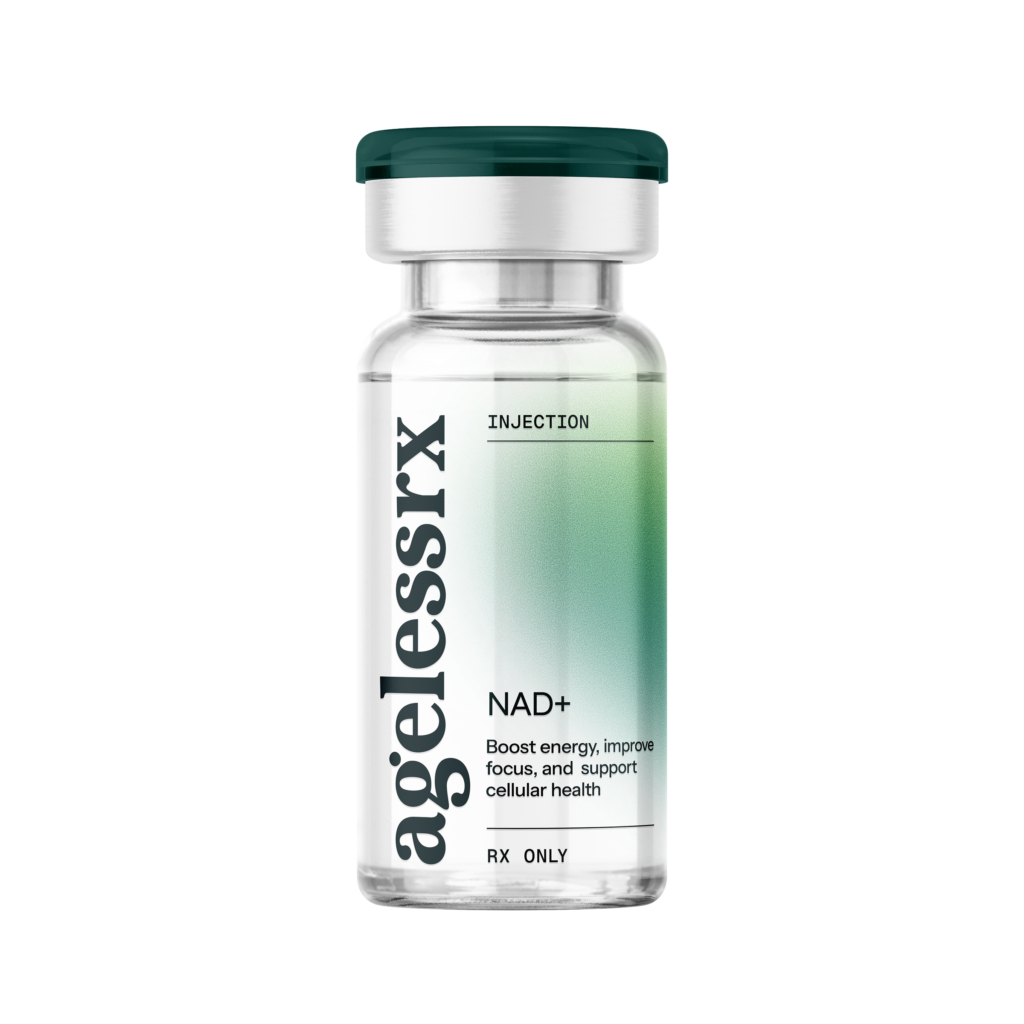
Boost energy, improve focus, and support cellular health with one of the most effective methods of restoring depleted NAD+ levels for a fraction of the cost of IV infusions.
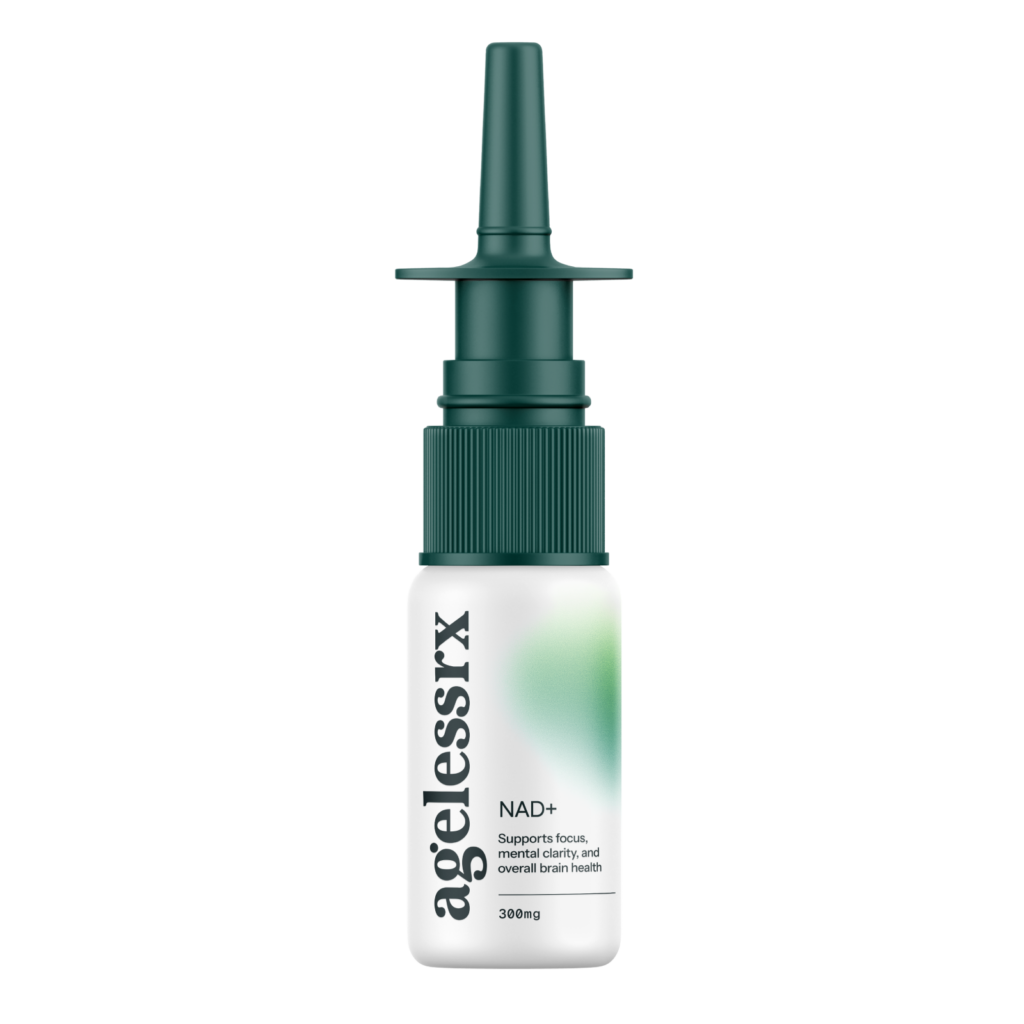
Support mental clarity, focus, and cognitive energy with an easy, injection-free way to boost NAD+, designed to support brain pathways and sharper thinking on the go.




No. Trazodone is FDA approved for major depressive disorder. Its use for sleep is off-label, meaning a licensed provider may prescribe it when they determine it is medically appropriate.
No. Trazodone doesn’t act on the GABA receptor pathway that drives dependence and tolerance with benzodiazepines and Z-drug sleep medications, and it isn’t a federally controlled substance.4 Stopping suddenly after prolonged use may still cause mild discontinuation symptoms, which is why your provider may recommend gradually reducing your dose rather than stopping abruptly.
You may experience initial daytime drowsiness once you first start taking Trazodone, which is why you should avoid driving until you understand how Trazodone will affect you. Drowsiness may come back briefly if you increase your dose, so plan ahead.
The good news is that Trazodone side effects are dose-dependent.1 That means side effects like grogginess can be an indication that your current dose is too much for you. If you find that your grogginess doesn’t get better after a week or two, you may still be able to cut down your dose to improve groginess. Always talk with your provider before adjusting your dose.
Most prescription and OTC sleep aids work by activating the GABA pathway to sedate you. Trazodone works by potentially blocking receptors that promote wakefulness and arousal, which can be associated with increased slow-wave (deep) sleep rather than simple sedation, and doesn’t carry the same tolerance or dependence risk as GABA-acting hypnotics. It’s a different mechanism aimed at a different goal: sleep quality, not just sleep quantity.1 4