
A Guide to GLP-1s

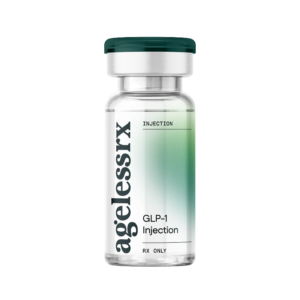
If you’ve been anywhere near a wellness headline in the last two years, you’ve probably seen one dominating the conversation: GLP-1. These medications work by engaging the body’s own biology to help balance appetite, blood sugar, and metabolic function, and they’re changing the way we approach weight loss as well as longevity.
But those who’ve already started the search for a GLP-1 medication know that the space has evolved rapidly, with countless options popping up every day, and few answers to their most pressing questions. What is the difference between brand name treatments like Wegovy® or Ozempic®? Or, how do Mounjaro® and Zepbound compare? And what about Semaglutide vs. Tirzepatide, or even microdosing versus macrodosing?
The world of GLP-1 options can be overwhelming, and this guide is here to help simplify it. Having the baseline knowledge matters for making an informed decision about what’s right for you.
Key Takeaways:
- GLP-1s support appetite, blood sugar, and metabolic health
- Semaglutide and Tirzepatide work through different hormone pathways
- Wegovy® and Ozempic® contain the same active ingredient
- Mounjaro® and Zepbound® both contain Tirzepatide
- Microdosing and macrodosing support different health goals
What Are GLP-1 Agonists?
GLP-1 receptor agonists (GLP-1 RAs) mimic the natural GLP-1 hormone, which the small intestines release after eating. This hormone plays a key role in signaling the brain when we’re full, moderating insulin production, and controlling how quickly glucose enters the bloodstream.
Once activated, GLP-1s prompt the pancreas to release insulin, help slow digestion, and reduce the rapid rise in blood sugar after meals. GLP-1s also influence appetite signaling in the brain, which can lead to reduced hunger and lower overall food intake, making them an effective tool for weight management.
By slowing the release of food from the stomach and encouraging the pancreas to release insulin when needed, GLP-1 RAs help restore healthier metabolic patterns and improve insulin sensitivity, while providing a healthy and sustainable method of weight loss.
What Are the Main Types of GLP-1 Medications?
The main types of GLP-1 medications are Semaglutide and Tirzepatide. They both work similarly, but there are a few key differences between them that may help you decide which is right for your health journey.
Main types of GLP-1 medications:
|
Brand |
Active Ingredient |
FDA-Approved Use |
Target Dose |
Administration |
|---|---|---|---|---|
|
Ozempic® |
Semaglutide |
Type 2 diabetes |
1.0 mg or 2.0 mg weekly |
Weekly injection |
|
Wegovy® |
Semaglutide |
Chronic weight management |
2.4 mg weekly |
Weekly injection |
|
Mounjaro® |
Tirzepatide |
Type 2 diabetes |
Up to 15 mg weekly |
Weekly injection |
|
Zepbound® |
Tirzepatide |
Chronic weight management & sleep apnea |
Up to 15 mg weekly |
Weekly injection |
Semaglutide is by far the most popular GLP-1 choice, with options like Ozempic® and Wegovy® leading the discussion among prescribers, researchers, and patients alike. Semaglutide works exactly as described above, making it the de facto standard when discussing GLP-1 options.
Tirzepatide is another GLP-1 option, but it’s more than just a GLP-1 RA: it’s also a GIP receptor agonist (GIP RA). That means Tirzepatide mimics the action of two hormones at once, GLP-1 and GIP, which is why it’s gaining attention as a potentially more effective option for glycemic control.
While there are other GLP-1 medications available, these two are showing the most promise for blood sugar control, weight loss, and healthy longevity.
How Does Semaglutide Compare to Tirzepatide?
What Is Semaglutide?
Semaglutide is a GLP-1 receptor agonist that has been widely used to treat type 2 diabetes and support substantial weight loss. In clinical trials, Semaglutide has shown an average weight loss of about 15%.
Its benefits also extend beyond weight. By blood sugar control, Semaglutide may help lower metabolic risk, including diabetes, cardiovascular disease, and major cardiac events such as heart attacks and strokes. In fact, Semaglutide users report beyond weight loss, spanning mood, energy, and inflammation.
Where Tirzepatide differs is in its dual action. In addition to activating GLP-1 receptors, it also targets GIP receptors. Though there are no studies confirming its longevity potential, Tirzepatide may provide an added therapeutic effect compared to Semaglutide alone by acting on both pathways.
Is Tirzepatide More Effective Than Semaglutide?
While Semaglutide is an effective option for many patients, studies show that Tirzepatide may offer greater metabolic benefits.
Clinical trials have shown greater weight loss with Tirzepatide, with some studies reaching up to 22.5% weight loss on average. This enhanced weight loss effect stems from its dual mechanism: by mimicking both GLP-1 and GIP hormones, Tirzepatide may improve insulin sensitivity and appetite regulation more efficiently than GLP-1 alone.
In other words, Tirzepatide may provide greater improvements to blood sugar control and lipid metabolism by mimicking two hunger hormones at once. Though studies have yet to confirm, this may offer more longevity benefits as well, potentially offering greater protection against cardiovascular risks, for example.
But the science is gradually catching up to what longevity clinicians are observing in real-time. In fact, a recent study suggests that Tirzepatide may help preserve lean mass while reducing body fat, leading to a healthier fat-to-muscle ratio. This is especially important for long-term metabolic health, strength, and physical performance.
What Is the Difference Between Wegovy® and Ozempic®?
How Are Wegovy® and Ozempic® Similar?
Both Wegovy® and Ozempic® are Semaglutide medications that work the same way. Semaglutide is a GLP-1 receptor agonist, meaning it mimics the body’s own glucagon-like peptide-1 hormone, which helps balance appetite and insulin secretion. By activating this pathway, Semaglutide slows digestion and decreases the amount of glucose released by the liver.
As a result, people naturally consume fewer calories. This matters because calorie reduction remains one of the most powerful, research-backed longevity interventions available, yet it has historically been one of the most difficult for humans to keep up consistently.
Both Wegovy® and Ozempic® work best when supported by healthy habits such as nutrient-dense eating, resistance training, quality sleep, and overall lifestyle management. However, there are some key differences that may matter depending on your goals, including newer delivery formats, such as the Wegovy® pill, that are worth looking into.
How Are Ozempic® and Wegovy® Different?
The primary difference between Wegovy® and Ozempic® is their FDA-approved uses. Wegovy® is FDA approved for chronic weight management, while Ozempic® is FDA approved to treat type 2 diabetes.
So if the medication inside is the same, why separate brands? The answer comes down to approved dosing.
Not everyone is prescribed Semaglutide for the same reason or at the same strength. Wegovy® is approved for individuals over age 12 with a BMI of 30 or higher, at a target dosage of 2.4 mg weekly. Ozempic® is approved for adults with type 2 diabetes at a target weekly dose of 1.0mg or 2.0mg.
Novo Nordisk developed Wegovy® as a higher-dose formulation to better meet the needs of patients who typically require a larger therapeutic dose to achieve meaningful weight loss.
What Is the Difference Between Mounjaro® and Zepbound®?
How Are Mounjaro® and Zepbound® Similar?
Mounjaro® and Zepbound® are essentially the same medication with the same active ingredient: Tirzepatide. They share identical dosing ranges, beginning at 2.5 mg and slowly titrating up to 15 mg, and are both administered as a once-weekly injection.
Both treatments work by activating the GLP-1 and GIP receptors to help balance appetite, improve insulin sensitivity, and support metabolic health. In other words, Mounjaro® and Zepbound® operate the same way in the body. The difference isn’t in the molecule itself, but how prescribers use it for different purposes.
How Are Mounjaro® and Zepbound® Different?
The major difference between Mounjaro® and Zepbound® comes down to their marketing and FDA approvals.
Mounjaro® was approved first for type 2 diabetes, driven by strong clinical data showing improved glycemic control in diabetic patients. As Tirzepatide later showed substantial weight-loss benefits in non-diabetic, overweight individuals (reinforced by both the SURPASS and SURMOUNT trials), Eli Lilly introduced Zepbound® as a separate product approved just for weight loss and obesity-related conditions, including sleep apnea.
Mounjaro® is typically prescribed for patients who put blood sugar regulation and metabolic stability first, while Zepbound® is prescribed for those focused on weight loss. Although both share the same dosage range, patients on Zepbound® often escalate to higher doses quicker and more frequently to support greater weight loss.
What Is Macrodosing vs. Microdosing?
If microdosing is about small, steady biological nudges, then full doses, or macrodosing, is about reaching the full therapeutic dose needed to create a more pronounced metabolic effect.
Macrodosing pushes the medication to a level where appetite suppression, slowed gastric emptying, and insulin signaling are more than supportive, becoming central drivers of measurable change. Macrodosing is typically for individuals who need more aggressive support to improve blood sugar regulation or achieve large-scale weight reduction. This is the FDA-approved method of prescribing GLP-1s for clinically meaningful weight loss or to treat type 2 diabetes.
Microdosing puts low side effects and long-term metabolic tuning first. Macrodosing puts therapeutic outcomes that are measurable on a clinical scale first. Both approaches use the same mechanism of action, but with very different intentions and timelines.
Microdosing is a proactive approach to potentially maintain health or support longevity goals, while macrodosing is a therapeutic approach to correct a more advanced metabolic imbalance. Those interested in the preventive angle can learn more about microdosing Tirzepatide as a newer option. One is a gentle recalibration, the other is a structured medical intervention.
As GLP-1 therapy continues to evolve, the next important distinction is more than which GLP-1 medication to choose, extending to which dosing method to choose, which may help clinicians customize doses that work best for individual patients based on their unique health profile. Research into GLP-1 microdosing for longevity is actively underway to better define these personalized protocols.
What Should You Expect Over the Course of Your GLP-1 Journey?
Whichever GLP-1 medication or dosing approach you choose, it helps to know that results tend to unfold in phases instead of all at once. The first several months are generally focused on titration, gradually working up toward a target dose to help the body adjust and to help minimize side effects. As you approach your target dose, many people start to notice more meaningful changes in appetite, energy, or blood sugar, though timelines vary widely from person to person.
Later on, the body may go through an adjustment period as it settles into a new equilibrium, which is part of why sticking with a consistent routine and healthy habits matters as much in month twelve as it does in month one. Whatever stage you’re at, staying in regular touch with your provider can help you get the most out of your treatment and make thoughtful adjustments along the way, including deciding when and how to eventually taper off if that becomes your goal.
Which Option Is Right for You?
With so many GLP-1 options now available, the real value lies in understanding which treatment and which dosing options align best with your individual goals. Wegovy®, Ozempic®, Mounjaro®, Tirzepatide, and Zepbound® may share similar mechanisms, but they aren’t interchangeable, and neither are the outcomes between microdosing and macrodosing.
This guide to GLP-1s should help you understand the options out there, but the most important takeaway is that GLP-1 therapy is highly personal. The right choice depends on your biology, your health history, and what you hope to achieve.
If you’re considering GLP-1 therapy, learning the differences between formulations and dosing approaches is the best place to start, and there are more options available than most people realize.
Note: The above statements have not been evaluated by the Food and Drug Administration. This product is not intended to diagnose, treat, cure, or prevent any disease.