Cell migration
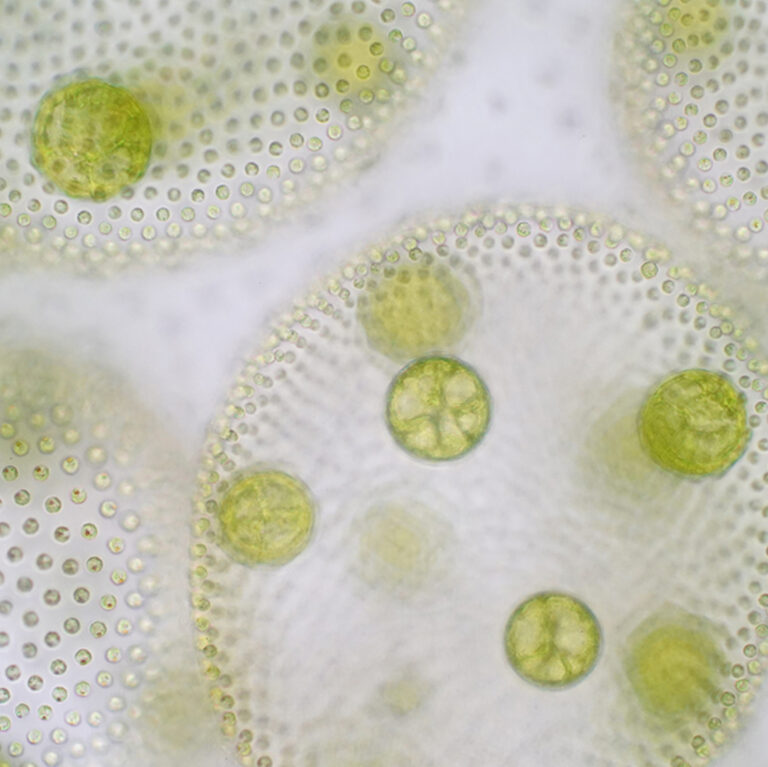
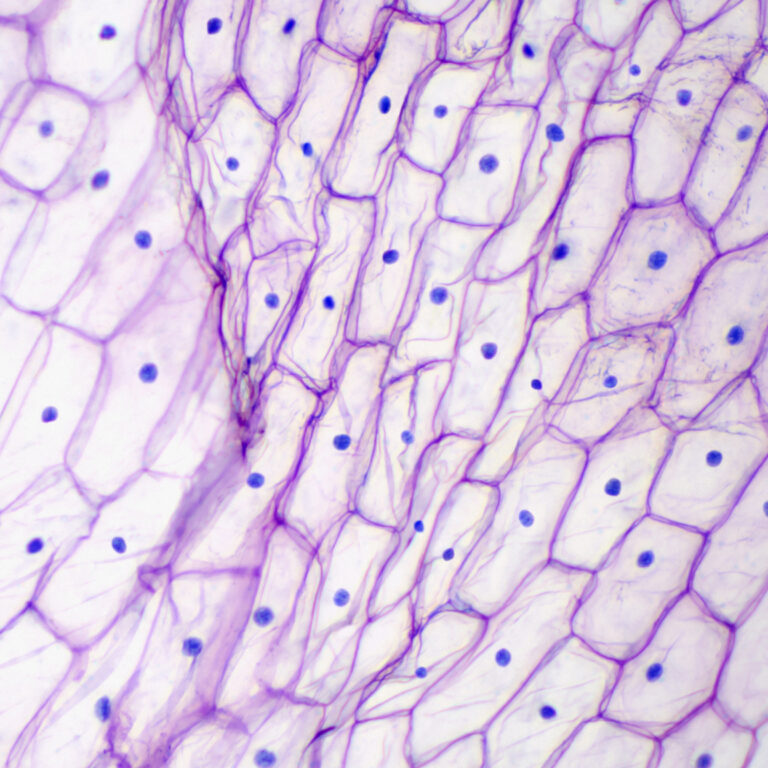
Get repair cells where they’re needed. Preclinical research suggests BPC-157 may support fibroblast migration, an important part of tissue repair.4
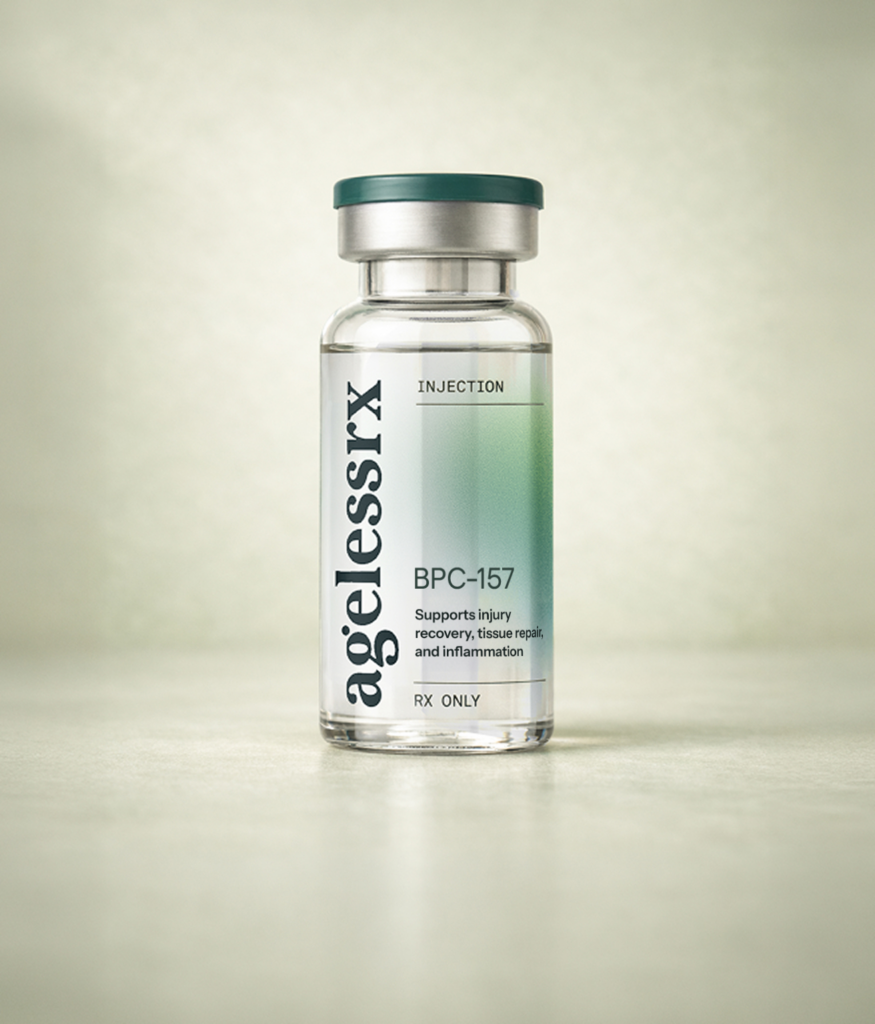

When soreness sticks around longer or recovery isn’t what it used to be, BPC-157 is being studied for the repair signals that help the body respond and rebuild.
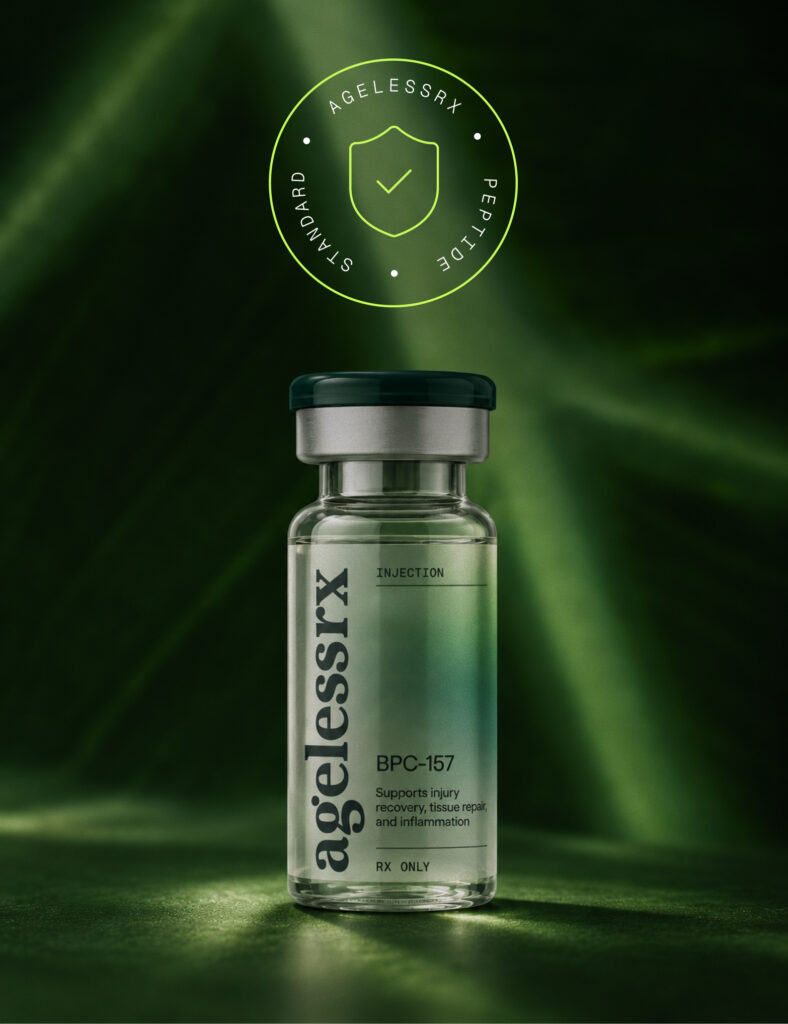
BPC-157, short for Body Protection Compound-157, is a synthetic peptide based on a naturally occurring protective compound found in the stomach. Researchers are studying its potential role in tissue repair, recovery, blood-vessel formation, and inflammatory signaling.1 Most of the research is still preclinical, with limited human studies. That’s why we believe how you access BPC-157 matters just as much as the peptide itself.
Repair takes more than one signal. Cells have to move where they’re needed, blood vessels help supply recovering tissue, inflammatory signals have to stay coordinated, and damaged tissue has to rebuild. Preclinical research suggests BPC-157 may influence several of these processes, including cell migration, angiogenesis, oxidative stress, and inflammatory signaling.1 3 4
BPC-157 is being studied for its potential to support recovery across muscle, tendon, joint, and gastrointestinal pathways. Some people may notice support for physical comfort, movement, or recovery after activity, while others may notice little or no meaningful change. Human evidence remains limited, so individual results vary and benefits aren’t guaranteed.
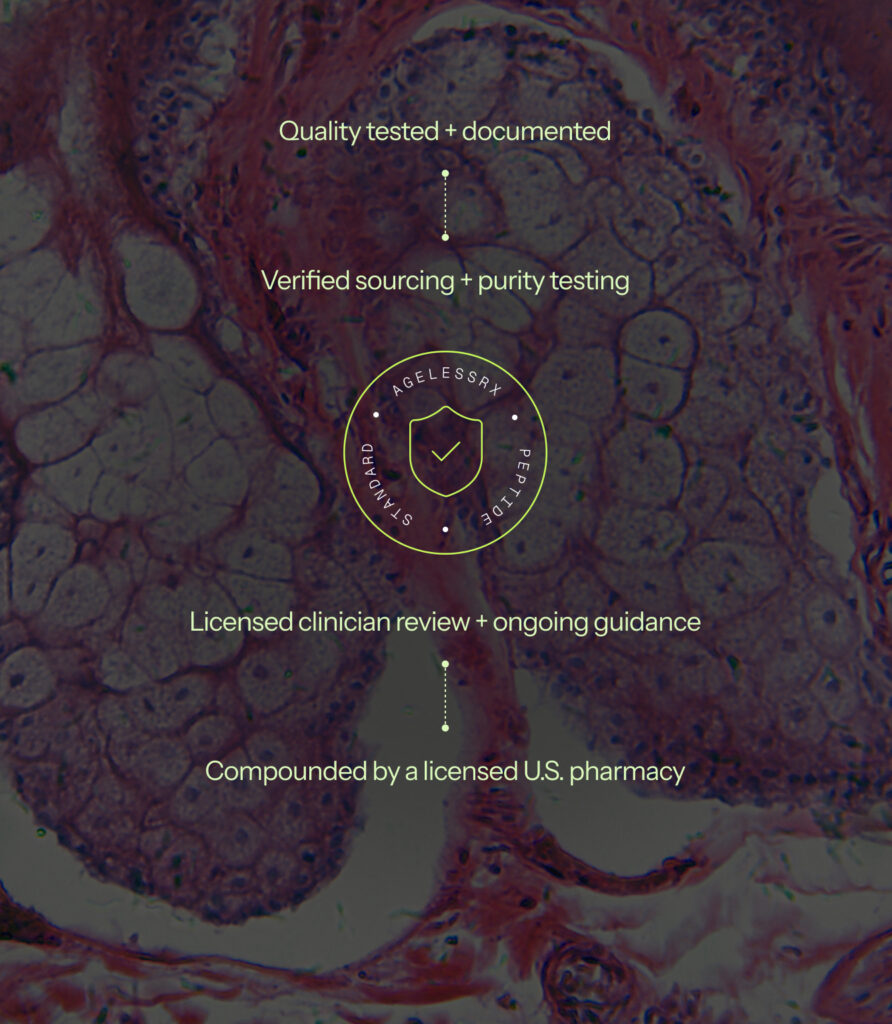
“Research use only” products are sold as research materials, not medications intended for human use, which can leave uncertainty about safety, sourcing, quality, dosing, or what to do if something changes. If you’re going to explore peptides, choose care that gives you verified sourcing and quality documentation, licensed clinician review, individualized dosing, and ongoing support from someone accountable for your care, like AgelessRx.
BPC-157 Injection is self-injected according to your provider-guided titration schedule. If prescribed, a US-licensed provider will provide your personalized dosage and treatment instructions. BPC-157 is cycled: 8 weeks on, followed by a minimum of 4 weeks off (4–8 weeks off recommended). Do not start back-to-back cycles. BPC-157 and TB-500 monotherapies may be used together. BPC-157 should not be used at the same time as Wolverine, since Wolverine already contains both peptides.
BPC-157 has no well-established major drug interactions; however, caution is advised with use of the following:
Please inform your AgelessRx provider of all medications you are taking, including supplements and over-the counter medications.
Your provider may ask you for additional information if you have liver or kidney dysfunction, or reduced eGFR.
Do not use BPC-157 if you have a known allergy to peptide therapies or BPC-157 formulation ingredients.
Do not use BPC-157 if you have an active cancer, or if you have had cancer within the last five years.
Do not use BPC-157 if you have Diabetic Retinopathy.
Do not use BPC-157 if you are pregnant, breastfeeding, or planning to become pregnant or breastfeed. If you become pregnant during treatment, discontinue immediately and consult your OB.
Do not use BPC-157 if you have significant heart dysfunction (ejection fraction <50% or NYHA Class 3 or greater). As with all AgelessRx therapies, patients with significant cardiac dysfunction are excluded from treatment as a precautionary measure, independent of any known BPC-157-specific cardiac risk.
Do not use BPC-157 if you are a competitive athlete subject to WADA (World Anti-Doping Agency) testing.
Though rare, allergic reactions to BPC-157 are still possible. If you notice any shortness of breath or swelling around your face, tongue, or throat after using BPC-157, stop use and contact emergency services right away.
As with any prescription medication, the dose prescribed is for you and you alone. Do not, under any circumstances, allow anyone else to use your BPC-157.
The most common side effects of BPC-157 include:
BPC-157 is generally well-tolerated, with minimal side effects that often go away on their own within a week or two. For injection site irritation, it is recommended to rotate injection sites, or apply a cold compress after injection.
Note: The above statements have not been evaluated by the Food and Drug Administration. This product is not intended to diagnose, treat, cure, or prevent any disease.
Disclaimer
Peptides offered through AgelessRx are compounded medications that have not been approved or authorized by the FDA. They are compounded under an interim HHS enforcement discretion policy that may be revised or rescinded at any time, and they may not be available in all states. Evidence on their safety and effectiveness in humans is limited, and they are not appropriate for everyone. Treatment is available only if prescribed by a licensed clinician following an individual evaluation.
Prescription products require an online evaluation with a licensed medical professional who will determine if a prescription is appropriate. Products are compounded by a licensed pharmacy. The FDA has not reviewed or approved compounded products for any use for safety, efficacy, or quality.
A vial can say BPC-157 and still leave the biggest safety questions unanswered. Who made it? What was tested? Is the dose right for you?
That’s the difference between access to a peptide and actual, clinician-guided peptide care.
| AgelessRx BPC-157 | Gray market |
|---|---|
| Sourced by a licensed U.S. compounding pharmacy | Often sold as “research use only” |
| Tested + documented for quality | Quality varies (unclear) |
| Licensed clinician review | No clinical review |
| Clinician guided | No clinical guidance |
| Ongoing provider guidance + support | No provider support |




What BPC-157 may support





Evidence and research
The evidence
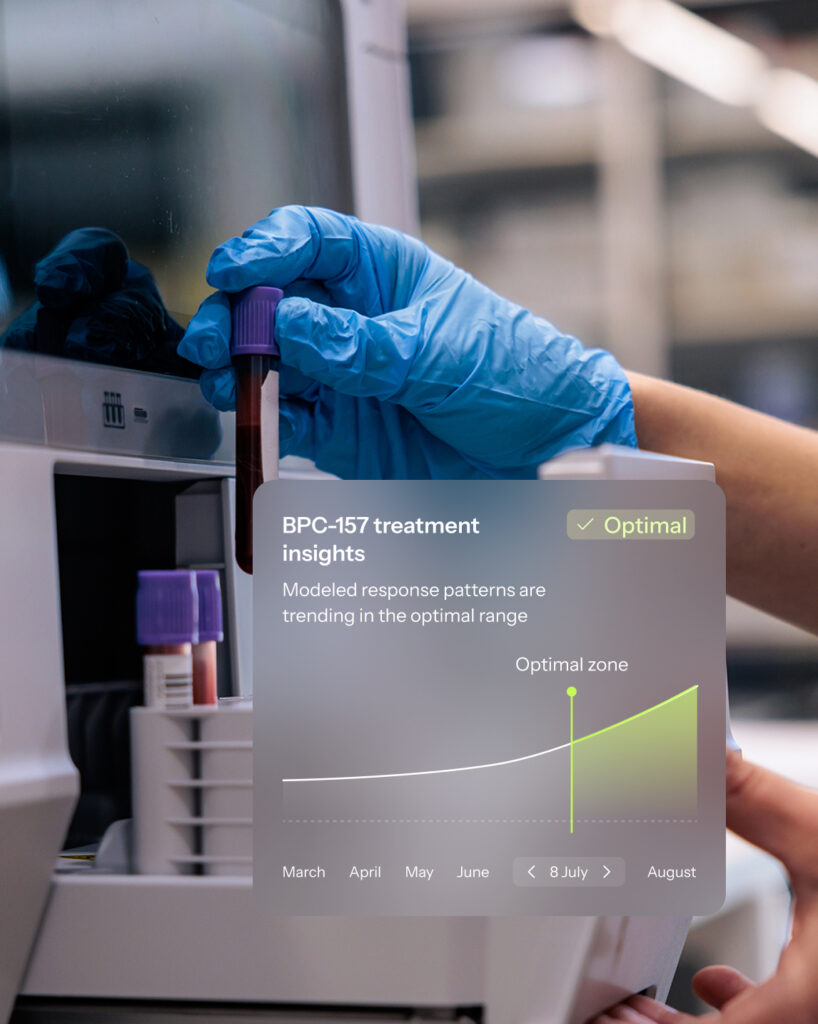
BPC-157 is promising, but not proven. Most of the research behind BPC-157 is preclinical, including animal and cell-model studies exploring tissue repair, blood-vessel formation, nitric oxide signaling, inflammatory balance, and gastrointestinal pathways.1 5
Human evidence exists, but is limited. A small human study suggested improvements in knee discomfort, while another human case series has reported improvement in interstitial cystitis.7 8
We’d rather tell you exactly where the science stands than turn early research into a promise it hasn’t earned.


Disclaimer
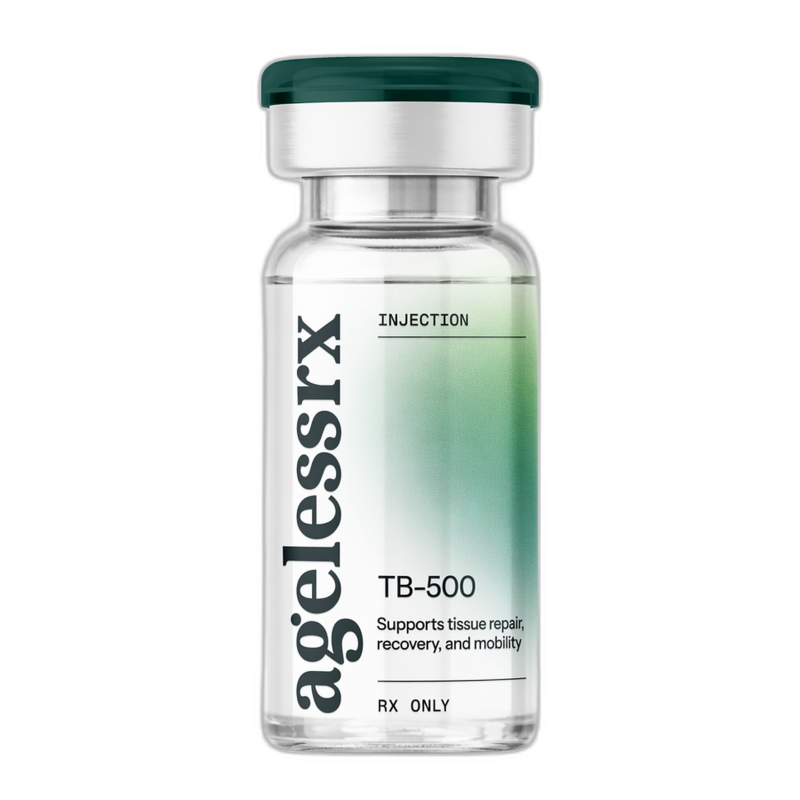
When your body takes longer to bounce back from workouts or physical stress, TB-500 is being studied for the cellular processes that help repair happen throughout the body.
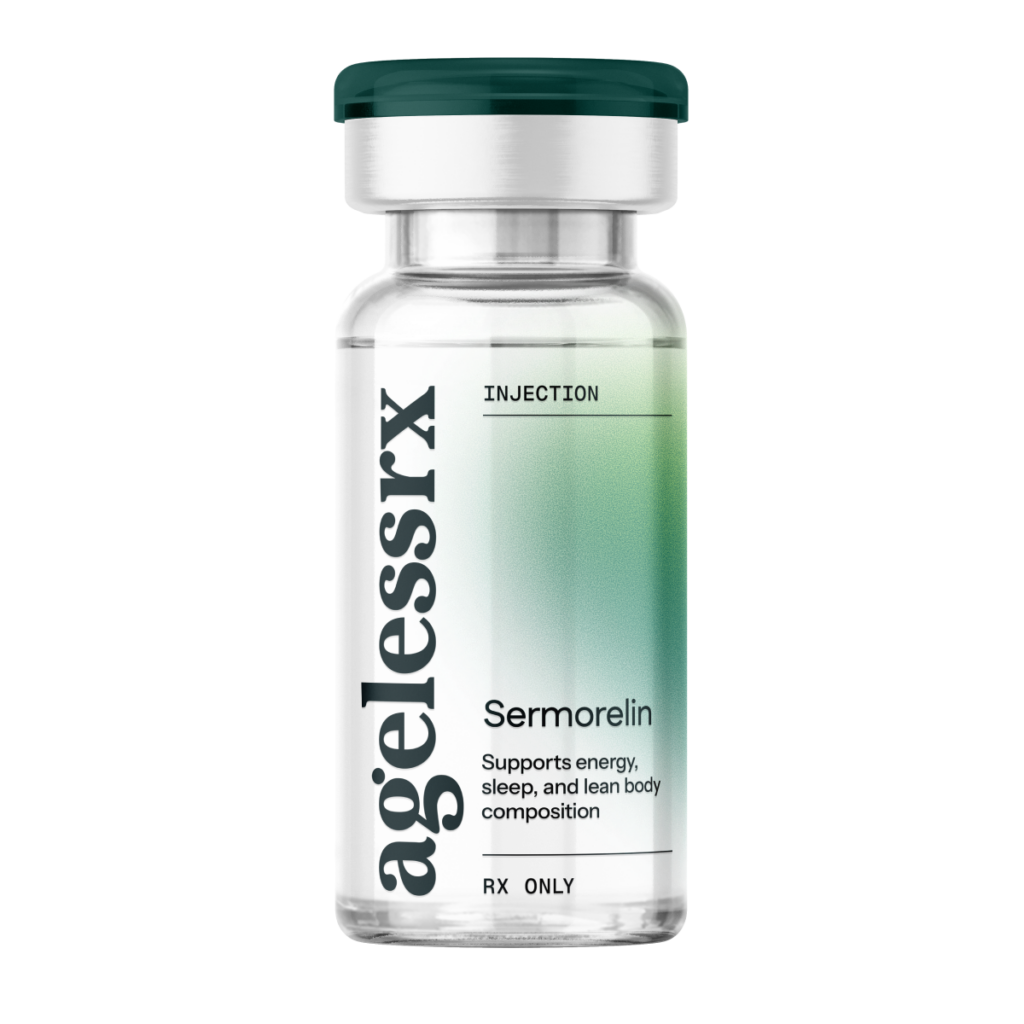
Supports energy, lean muscle mass, and strength by encouraging the body to replenish its own growth hormone gradually—without the risks of synthetic HGH.
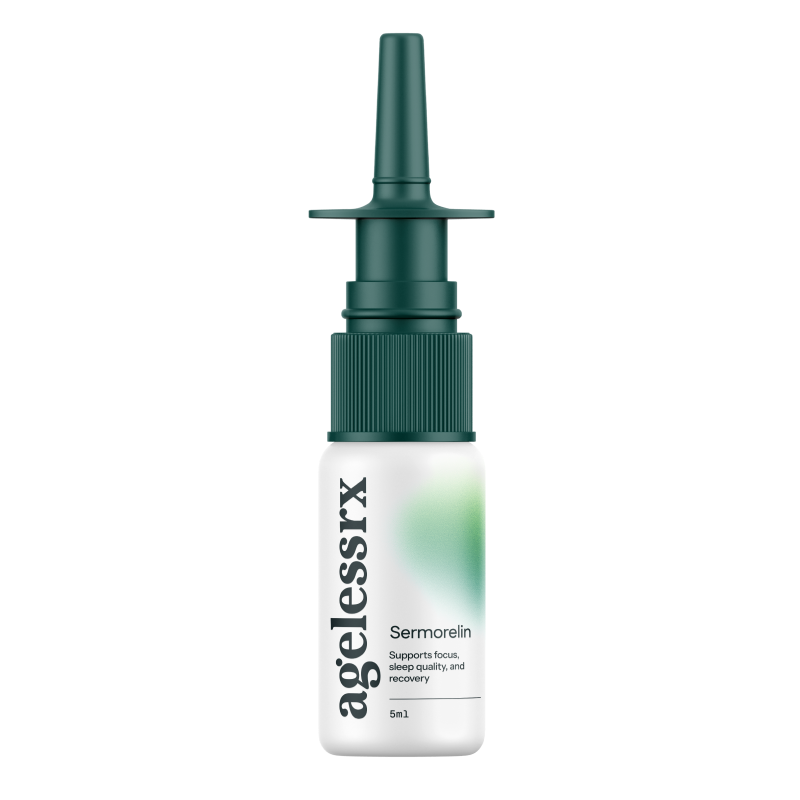
A targeted nasal spray that may support natural growth hormone signaling in the brain, helping promote deeper sleep, clearer thinking, and balanced recovery without injections.
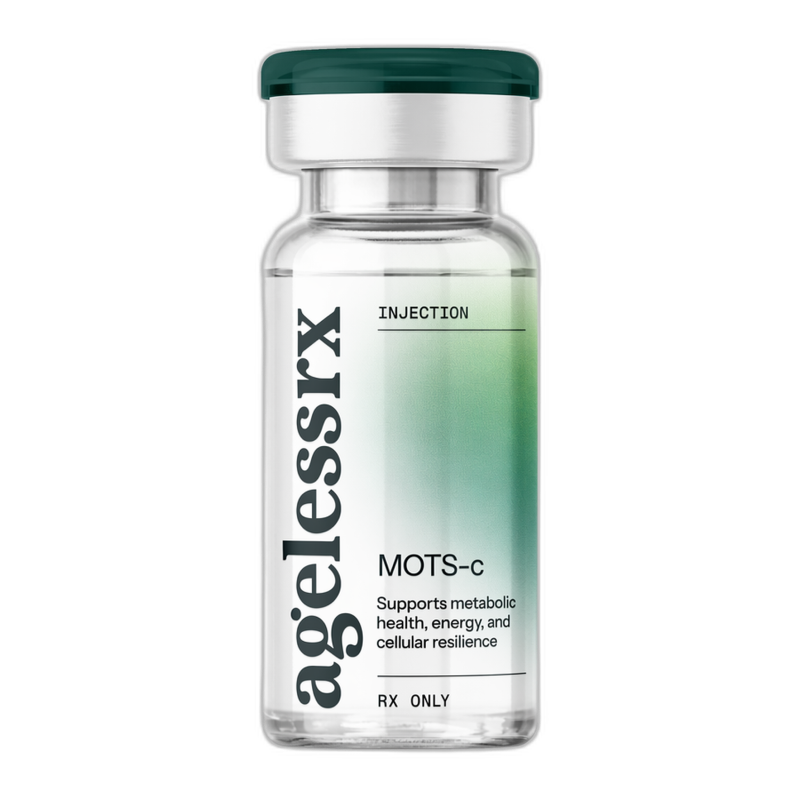
When energy and metabolism don’t respond like they used to, this peptide is being studied for its potential to support metabolic health, physical performance, and longevity.
No. BPC-157 is not FDA-approved, which means it has not gone through the FDA’s premarket review process for safety and effectiveness. It can still be prescribed as part of individualized care, which makes product quality and clinical oversight especially important. If you’re interested in exploring peptides, look for verified sourcing and quality documentation, licensed clinician review, individualized dosing, and ongoing support. Every peptide we offer is backed by ongoing clinician oversight, personalized care, and quality testing.
BPC-157 has generated a lot of interest because of what researchers have seen across tissue-repair and recovery pathways, but human safety data are still limited. We don’t pretend the science is further along than it is and that is a reason we started the AgelessRx Peptide Standard, backed by our Stanford PhD-led Research Team. A licensed clinician reviews your health history, medications, and individual risk factors before deciding whether BPC-157 may be appropriate for you.
Most people interested in BPC-157 are looking for better support for recovery. Researchers are studying its potential role across muscle, tendon, ligament, joint, and gastrointestinal repair pathways. While most of that evidence is still preclinical, the breadth of the research is a big reason BPC-157 has become one of the most talked-about peptides in recovery.
This is one of the biggest reasons BPC-157 gets attention. Animal and laboratory studies have explored its effects across tendon, ligament, muscle, and other tissue injuries, including pathways involved in repair and regeneration.³ We don’t yet have enough human research to say that BPC-157 heals injuries, but the early science is what makes it such an interesting area of study.
Potentially. BPC-157 has an interesting origin story: it comes from research into a protective compound found in the stomach. Preclinical studies have since explored its activity throughout gastrointestinal tissues and repair pathways.⁵ Human evidence is still developing, but gut-related research is one of the features that sets BPC-157 apart from many other recovery peptides.
Think of them as two different approaches to recovery biology. BPC-157 research spans angiogenesis, cellular repair, inflammatory signaling, and gastrointestinal pathways. TB-500 is studied more heavily around cell migration, actin regulation, and broader tissue-repair processes. They overlap in why people are interested in them, but they’re not doing exactly the same thing. BPC-157 and TB-500 monotherapies may be used together. Each is cycled 8 weeks on, followed by a minimum of 4 weeks off (4–8 weeks off recommended), with no back-to-back cycles. Neither monotherapy should be used at the same time as Wolverine, since Wolverine already contains both peptides.
The Wolverine Protocol combines BPC-157 and TB-500 to bring together two different approaches to tissue-repair biology. BPC-157 is studied across repair signaling and gastrointestinal pathways, while TB-500 is studied around cell migration and actin regulation. The idea is complementary support rather than simply doubling up on the same mechanism. Because Wolverine already contains both BPC-157 and TB-500, it should not be used at the same time as either monotherapy. It follows the same cycle: 8 weeks on, followed by a minimum of 4 weeks off (4–8 weeks off recommended), with no back-to-back cycles.