What Rapamycin may support


How Rapamycin works
Think of mTOR as a switch between growth and repair. When it stays turned toward growth for too long, cells have less time for cleanup.
Rapamycin may briefly turn that signal down, giving cells more time for autophagy, the process they use to clear damaged material and recycle worn-out parts.1
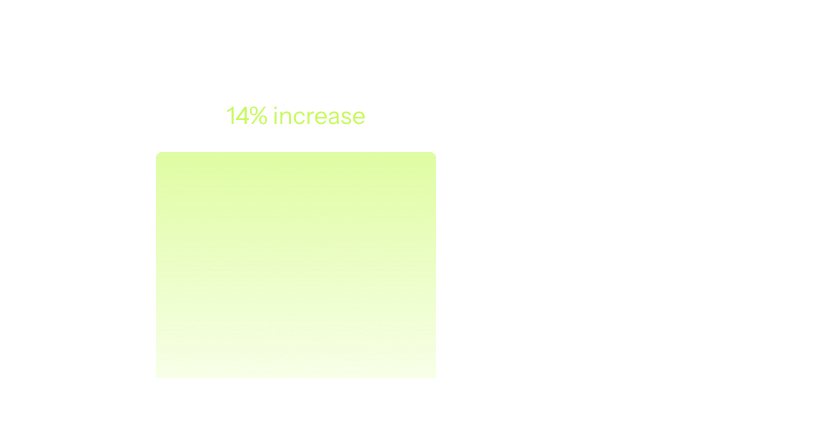
In mice, Rapamycin extended median lifespan up to about 14%.2

Rapamycin benefits

What we still don’t know
The team behind Rapamycin’s biggest healthy aging trial
Choose the experts in Rapamycin
Rapamycin
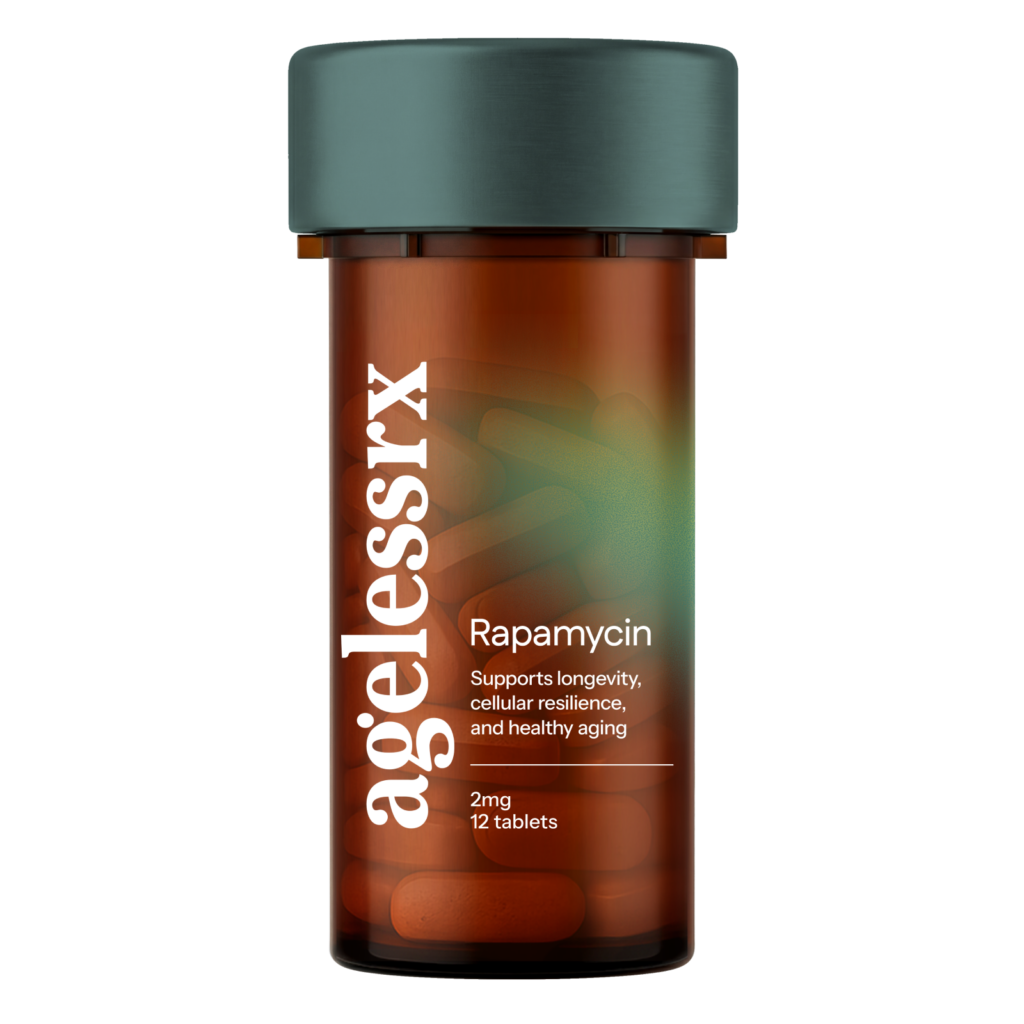
One of longevity’s most talked-about therapies, it has extended lifespan across every model organism studied by lowering mTOR, and helping cells clear damage, repair, and stay functional longer.

Frequently asked questions
No. Rapamycin has extended lifespan across many animal species and is the most-studied longevity molecule, but no completed human trial has shown it extends human lifespan. That research is ongoing.
No. Rapamycin (sirolimus) is FDA-approved to prevent organ-transplant rejection and for certain other conditions. Its use for longevity is off-label.
Both are absorbed, but our own research found generic Rapamycin is roughly three times as available, dose for dose, as compounded.4 A clinician helps choose based on your goals and labs.
It’s prescribed at low doses and adjusted with your clinician through regular lab monitoring. A provider guides the plan around your goals rather than a one-size-fits-all approach.
Rapamycin isn’t right for everyone. It can interact with some medications and with grapefruit, so a clinician reviews your health history, medications, and labs before prescribing.
Longevity benefits aren’t something you feel day to day. Your care team tracks labs and health markers over time, and individual response varies from person to person.