1 Week
Complete your intake, connect with your provider, and receive your personalized plan built around what has changed and what you want help with.


Your symptoms have answers. Personalized hormone care that evolves with you, with ongoing provider support, flexible treatment options, and transparent pricing.
After completing your medical intake, a licensed provider will review your symptoms and health history. Depending on your state, that review may take place during a live visit or online. Either way, you’ll receive a secure message with your personalized plan from your provider, where you’ll select and confirm your preferred treatments. After confirming your preferred treatment(s), your treatments will ship directly to your door.
Hormone therapy has been widely studied and is commonly prescribed to support symptoms associated with menopause.7 One of our trusted clinicians will review your health history to determine whether hormone therapy is appropriate for you.
Side effects vary by individual and hormone dose. Many improve as the body adjusts to treatment. The most common side effects of hormone therapy include breast tenderness, fluid retention and/or bloating, headache, mild mood changes, nausea, and/or spotting or breakthrough bleeding (early in therapy).
Less common side effects may include acne or oily skin (more common with DHEA), fatigue or dizziness, changes in menstrual cycle patterns, and hair thinning (reported with DHEA in some individuals).
Contact your provider if you experience persistent or worsening side effects, new vaginal bleeding after stabilization on therapy, or significant mood changes or unusual symptoms.
Though rare, serious side effects can occur. Please seek immediate medical attention if you experience blood clots (venous thromboembolism), elevated blood pressure, severe headaches, chest pain, leg swelling, shortness of breath, or severe allergic reaction.
Hormone therapy may interact with certain medications including:
Always inform your provider about all medications, supplements, and over-the-counter products you take.
Hormone therapy, including Estradiol, Micronized Progesterone, and DHEA, is offered as an adjunctive, supportive therapy intended to help relieve symptoms associated with hormone decline and improve quality of life. It is not a substitute for diagnosis or treatment of underlying medical conditions. Hormone therapy does not replace routine medical care, and patients should continue ongoing evaluation and treatment with their primary care provider and appropriate specialists. Treatment decisions are based on clinical symptoms, medical history, and laboratory evaluation when appropriate.
Hormone therapy is not appropriate for everyone. You should not use hormone therapy if you:
Certain individuals may require modified treatment approaches or additional monitoring, including those with:
Your AgelessRx provider will review your medical history to determine whether hormone therapy is appropriate and which formulation is most appropriate.
Do not use hormone therapy if you have an active cancer, or if you have a history of hormone sensitive cancers, such as breast or endometrial cancer.
Hormone therapy may influence certain cancer risks depending on individual health factors and duration of therapy. Use of Estradiol without Micronized Progesterone in individuals with an intact uterus increases the risk of endometrial cancer. When indicated, Micronized Progesterone is prescribed alongside Estradiol therapy to reduce this risk.
Your provider weighs potential benefits and risks before prescribing treatment. Routine screenings (such as mammograms and pelvic exams) should be maintained according to standard guidelines.
Do not use hormone therapy if you are pregnant, breastfeeding, or planning to become pregnant or breastfeed. If you become pregnant during hormone treatment, discontinue use immediately and consult your OB.
Though rare, allergic reactions to hormone therapy are still possible. If you notice any rash, shortness of breath, or swelling around your face, tongue, or throat, stop use and contact emergency services right away.
As with any prescription medication, the dose prescribed is for you and you alone. Do not, under any circumstances, allow anyone else to use your hormone therapy.
Note: The above statements have not been evaluated by the Food and Drug Administration. This product is not intended to diagnose, treat, cure, or prevent any disease.
Disclaimer

Menopause is so much more than hot flashes—and it’s time someone took the rest of it seriously. That’s where we come in.
From low energy and poor sleep to brain fog, mood changes, and a lower sex drive, our hormone-trained team builds a personalized plan around what’s affecting how you feel every day.
| Treatment | Member price |
|---|---|
| Progesterone Capsule | $43/mo |
| Estradiol Pill | $24/mo |
| Estradiol Cream | $53/mo |
| Estradiol Patch | $75/mo |
| DHEA Pill | $36/mo |
| DHEA Cream | $46/mo |
| DHEA Suppository | $68/mo |
Complete your intake, connect with your provider, and receive your personalized plan built around what has changed and what you want help with.

Complete your intake, connect with your provider, and receive your personalized plan built around what has changed and what you want help with.




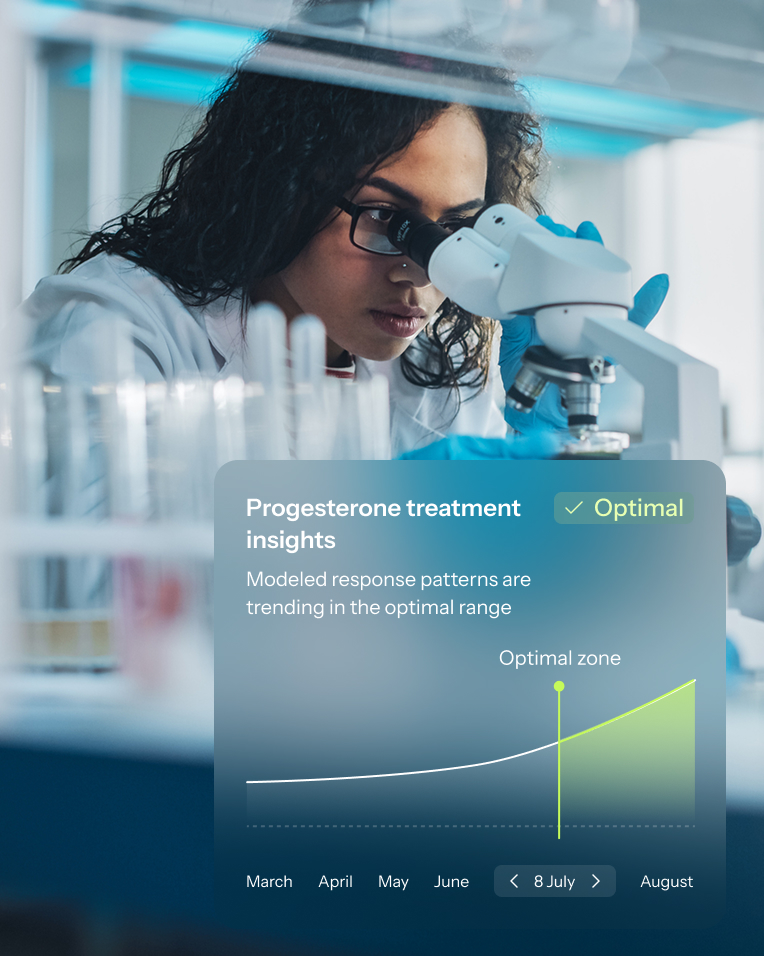
Clinically studied
Hormones are chemical messengers that help coordinate nearly every major system in the body—from sleep, mood, and focus to energy, metabolism, sexual health, and bone strength.
During perimenopause and menopause, changing levels of Estrogen, Progesterone, and DHEA can disrupt those signals. Hormone therapy works by supporting the signals that have shifted, helping address the underlying hormonal changes rather than treating each symptom as a separate problem.
$50/month
Member medication from $24/mo
What’s included




Disclaimer
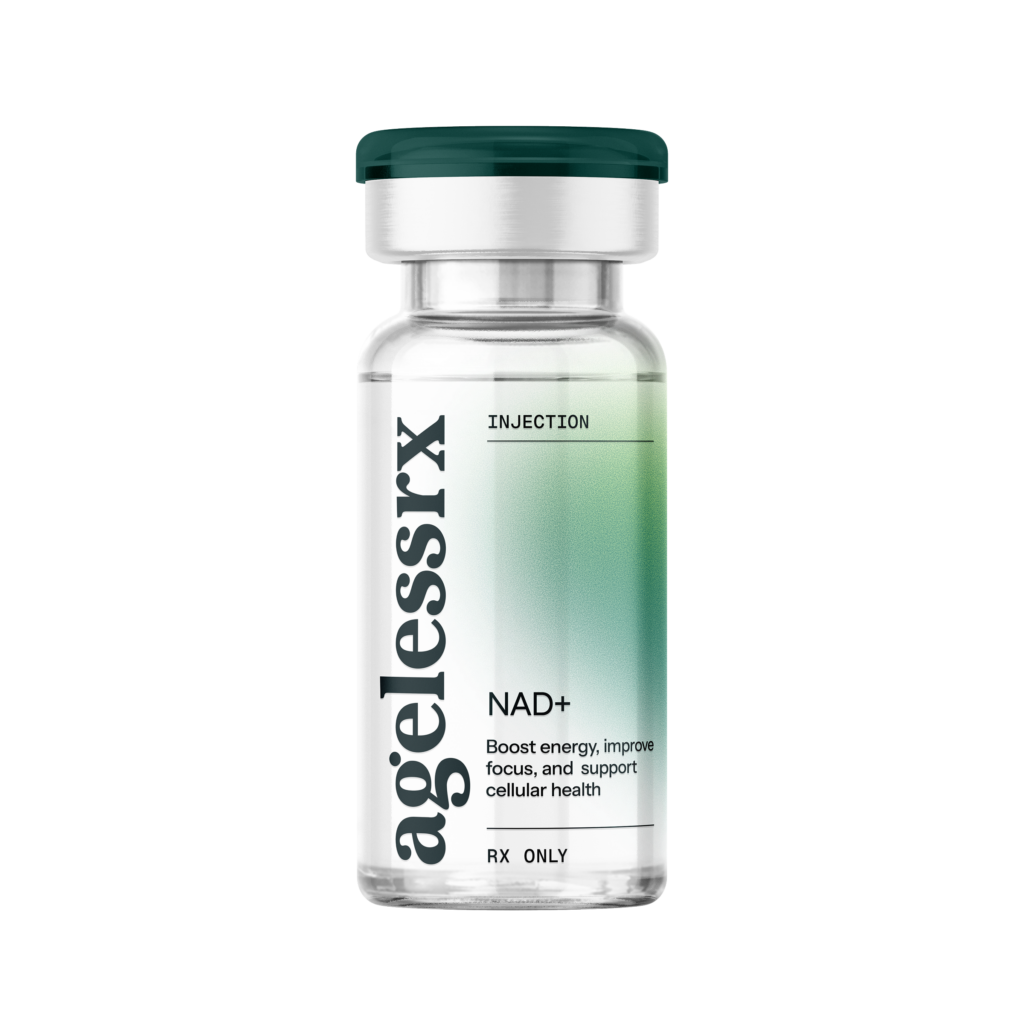
Boost energy, improve focus, and support cellular health with one of the most effective methods of restoring depleted NAD+ levels for a fraction of the cost of IV infusions.
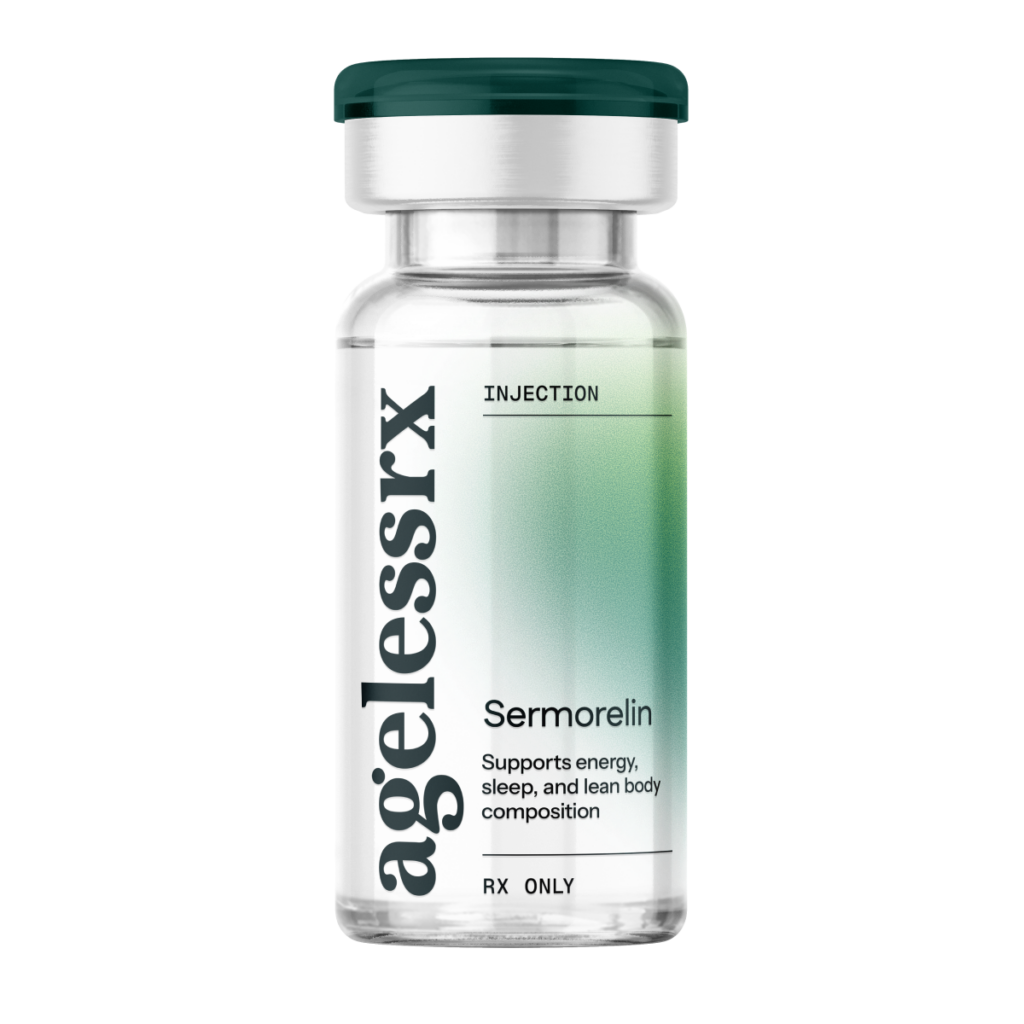
Supports energy, lean muscle mass, and strength by encouraging the body to replenish its own growth hormone gradually—without the risks of synthetic HGH.
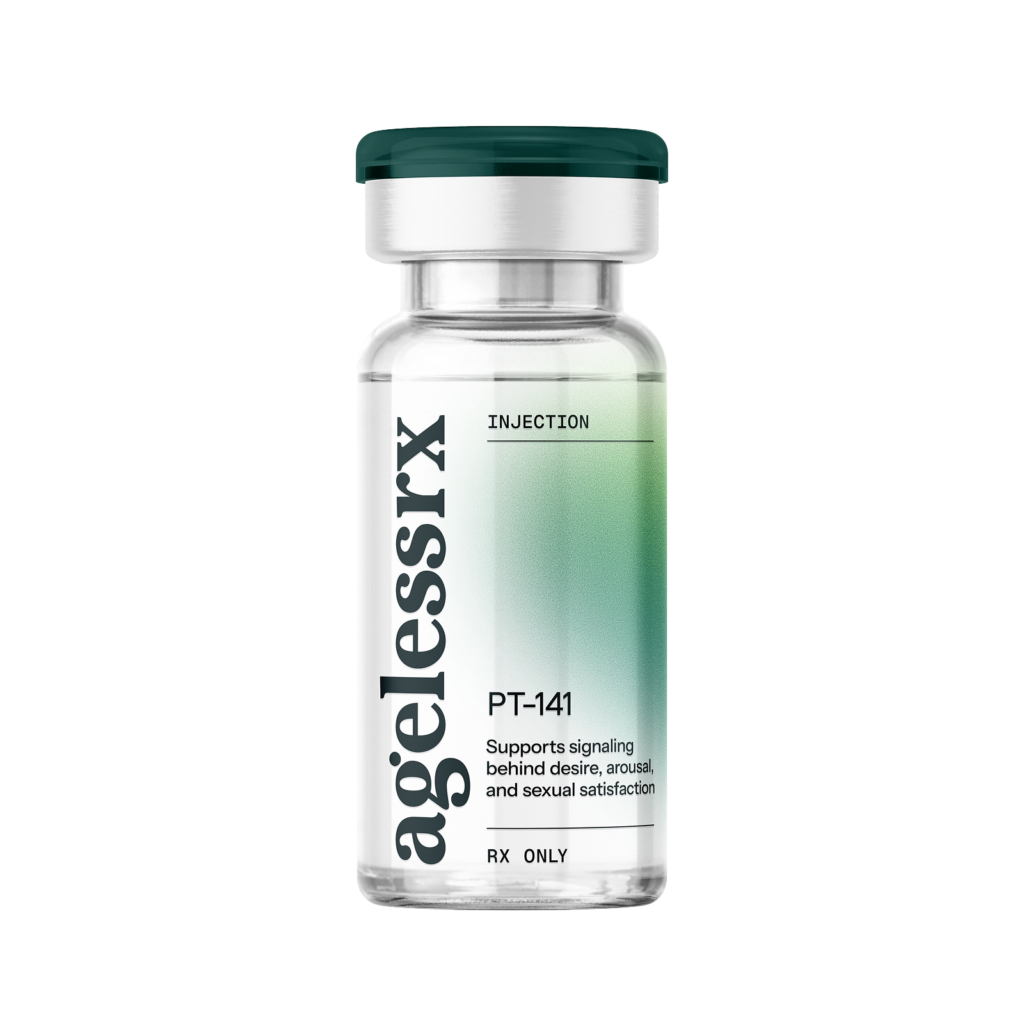
When attraction is still there but desire isn’t, support the brain pathways behind arousal and responsiveness—helping intimacy feel more natural again.
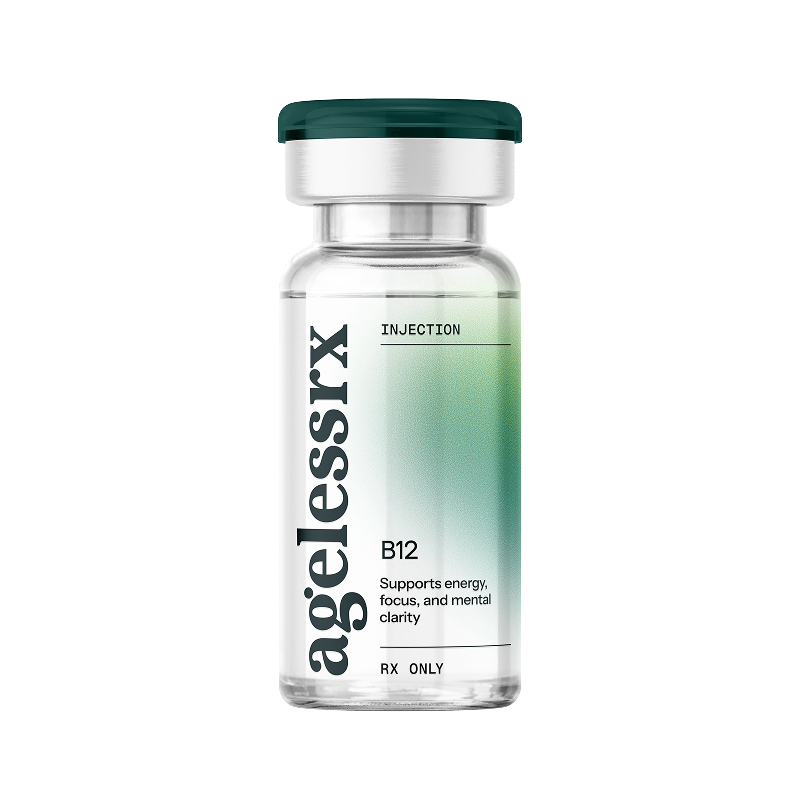
Boost energy, improve focus, and fight fatigue with one of the most efficient ways to restore B12 levels that naturally decline with age, delivering more reliable results than supplements.
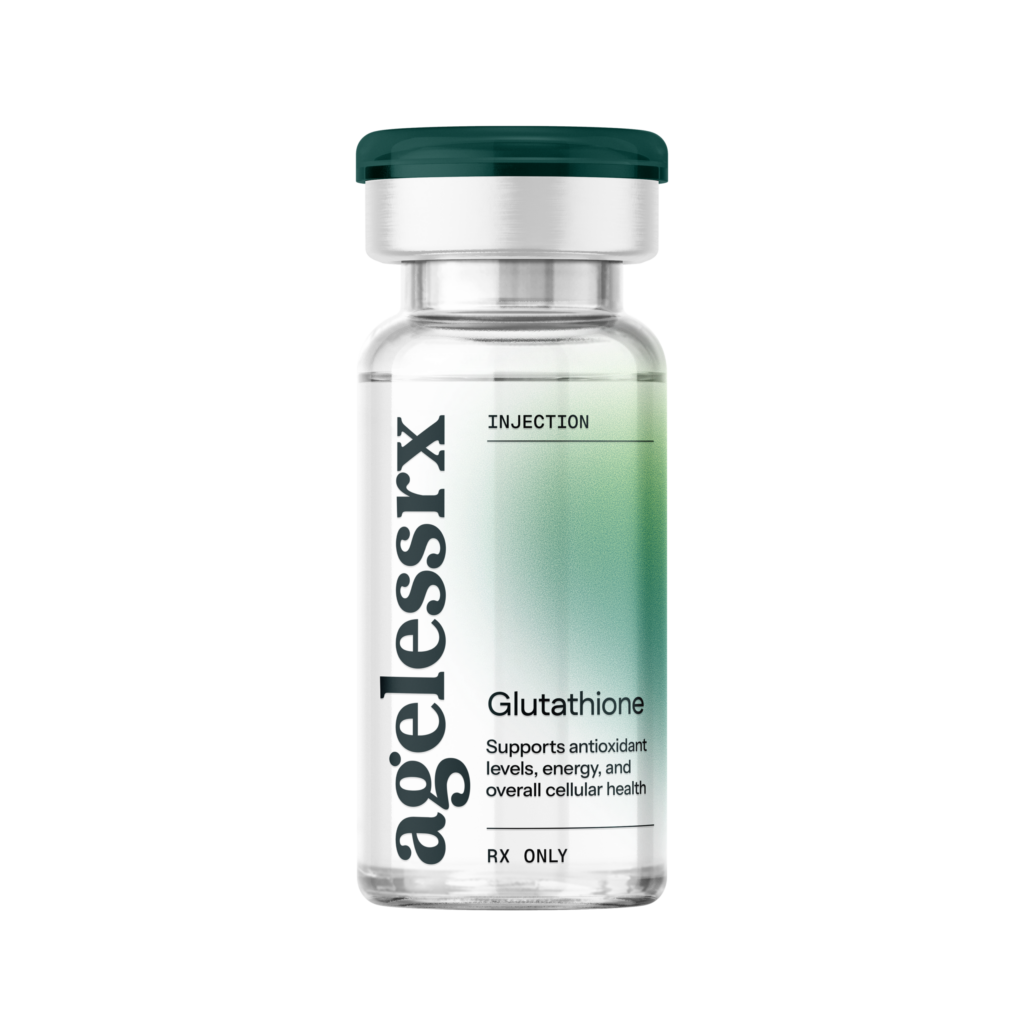
Support energy, immunity, cellular detox, and healthy skin by helping replenish the body’s master antioxidant that naturally declines with age.
Estradiol is one of three major types of estrogen produced naturally within the body.
Estradiol levels gradually decline with age and significantly drop with perimenopause and menopause. This may lead to symptoms like hot flashes and vaginal dryness; signs of aging skin like thinning skin, reduced skin elasticity, and decreased collagen levels; and hallmarks of aging like inflammation, bone loss, and cognitive decline.1 3 10
When used as part of bioidentical hormone replacement therapy (BHRT), Estradiol is designed to be bioidentical to human Estradiol, replacing depleted levels that may alleviate the symptoms of perimenopause, menopause, and aging.
Oral Estradiol, Estradiol Cream, and Estradiol Patch all contain bioidentical Estradiol. The only difference is how you take the medication: Oral Estradiol tablets should be swallowed by mouth with a glass of water, while Estradiol Cream should be rubbed evenly where your provider directs, typically the inner arm or thigh. Never apply Estradiol Cream to breast tissue. Estradiol Patch is applied to clean, dry skin on the lower abdomen or buttocks—never on breast tissue—and application sites rotated with each new patch. Always check your AgelessRx portal for your personalized dosing instructions.
Many women notice improvements within a few weeks, while some benefits may take several months to notice. However, results may vary from person to person. For the best results, take Estradiol consistently for as long as you need to manage perimenopause or menopause symptoms.
The most common side effects of Estradiol therapy include breast tenderness, fluid retention or bloating, and vaginal bleeding or spotting. If you experience nausea, try taking your dose with food. Limiting the salt content in your diet may also help reduce bloating.
Talk to your provider if your side effects become bothersome. If you experience vaginal bleeding, reach out to your provider immediately.
Progesterone is a key hormone for women’s health, alongside Estrogen and Testosterone, helping regulate the menstrual cycle, body temperature, sleep, uterine health, bone health, cardiovascular health, cognitive function, and mood. Progesterone also helps balance the effects of Estrogen: where Estrogen controls the first half of the menstrual cycle, Progesterone controls the second half, or the luteal phase.
Both Estrogen and Progesterone levels slowly decline with age, and significantly drop with perimenopause and post-menopause. Taking Estrogen alone to treat these symptoms can increase the risk of uterine cancer, but combining bioidentical Progesterone balances these hormones and reduces the risk.
Progesterone works by binding to various receptors throughout the body, including those responsible for menstruation, sleep, and mood. When Progesterone levels start declining from age, perimenopause, and post-menopause, it can no longer influence these receptors as efficiently, leading to menstruation irregularities, mood changes, sleep disturbances, headaches, and weight gain.
When used as part of bioidentical hormone replacement therapy (BHRT), Progesterone is designed to be chemically equivalent to natural Progesterone, replenishing depleted levels and restoring menstrual, sleep, body temperature, and mood cycles while protecting uterine health, cardiovascular health, bone health, and cognitive function.
The most common side effects of Progesterone therapy include drowsiness, dizziness, breast tenderness, headache, mood changes, bloating or fluid retention, and irregular periods or cessation of periods. The risk and severity of many of these side effects can be reduced by taking Progesterone at least 2 hours after your last meal at bedtime. Reducing salt in your diet may also help reduce bloating.
Drowsiness and dizziness may affect daytime activities and become dangerous if operating vehicles or machinery. To reduce the risk of daytime drowsiness, always take Progesterone before bedtime. Nausea and fatigue are less common side effects of Progesterone that often go away on their own as your body adjusts to the medication.
Talk to your provider if your side effects become bothersome. If you experience vaginal bleeding, reach out to your provider immediately for guidance.
Dehydroepiandrosterone (DHEA) is a steroid hormone produced by the adrenal glands, the same glands responsible for cortisol and adrenaline production. Here, DHEA serves a dual function as a precursor to Testosterone and Estrogen, acting as the building block to selectively build these hormones as needed; and a signaling molecule that balances metabolism, mood, immunity, and brain function.
DHEA levels gradually decline with age, then drop significantly with perimenopause and post-menopause. Low DHEA levels can lead to fatigue, mood changes, low libido, vaginal atrophy, and metabolic decline.
When used as part of bioidentical hormone replacement therapy (BHRT), DHEA is bioidentical to endogenous human DHEA and may help support declining levels associated with perimenopause, menopause, and aging. As a precursor hormone, it can be converted into androgens and estrogens, potentially contributing to improvement in related symptoms.
The most common side effects of DHEA, when used as part of bioidentical hormone replacement therapy (BHRT), include acne, hirsutism (facial or body hair growth), and thinning hair or hair loss. Spironolactone, an anti-androgen medication, may help block these effects; your provider may recommend Spironolactone as part of your treatment plan if you experience any of these symptoms. Always talk to your provider if your side effects become bothersome.
Oral DHEA, DHEA Cream, and DHEA Suppositories all contain bioidentical DHEA. The only difference is how you take the medication: Oral DHEA tablets should be swallowed by mouth with a glass of water, while DHEA Cream should be rubbed evenly where your provider directs. Never apply DHEA Cream to breast tissue. DHEA Suppositories are inserted vaginally and are designed to support vaginal health and comfort. Always check your AgelessRx portal for your personalized dosing instructions.