TB‑500 Peptide:
What does it do?
What TB‑500 supports


How does TB‑500 Peptide work?
Think of tissue repair like a job site. Before rebuilding can begin, repair-related cells and nutrients must reach the affected area.
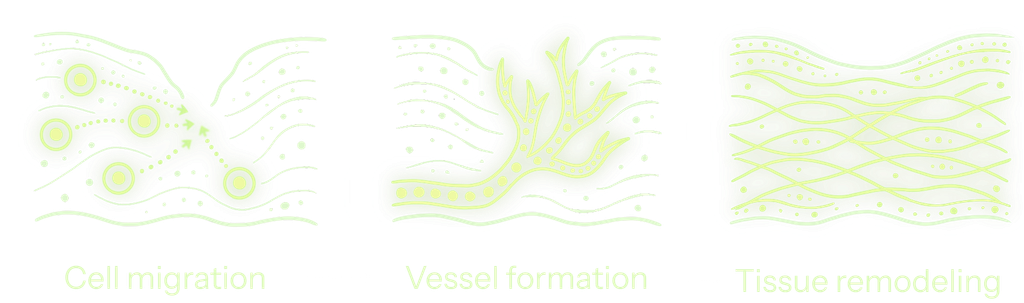
TB‑500 Peptide contains a short sequence associated with an actin-binding region of Thymosin Beta-4. Actin helps cells maintain their structure and move. Researchers are investigating whether this relationship could influence three processes involved in repair: cell migration, blood-vessel formation and tissue remodeling.6
Three repair steps: cell migration, vessel formation, and tissue remodeling.1 6

TB‑500 Peptide benefits

What we still don’t know about TB‑500 Peptide
The AgelessRx Peptide Standard
Choose the experts in peptide care
BPC-157 Injection
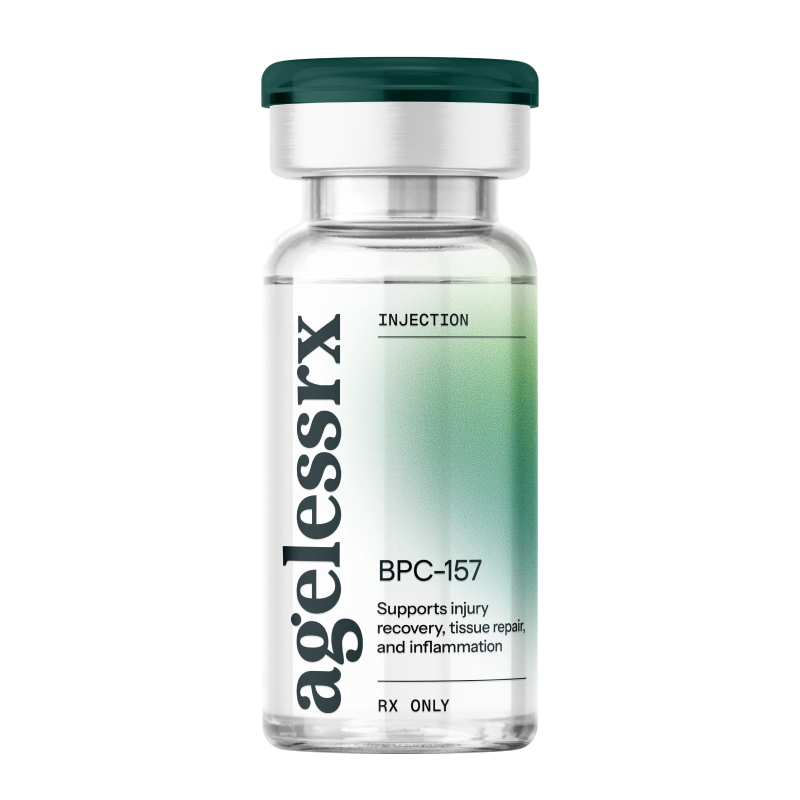
When soreness sticks around longer or recovery isn’t what it used to be, BPC-157 is being studied for the repair signals that help the body respond and rebuild.
MOTS-c Injection
When energy and metabolism don’t respond like they used to, this peptide is being studied for its potential to support metabolic health, physical performance, and longevity.
Sermorelin Injection
Supports energy, lean muscle mass, and strength by encouraging the body to replenish its own growth hormone gradually—without the risks of synthetic HGH.
PT-141 Injection
When attraction is still there but desire isn’t, support the brain pathways behind arousal and responsiveness—helping intimacy feel more natural again.
GHK-Cu Copper Peptide Cream
Support firmer, smoother-looking skin with a naturally occurring copper peptide that helps restore the repair and renewal processes that decline with age.
Sermorelin Nasal Spray
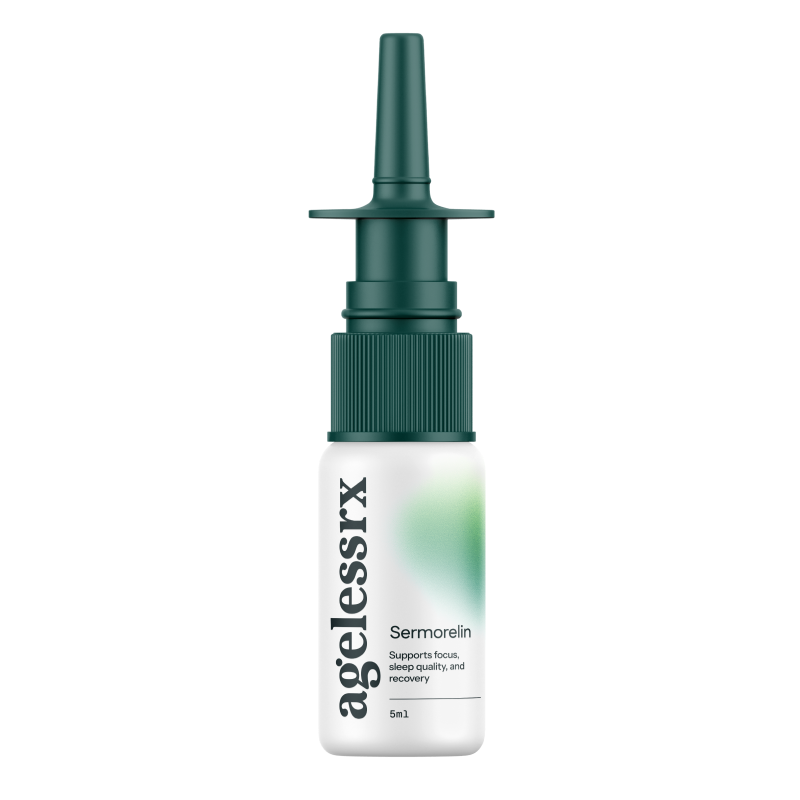
A targeted nasal spray that may support natural growth hormone signaling in the brain, helping promote deeper sleep, clearer thinking, and balanced recovery without injections.

Frequently asked questions
TB‑500 Peptide is a synthetic seven-amino-acid fragment associated with amino acids 17–23 of Thymosin Beta-4. Thymosin Beta-4 is a naturally occurring 43-amino-acid protein involved in cell movement and tissue-repair signaling. TB‑500 and Thymosin Beta-4 are related, but they are not the same substance.
Researchers are studying processes connected with cell migration, blood-vessel formation, connective-tissue repair and tissue remodeling.1 2 6 Most frequently cited findings come from laboratory or animal studies of full-length Thymosin Beta-4 rather than direct human studies of TB‑500 Peptide.
TB‑500 contains a sequence associated with an actin-binding region of Thymosin Beta-4. Actin helps cells maintain their structure and move. Researchers are investigating whether this relationship could influence cell migration, angiogenesis and tissue remodeling.1 2 6 These proposed mechanisms have not established a clinical benefit in humans.
No. Thymosin Beta-4 is a naturally occurring protein containing 43 amino acids. TB‑500 is a synthetic seven-amino-acid fragment associated with one region of that protein. Findings involving the complete protein should not automatically be treated as evidence about TB‑500 Peptide.
No. TB-500 is a compounded medication that has not been approved or authorized by the FDA. It is compounded under an interim HHS enforcement discretion policy that may be revised or rescinded at any time, and may not be available in all states. Evidence on MOTS-c safety and effectiveness in humans is limited, and it is not appropriate for everyone. Treatment is available only if prescribed by a licensed clinician following an individual evaluation.
A reliable human safety profile has not been established. Important unanswered questions include the potential for immune reactions, impurities, repeated-exposure risks and long-term effects. Limited safety data should not be interpreted as evidence that TB‑500 Peptide is safe.
TB‑500 Peptide and BPC‑157 are frequently discussed together because both are being studied in connection with tissue-repair pathways.7 However, adequate human evidence has not established that combining them is safe, effective or more beneficial than using either peptide independently.