Day 1
Within hours, Metformin begins working in the liver and gut, where it may help reduce how much extra sugar enters the bloodstream.5

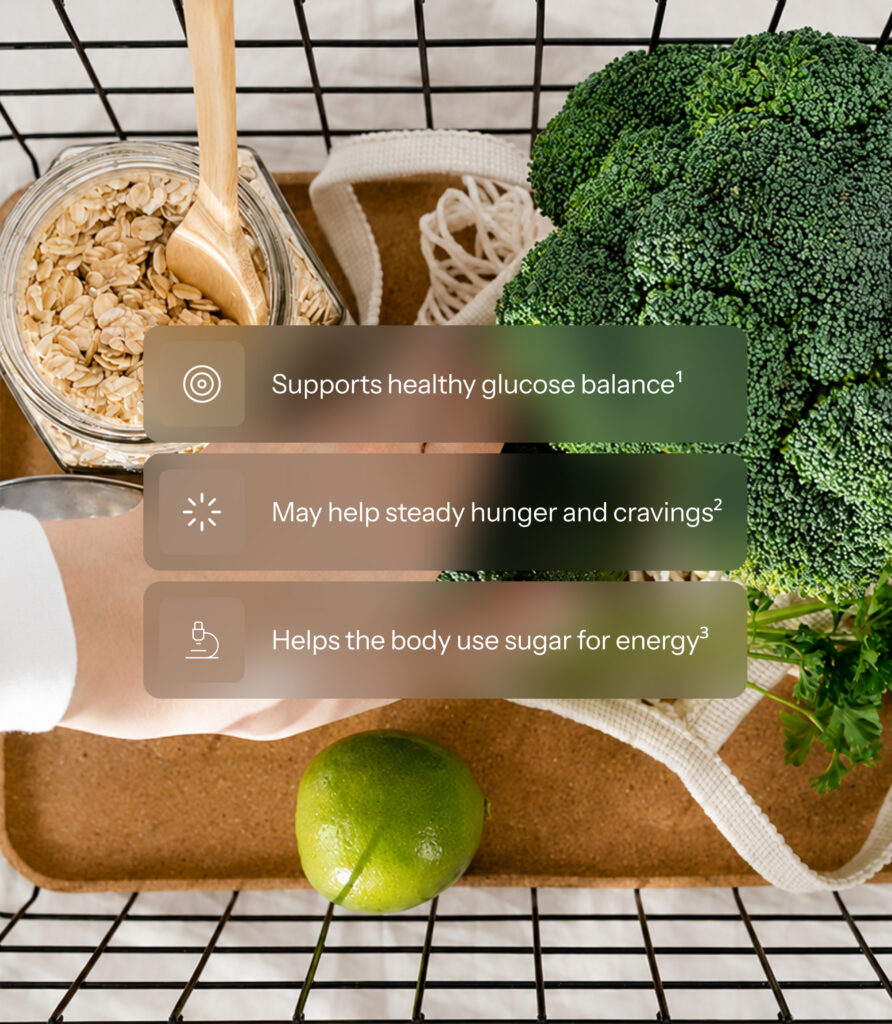

A once-daily pill that may help the body use sugar more efficiently, support appetite control, and build a stronger metabolic foundation for long-term health.
Metformin is a prescription medication with over 60 years of safety data.3 Research suggests Metformin activates AMPK, an energy sensor inside cells.6 Think of it as flipping a switch that tells the body to burn stored energy, clean out cellular waste, also known as autophagy, and reduce inflammation.7 This may activate some of the same cellular pathways associated with calorie restriction and exercise, two of the most well-established longevity levers.8
Targeting these pathways with precision may help overcome biological resistance to change that accumulates with age.9
These mechanisms form the basis for Metformin’s growing interest as a longevity intervention, including the first-ever FDA-approved longevity clinical trial (Targeting Aging with Metformin, TAME) built to study its effects on preventing age-related disease and extending longevity.4 Metformin is widely prescribed off-label by US-licensed providers based on a growing body of peer-reviewed research demonstrating effects on slowing organ aging and reducing the incidence of age-related disease.1 0
No. While Metformin is FDA-approved for type 2 diabetes, it is widely used off-label for its potential metabolic and longevity benefits in non-diabetic individuals. Research suggests Metformin may help support insulin sensitivity, cognitive function, heart health, and cellular health in people without diabetes.3 1 1
The most commonly reported side effects of Metformin are gastrointestinal in nature and may include nausea, stomach upset, or diarrhea, particularly when first starting the medication. These side effects are often mild and may decrease over time as the body adjusts. Taking Metformin with food and starting at a lower dose may help reduce gastrointestinal discomfort.
Long-term use of Metformin may also affect Vitamin B12 absorption in some individuals, which is why monitoring B12 levels is recommended. Please see important safety information and consult your provider about the potential risks and benefits.
Start with half a tablet or one tablet daily with food, and increase to your prescribed dose over the following days as your body adjusts. If prescribed, a US-licensed provider will provide a tailored dosage schedule and specific treatment instructions with your care plan.
Metformin is generally a safe and well-tolerated medication. In 1997, Metformin was included in the World Health Organization’s List of Essential Medicines, a catalogue of the safest and most effective medications available.
You must stop taking Metformin at least a week before any surgical procedure or medical diagnostic requiring contrast, such as a CT scan. If you are unsure if you should stop Metformin for any surgery or medical procedure, please ask the doctor ordering the test or procedure.
Most common Metformin side effects
Gastrointestinal (GI) side effects are common when first starting Metformin, but often go away on their own within a few weeks. Side effects may return when increasing your dose.
Our patients report* the following as the most common side effects of Metformin:
Most people start with a small dose and slowly increase to their prescribed dose to avoid stomach discomfort.
To help prevent side effects from occurring or persisting, try the following strategies:
Read our blog for more information on how to minimize Metformin side effects.
Metformin has been associated with vitamin B12 deficiency in clinical studies. This risk may be higher in those prescribed higher doses of Metformin. Our providers often recommend taking B12 Injections or B12 supplements to minimize the risk of deficiency. If you notice symptoms of B12 deficiency, contact your prescriber or your general healthcare provider.
For a full list of possible side effects, please review the Mayo Clinic’s Metformin resources.
Do not use Metformin if you are pregnant, breastfeeding, or planning to become pregnant or breastfeed. If you become pregnant during treatment, discontinue immediately and consult your OB.
Note: The above statements have not been evaluated by the Food and Drug Administration. This product is not intended to diagnose, treat, cure, or prevent any disease.
*Actual results may vary. Data was self-reported by 12,100 surveyed customers who checked in with their provider between 1/1/23 and 9/22/25, after 30 days of starting Metformin. All respondents are AgelessRx Metformin customers who were approved for a prescription and recommended a dose of 1,000mg/day after completing an assessment with a medical provider. Data does not account for patients who may experience multiple side effects.
Disclaimer

Metformin may help with more than metabolism.









Clinically studied






Disclaimer

A clinician-guided GLP-1 treatment plan designed to support appetite regulation, metabolic health, and long-term care beyond the scale.
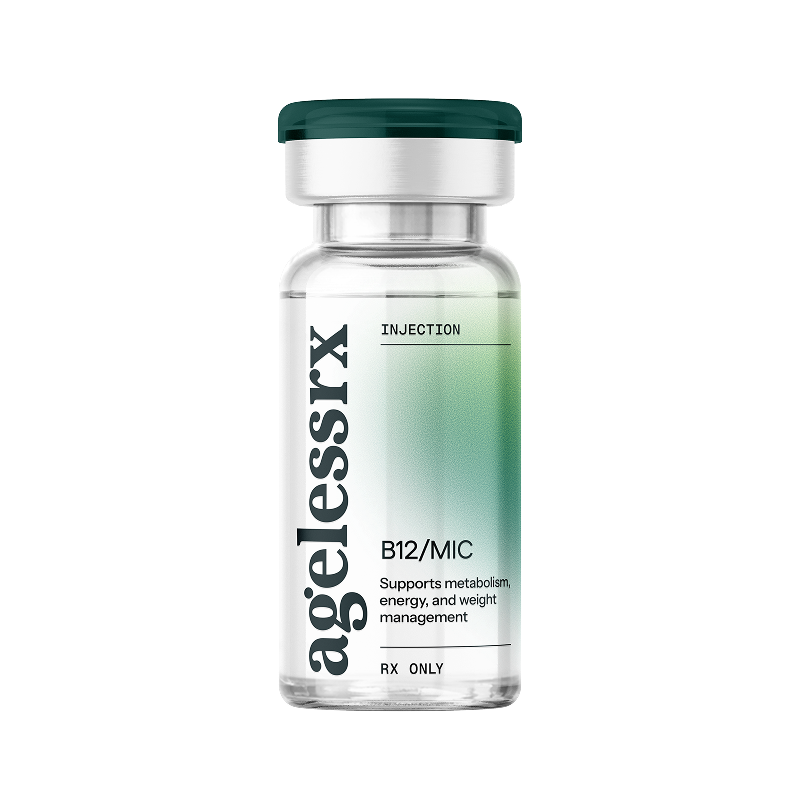
Support steady weight loss, restore energy, and promote healthy metabolism with a targeted blend of vitamin B12 and lipotropic nutrients tailored to enhance the body’s natural fat-burning systems.

Support steadier blood sugar after starchy meals to help reduce glucose spikes and promote healthier energy, metabolism, and long-term health.

One of longevity's most promising classes of treatments, this daily pill helps remove 50–80g of glucose per day while mimicking metabolic signals associated with caloric restriction.
Metformin is not a weight loss medication, but research suggests it may help support weight management in some individuals, particularly those with insulin resistance or metabolic dysfunction. Metformin may help support insulin sensitivity and healthy glucose metabolism, which may play a role in appetite regulation and fat storage.
It is generally not recommended for individuals with significant kidney impairment, liver dysfunction, a history of lactic acidosis, or those who consume alcohol heavily. Metformin is also not prescribed for individuals with an HbA1c above 7.5, as this may indicate a level of blood sugar dysregulation that requires more comprehensive medical management.
Individual experiences vary. Some may begin noticing initial changes such as more stable energy levels and reduced appetite within the first few weeks of consistent use. Changes in blood sugar levels may become more noticeable over 2–3 months, particularly when monitored with tools like a Continuous Glucose Monitor.
Some people notice changes in appetite or energy within the first few weeks; others feel less directly since much of what Metformin supports happens at the cellular level. Blood sugar and metabolic markers, biological age testing, and routine labs are the more reliable way to track progress over time. Your AgelessRx provider will monitor your results and may adjust your protocol as needed.
Many of our users use Metformin as part of a broader longevity protocol alongside other treatments, such as NAD+, Rapamycin, Microdosing GLP-1, and Vitamin B12. Your care team will continue to monitor your progress and adjust your protocol over time.
Some research suggests Metformin may blunt certain exercise adaptations, particularly muscle gains from strength training, in some individuals. This effect isn’t universal and appears dose- and person-dependent. If you strength train regularly, mention this to your provider. Your dose and protocol can be adjusted based on your goals and how your body responds.