
How Long Does LDN Take to Work?

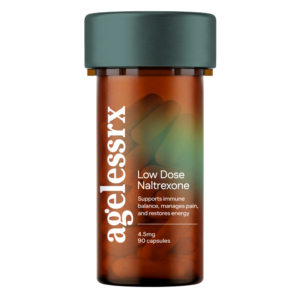
Editor’s note: This article was written by AgelessRx Co-Founder, Dr. Sajad Zalzala based on his experience and expertise.
Low Dose Naltrexone (LDN) has become a go-to treatment for those with chronic health conditions, thanks to its versatility in immune system support and anti-inflammatory properties.
As interest in LDN grows, many wonder how it will fit into their long-term health goals. How long will it take for symptoms to go away? How long do you have to take LDN? Will the pain come back if you stop taking LDN?
This guide covers the potential benefits of short- and long-term use of LDN, with insight on how patients and doctors can work together to optimize its duration based on individual health needs.
Key takeaways:
- LDN (1.5-9 mg) boosts endorphin production and modulates the immune system to reduce inflammation
- Pain and sleep may improve within weeks, but autoimmune conditions can take 6-12 weeks or longer
- Long-term use is well tolerated, with only mild side effects reported at low doses
- Tapering off is possible once inflammation stabilizes, but many patients notice symptoms return without it
- Our QoL data shows long-term LDN users report reduced fatigue, decreased pain, and improved energy
What Is Low Dose Naltrexone?
Low Dose Naltrexone, or LDN, is just Naltrexone taken at low doses. A low dose of Naltrexone is usually between 1.5 and 9 milligrams, most commonly 4.5 mg.
Known originally as a high-dose medication for addiction, Naltrexone taken at low doses has shown wide-ranging potential to treat chronic pain, autoimmune diseases, and even certain neurological disorders.
At the doses listed above, Naltrexone temporarily blocks receptors, leading to a “rebound” effect that increases endorphin production. These natural chemicals, which we can think of as “feel-good” hormones, play key roles in pain relief, mood enhancement, and immune regulation.
LDN’s ability to modulate the immune system, coupled with its anti-inflammatory effects, has positioned it as a popular option for those seeking to improve their healthspan (the years spent in good health) and numerous other chronic conditions. Its growing role as a gerotherapeutic, a medication that may slow biological aging processes, also makes it an attractive option for individuals interested in longevity.
The Diverse Health Benefits of LDN
LDN’s longevity benefits give it vast therapeutic potential spanning a range of medical categories, including:
- Chronic pain relief: Conditions like fibromyalgia, complex regional pain syndrome, and chronic back pain often improve with LDN. This is thanks in part to its endorphin-boosting and anti-inflammatory effects.
- Autoimmune disease support: LDN’s immune-modulating effects can reduce inflammation and re-balance an overactive immune system. These benefits make it a valuable tool for conditions like Hashimoto’s thyroiditis, Crohn’s disease, lupus, and multiple sclerosis.
- Neurological and mental health benefits: LDN shows potential benefits for neuroinflammatory conditions, including Alzheimer’s, Parkinson’s, and multiple sclerosis. Its positive effects on mood and reduced inflammation have also made it a candidate for managing depression and anxiety.
The connection between chronic inflammation and aging, often referred to as “inflammaging,” suggests that LDN’s ability to reduce systemic inflammation may provide both symptom relief and long-term health benefits.
LDN’s Role in Longevity and Gerotherapeutics
LDN targets multiple hallmarks of aging, including cellular repair, reduced inflammation, and immune regulation. For this reason, some consider it a viable longevity tool.
The hallmarks are biological processes that deteriorate with age, leading to chronic diseases and health decline. By tackling issues like inflammation and immune dysfunction, LDN may slow these aging mechanisms and extend healthspan.
Because of these effects, LDN has become a topic of interest as a potential gerotherapeutic treatment. Ongoing research suggests it may reduce age-related risks by helping the body maintain homeostasis, resist inflammation, and support cellular integrity.
Recommended Duration of LDN Use
LDN is an excellent long-term medication due to its health benefits and potential for longevity. Many patients experience lasting improvements in healthspan and quality of life while on LDN, making it a favorable choice for ongoing use.
However, there are cases where patients may wish to taper off LDN once they feel they have maximized its benefits or achieved symptom relief: “Some patients might reach a point where they feel they are ‘over’ their health issue and can try tapering off,” says Dr. Z. He continues, “This is particularly feasible if a patient’s immune system and inflammation levels have stabilized, allowing the body to function well independently.”
When to Continue or Taper Off
Deciding whether to continue or discontinue LDN depends on several factors.
Patients who experience substantial relief and feel their condition is under control may want to taper off the medication under the supervision of their healthcare provider.
For those tapering off, gradually reducing LDN can help the body adjust, but you should still closely monitor your symptoms. This approach allows the patient and provider to monitor for any return of symptoms or underlying health issues.
However, chronic and autoimmune conditions are complex, and some patients may benefit from continuous support. In cases where LDN has helped with severe inflammation or immune dysfunction, it may be necessary to remain on the medication to maintain these benefits.
The nature of chronic illnesses and inflammatory diseases often means that once a patient experiences the benefits of LDN, they notice a difference when they are no longer taking it. This feedback suggests that LDN helps relieve symptoms and also plays a role in managing the underlying conditions.
Long-Term Benefits of Staying on LDN
For those who continue on LDN, the long-term benefits are considerable. AgelessRx’s Quality of Life (QoL) data, collected through the SF-36 survey, points to several improvements for long-term users.
The SF-36 survey, used to track health changes across multiple domains, reveals that patients show marked improvements in mental well-being, energy, immune health, and pain management over extended periods.
Patients participating in the study reported reduced fatigue, improved emotional health, decreased pain, and boosted energy levels. These results show that LDN can enhance multiple aspects of daily life, with sizable increases in quality of life over time. This data also suggests that LDN may be effective for enhancing healthspan and potentially lifespan in humans as well.
Overall, long-term use may also impact healthspan markers, which reflect overall physical and mental resilience. For those with chronic conditions, extended use of LDN can mean fewer health complications and higher quality of life.
Safety and Tolerability of Extended LDN Use
One of the strongest cases for long-term LDN use is its impressive safety profile. Low doses of Naltrexone are generally well tolerated with minimal side effects. Most users report few, if any, adverse effects from extended use.
This tolerability allows patients to stay on LDN indefinitely, especially when monitored by healthcare providers.
Personalized Monitoring for Optimal Duration
As with any long-term treatment, patients should consider regular health assessments as a necessary part of their prescription. The SF-36 survey used by AgelessRx offers valuable insights into how patients respond to LDN over time. Monitoring these responses helps in adjusting dosage, duration, or timing of LDN. In addition, customizing dosages allows patients to optimize its effects based on changing health needs and goals.
Working closely with healthcare providers helps patients use the medication effectively based on their personal health goals.
In the end, the decision of how long to stay on LDN is highly individualized and should involve regular consultations with a healthcare provider. With the right approach, LDN can offer ongoing support for health and wellness, helping patients live healthier and more resilient lives.
Note: The above statements have not been evaluated by the Food and Drug Administration. This product is not intended to diagnose, treat, cure, or prevent any disease.