
Peptides Explained: Benefits, Regulations & Uses

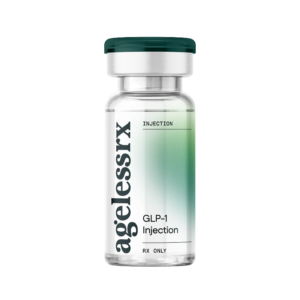
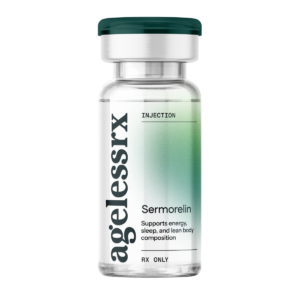
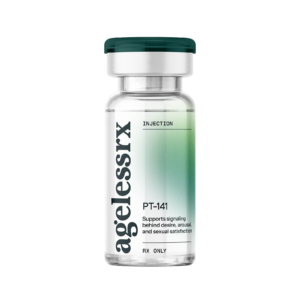
Peptides are quickly moving from the edges of biohacking and athletics into the center of longevity medicine.
GLP-1 products offered the first real glimpse of what’s possible with peptides.
They didn’t just help people lose weight; they shed light on a new class of therapies that reshaped how we think about medicine, from blood sugar regulation to weight loss, cardiovascular health, and reducing the risk of dozens of age-related diseases.
Now, access to peptides may be expanding.
Regulatory changes and growing demand could soon bring more than a dozen promising peptides out of the gray market and into clinical care, where science-led frameworks may finally bring rigor to a space that has often lacked it.
That shift just got a concrete push forward. On July 23-24, 2026, an FDA advisory committee voted yes on six of seven peptides under review (BPC-157, TB-500, KPV, MOTS-c, Semax, and Epitalon), going against the FDA staff’s own recommendation to reject all seven on evidence grounds. The only peptide to receive a “no” vote was Emideltide (DSIP), based on insufficient evidence. To be clear about what this vote means and what it does not: this is a non-binding advisory committee recommendation, not an FDA approval. The FDA makes its final determination through a separate regulatory process, and a positive committee vote does not make any peptide FDA-approved, clinically proven, or available through compounding pharmacies. No timeline has been set. Even so, six of seven peptides clearing an advisory committee over the agency’s own objections is one of the clearest signals yet that broader clinical access may follow.
For many people interested in fitness, recovery, and longevity, this shift represents a new category of potential tools that feel both promising and confusing.
What Are Peptides, and How Do They Work?
Peptides are naturally occurring molecules that the body already uses every day. They’re built from amino acids, the same building blocks as proteins, but are smaller and more targeted in their function.
Peptides act as signaling molecules, binding to receptors on cells and triggering highly specific actions such as boosting growth hormone signaling, repairing tissue, enhancing libido, or reducing inflammation.
In younger years, these systems operate with remarkable precision, but over time, the signals that keep them running efficiently break down.
Peptides are being studied for their ability to help enhance and restore those signals, supporting processes like:
- Injury healing and regeneration
- Inflammation and immunity
- Metabolic function and fat burning
- Brain signaling and circadian rhythm
When applied with precision, peptides may improve recovery, reduce pain, and support skin health, fitness, and performance.
Why Peptides Are Gaining Attention in Longevity Medicine
Interest in peptides has been gradually building over the past 3-4 years, in large part due to the success of GLP-1s.
Their success for weight loss, metabolic health, cardiovascular protection, and potentially dozens of other chronic conditions has opened the door to a wider conversation about the potential of peptides as a category.
Another often overlooked psychological factor that makes people hesitant is that most peptides need to be injected because they break down in the digestive system.
GLP-1s made people more comfortable with the idea of injectable therapeutics.
Suddenly, more people began paying attention to the thousands of anecdotal reports of individuals experiencing meaningful benefits from peptides, including:
- Improved desire, arousal, and satisfaction with PT-141
- Rapid injury recovery and chronic pain relief with BPC-157
- Notable improvements in sleep, muscle mass, and energy with growth hormone-releasing hormone analogues like Sermorelin and CJC-1295
- Recovery from chronic inflammatory conditions with Microdosing GLP-1 and Thymosin alpha 1 (Ta1)
- Renewed skin health with GHK-Cu
The most recent surge in interest is due to regulatory changes.
How Will Regulations Impact Access to Peptides?
In 2023, 19 widely used peptides were placed under regulatory restriction, limiting access through traditional clinical channels.
When this shift happened, patients didn’t stop using peptides; they stopped using doctors.
The Risks of Gray-Market Access
They turned to gray market sources, where quality, dosing, and even the contents of the vial became uncertain. A 2024 analysis found contamination, potency issues, and, in some cases, entirely incorrect compounds in vials, turning what should be precision tools into real risks.
What Happened at the 2026 FDA Committee Review
On July 23-24, 2026, the FDA’s Pharmacy Compounding Advisory Committee (PCAC) completed a two-day review of seven peptides for the 503A Bulk Drug Substances List:
- BPC-157 and TB-500, known for their role in recovery and tissue repair
- KPV, known for its potential in chronic inflammation
- MOTS-c, known for its potential in metabolism and cellular energy
- Emideltide (DSIP), known for its potential to support sleep
- Semax, known for its potential in focus and cognition
- Epitalon, known for its potential in longevity and sleep
The FDA’s own briefing documents recommended against all seven on evidence grounds. The committee voted yes on six of them anyway. The only peptide to receive a “no” was Emideltide (DSIP), based on insufficient evidence.
This is a non-binding recommendation. The FDA makes the final decision through a separate regulatory process, and a committee vote does not make a peptide FDA-approved, clinically proven, or immediately available through compounding.
But the direction matters. Six of seven peptides clearing an advisory committee over the agency’s own objections signals that legal compounding access may be on the way, with open questions about timeline and conditions still to be resolved.
Could the September Peptide Congress Signal What the FDA Does Next?
The next major date to watch is September 17-18, when the PepMed 2026 Regenerative Health World Congress brings clinicians, pharmacists, researchers, manufacturers, and policymakers together in Washington, DC.
A major focus will be what manufacturing standards, compounding rules, and clinical protocols should look like. These discussions could help shape how peptides move from being “recommended” by an FDA advisory committee to potentially becoming legally compounded and prescribed through clinical care.
The meeting will also bring together federal health leaders, including the Assistant Secretary for Health, HHS advisors, and members of Congress. Their discussions could provide another strong signal about the federal guardrails taking shape around peptide compounding and prescription.
There is also growing industry speculation that the Congress could bring additional clarity, or potentially an announcement, about what happens next. That has not been officially confirmed, so the meeting should be viewed as an important signal rather than a guaranteed FDA decision.
What comes out of September 17-18 could give us a clearer picture of whether, how, and when a final decision may move forward.
We’ll be watching closely and will update this article as more concrete regulatory guidance emerges.
Building a Clearer Standard for Peptide Care
In response, we are developing the AgelessRx Peptide Standard, built by our in-house clinical team and our Stanford PhD-led Research Team. The standard defines what we require before offering peptide-based care: regulatory status, sourcing traceability, quality documentation, and human evidence supporting the proposed use. We plan to publish it so patients can see exactly how each peptide is assessed, including what is known, what remains uncertain, and why it meets or does not yet meet our safety threshold.
Access Is Only One Part of the Equation
The success of peptides depends on more than a molecule. It depends on infrastructure like quality control, clinical supervision, scientific rigor, and protocol optimization.
This is what turned GLP-1s from an effective diabetes treatment into a potential longevity powerhouse.
Are Peptides Supported by Science?
The level of scientific support varies across peptides, so it can be a mistake to group them all together.
Peptides are typically supported by three layers of evidence:
- Mechanistic research explaining how they interact with specific biological pathways
- Human trials assessing safety and potential benefits
- Longstanding real-world use across thousands of individuals, including clinicians
Peptides like Sermorelin, Glutathione (GSH), PT-141, and GHK-Cu are in a different league than Dihexa and Epitalon.
Even for peptides with stronger evidence, it may be beneficial for one person but not another; so it’s important to be wary of influencer hype.
The effectiveness of a peptide is highly dependent on dosing, protocol, and the unique individual’s lifestyle and biology.
That’s why having a strong scientific foundation and trusted clinical guidance is key when considering whether to include a peptide in your wellness stack.
A peptide is only as effective as the protocol and strategy built around it. The right clinician can help determine whether a peptide meets a high bar of evidence and aligns with your biology and goals, while tracking measurable outcomes over time.
A Better Way to Think About Peptides: Start With the Goal
Instead of thinking in terms of “which peptide is best,” it’s more useful to think in terms of biological goals.
Repair, Regeneration, and Recovery
Certain peptides are being studied for their ability to support healing and recovery.
- BPC-157 is being studied for gut healing, tendon and joint repair, reduced inflammation, and pain.
- TB-500 (Thymosin Beta-4) may support wound healing, muscle recovery, and tissue repair.
- GHK-Cu may support anti-aging effects on the skin, including skin texture, firmness, tone, and wound healing.
These effects are thought to involve improved circulation, growth factor signaling, collagen synthesis, and immune support at the site of stress or injury.
Immune Modulation and Inflammation
Chronic, low-grade inflammation is a hallmark of aging and drives fatigue, pain, and a range of inflammatory conditions.
- Thymosin Alpha-1 has been studied extensively for its role in supporting immunity and reducing inflammation in the context of infections, cancer, and a range of inflammatory conditions.
- KPV is an anti-inflammatory peptide that has been researched for reducing skin and gut inflammation.
- Glutathione is the body’s master antioxidant, with extensive evidence supporting its benefits for skin health, fatigue, immunity, and potentially longevity.
These peptides fine-tune immune signaling pathways to influence how the body responds to stress, infections, and inflammation.
Metabolic and Nutrient Sensing
Peptides in this category influence weight loss, blood sugar control, and metabolism.
- Microdosing GLP-1 has been shown to support moderate weight loss and metabolic health, and may capture some of the longevity benefits of GLP-1 through its effects on the gut-brain-immune axis.
- AOD-9604 is a modified growth hormone (GH) designed to boost fat metabolism for weight loss without the broader GH effects.
- MOTS-c is a peptide produced by mitochondria and is studied for its effects on metabolic regulation and weight loss that is thought to mimic some of the benefits of exercise.
These peptides target appetite signaling, cellular metabolism, and nutrient-sensing pathways to shift biology towards “fat-burning” mode and may help reduce weight-related risk factors.
Circadian and Signaling Rhythms
Peptides in this category influence sleep, hormone rhythms, and brain signaling.
- CJC-1295 and Sermorelin boost natural growth hormone release, which may influence recovery, sleep, and muscle mass.
- Semax and Selank have been shown to support cognitive function, neuroprotection, and anxiety reduction.
- Epitalon is a tetrapeptide that may stimulate the pineal gland to recalibrate melatonin signaling and support sleep quality, and has been studied for its potential to lengthen telomeres, the protective caps on DNA.
- PT-141 (Bremelanotide) is a melanocortin receptor agonist that crosses the blood-brain barrier, binding to MC4 receptors in the hypothalamus to trigger dopamine-mediated signaling involved in desire, arousal, and satisfaction. Unlike blood-flow therapies, it targets the brain’s central control of desire and has been studied in both men and women.
These peptides operate by optimizing circadian rhythms and signaling patterns that support growth, repair, recovery, cognitive function, mood, and libido.
|
Biological Goal |
Peptide |
Primary Studied Benefit |
|---|---|---|
|
Repair, Regeneration & Recovery |
BPC-157 |
Gut healing, tendon/joint repair, reduced inflammation and pain |
|
Repair, Regeneration & Recovery |
TB-500 (Thymosin Beta-4) |
Wound healing, muscle recovery, and tissue repair |
|
Repair, Regeneration & Recovery |
GHK-Cu |
Skin anti-aging, texture, firmness, and wound healing |
|
Immune Modulation & Inflammation |
Thymosin Alpha-1 |
Immune support and inflammation reduction |
|
Immune Modulation & Inflammation |
KPV |
Reducing skin and gut inflammation |
|
Immune Modulation & Inflammation |
Glutathione (GSH) |
Antioxidant support, skin health, fatigue, and immunity |
|
Metabolic & Nutrient Sensing |
Microdosing GLP-1 |
Moderate weight loss, metabolic health, and longevity signaling |
|
Metabolic & Nutrient Sensing |
AOD-9604 |
Fat metabolism and weight loss without broader GH effects |
|
Metabolic & Nutrient Sensing |
MOTS-c |
Metabolic regulation and weight loss (exercise-mimicking effects) |
|
Circadian & Signaling Rhythms |
CJC-1295 / Sermorelin |
Natural GH release, recovery, sleep, and muscle mass |
|
Circadian & Signaling Rhythms |
Semax / Selank |
Cognitive function, neuroprotection, and anxiety reduction |
|
Circadian & Signaling Rhythms |
Epitalon |
Melatonin signaling, sleep quality, and telomere support |
|
Circadian & Signaling Rhythms |
PT-141 (Bremelanotide) |
Desire, arousal, and satisfaction via central brain signaling |
Many influencers promote peptides as one-size-fits-all solutions.
This framework moves the focus away from pursuing the next popular peptide and towards understanding what your body actually needs and whether that aligns with how a given peptide works.
How Peptides Fit Into a Longevity Strategy
The strategy should come first, then the peptide, supported by clinician guidance, quality assurance, and consistent health monitoring.
Start With the Goal
The first step is identifying the goal, whether it’s injury recovery, fitness, inflammation control, or cognitive performance.
Next, work with a clinician to select a treatment based on how it works and whether it matches the individual’s biological needs. Specific dosing and regimens may vary based on an individual’s unique lifestyle, biology, and health status.
Finally, measurement and feedback are what confirm a peptide protocol fits an individual’s longevity strategy. Clinicians can use carefully selected biomarkers, symptom tracking, and functional outcomes to guide adjustments. If the results remain unclear or the treatment provides no noticeable benefit, they may need to change the approach.
Why Clinical Guidance Matters
How clinicians source, prescribe, and monitor peptides plays a major role in their safety. When evaluating a peptide program, there are four things worth looking for.
- A licensed clinical pathway. Peptides obtained through a US-licensed clinician and a compounding pharmacy working within a legal regulatory framework carry a fundamentally different risk profile than those purchased from gray-market vendors. Clinical oversight means a qualified provider has reviewed your health history, confirmed an appropriate indication, and can adjust the protocol if something changes.
- Traceable sourcing. The compounding pharmacy should be able to identify the origin of the active pharmaceutical ingredient (API) used in your peptide. Pharmacy accreditation (such as PCAB or NABP) and US-sourced APIs are meaningful quality signals worth asking about.
- Quality documentation. A reputable compounding pharmacy conducts internal testing and, in many cases, third-party verification to confirm that what is in the vial matches what is on the label. Potency, sterility, and stability data are the baseline.
This is the difference between gray-market experimentation and a structured, data-guided clinical approach. It is what turned GLP-1s from a promising idea into one of the most impactful therapies in modern medicine, and it is the same infrastructure that will determine whether the next generation of peptides delivers on their promise.
Peptides Build on the Basics
Peptides are not a foundation; they sit on top of one. Sleep, nutrition, movement, and stress management still drive most health outcomes. Peptides can enhance those systems, but they don’t replace them.
Peptides may adjust the sensitivity of biological pathways that lifestyle habits already influence. When those basics are in place, the effects of precision therapeutics like peptides may be amplified. This supports both performance and long-term health.
As peptides become more accessible through licensed, clinician-guided pathways, our focus remains the same: seeing they’re used with the right protocols, quality standards, and scientific rigor. And when the time is right, we’ll be here to help you work through what’s worth considering and how to approach it safely and effectively.
If you’re interested in starting a clinician-guided peptide protocol, you can start an online visit to see if Sermorelin, Microdosing GLP-1, Glutathione, or PT-141 is right for you.
Frequently Asked Questions
Peptides are short chains of amino acids that act as signaling molecules. They help coordinate processes like metabolism, repair, inflammation, and brain function. They bind to receptors on cells and trigger specific biological responses, acting as a communication layer between different systems over time.
Scientific support varies widely by peptide. Human clinical studies and years of clinical use support some peptides, while others rely mainly on preclinical research or early-stage data. Because the evidence differs so much, clinicians should review each peptide individually and guide its use.
The best place to start is with your goal. Once you’ve identified what you’re trying to improve, a clinician can help determine which peptide aligns with that biology and how to approach it appropriately.
Most peptides degrade rapidly in the digestive system, limiting the effectiveness of oral formulations. Injectable delivery allows them to remain intact long enough to reach target tissues and produce the intended effect. Some peptides can be effective in oral formulations, including GLP-1 and BPC-157. Other needle-free options are also available for some peptides, such as PT-141 nasal spray and patches.
Following the July 2026 FDA advisory committee vote, six peptides received a “yes” recommendation for the 503A Bulk Drug Substances List: BPC-157, TB-500, KPV, MOTS-c, Semax, and Epitalon. This is a non-binding recommendation only. The FDA is not required to follow the committee’s advice, and a positive advisory vote does not make these peptides FDA-approved, clinically proven, or available through compounding pharmacies. If the FDA does follow the committee’s lead, it would still need to complete a formal regulatory review process and resolve conditions around pharmacy requirements and labeling before any of these peptides could be offered through licensed compounding channels. No timeline has been set for that process. If and when clinical access through compounding does open up, it could bring greater consistency in quality, dosing, and clinical oversight than the unregulated gray market currently provides.
Note: The above statements have not been reviewed by the Food and Drug Administration. This product is not intended to diagnose, treat, cure, or prevent any disease.