The Benefits of Combining Sermorelin and NAD+ for Longevity

The Benefits of Combining Sermorelin and NAD+ for Longevity

Here’s what we’ll cover in this blog post:

  • What is Sermorelin? 
  • What is NAD+?
  • Why Sermorelin and NAD+ may be better together 
  • Who should consider this combination? 

While Sermorelin and NAD+ for longevity are often talked about separately, together they may pack a stronger punch for energy, cognition, and long-term resilience. Here’s why.

What are Sermorelin and NAD+?

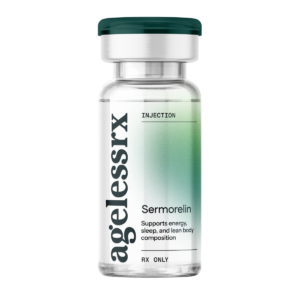
Sermorelin is a peptide that nudges your pituitary gland to release growth hormone the way your body naturally does. After age 30, human growth hormone (HGH) levels decline by roughly 15% per decade. That gradual drop contributes to reduced muscle mass, slower recovery, fragmented sleep, and lower daytime energy. Sermorelin works by restoring those natural bursts of GH, without flooding the body with synthetic growth hormone. Once released, HGH triggers the production of insulin-like growth factor-1 (IGF-1), which supports tissue repair, muscle health, and cognitive function as you age.

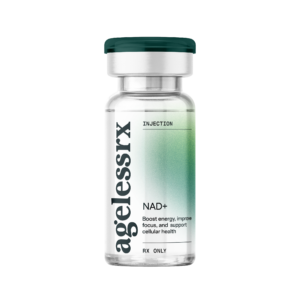
NAD+ is a molecule found in every cell of your body. It powers nearly every metabolic process you have, from converting food into energy to keeping your genes working properly. Research shows NAD+ levels drop by roughly 30% between ages 45 and 60, with some studies finding even steeper declines in older adults. When NAD+ levels fall, sirtuins become less active. These proteins help regulate cellular aging and stress responses. PARP-1, the enzyme the body relies on to repair damaged DNA, can no longer work at full capacity. The result is a slow loss of the body’s ability to recover, stay sharp, and manage metabolic stress.

How Sermorelin and NAD+ May Work Better Together

While there is little published research on combining Sermorelin and NAD+, the biological logic for pairing them is clear. Growth hormone signaling helps trigger cellular repair and recovery, but those processes still need energy to function. Sermorelin sends the signal for the body to repair and rebuild, while NAD+ supports the cellular energy needed to carry out that work. Because both pathways tend to decline with age, especially in your 40s and 50s, they may work well together for people focused on supporting long-term function and healthy aging.

Think of it this way: the body’s repair systems need both a trigger and the energy to act on it. After 40, both weaken at the same time. Growth hormone output drops gradually, reducing the body’s drive to rebuild and recover. NAD+ levels fall in parallel, leaving cells with less capacity to power those same repair processes. Targeting both together closes that growing gap in a way that neither therapy can fully manage on its own.

Benefit

What Sermorelin does

What NAD+ does

Energy and sleep

Restores slow-wave sleep phases where GH is released and tissue repair peaks

Fuels mitochondrial energy production throughout the day

Cognitive function

Supports IGF-1, which promotes neural connection formation and memory

Protects neurons by maintaining DNA repair enzymes and reducing oxidative stress

Physical performance

Promotes muscle repair and lean mass preservation through overnight GH release

Powers the metabolic pathways that clear exercise byproducts and restore energy

Metabolic and cellular health

Supports insulin sensitivity and body composition through raised IGF-1 levels

Activates PARP-1 for DNA repair and sirtuins for cellular stress regulation

How They May Work Together

  • Energy that lasts
    Sermorelin sets the stage at night by improving deep sleep and GH-driven recovery. GH pulses during slow-wave sleep are when much of the body’s physical repair happens, from muscle rebuilding to cellular cleanup. NAD+ keeps mitochondria firing during the day, fueling the cellular energy production that makes steady, lasting activity possible. Together, they support both the nighttime recovery side and the daytime energy side of the same equation.
  • Sharper thinking
    Sermorelin’s impact on IGF-1 supports brain function and the formation of neural connections that support memory and focus. NAD+ protects neurons by maintaining the repair enzymes and antioxidant pathways that clear oxidative stress, a known contributor to cognitive decline. Supporting both at once may have a more lasting effect on mental clarity than either could offer alone.
  • Better performance and faster recovery
    Sermorelin helps muscles repair and preserve lean mass, partly by supporting the overnight GH release that drives tissue rebuilding. NAD+ refuels the energy systems that make training and recovery possible, including mitochondrial function and the pathways that clear exercise byproducts. For anyone pushing physical limits regularly, the combination may mean less downtime between sessions.
  • Aligned with our physiology
    Neither approach forces the body into extreme states. Sermorelin restores the hormone pulses that naturally fade with age, keeping GH release within a normal range. NAD+ restores the cellular energy that powers these same biological processes. Both work with the body, not against it.

Supporting Metabolic Health and DNA Repair

Two of the most measurable effects of aging are metabolic slowdown and accumulated DNA damage. Sermorelin may support insulin sensitivity and body composition through raised IGF-1 levels, which influence how the body manages glucose and builds or maintains lean tissue. NAD+ plays a direct role in DNA repair by activating PARP-1, the enzyme that detects and fixes DNA strand breaks before they can pile up into lasting damage. NAD+ also activates sirtuins, proteins that manage how cells respond to stress and how genes behave as you age. When both are supported together, the body may be better positioned to maintain the metabolic function and DNA health that underlie long-term wellbeing.

Sirtuins deserve a closer look here. NAD+ fuels seven sirtuin proteins, with SIRT1 and SIRT3 playing the most active roles in metabolic regulation. SIRT1 governs how cells respond to caloric and oxidative stress, adjusting fat oxidation and triggering the creation of new mitochondria. SIRT3 operates inside the mitochondria, fine-tuning energy output and reducing oxidative damage at the source. When Sermorelin keeps IGF-1 at healthy levels, it helps maintain the recovery-ready environment where these pathways work best, giving sirtuins a better chance to do their job.

Why This Combination Makes Sense for Patients

Both Sermorelin and NAD+ work well on their own. When combined, they may create conditions that are better suited for cellular repair, since each one supports biological processes the other depends on. Sermorelin’s recovery and repair benefits require cellular energy to carry out, and that energy comes from NAD+-powered mitochondria. Meanwhile, NAD+’s role in gene regulation and DNA repair is more effective when the body’s hormone environment is already primed for recovery. Patients who aren’t fully meeting their health goals with either therapy alone may find the combination worth discussing with a clinician.

Who May Benefit

Here’s who may stand to benefit from combining Sermorelin and NAD+ for longevity:

  • Those who need more energy or better sleep
    Sermorelin may improve sleep and recovery by restoring the slow-wave sleep phases where GH is released and tissue repair peaks. If daytime energy or focus is still lagging, NAD+ can step in by improving mitochondrial function and supporting the cellular energy production that keeps you going through the day. Together, they may close the gap between how you sleep and how you feel the next morning.
  • People building a long-term longevity plan
    Sermorelin supports hormone rhythms tied to muscle, metabolism, and sleep, while NAD+ fuels cellular repair and energy production. Together, they support multiple layers of repair and recovery, giving a longevity protocol more biological depth than either could offer alone.
  • Athletes and high-performers
    Sermorelin aids tissue repair and restorative sleep, the overnight window when the body rebuilds from training stress. NAD+ powers energy production and recovery at the cellular level, including the mitochondrial output that fuels performance during workouts. For anyone pushing physical or mental limits regularly, the combination may mean steadier output and a faster return to baseline after hard efforts.

What to Expect and How to Get Started

Many patients who begin Sermorelin notice improvements in sleep depth and morning recovery within the first few weeks, with body composition and energy gains building over several months of consistent use. NAD+ tends to produce more immediate effects on energy and mental clarity, sometimes within hours to days of administration.

NAD+ is available in several forms, including NAD+ Injections, NAD+ Nasal Spray, and NAD+ Patches. Injections tend to act fastest, with many patients reporting an energy boost within an hour or two of administration. The nasal spray offers a needle-free option that delivers NAD+ without the need for a syringe, while the patches release NAD+ over several hours for a more gradual, extended effect throughout the day. Your clinician can help you match the right format to your lifestyle, dosing schedule, and goals.

Learn more about Sermorelin and NAD+ to understand how each may support your energy, recovery, and long-term health goals.

Frequently Asked Questions

What’s the difference between Sermorelin and NAD+ for energy and recovery?

Sermorelin works overnight, restoring the slow-wave sleep phases where growth hormone is released and tissue repair peaks, while NAD+ supports mitochondrial energy production throughout the day. They target different ends of the same recovery cycle, which is why combining them may close gaps that neither therapy can fully close on its own.

How long does it take to notice results from Sermorelin and NAD+ used together?

NAD+ tends to produce more immediate effects on energy and mental clarity, sometimes within hours to days depending on the delivery format you use. Sermorelin improvements in sleep depth and morning recovery often appear within the first few weeks. Body composition and broader energy gains from Sermorelin typically build over several months of consistent use.

What is IGF-1 and why does it matter for a Sermorelin and NAD+ longevity protocol?

IGF-1, or insulin-like growth factor-1, is a hormone the body produces in response to growth hormone. It supports tissue repair, muscle health, and cognitive function. Sermorelin may help restore the natural growth hormone pulses that decline with age. This can increase IGF-1 and support the body’s repair and recovery processes. NAD+ supports the cellular energy and enzymes involved in those processes, including sirtuins and PARPs. Each may provide benefits on its own. Together, Sermorelin and NAD+ may support energy, focus, recovery, and healthy aging through complementary pathways.

Note: The above statements have not been reviewed by the Food and Drug Administration. This product is not intended to diagnose, treat, cure, or prevent any disease.