Order your kit
Place your order and receive everything you need to collect your sample at home.
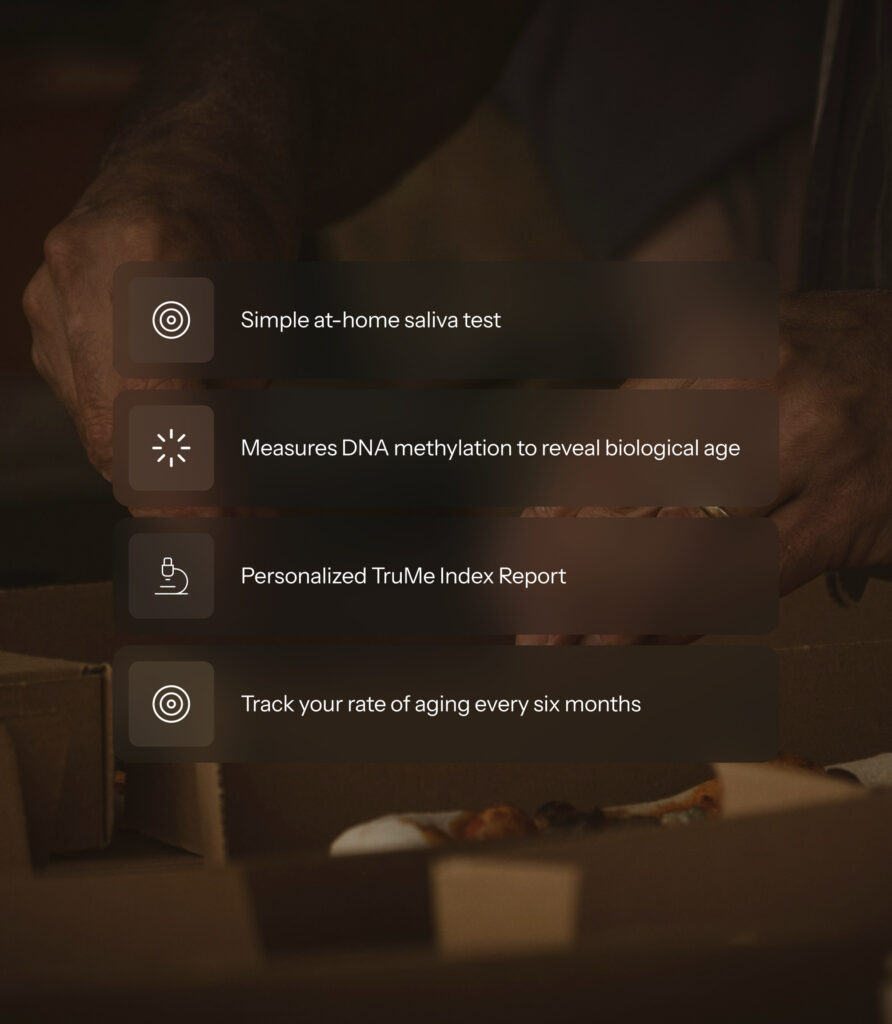
Reveal your biological age with a simple, pain-free at-home saliva test that measures specific locations on your DNA for deeper insights into your overall health and longevity.
First, be sure you are hydrated before beginning the process. Spit directly into the circles on the provided sample selection card. Wait about 45 minutes (or until your saliva completely soaks into the card). Then, package your sample into the designated collection bag, seal inside the pre-paid envelope, and drop it off at your local post office.
Other genetic tests, such as 23andMe, simply look at the genetic sequencing of an individual, which you have no control over. With an epigenetic test, such as TruMe™, you can address the modifiable parts of your DNA (gene expression) with lifestyle changes to better take control of things like disease risk and rate of aging.
As an example, think about a light bulb and its components. Looking at the way the light bulb is constructed is like looking at DNA sequences (genetics). However, looking at epigenetic modifications is like looking at if the light bulb is on or off.
Genetics tells you what genes you have. More importantly, epigenetics tells you what genes are active. Epigenetics is the study of how the body adds and removes chemical “tags” to our DNA, to turn specific genes on or off. These tags record events that happen in your life—diseases, lifestyle, diet, and environmental conditions.
Epigenetic changes happen way before symptoms of disease appear, and that makes epigenetics the most effective way to predict diseases. As a result, your epigenetic profile is often more important than just your genome because it reflects your ACTUAL state of health and predicts your health’s near or mid-term future.
TruMe™ is an at-home saliva test that you ship back for results. If prescribed, a US-licensed medical provider will provide specific instructions with your care plan.
You should talk to a licensed healthcare provider prior to collecting your sample for testing to learn more so you can make an informed decision about whether testing is right for you. A licensed healthcare provider can also help you understand your results and options.
The information you learn from TruMe™ is not designed to independently diagnose, prevent, or treat any condition or disease or to ascertain the state of your health in the absence of medical and clinical information. TruMe™ Services are intended for research, informational, and educational purposes only. While TruMe™ information might point to a diagnosis or to a possible treatment, it should always be confirmed and supplemented by additional medical and clinical testing and information. We urge you to seek the advice of your physician or other healthcare provider if you have questions or concerns arising from your Epigenetic Information.
You should not change your health behaviors solely on the basis of Epigenetic Information from TruMe™. Make sure to discuss your Epigenetic Information with a physician or other healthcare provider before you act upon the Epigenetic Information resulting from TruMe™ Services. If you have concerns or questions about what you learn through TruMe™, you should contact your physician or other healthcare provider.
The laboratory may not be able to process your sample, and the laboratory process may result in errors. TruMe™ measures your DNA methylation at only a tiny fraction of the billions of nucleotides (the components that make up your DNA) and is subject to statistical error. Based on studies, TruMe™ has approximately 4.75 years’ error rate. If you see what you think is an error, please feel free to contact TruMe™. Also, keep in mind that these are initial results. As people continue to join, TruMe™ will work to continue updating and improving testing accuracy. For more information, or to review TruMe™ Terms of Service, click here.
Note: The above statements have not been evaluated by the Food and Drug Administration. This product is not intended to diagnose, treat, cure, or prevent any disease.
Disclaimer

Two people can be the same chronological age and be aging very differently beneath the surface.
TruMe™ uses advanced technology once limited to research institutions to examine DNA methylation at specific locations on your DNA.1 The result is an estimate of your biological age—and a clearer baseline for understanding how the way you live may be shaping the way you age.







Clinically studied
Your DNA sequence is largely fixed, but the way genes are regulated can change over time. DNA methylation is one of those epigenetic processes.
By analyzing methylation patterns at selected CpG sites, TruMe™ estimates biological age and provides a way to compare that result with chronological age.1 Unlike a traditional genetic test that primarily examines inherited DNA sequences, an epigenetic test looks at biological patterns that may change over time.




Disclaimer

Measure 600+ advanced biomarkers across 19 health areas in one at-home test for personalized insights into how each of your organ systems is aging, where your health may need attention, and what to do next.

Measure 40+ biomarkers across heart, metabolic, liver, kidney, inflammation, bone, and blood health, including advanced markers your annual labs may not routinely cover.

Your birthday tells you how long you’ve lived. PhenoAge testing helps reveal how your body is aging beneath, so you can stop guessing, establish a baseline, and track what changes over time.
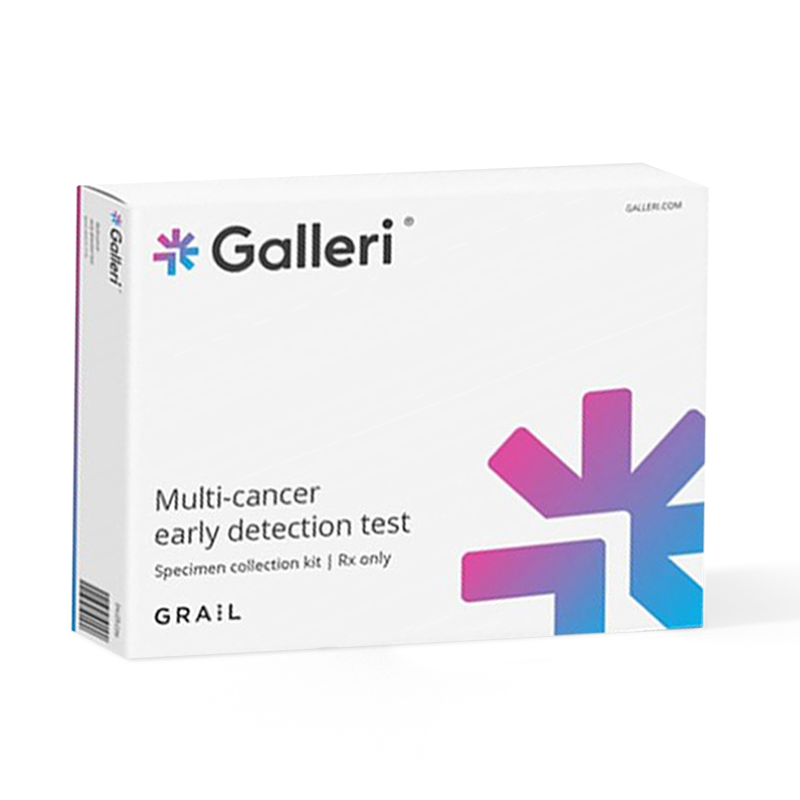
Screen for a signal shared by 50+ cancer types–often before symptoms appear–with one simple blood draw, giving you more opportunity to find something earlier and take action.
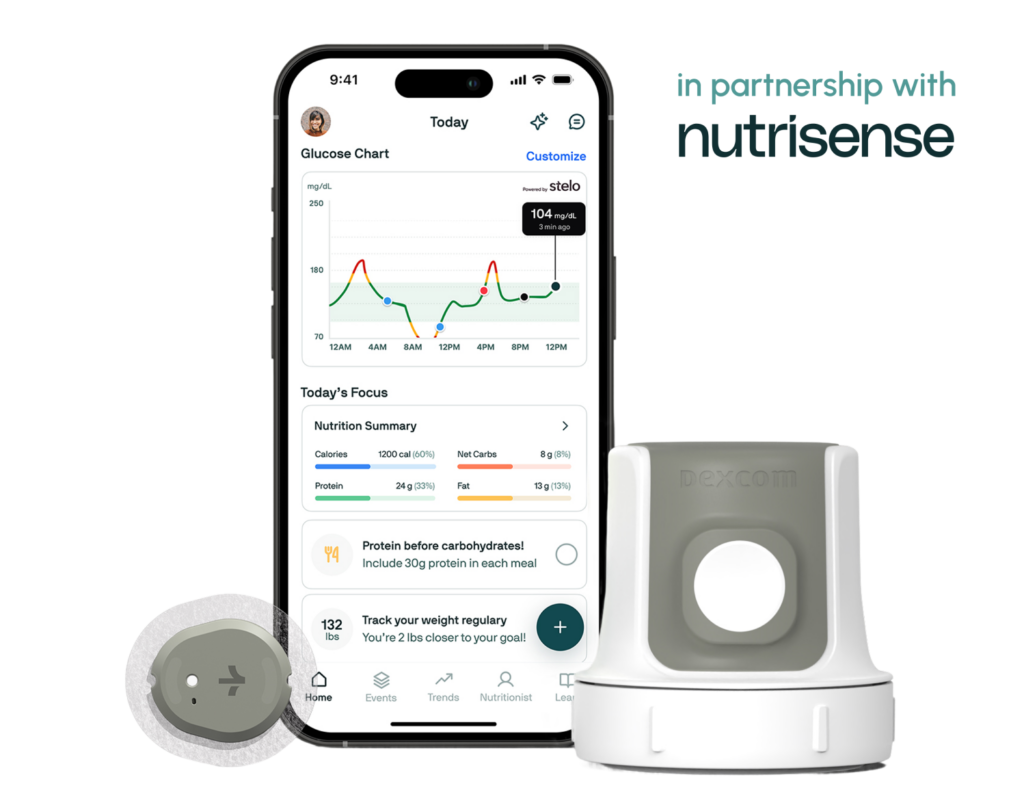
Take control of your glucose, weight, and metabolic health with continuous glucose monitoring, expert dietitian support, and powerful insights—all in one program with Nutrisense.
Once you receive your kit in the mail, register the code on your saliva sample with the link sent by your provider or included in your kit.
The technology TruMe™ uses measures your DNA methylation at only a tiny fraction of the billions of nucleotides (the components that make up your DNA) and is subject to statistical error. Based on TruMe™ studies, they have approximately a 4.75 years’ error rate. If you see what you think is an error, please feel free to contact TruMe™ directly. Also, keep in mind that these are initial results. As people continue to join TruMe™ will continue to update and improve testing accuracy.
No. The TruMe™ test is a research study. The protocols TruMe™ uses are suitable for genetic research only, not for clinical genetic testing like you would receive at a hospital or doctor’s office. Clinical genetic testing is held to higher standards and is done in laboratories, which are certified by governmental regulations called CLIA (Clinical Laboratory Improvement Amendments). If you use the TruMe™ data for diagnostic purposes, you should always contact the doctor and have the results confirmed by tests recommended by a medical professional.