2 Weeks
The reset begins. Skin may feel dry or peel as faster renewal may bring fresh cells forward.4 Starting slow and moisturizing help.
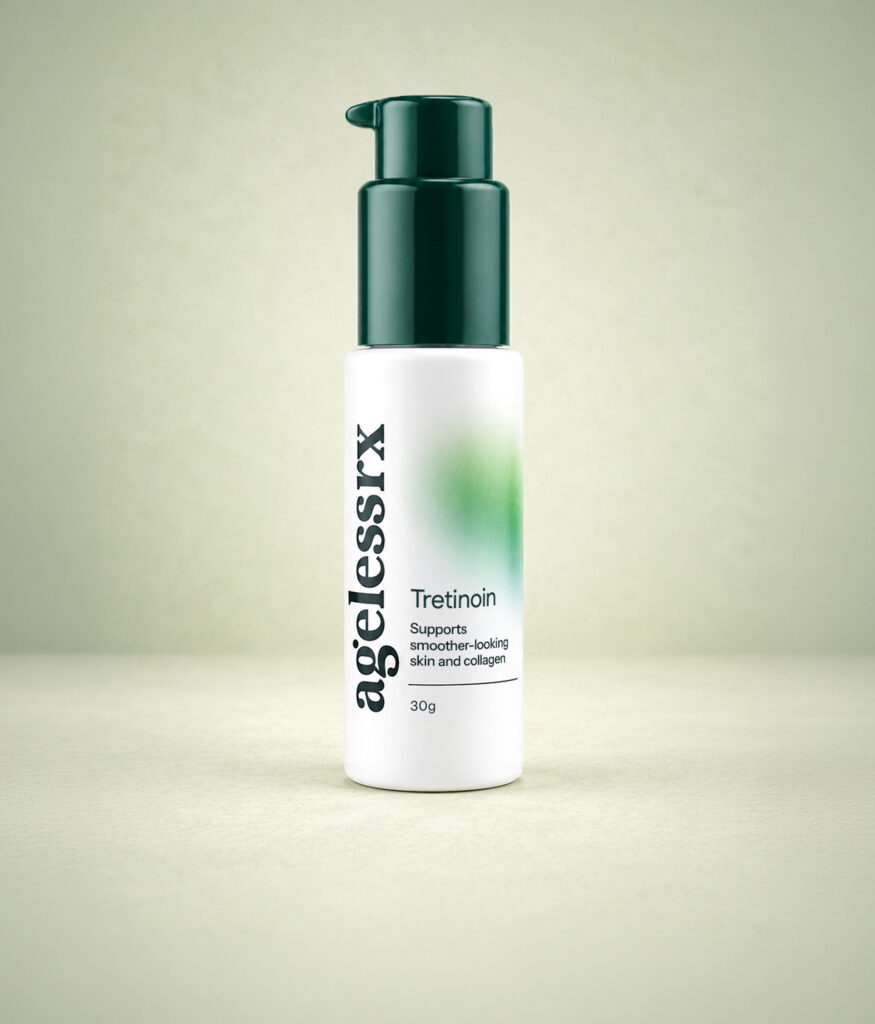
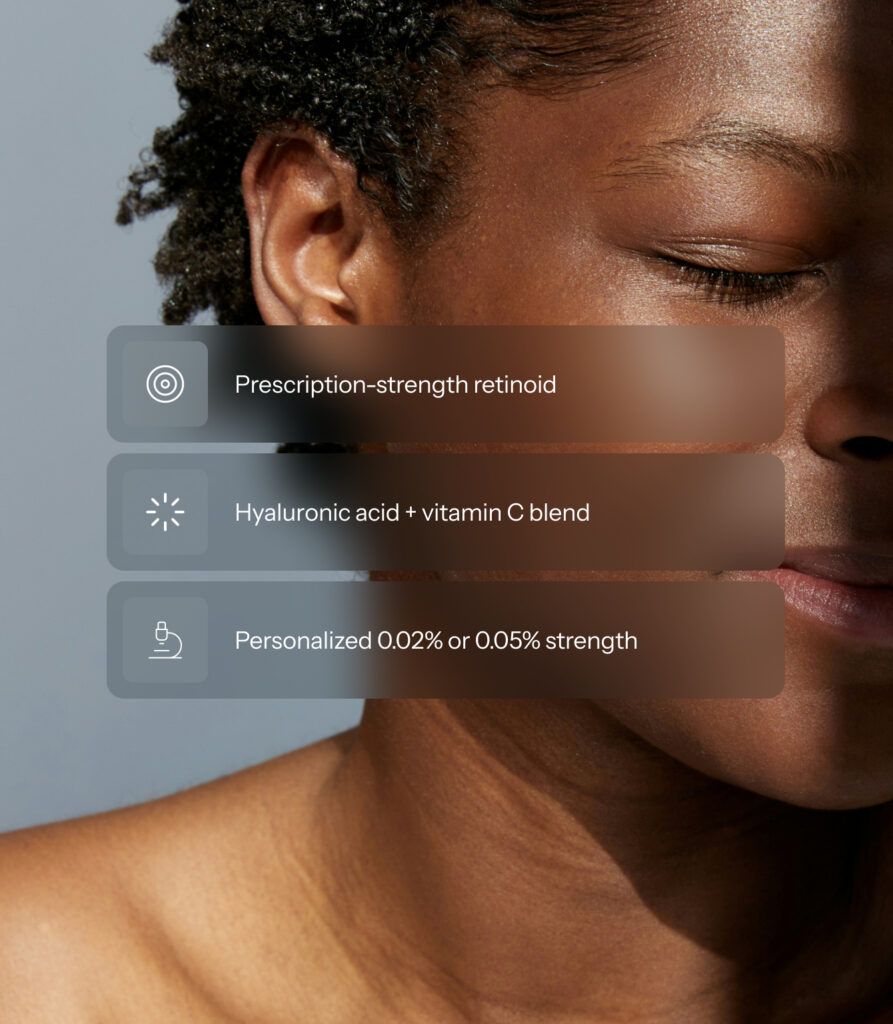
Prescription-strength retinoid that may support skin renewal and collagen for smoother lines, firmer-looking skin, and more refined texture beyond over-the-counter retinol.
Most people start at 1 to 2 pumps applied at bedtime, up to three times a week, at a 0.02% concentration, then move up to 0.05% at their first refill based on how their skin responds. Think of it as easing into a new habit rather than diving in headfirst: fewer applications per week and a lower starting concentration give your skin room to adjust before the dose increases. Follow with a moisturizer, and use a daily SPF 30 or higher, since your skin will be more sensitive to sun exposure while you’re using Tretinoin.
Early changes in texture and tone are usually noticeable within 3 to 4 weeks of consistent use, with more visible improvement in fine lines and overall skin quality building by around 8 to 10 weeks.2 The visible change lags behind the actual work underneath the surface, which means Tretinoin may be helping speed up cell turnover and support collagen production well before any of that shows up in the mirror.4 Your provider will check in on your progress and may adjust your plan from there.
Tretinoin may speed up how quickly skin cells turn over, which may temporarily thin the outermost layer of skin and leave it more reactive to UV exposure. It’s skin that’s working harder to renew itself, and a little more exposed in the process.4 5 That’s why a daily SPF of 30 or higher isn’t optional while you’re using it; sunburn and irritation are more likely without it. Applying Tretinoin at night, as directed, also helps keep it separate from daytime sun exposure.
Apply a pea-sized amount to clean, dry skin at bedtime according to your provider-guided schedule. Avoid the eyes, mouth, and irritated skin. Follow with moisturizer and use broad-spectrum SPF 30 or higher each morning. If prescribed, a US-licensed medical provider will provide a tailored dosage schedule and specific treatment instructions with your care plan.
Most side effects of Tretinoin are mild and go away on their own within a few days or weeks. If you experience severe burning or rash, stop using Tretinoin immediately and contact your provider.
Most common Tretinoin side effects include itching, burning, redness, and/or peeling. These side effects are a normal response known as “retinoid reactions” that are a sign of your skin adjusting to the medication.
Less common side effects may include erythema nodosum (severe skin inflammation), edema (swelling), rash, skin hyperpigmentation (dark spots), and skin hypopigmentation (light spots).
Tretinoin may cause a dry eye condition known as meibomian gland dysfunction/atrophy if the medication gets too close to the eyes. Do not apply Tretinoin under the eyes to avoid dry eyes.
Your skin may be more sensitive to sunlight and weather extremes, such as cold and wind, while using this product. To reduce sensitivity and chance of skin irritation, we recommend:
For more information on Tretinoin side effects, please review Mayo Clinic’s Tretinoin resources.
You should not use topical Tretinoin if you take medication that further increases your sensitivity to sunlight, including but not limited to: tetracyclines (e.g. doxycycline, tetracycline, minocycline), sulfonylureas (e.g. acetohexamide, chlorpropamide, glimepiride, glipizide, glyburide), thiazide diuretics (e.g. hydrochlorothiazide/HCTZ or any drug containing HCTZ, chlorthalidone, bendroflumethiazide, methyclothiazide, metolazone), phenothiazines (chlorpromazine, promethazine, perphenazine, thiethylperazine, thioridazine), or fluoroquinolones (e.g. ciprofloxacin, gemifloxacin, levofloxacin, moxifloxacin, norfloxacin, ofloxacin).
Additionally, using retinoids concurrently with topical drying agents, such as salicylic acid and benzoyl peroxide, can increase the drying effects of retinoids. Do not apply these agents to the same areas as your topical Tretinoin.
Do not use Tretinoin if you are pregnant or breastfeeding (including if you are trying to get pregnant or are unsure whether you are pregnant). Tretinoin has been associated with miscarriage and birth defects. Additionally, people with an allergy to Tretinoin, or any of its ingredients, should not take Tretinoin.
Note: The above statements have not been evaluated by the Food and Drug Administration. This product is not intended to diagnose, treat, cure, or prevent any disease.
Disclaimer

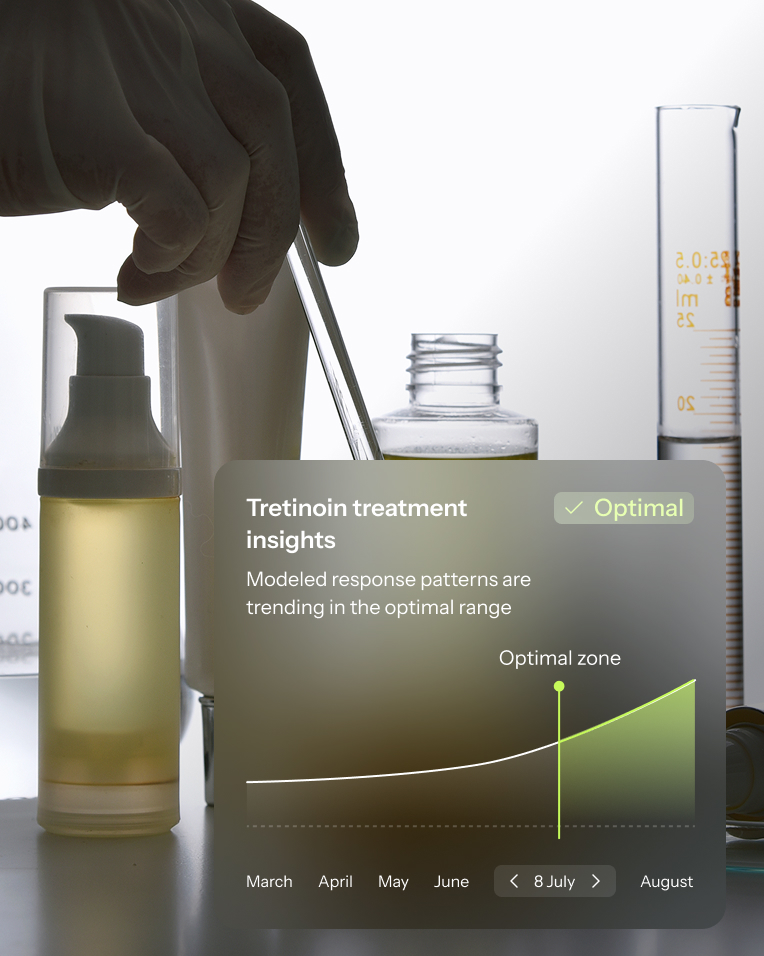
Most skincare sells the promise of visible change. Tretinoin has decades of published research behind the mechanism.2
Because it is already active retinoic acid, Tretinoin may bind directly to receptors involved in skin renewal and collagen support.2 Hyaluronic acid supports hydration and barrier function, while vitamin C may add antioxidant support for more than a temporary glow.6 7
Tretinoin is up to 20x more potent than over-the-counter retinols3






Clinically studied
Tretinoin is active retinoic acid—the form the skin can use directly, without first converting it the way it must with retinol.2 Retinol requires a two-step enzymatic conversion to become active, and conversion efficiency varies between individuals.3 Human skin research found that other products needed roughly 20x the concentration to create a similar biological response.3
That difference has translated into visible results in clinical studies. In a randomized trial of 251 people, 86% using 0.05% Tretinoin showed overall improvement after 24 weeks.10 Longer-term studies also found support for new collagen formation, with improvements in wrinkles and texture sustained for up to 22 months.8
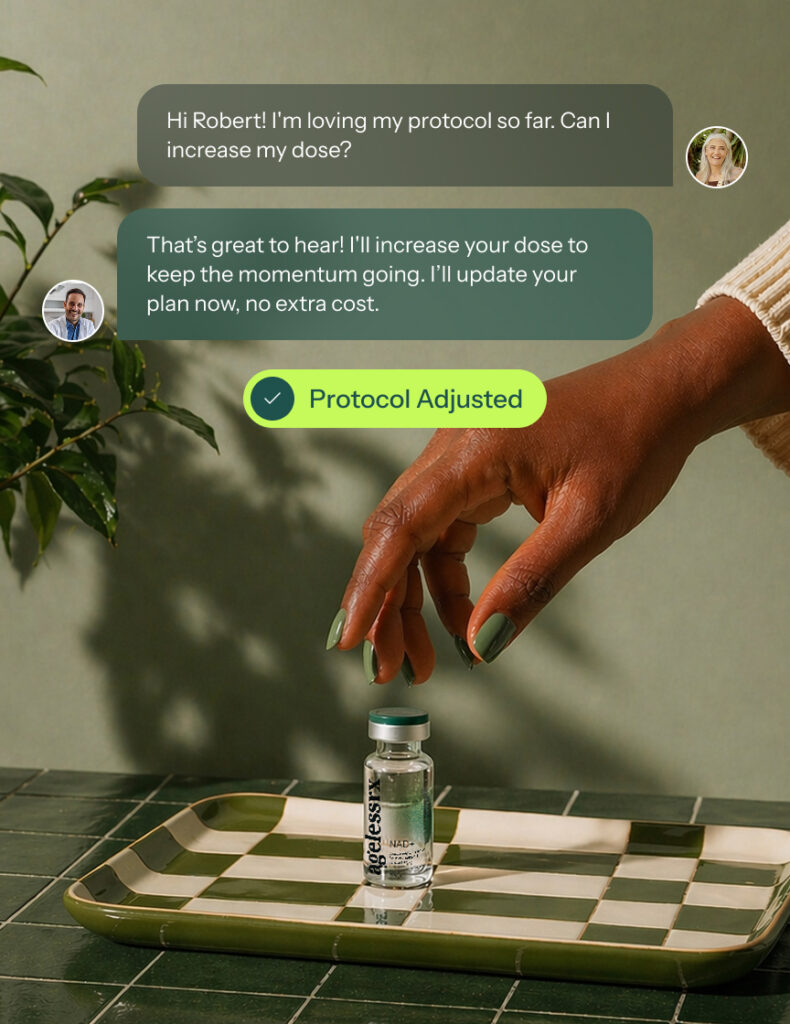
Move beyond the routine that worked in your 20s with clinician-guided monthly or 3-month plans with experts who understand the biology of firmer, healthier-looking skin.
$70/mo
Quarterly plan billed $210/every 3 months
What’s included




Disclaimer
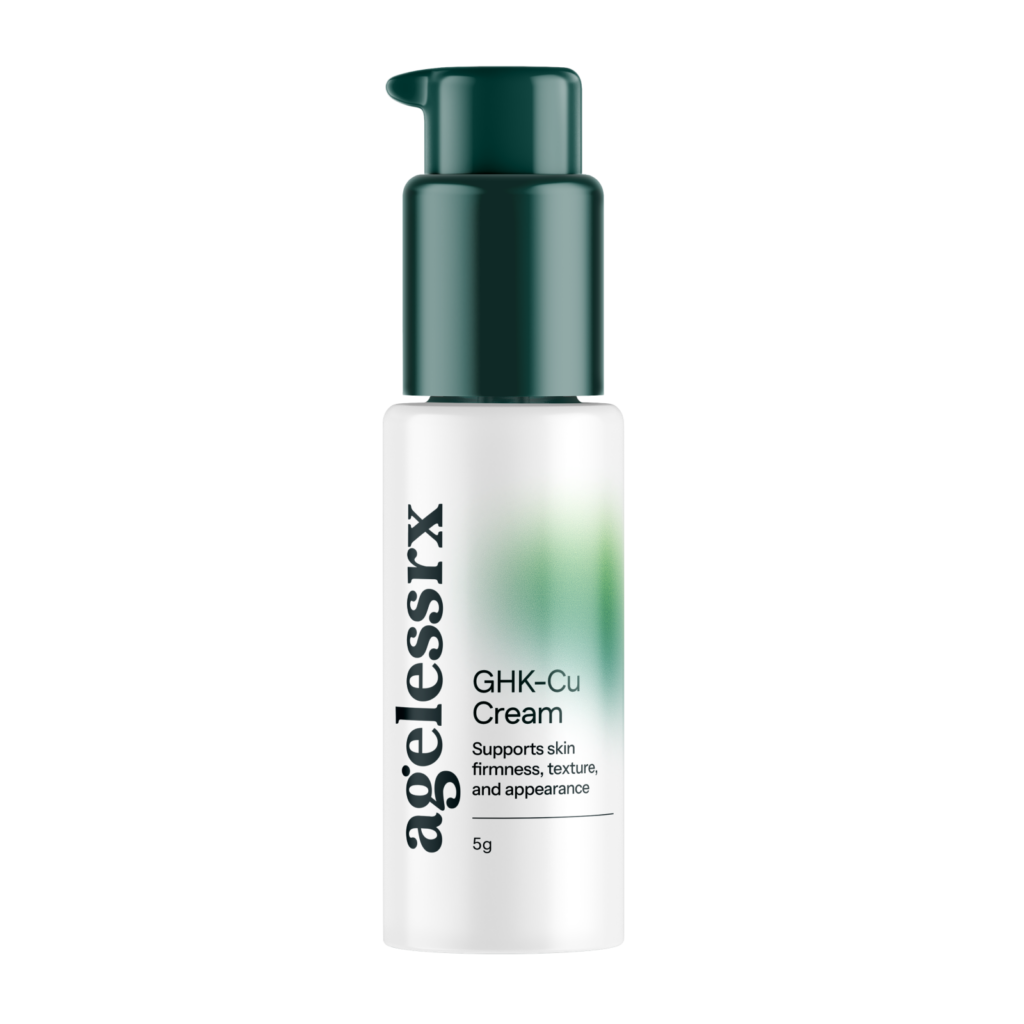
Support firmer, smoother-looking skin with a naturally occurring copper peptide that helps restore the repair and renewal processes that decline with age.
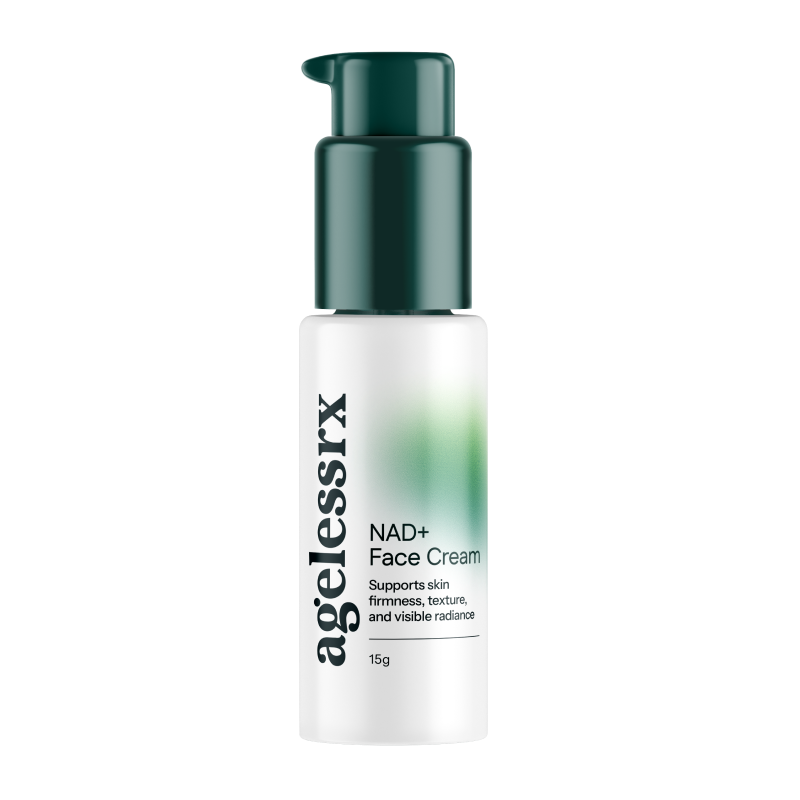
Supports smoother, brighter, firmer-looking skin with a clinician-guided formula that delivers pure NAD+ to address visible signs of aging.
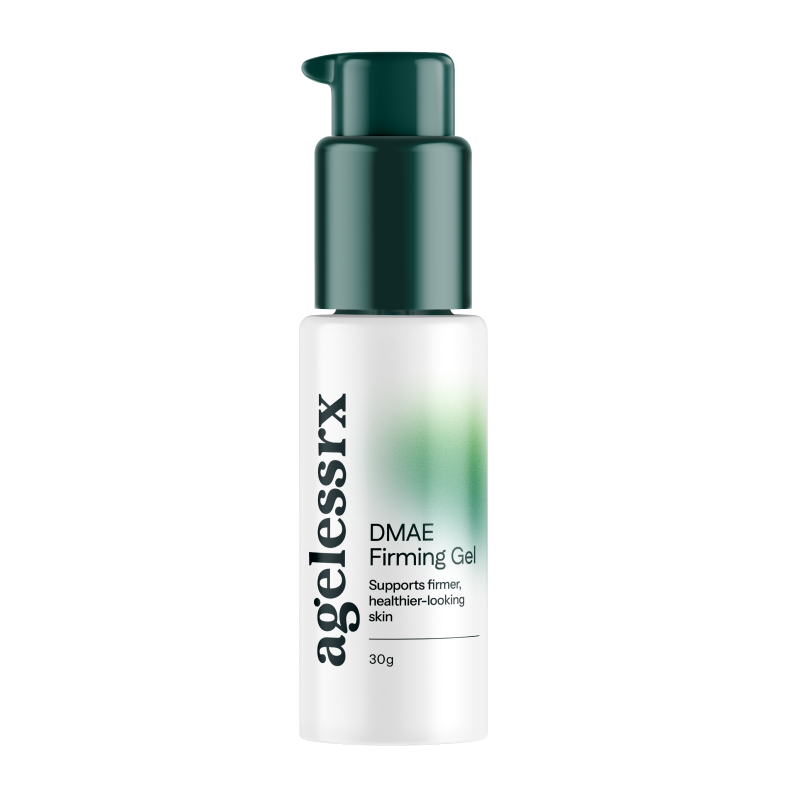
An exclusive Rx-compounded 3% gel, combining DMAE with hyaluronic and alpha lipoic acids for firmer, smoother-looking skin—built on the idea that skin ages at the cellular level, not just the surface.
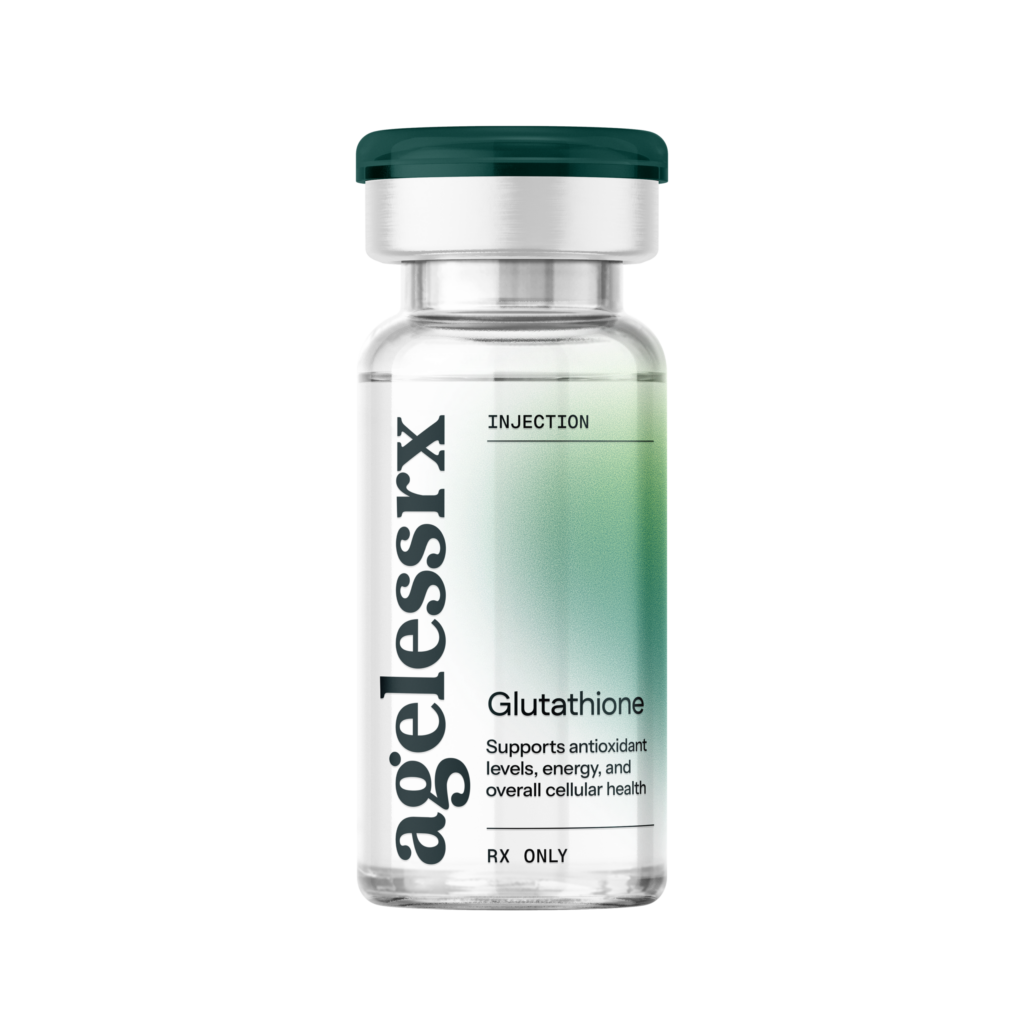
Support energy, immunity, cellular detox, and healthy skin by helping replenish the body’s master antioxidant that naturally declines with age.
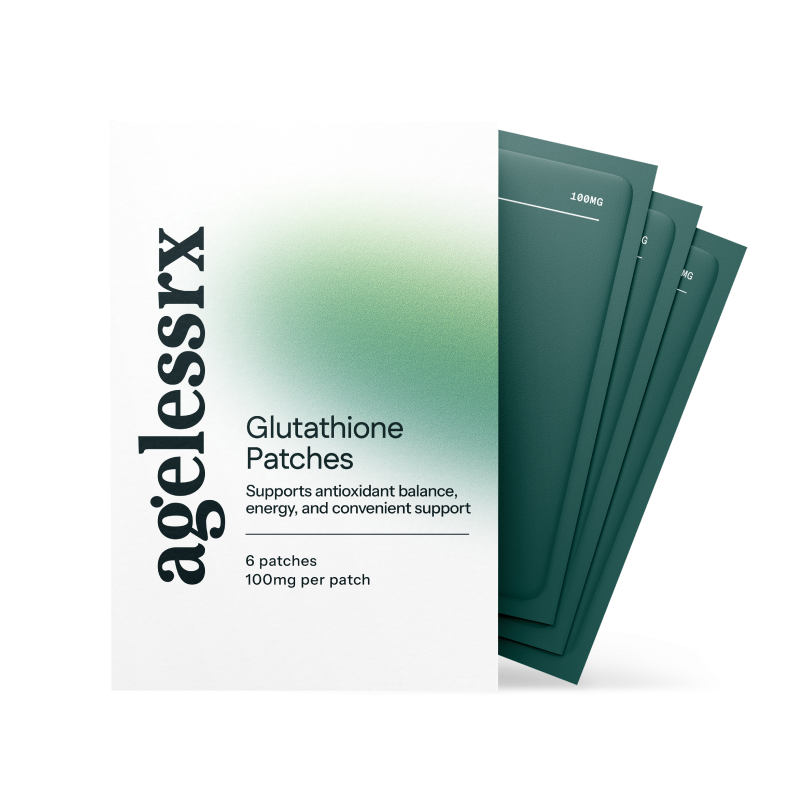
A once-weekly patch for those who want whole-body antioxidant support without adding injections to their routine, helping support energy, detox pathways, and healthy-looking skin.
Some dryness, flaking, or an initial increase in breakouts is a common part of your skin adjusting to Tretinoin, often called retinization, and it typically settles within several weeks as your skin acclimates. It can feel discouraging if you’re expecting smooth sailing from day one, but this stage is usually just your skin responding to a new active.
AgelessRx’s gradual approach, a lower starting concentration and fewer applications per week, is designed to make that adjustment period easier. If irritation feels more severe than mild flaking and redness, such as intense burning or swelling, check in with your provider rather than waiting it out.
Tretinoin has a long track record of use, with studies following people for as long as four years showing it to be well tolerated with continued use.8 9 It’s one of the more thoroughly studied ingredients in skincare, which is part of why providers feel comfortable keeping people on it for the long haul. As with any prescription treatment, your provider monitors your progress over time and can adjust your concentration or frequency as your skin’s needs change.
Most commonly, AgelessRx prescribes a starting/initial prescription of 0.02%, working up to 0.05% upon first refill. In some cases, different strengths may be prescribed at the discretion of the reviewing doctor or medical professional. However, we typically do not recommend strengths over 0.05%, as higher concentrations are often too strong to properly address wrinkles and come with exacerbated side effects: the 0.02% and 0.05% formulas offer the potentially best balance of positive cosmetic outcomes while minimizing side effects.1
Most people should apply Tretinoin first, then moisturizer once it’s had a few minutes to absorb. If your skin is sensitive or new to Tretinoin, applying a thin layer of moisturizer before Tretinoin, known as buffering, can ease irritation without giving up much benefit.
Early signs of Tretinoin at work are mild signs of tingling, burning, or in some cases, mild peeling following application. This is due to the skin turning over new layers, potentially resulting in brighter and tighter skin.1 2 Some users see early results within 3-4 weeks, with more significant results after 8-10 weeks.