30 Days
Autophagy–the body’s version of trash removal–gets more support, potentially helping cells clear damaged material and recover more efficiently.8
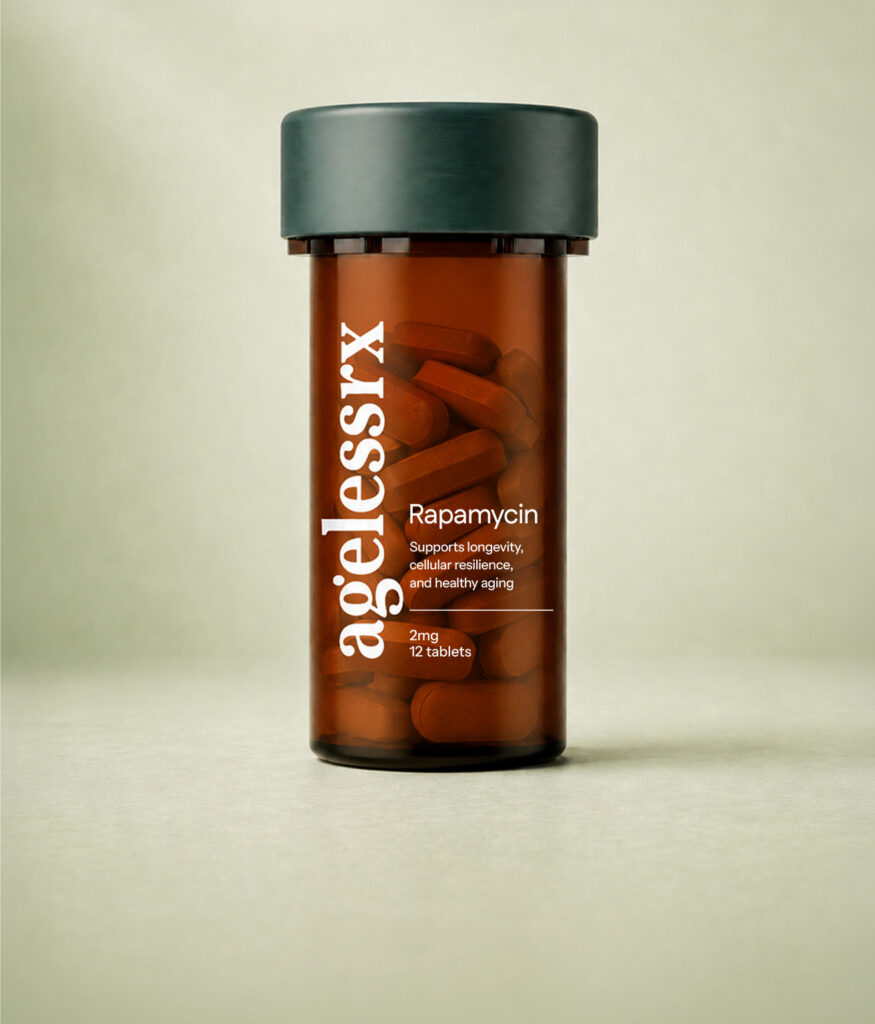
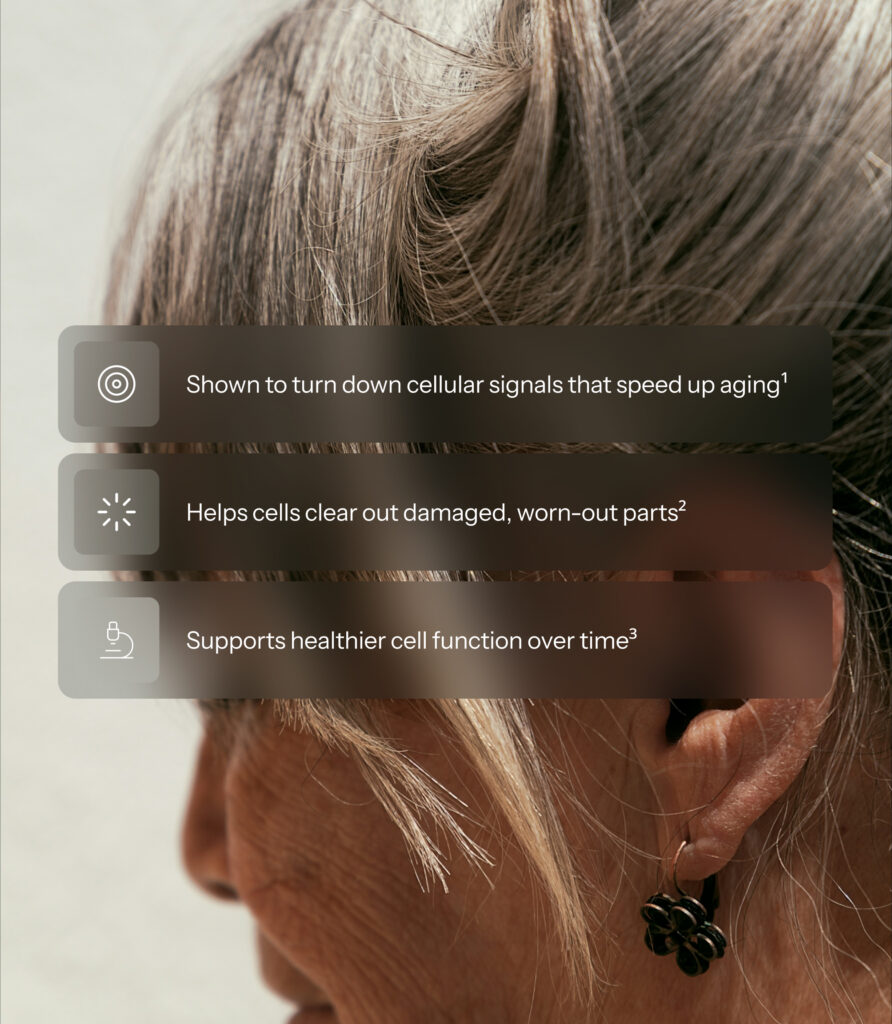
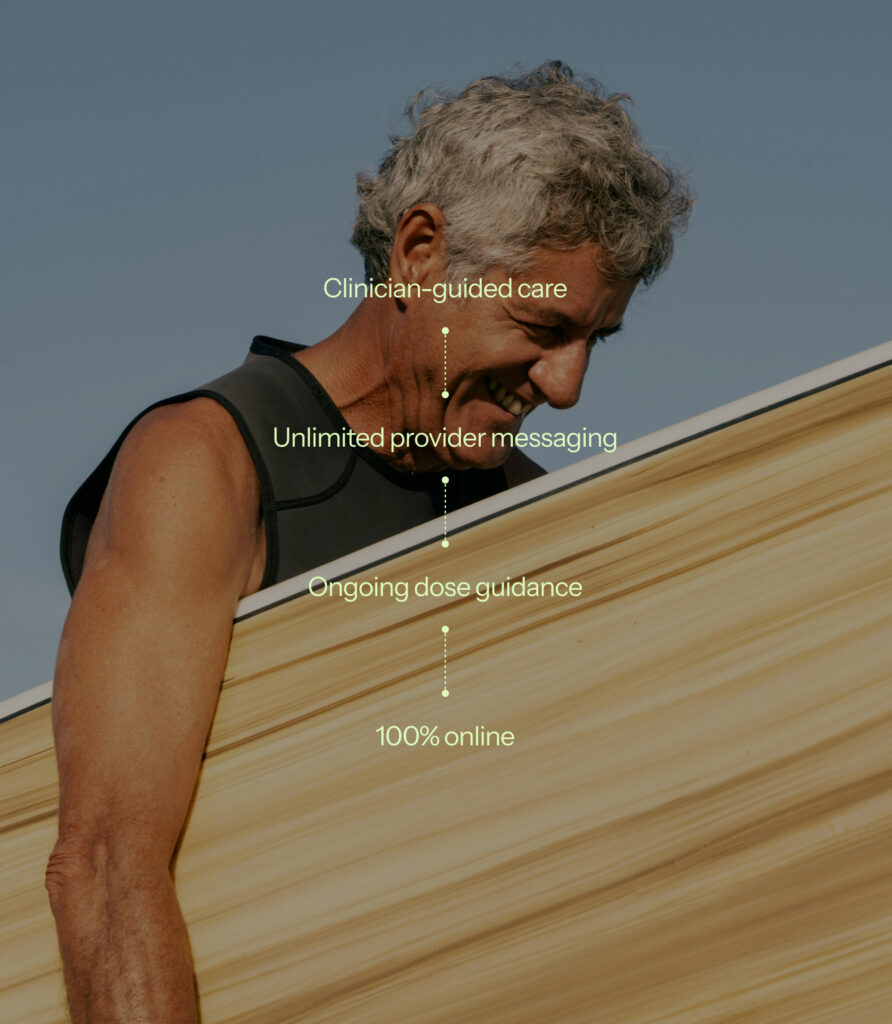
One of longevity’s most talked-about therapies, it has extended lifespan across every model organism studied by lowering mTOR, and helping cells clear damage, repair, and stay functional longer.
PEARL stands for Participatory Evaluation of Aging with Rapamycin for Longevity. Researchers from our Stanford PhD-led Research Team designed and led the 48-week randomized, double-blind, placebo-controlled trial to study the effects of low-dose weekly Rapamycin in healthy adults ages 50 to 85.5
A total of 114 participants completed the study while our Research Team tracked safety, blood markers, body composition, and quality of life. The trial’s primary measure–visceral fat–didn’t show a significant change, but meaningful secondary findings did: women taking 10mg of compounded Rapamycin saw significant improvements in muscle mass and pain, and participants taking 5mg weekly reported improvements in general health and emotional well-being. The results were published in the peer-reviewed journal Aging in 2025.6
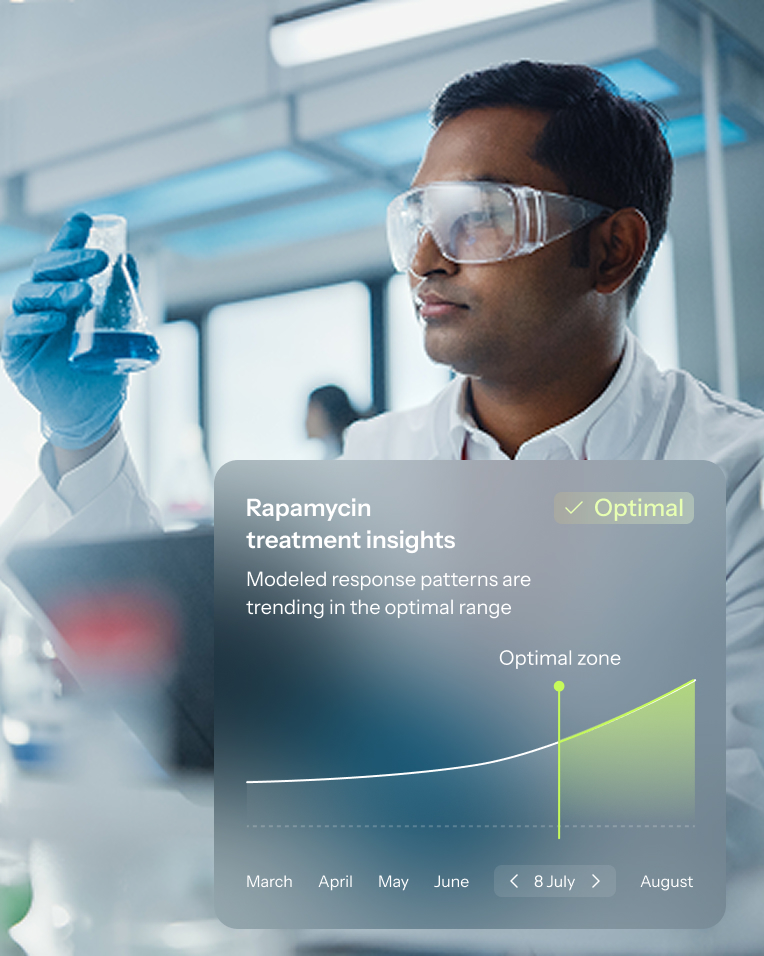
Rapamycin temporarily reduces activity in mTOR, a nutrient-sensing pathway that tells cells when to grow and when to repair. Giving that signal a break may create more time for autophagy, the process cells use to break down and recycle damaged material.2 3 Rapamycin has extended lifespan across every model organism it’s been tested in including yeast, worms, mice, and primates, making it one of the most consistently replicated longevity compounds in geroscience, and a genuinely promising candidate for extending human healthspan.6
A Generic Rapamycin prescription contains Sirolimus tablets that are commercially available, while Compounded Rapamycin prescriptions contain Sirolimus capsules that are compounded and mixed by a US-licensed, certified compounding pharmacy following rigorous quality controls. Compounded Rapamycin may be less potent than Generic Rapamycin, which could lead to reduced side effects as well as reduced absorption or bioavailability.7 For this reason, Compounded Rapamycin is typically prescribed at higher doses than Generic Rapamycin.
Rapamycin is taken once weekly according to your provider-guided titration schedule. If prescribed, a US-licensed medical provider will provide a tailored dosage schedule and specific treatment instructions with your care plan.
Rapamycin is generally a well-tolerated medication and most often exhibits minor side effects, including mouth ulcers (stomatitis), nausea, and/or diarrhea.
Most side effects are mild and go away on their own within a week or two. If you notice a persistent infection, such as a mouth ulcer that won’t go away as quickly as normal, please consult your healthcare provider.
Please review the Mayo Clinic’s full list of possible side effects before getting started with a free visit.
As a substrate for p-glycoprotein and cytochrome P-450 3A4, Rapamycin may have certain interactions with other drugs or supplements that act on these proteins. These include cyclosporine, rifampin, ketoconazole, cidofovir, ritonavir, mifepristone, posaconazole, fluconazole, and grapefruit juice.
Before taking Rapamycin, be sure to review the full list of potential drug interactions and talk to your healthcare provider about any medications you are currently taking.
Do not take Rapamycin if you are pregnant or breastfeeding, or plan to become pregnant or breastfeed.
Stop taking Rapamycin at least one month before surgery. Do not start taking Rapamycin again until your surgeon tells you it is safe to restart.
Do not take Rapamycin if you have a chronic infection (such as HIV/AIDS, Lyme disease, etc.), have any primary or secondary immune dysfunction or deficiency, and/or any allergy to Rapamycin or any of its ingredients.
While rare, it is possible that some who take Rapamycin may potentially become more susceptible to skin and/or lung infections. However, this is still being investigated and is not a proven risk associated with Rapamycin when taken at the frequency and doses prescribed at AgelessRx. If, at any time, you feel you are developing a troubling skin or lung infection, seek care at a local urgent care center, contact your PCP, or use an acute-care telemedicine service as soon as possible. Be sure to report the details to our medical team when you are able.
Note: The above statements have not been evaluated by the Food and Drug Administration. This product is not intended to diagnose, treat, cure, or prevent any disease.
Disclaimer

Your cells are constantly deciding whether to grow or repair, and mTOR helps control that switch. With age, mTOR can stay in growth mode longer than needed, leaving less time for cellular cleanup.1 Low-dose weekly Rapamycin may briefly turn that signal down, giving cells more time to clear damaged material and repair.3
Our researchers led PEARL, the largest published randomized, placebo-controlled study of low-doses of Rapamycin for healthy aging, that showed promising improvements in muscle mass, pain, and overall health.5
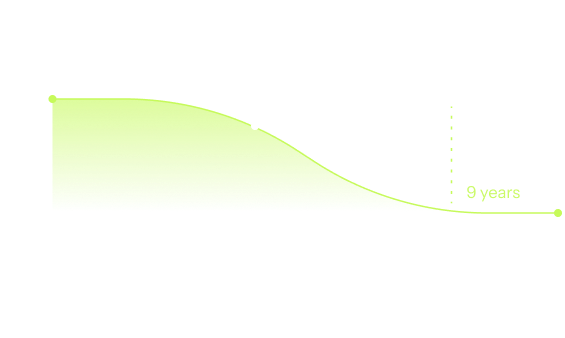
Average biological age reduction after 1 year






Clinically studied
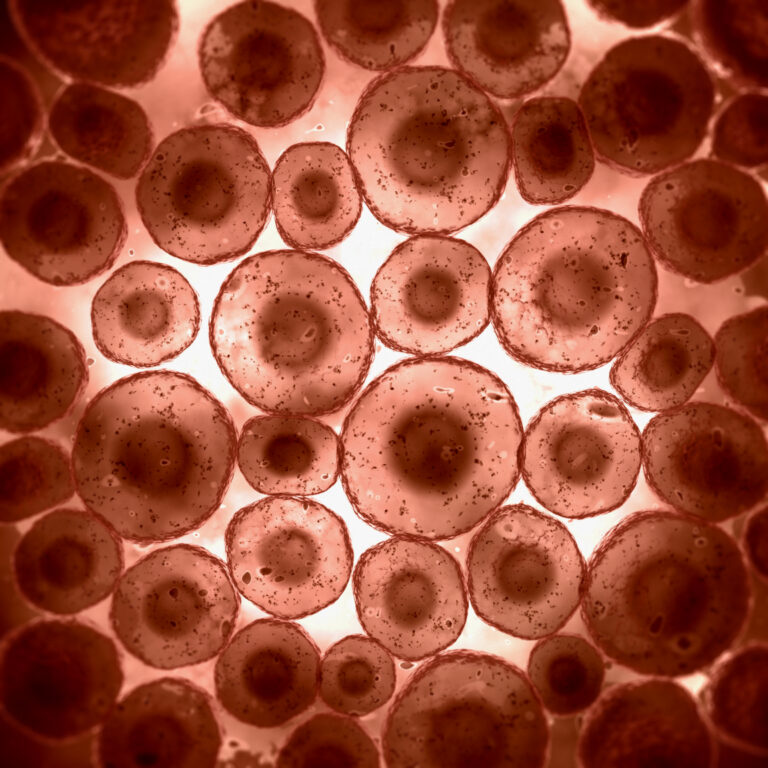
mTOR is one of the body’s central nutrient-sensing pathways. When nutrients are plentiful, it signals cells to grow, build proteins, and reproduce.1 Those processes are essential, but cells also need time away from growth to clear damaged material and restore internal balance.3
Rapamycin has extended lifespan across every model organism it’s been tested in–from yeast to mice to primates–one of the most consistently replicated findings in the biology of aging.6 Used intermittently, researchers believe this creates a recurring window for autophagy and cellular recycling without continuously suppressing a pathway the body also needs for normal growth and repair, showing promise for brain health, heart function, oral health, and broader inflammation markers.1 3
$65/month
Billed monthly | Shipped monthly
What’s included

Disclaimer
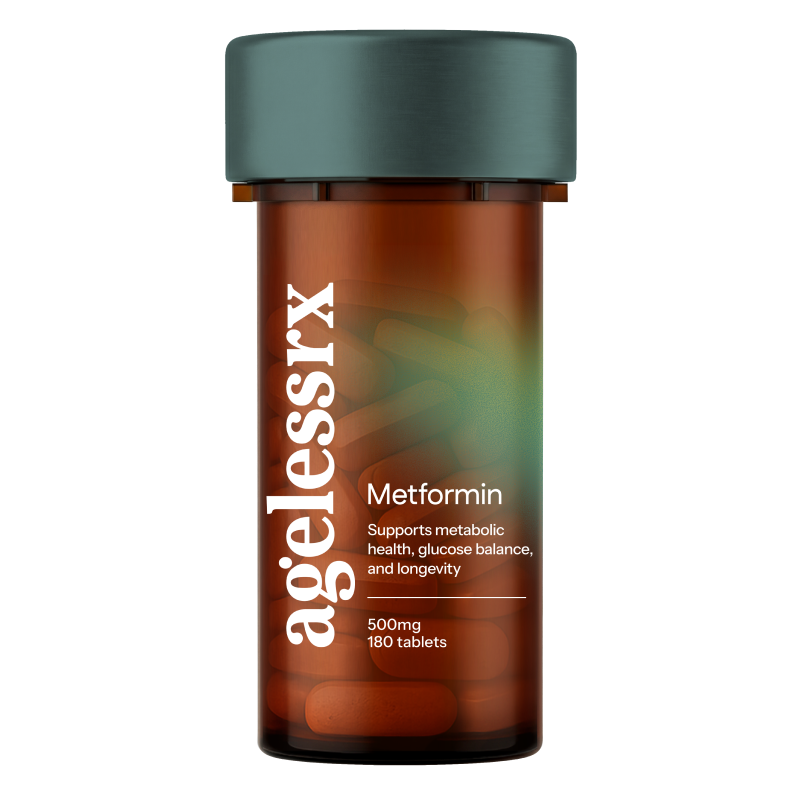
A once-daily pill that may help the body use sugar more efficiently, support appetite control, and build a stronger metabolic foundation for long-term health.
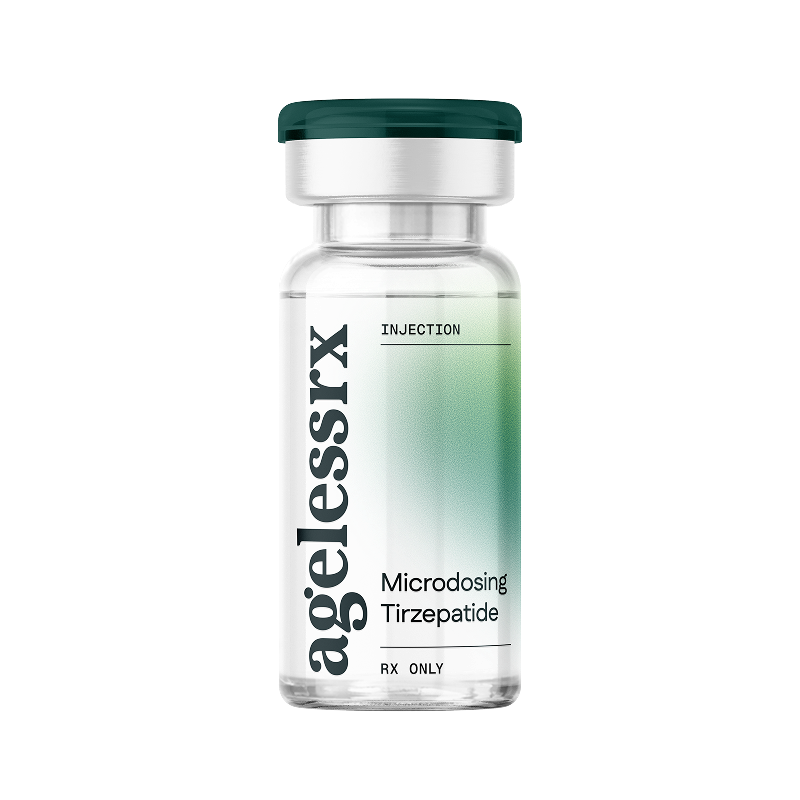
A low-dose GLP-1 approach designed to work in sync with the body, which may help minimize side effects, quiet cravings, and support moderate weight loss.
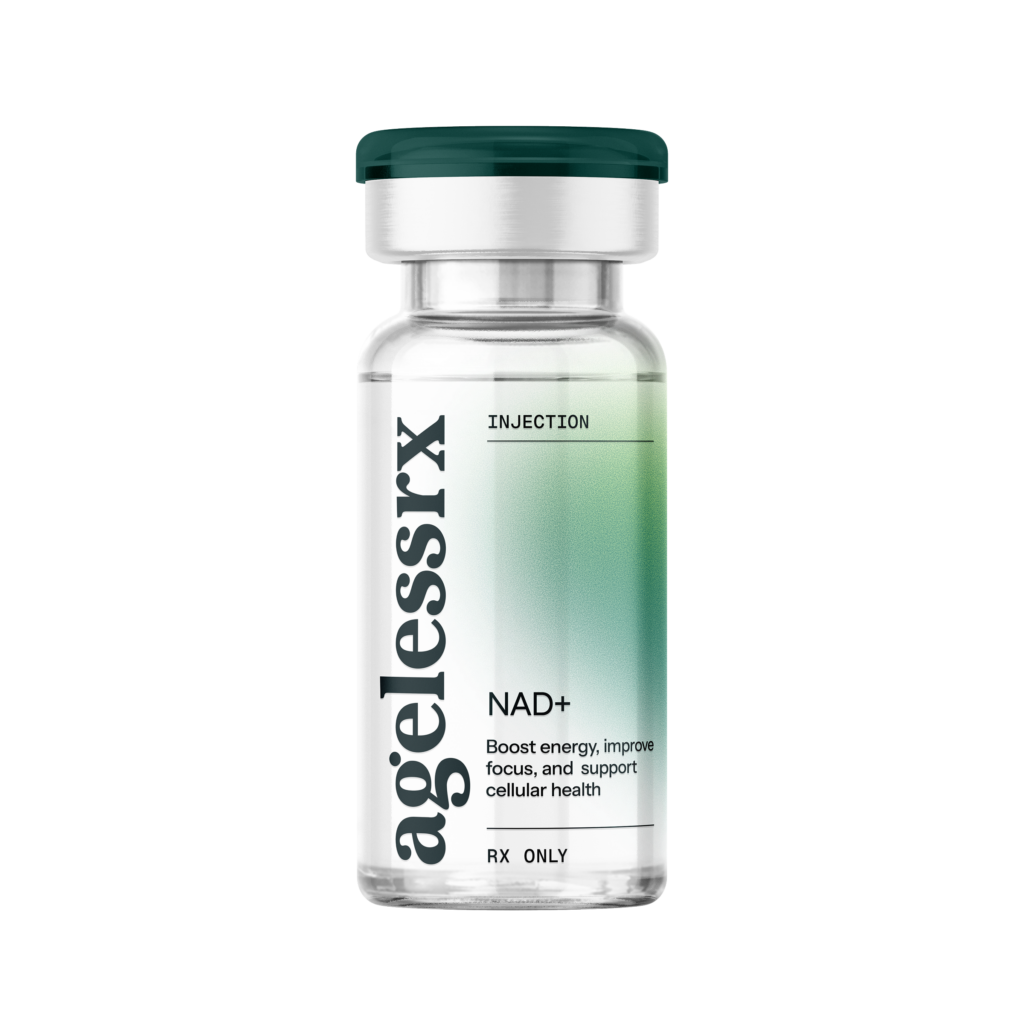
Boost energy, improve focus, and support cellular health with one of the most effective methods of restoring depleted NAD+ levels for a fraction of the cost of IV infusions.
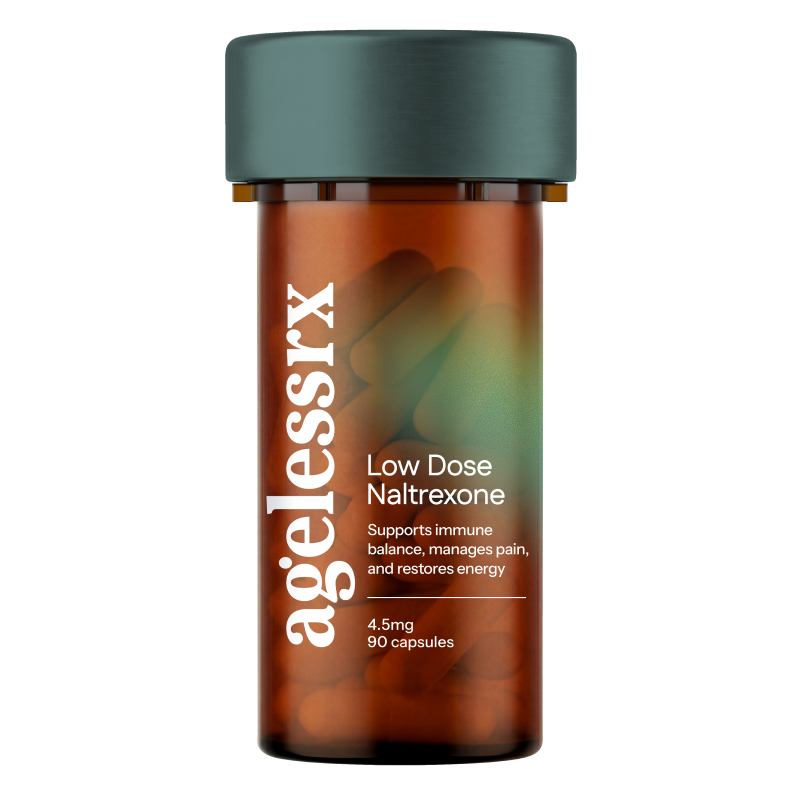
Unlike other treatments, works with the immune system to support a healthier inflammatory response, potentially helping with pain, energy, brain fog, and overall quality of life.
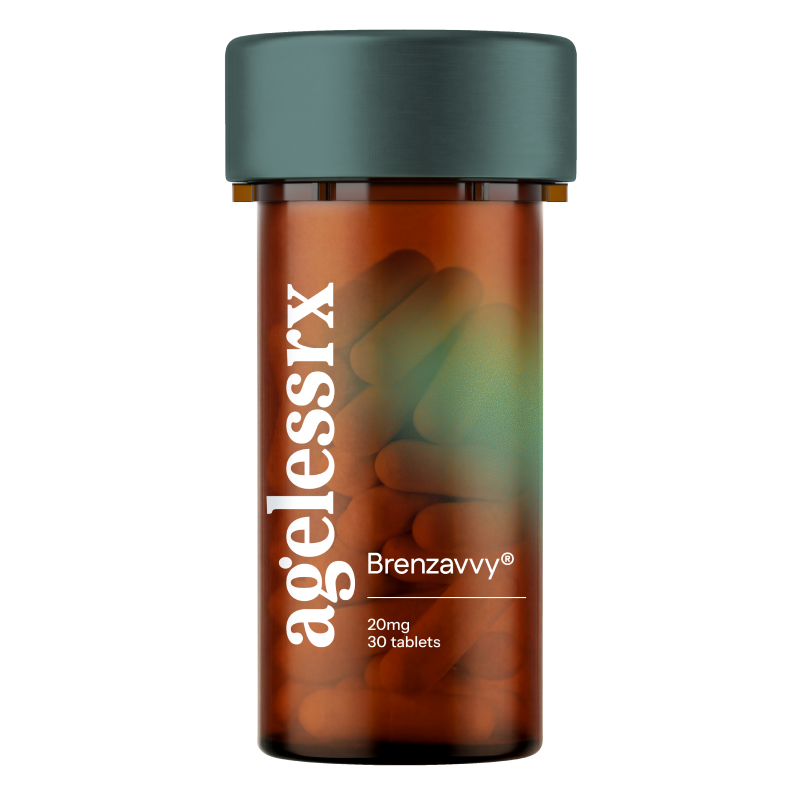
One of longevity's most promising classes of treatments, this daily pill helps remove 50–80g of glucose per day while mimicking metabolic signals associated with caloric restriction.
No. Sirolimus is FDA approved for specific medical uses, including preventing organ rejection after kidney transplantation and treating lymphangioleiomyomatosis.¹² It is not FDA approved to slow aging, extend lifespan, or improve healthspan. However, there are various studies, including the PEARL Trial, that have shown Rapamycin’s potential for longevity usages. Rapamycin may be prescribed off-label for longevity when a licensed provider determines it may be appropriate.⁵
Want the full research picture? See our Rapamycin science deep dive.
In animal models, robustly–it’s extended lifespan in every species tested, from yeast to primates, making it one of the most replicated findings in aging biology. In humans, that’s not yet proven.⁴ ⁶ Our own PEARL trial, the largest published human trial of its kind, found real, significant improvements in specific measures like muscle mass and pain in women, as well as general health and well-being, at lower doses over 48 weeks.⁵
Transplant protocols generally use continuous immunosuppressive exposure. Longevity protocols study lower, intermittent dosing intended to reduce mTOR activity temporarily and allow recovery between doses.¹²
The PEARL trial evaluated once-weekly compounded Rapamycin for 48 weeks.⁵ Its findings should not be generalized to every dose or schedule.
Individual response varies meaningfully, and formulation matters: our own research found compounded and commercial versions differ in how much reaches your bloodstream. Your dose and formulation are set and adjusted based on your labs, response, and our own trial data, not a fixed schedule.⁷
AgelessRx currently evaluates adults aged 40 and older who are clinically stable, willing to complete required blood work, and able to participate in continued monitoring.
Age alone does not determine eligibility. Your health history, medications, immune function, laboratory results, and goals are also considered.
Is Rapamycin safe? What are the side effects? In our PEARL trial, adverse events were similar across Rapamycin and placebo groups over 48 weeks, with mild gastrointestinal symptoms and mouth sores affecting roughly 1 in 5 participants being the most common issues.⁵
Outside the trial, possible side effects can include mouth sores, nausea, diarrhea, headache, changes in cholesterol, increased infection susceptibility, and delayed wound healing. Individual risk depends on dose, health history, and other medications, which is why ongoing labs and provider monitoring are part of the plan, not optional add-ons.