
How Summer Heat May Accelerate Biological Aging

For most of us, summer is the season we look forward to most: more sunlight, time outside, movement, social connection. These are all important longevity inputs.
But as summers get hotter, there is another side of the season it’s important to understand for longevity. Summer heat waves don’t just make you uncomfortable. They can place real strain on the cellular systems that regulate energy, oxidative stress, cardiovascular function, skin repair, and recovery.
That may help explain why the summer can sometimes leave people feeling foggy, fatigued, inflamed, and waking up like they’ve never fully recovered.
Recent research suggests that these symptoms aren’t just in your head; heat may also affect epigenetic aging, a measure of how quickly the body ages at the cellular level. A 2025 study of more than 3,600 older U.S. adults found that long-term exposure to hotter days is associated with faster epigenetic aging. The signal appeared across three of the most well-validated biological aging clocks: PhenoAge, GrimAge, and DunedinPACE.
Key points
- Summer heat can strain the cellular systems that regulate energy, inflammation, blood flow, skin repair, and recovery.
- A 2025 U.S. study linked long-term heat exposure with faster epigenetic aging in older adults.
- Heat stress may create cumulative biological strain on a cellular level that drives fatigue, poor recovery, inflammation, and visible skin aging.
- Building a summer longevity strategy requires understanding how heat may stress the body and supporting the cellular systems that help you keep up with energetic demands.
How summer heat may impact longevity
Most people think of heat as a temporary discomfort. You sweat, hydrate, push through, and eventually, you recover.
That may be true for isolated exposures. One hot afternoon or sauna session is usually something the body can manage. It may even encourage beneficial adaptations that make the body more resilient to stress.
The concern is repeated heat stress: hotter days, warmer nights, more frequent heat waves, and less time for the body to fully recover between exposures.
This is where hotter summers become a longevity problem.
What the latest research says about how heat impacts biological aging
A 2025 study of more than 3,600 older U.S. adults found that people exposed to more hot days over a 6-year period showed faster epigenetic aging.
Results from a single biological age clock can leave room for interpretation. What made the results from this study more compelling is that the researchers found increased heat exposure accelerated aging across three of the most well-studied biological aging clocks: PhenoAge, GrimAge, and DunedinPACE.
Each clock tells a slightly different story about how heat may be accelerating aging.
What the biological age clocks revealed
PhenoAge is closely tied to clinical blood markers that reflect inflammation, metabolic dysfunction, and organ distress.
GrimAge is often used to estimate longer-term risk, including mortality and multimorbidity, or the accumulation of multiple chronic diseases.
DunedinPACE measures the pace of aging, or how quickly the body appears to be moving through biological decline. It’s useful for measuring how different exposures or interventions impact our rate of aging.
Although each clock measures a different aspect of aging, they all pointed in the same direction: longer-term heat exposure is associated with faster biological aging.
How much does heat accelerate biological aging?
People exposed to the highest levels of heat showed nearly 3 years of additional biological aging compared to those living in cooler areas.
PhenoAge showed the strongest acceleration, which is especially relevant because it reveals many of the systems that heat can strain in daily life: inflammation, metabolism, liver, and kidney function.
The study suggested that shorter periods of heat exposure also accelerate biological aging, but only in the PhenoAge clock, suggesting that increased heat exposure may begin stressing organs early, but perhaps not to the extent of significantly increasing disease risk.
Why summer heat is becoming a real longevity issue
Recent climate data suggests heat stress is becoming a more chronic issue. A recent climate survey suggests that summers are getting warmer across the U.S., with temperatures rising in 97% of 243 cities analyzed.
One research study suggested that, over time, exposure to heat waves can accelerate cellular aging to levels comparable to those seen in regular smokers.
This may be why the symptoms of heat stress can look a lot like age-related decline: fatigue, poor recovery, brain fog, low stamina, and visible skin aging.
The good news is that you don’t have to let summer heat age you, there are simple steps you can take to protect cellular health. But it starts with understanding what systems are being stressed and how to support them on a cellular level.
Why heat can feel like more than discomfort
Heat stress is not just about temperature. It is about how hard the body has to work to stay balanced in the face of multiple different heat-induced stressors.
When temperatures rise, the body shifts resources toward cooling.
Sweating depletes fluid and electrolytes more rapidly.
Dehydration and vascular resistance make the heart work harder to pump blood, which can impact blood flow, oxygen delivery, and stamina.
Increased UV exposure creates oxidative stress and inflammation that accelerates breakdown of structural proteins like collagen that keep skin firm, smooth, and resilient.
Mitochondria, the energy producing batteries within cells, face greater demand as the brain tries to maintain temperature and blood pressure while keeping up with metabolic demands, leading to fatigue and brain fog.
When the body is under repeated stress, it perceives it’s in danger, which can cause inflammation to rise. This can feel like increased joint discomfort, swelling, skin irritation, and poor recovery.
Over time, these factors may converge and create layers of cellular stress that outpace the body’s ability to fully recover, gradually accelerating biological aging.
How to tell if heat is straining your cellular systems
There is no universal temperature where heat stress begins. Some research suggests that 80 F and above can stress the system, especially when it hits frequently, leaving little time for the body to recover.
Some people feel strain at even lower temperatures, especially those who live in cooler climates.
This is where paying attention to symptoms can help guide action.
If heat reliably worsens your fatigue, brain fog, inflammatory flares, skin health, headaches, sleep, or stamina, it may not just be discomfort. It may be a signal that your cells are taking on more heat stress than they can comfortably buffer.
How to build a summer longevity strategy
For most people, heat exposure is built into where they live, work, commute, socialize, and care for their families. It’s not practical to just stay indoors all day or pack up and move somewhere cooler.
That’s why the conversation needs to move from avoidance to protection.
A warming climate means summer resilience is becoming part of longevity medicine. Not in a dramatic or fear-based way, but in a practical one:
By identifying the cellular systems that heat strains and engaging with science-backed lifestyle changes and interventions that are shown to support the systems under stress.
1. Cool down at night to protect recovery
Hot nights are one of the most overlooked drivers of summer fatigue.
Sleep is when the body repairs from the stressors experienced during the day. During deep, non-REM sleep in particular, the body lowers inflammation, clears waste from the brain, replaces damaged mitochondria, and replenishes collagen in the skin. When heat disrupts sleep, the body doesn’t get the chance to fully recover, and this is how cellular damage accumulates and accelerates aging.
Keeping the bedroom temperature at 68° F or below, using breathable bedding, and eating lighter evening meals can all help reduce nighttime heat strain.
2. Support cellular energy and repair with NAD+
For people who feel unusually depleted during heat waves, cellular energy support may also be worth discussing with a clinician. NAD+ plays a central role in mitochondrial energy production, DNA repair, and stress response pathways.
Research suggests that heat stress places additional strain on mitochondria to meet the energetic demands of maintaining body temperature. In the process, this may also deplete NAD+ levels and compromise NAD+-dependent systems responsible for DNA repair and healthy gene expression, which can directly accelerate epigenetic aging.
NAD+ Injections may help support the key cellular systems needed to keep up with energy demands, and in doing so, enhance cellular resilience, reduce fatigue, and improve recovery.
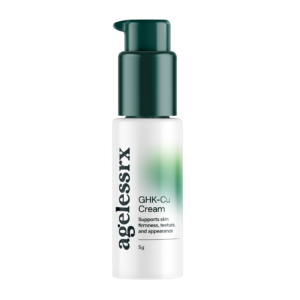
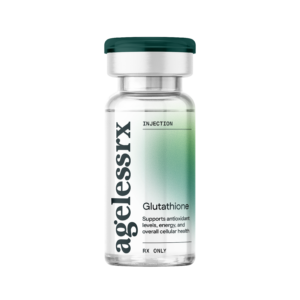
3. Protect skin from oxidative stress with Glutathione and GHK-Cu
Skin often shows the effects of summer first.
UV exposure increases oxidative stress, damages DNA, and contributes to the breakdown of collagen and elastin.
Sunscreen is foundational. Nothing replaces broad-spectrum SPF and avoiding peak UV exposure when possible. But a good skin longevity approach also boosts the cellular systems that kick in after exposure.
Glutathione (GSH) is the body’s master antioxidant that defends against oxidative stress. GSH Injections may help combat oxidative stress from increased UV exposure and prevent the cumulative effects of photoaging including dull skin and spots. GHK-Cu is a natural copper peptide that is essential for replenishing structural proteins in the skin, like collagen and elastin, each day. GHK-Cu topical cream may help stimulate collagen production for nighttime skin restoration.
Levels of both these critical peptides decline with age. But together, GSH Injections and GHK-Cu Cream may help rejuvenate skin from the fine lines, wrinkles, dark spots, and dullness that can result from years of photoaging.
4. Support hydration, blood flow, and stamina
As the body tries to cool itself, blood flow shifts toward the skin. Sweating reduces fluid and electrolyte levels. Dehydration can make the heart work harder to circulate blood, deliver oxygen to tissues, and maintain temperature control.
Hydration isn’t just for thirst. In the summer, it’s a cardiovascular support strategy, but some people may also benefit from clinician-guided, prescription vascular support.
Tadalafil (Cialis) supports blood vessel relaxation and healthy circulation throughout the body by boosting nitric oxide levels. Daily, low-dose Tadalafil is gaining popularity as a potential longevity intervention with influencers like neuroscientist Andrew Huberman, suggesting it may enhance performance by improving stamina, cardiovascular function, muscle recovery, and cognitive performance.
What this means for you
Longevity is not about chasing the next popular trend just to add another intervention to your stack. It’s about understanding where stress comes from in your life and supporting the cellular systems that help the body remain resilient with age with science-backed strategies.
The research on the impact of heat on biological aging is still developing, but the prevention message is practical: support the cellular systems that heat strains most. Cooling, hydration, sun protection, and targeted cellular support can help reduce the burden before symptoms become the signal that your body is aging faster.
This article is educational and should not replace medical advice. If you notice that heat affects your health and quality of life, or if you are interested in clinician-guided longevity strategies, you can discuss your symptoms, health history, and goals with one of our longevity clinicians.
Frequently Asked Questions
Can summer heat accelerate biological aging?
Emerging research suggests that long-term exposure to hotter days may be associated with faster epigenetic aging, a measure of how quickly the body appears to age at the cellular level. This does not mean one hot day will age you overnight, but repeated heat stress may place cumulative strain on the systems involved in repair, inflammation, energy, and recovery.
What is epigenetic aging?
Epigenetic aging measures chemical changes that accumulate on DNA over time. These changes can help estimate biological age, or how well your cells and organs are functioning compared to your chronological age.
How does heat stress affect the body?
Heat stress forces the body to work harder to stay cool. Sweating depletes fluids and electrolytes, dehydration makes the heart work harder, UV exposure increases oxidative stress, and mitochondria face greater energy demand.
Why does summer heat make me feel tired or foggy?
Summer heat can increase the body’s energy demands while also disrupting hydration, sleep, blood flow, and recovery. Together, these changes may contribute to fatigue, brain fog, low stamina, and the feeling that your body has not fully recovered.
How does heat affect skin aging?
Heat and UV exposure can increase oxidative stress in the skin, damage DNA, and contribute to collagen and elastin breakdown. Over time, this may contribute to visible skin changes, such as fine lines, dullness, dark spots, and reduced firmness.
What temperature can start causing heat stress?
There is no universal cutoff. Some research suggests 80°F and above may place stress on cellular systems, especially when exposure is frequent, but individual tolerance depends on humidity, sleep, hydration, medications, fitness, and climate adaptation.
Is sauna the same as summer heat stress?
No. Controlled heat exposure, such as sauna use, may support beneficial stress adaptation when followed by hydration and recovery. Chronic summer heat stress is different because it can repeatedly disrupt sleep, hydration, cardiovascular function, and cellular repair.
What is the best way to protect against heat-related biological aging?
Start with cooling your sleep environment, staying hydrated, replacing electrolytes when needed, wearing sunscreen, and avoiding peak heat exposure. For more personalized support, clinician-guided strategies may help target the systems heat strains most, including cellular energy, antioxidant defense, skin repair, and blood flow.
When should I talk to a clinician about heat-related symptoms?
Talk to a clinician if heat consistently worsens fatigue, dizziness, headaches, swelling, inflammatory symptoms, poor sleep, or low stamina. Medical guidance is especially important before considering prescription-based strategies such as NAD+, Tadalafil, GSH, or other longevity protocols.