
What are the 12 Hallmarks of Aging?
12 distinct biological “hallmarks” interact with each other to drive the development of age-related diseases such as cancer, diabetes, Alzheimer’s, and heart disease.
Science has shown understanding this framework can help us slow—and even reverse—the aging process.










The science
Just what is aging?
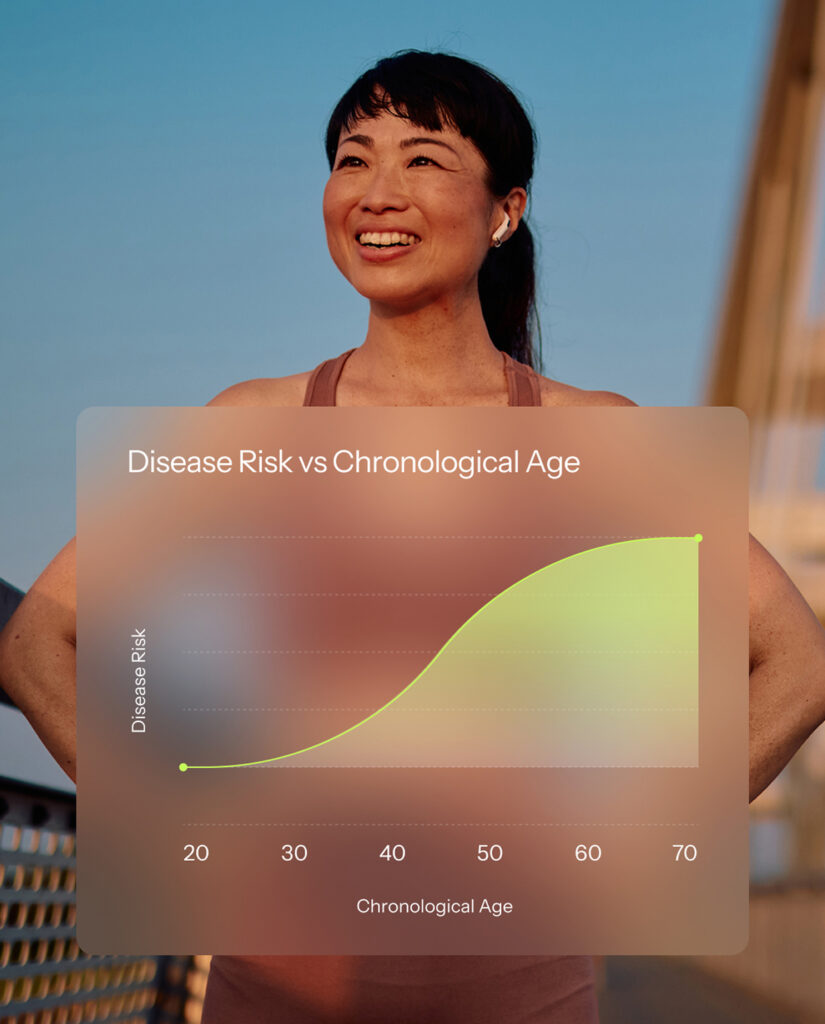
In 2013, researchers identified distinct “hallmarks” of aging—key processes inside our cells that contribute to age-related disease. These hallmarks interact with each other to help characterize how aging happens over time.
Importantly, this is the first time the field actually recognized aging as a cellular process, occurring over decades, that increases the risk of both disease and death.
This discovery helped us transition from “aging as a natural and inevitable process” to something that is malleable, and most importantly, fixable.

One framework for understanding aging
Not all hallmarks are created equal
Genomic instability
DNA acts like the body’s instruction manual, telling cells how to work, repair, and reproduce.
Over time, damage can build up faster than the body can fix it, so some of those instructions become harder for cells to follow correctly. That can mean slower repair, more worn-out cells, and a greater chance of age-related disease.2
Telomere attrition
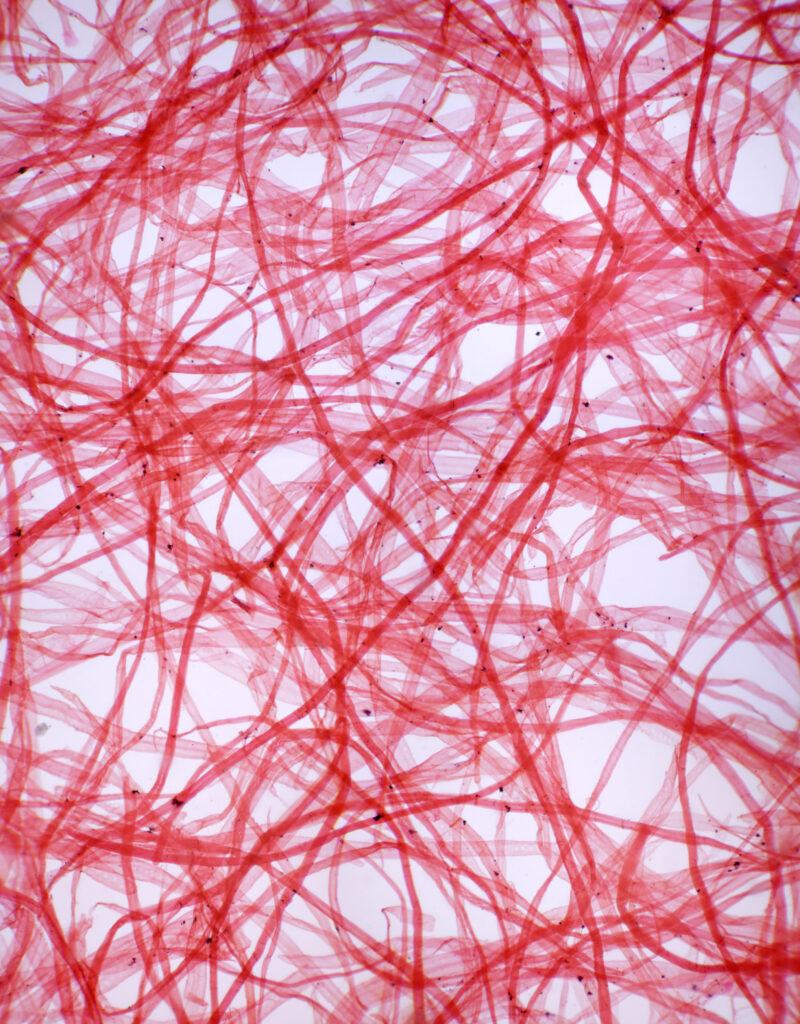
Telomeres act like the plastic tips on shoelaces, protecting the ends of your chromosomes from fraying. Each time a cell divides, those protective tips wear down a little more.
You don’t feel telomeres shortening, but when they become too short, cells can stop dividing normally, making it harder for fast-renewing tissues like skin and immune cells to keep replacing themselves, leading to compromised immunity and visible skin aging.3
Epigenetic alterations
If DNA is the blueprint, your epigenome is the collection of sticky notes and highlighter marks telling each cell which instructions to read.
As we age, those notes can get smudged, misplaced, or stuck on the wrong pages. That can change how cells behave even though the DNA itself hasn’t changed, and these shifts can be measured through biological age markers.4
Loss of proteostasis
Proteostasis acts like the cell’s quality-control department, folding proteins correctly, fixing mistakes, and getting rid of anything that can’t be salvaged. As we age, that department can get understaffed, allowing damaged proteins to pile up on the factory floor.
Over time, that buildup can interfere with how cells and tissues work, including muscles and the brain.5
Deregulated nutrient sensing
Nutrient-sensing pathways act like a dial between “build and grow” and “maintain and repair.” As we age, that dial can get stuck too far toward growth, even when cells would benefit from spending more time on maintenance.
In everyday life, that can connect to changes in blood sugar, weight, and how easily your body switches between storing and using fuel.6
Mitochondrial dysfunction
This is one of the hallmarks you can actually feel, with getting tired sooner, losing endurance, or taking longer to recover after exercise or a busy day.7
Cellular senescence
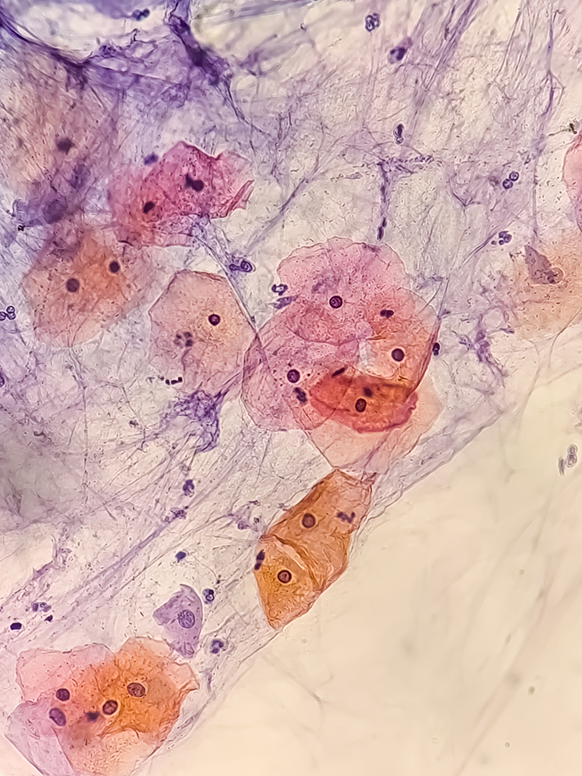
Senescent cells are often called “zombie cells” because they stop dividing but don’t die off when they should. Instead, they hang around and release inflammatory signals that can disrupt the healthy cells around them.
As zombie cells build up, they can contribute to visible skin aging, slower tissue repair, and more chronic low-grade inflammation.8
Stem cell exhaustion
Stem cells act like the body’s construction crew, ready to rebuild tissue when something is damaged or worn out. As we age, that crew can get smaller and slower to respond.
That can mean cuts take longer to heal, muscles take longer to recover after exercise, and damaged tissue doesn’t rebuild as quickly as it used to.9
Altered intercellular communication
If every cell is a worker, intercellular communication is the company-wide messaging system. With age, messages can get delayed, garbled, or sent to the wrong department, making it harder for the body to coordinate hormone signaling, immune responses, and wound repair.
The result can be slower healing and age-related changes in the signals that help different parts of the body work together.10
Impaired autophagy
Autophagy acts like the cell’s spring-cleaning and recycling center, breaking down worn-out mitochondria, damaged proteins, and other cellular debris so useful parts can be reused. As we age, that cleanup process can slow down, leaving more damaged parts hanging around.
Over time, cells can become less efficient at recovering from stress and keeping themselves in good working order.11
Microbiome dysfunction
Also known as dysbiosis, your gut microbiome acts like a garden filled with different species that need to stay in balance. With age, some beneficial “plants” can thin out while opportunistic “weeds” gain ground.
You may notice that shift through digestive changes, while behind the scenes it can also affect immune function and contribute to inflammation throughout the body.12
Want the full picture? Read more about dysbiosis.
Chronic inflammation
Inflammation acts like a smoke detector that is supposed to go off when there’s a real fire. As we age, that alarm can start quietly beeping all the time, even when there’s no immediate threat.
That constant low-level inflammation can show up as stiff joints, lingering soreness, and taking longer to recover after exercise, illness, or physical stress.13

Target the biology of aging
NAD+ Injection
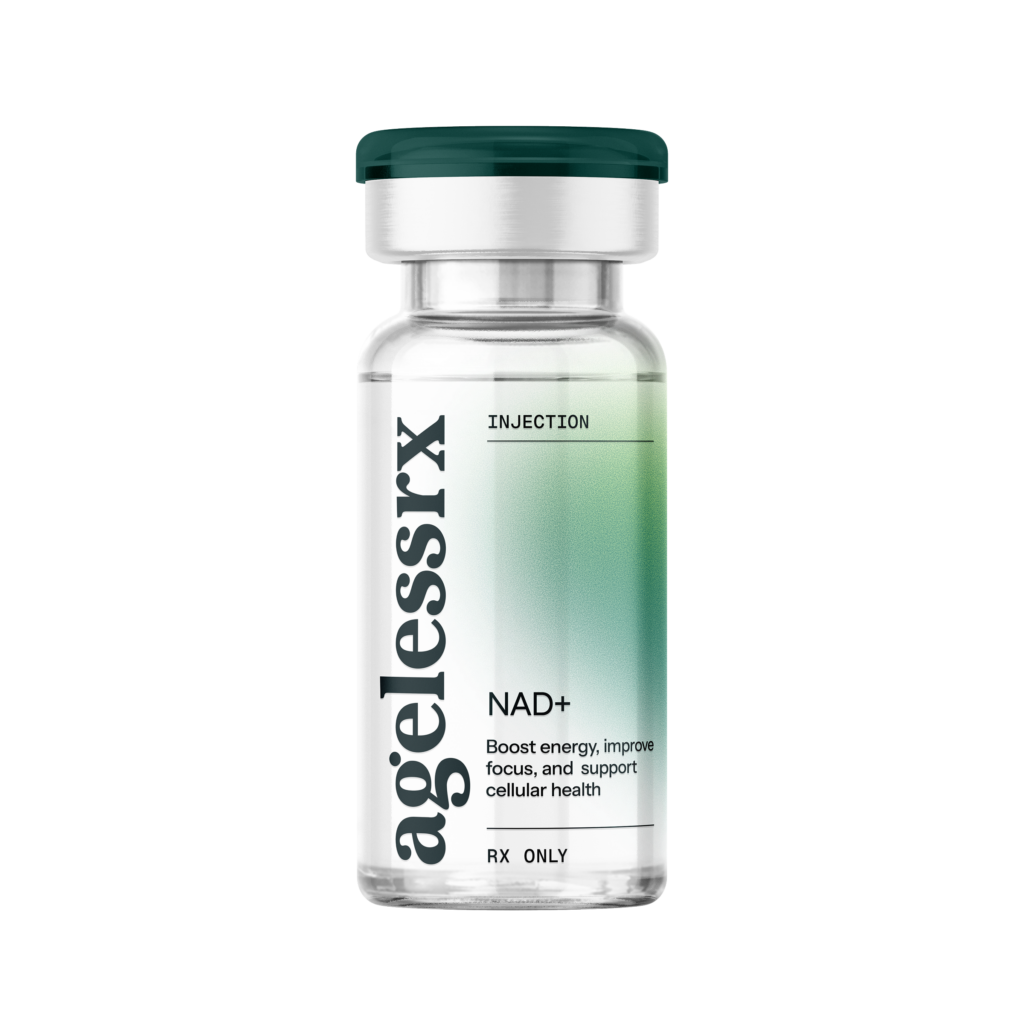
Boost energy, improve focus, and support cellular health with one of the most effective methods of restoring depleted NAD+ levels for a fraction of the cost of IV infusions.
Glutathione Injection
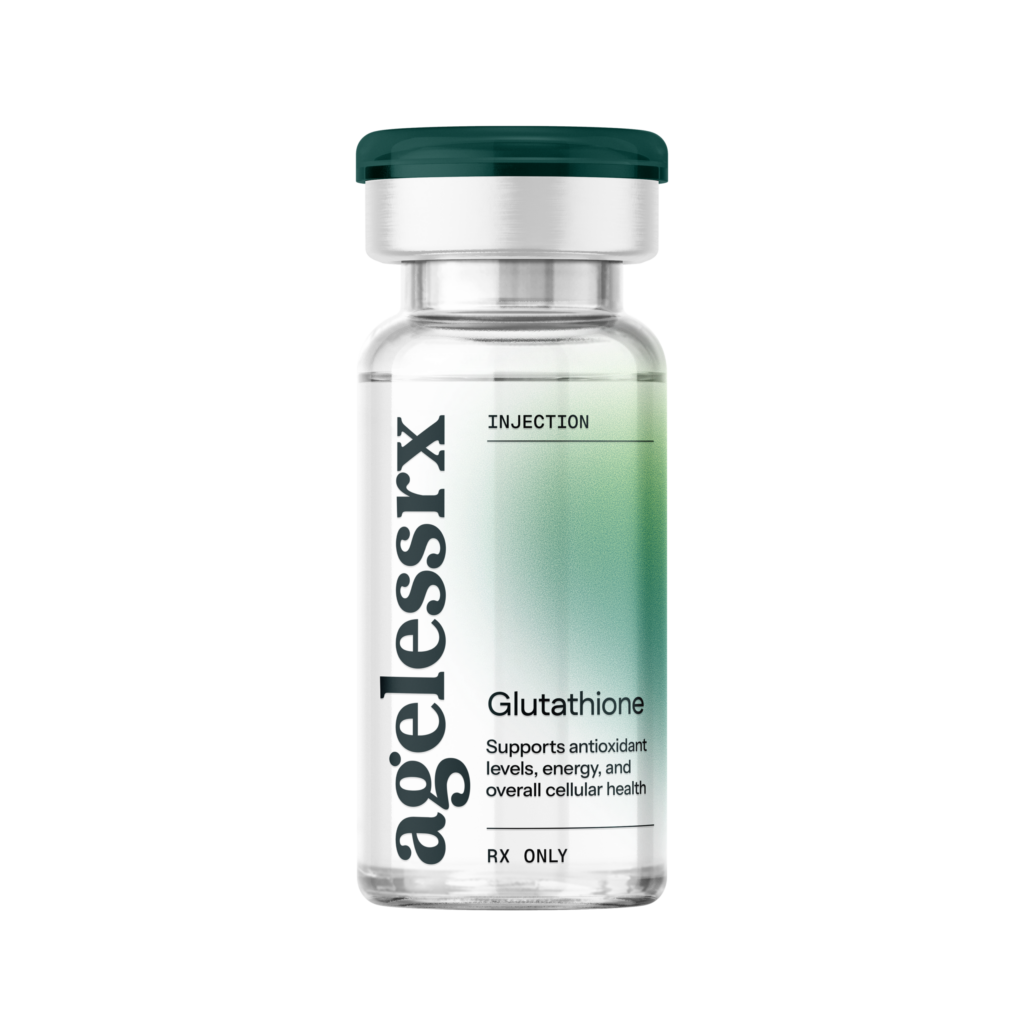
Support energy, immunity, cellular detox, and healthy skin by helping replenish the body’s master antioxidant that naturally declines with age.
Microdosing Tirzepatide
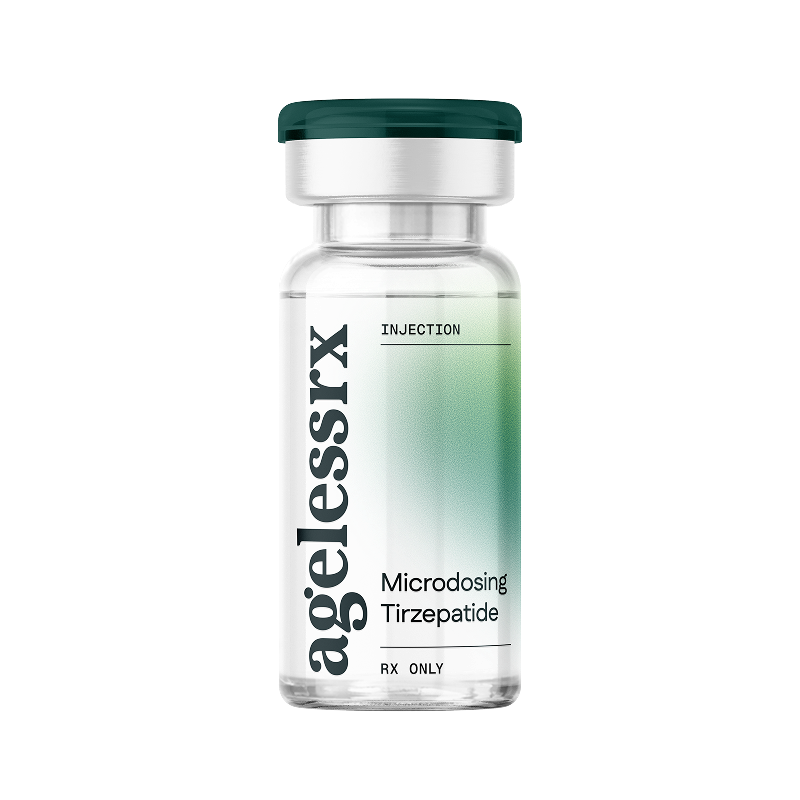
A low-dose GLP-1 approach designed to work in sync with the body, which may help minimize side effects, quiet cravings, and support moderate weight loss.
Rapamycin
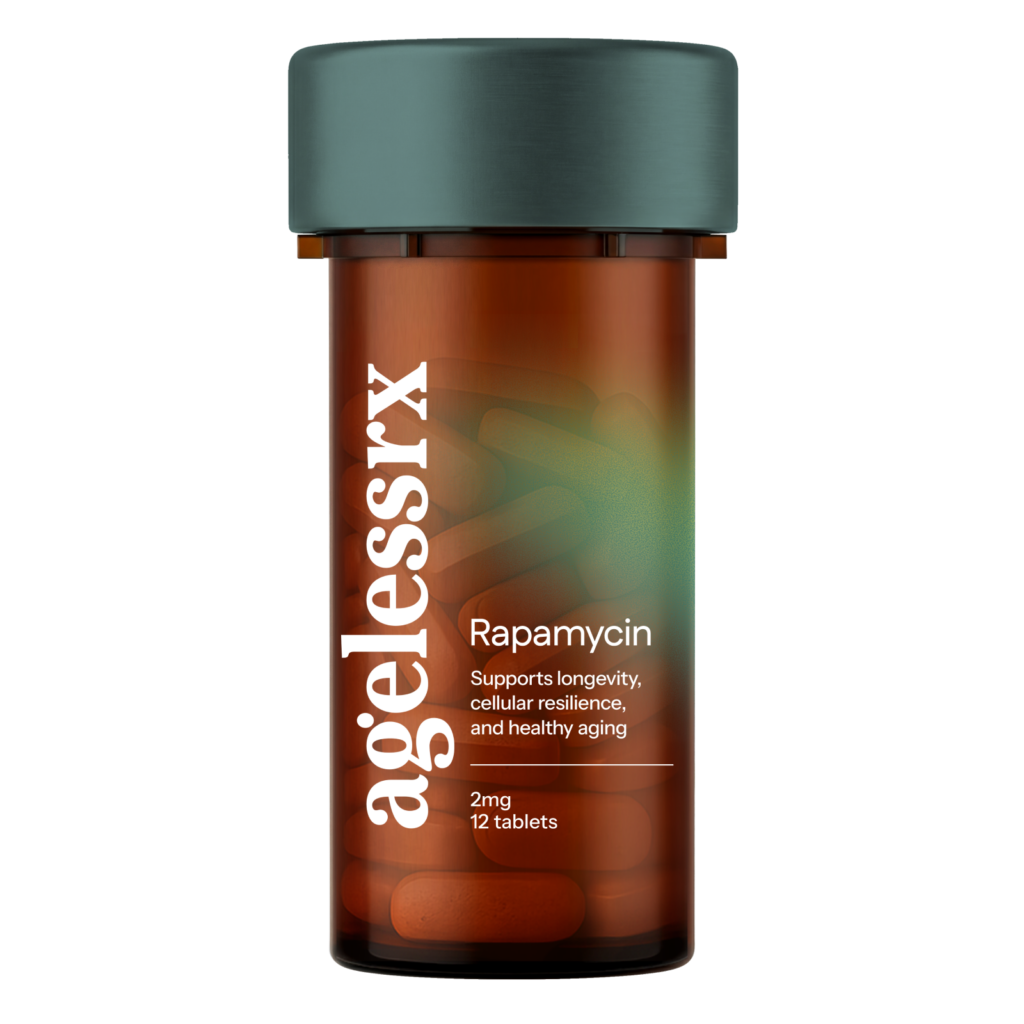
One of longevity’s most talked-about therapies, it has extended lifespan across every model organism studied by lowering mTOR, and helping cells clear damage, repair, and stay functional longer.
Sermorelin Injection
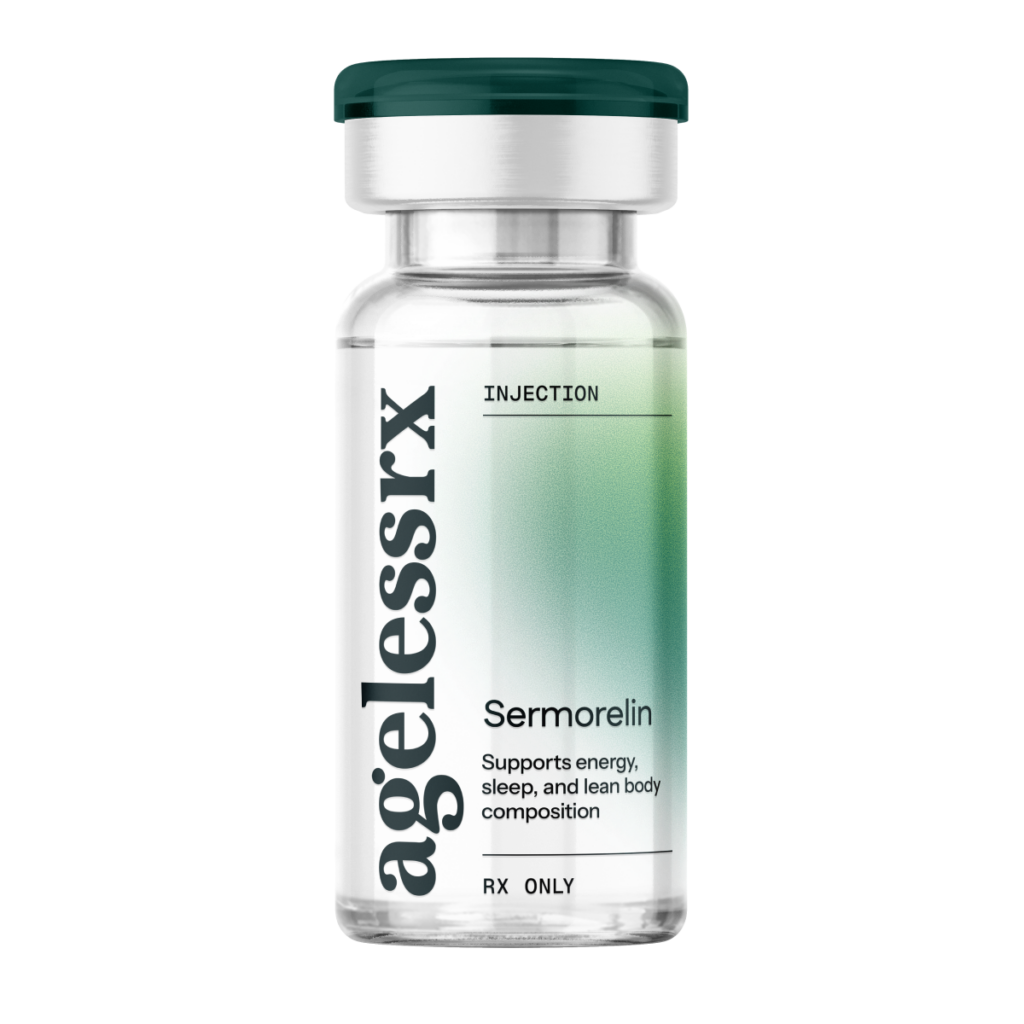
Supports energy, lean muscle mass, and strength by encouraging the body to replenish its own growth hormone gradually—without the risks of synthetic HGH.
Metformin
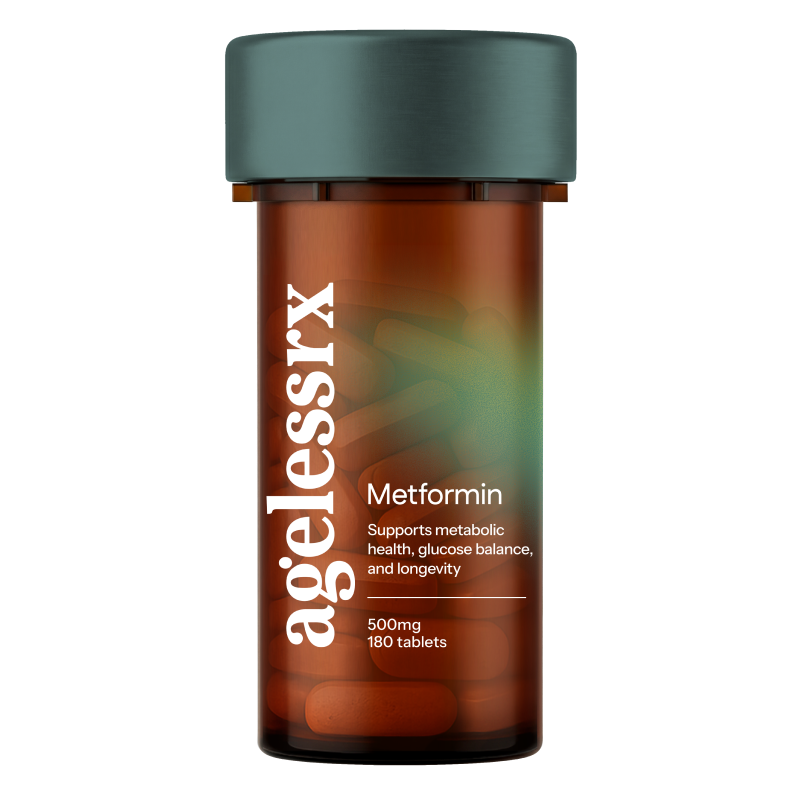
A once-daily pill that may help the body use sugar more efficiently, support appetite control, and build a stronger metabolic foundation for long-term health.
Low Dose Naltrexone
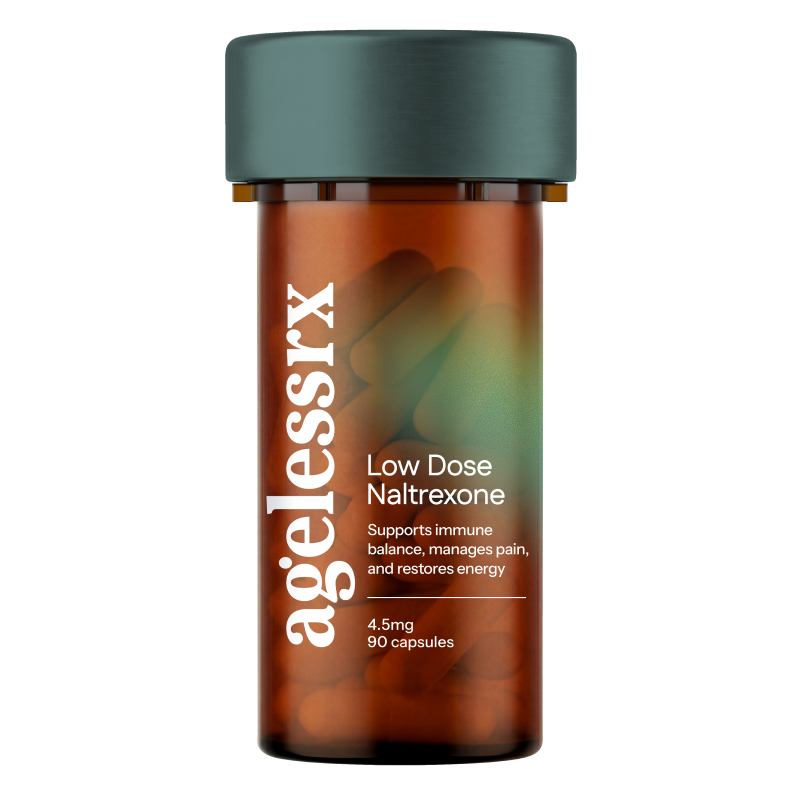
Unlike other treatments, works with the immune system to support a healthier inflammatory response, potentially helping with pain, energy, brain fog, and overall quality of life.
Women's Hormone Care
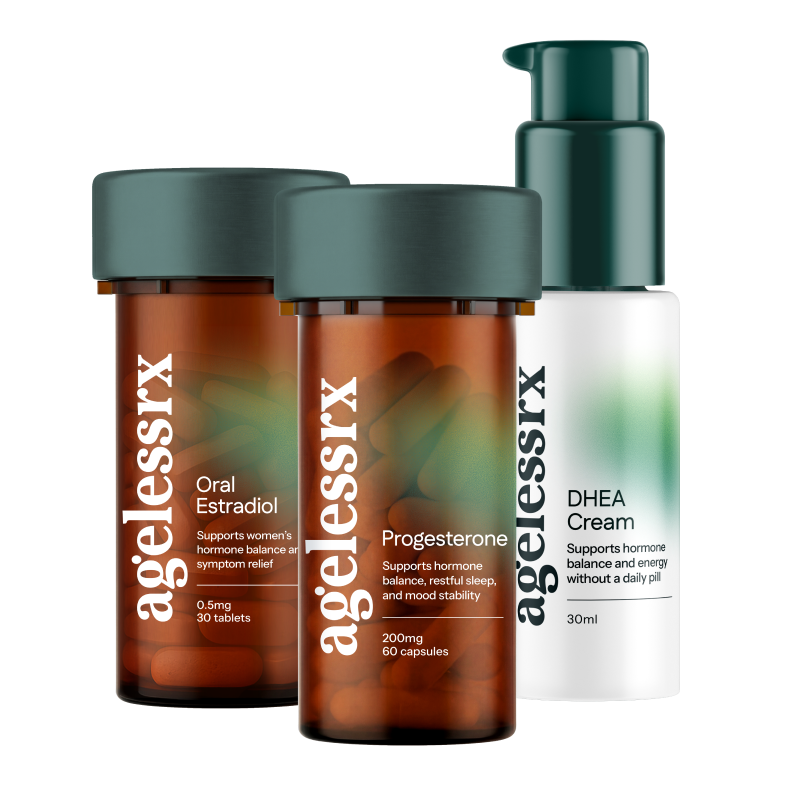
Your symptoms have answers. Personalized hormone care that evolves with you, with ongoing provider support, flexible treatment options, and transparent pricing.
Methylene Blue
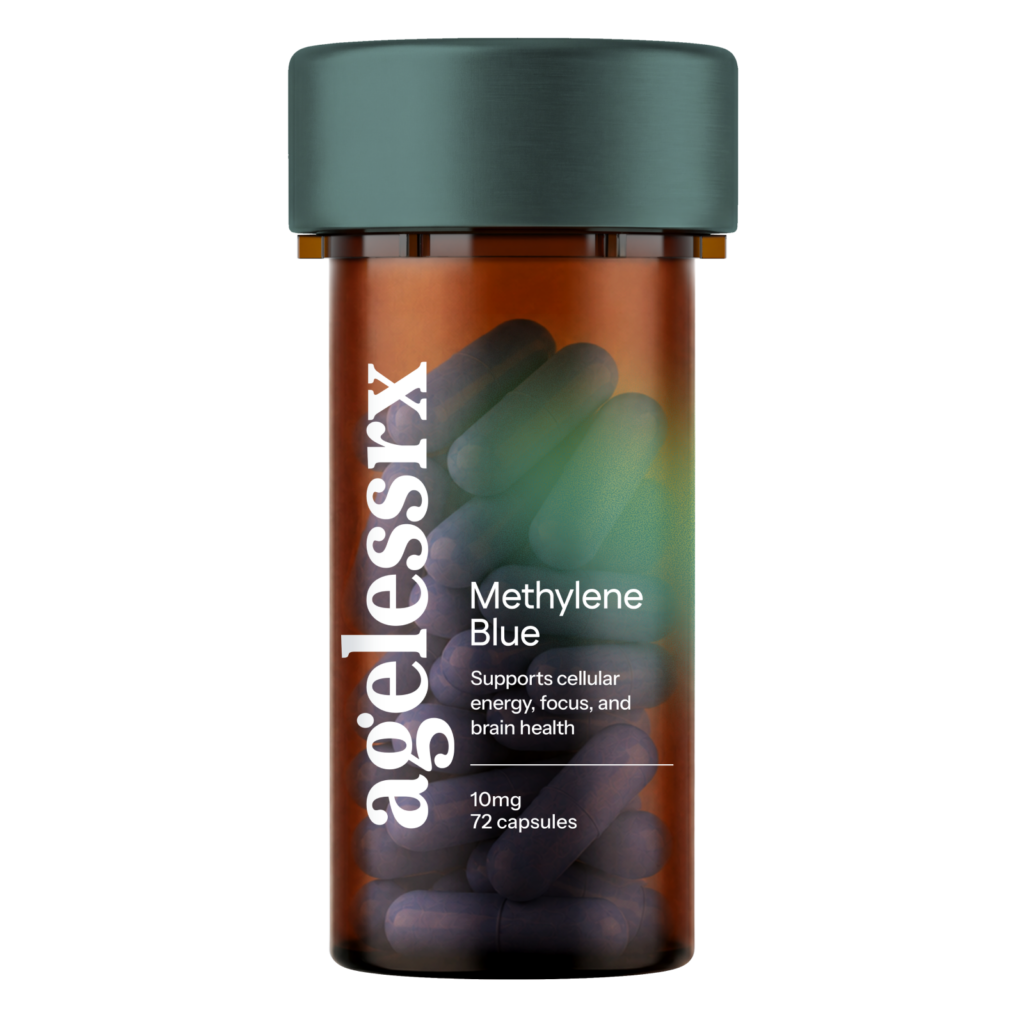
Supports the mitochondrial energy behind memory and focus, while potentially helping brain cells stay resilient over time with pharmaceutical-grade purity and clinically calibrated dosing.
Brenzavvy®
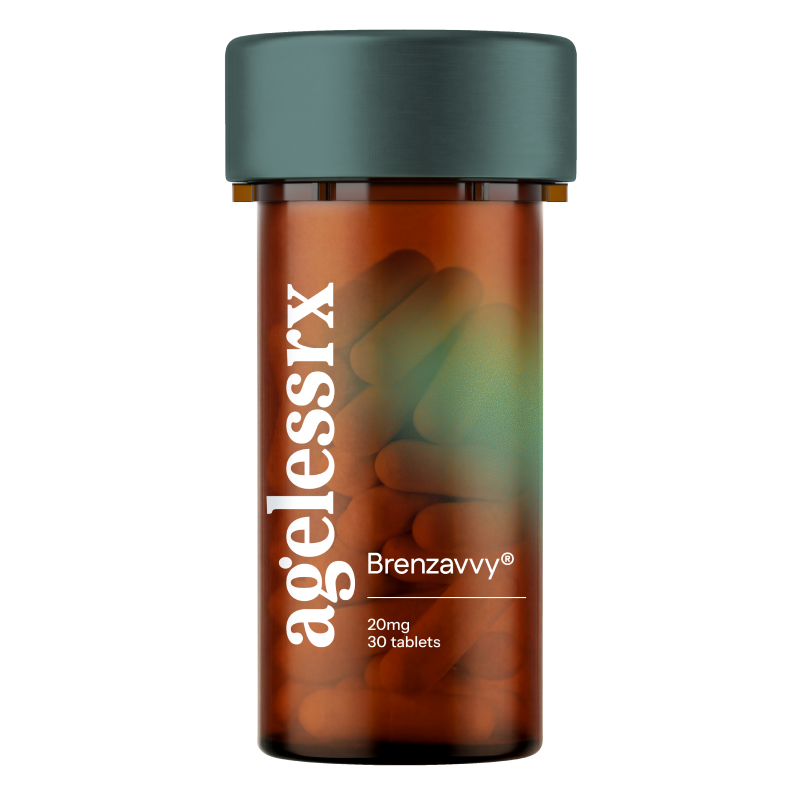
One of longevity's most promising classes of treatments, this daily pill helps remove 50–80g of glucose per day while mimicking metabolic signals associated with caloric restriction.
Acarbose
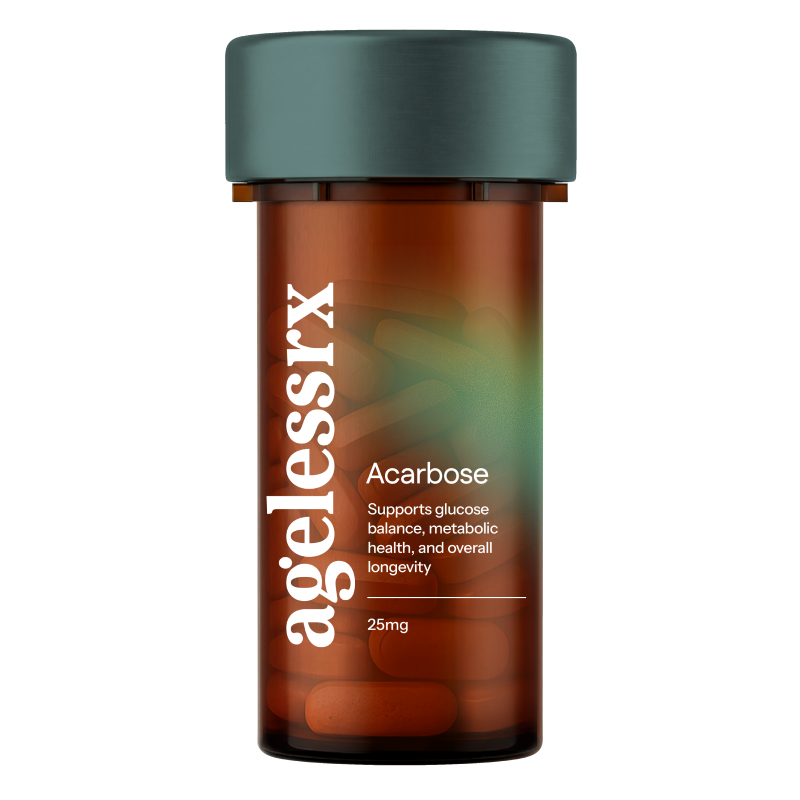
Support steadier blood sugar after starchy meals to help reduce glucose spikes and promote healthier energy, metabolism, and long-term health.
Our research is globally recognized
Our team ran the globally recognized PEARL Trial—the largest decentralized, placebo-controlled study of Rapamycin for longevity—and is actively competing as a top 10 team out of more than 600 contenders worldwide in the $101M prize XPRIZE competition.
Can Rapamycin Improve Gum Health?
Could Rapamycin support oral health as part of healthy aging? Explore how mTOR, gum disease, and early research may connect periodontal health to longevity.

Commercial Biobanking: What It Is and Why It Matters
Commercial biobanking stores your biological samples long-term for future research. Learn what it means for your longevity goals.

Rapamycin and DEXA Scans: Our Observational Study on Body Composition and Aging
AgelessRx tracked DEXA scan metrics in Rapamycin subscribers to study real-world changes in lean muscle, fat mass, and bone density.