


Zepbound® Consultation Product Guide
Zepbound® contains the active ingredient Tirzepatide, a dual-action GLP-1 and GIP receptor agonist designed to target 2 hormone receptors at once for FDA-approved weight management.
If you’ve received this guide, your AgelessRx provider has approved your request for a Zepbound® prescription and sent your prescription to LillyDirect®. The next step is to respond to the text messages you will receive from LillyDirect® to confirm your personal details and provide payment.
Read below for tips on how to draw and administer your injection, and what to expect while using Zepbound®.
Quick tips
Here are some simple steps to help you get the most from each dose:
- Refrigerate your vials upon arrival
- Use with a reduced-calorie meal plan & exercise
- Take Zepbound® on the same day each week
- Can be taken with or without food
- Rotate injection sites every week
Follow these tips to ensure that you experience the best possible benefits while minimizing side effects.
Getting started
When you first receive Zepbound®, ensure proper storage guidelines to maintain the quality of the solution.
Follow the instructions for properly drawing and administering Zepbound®.
Always dose according to your doctor-guided titration schedule.
Storage
To maintain the utmost quality, refrigerate Zepbound® vials between 36°F and 46°F. If the medication has been stored below 36°F or above 86°F for an extended time, the solution may become ineffective.
Upon receiving Zepbound®, check the temperature of the vials with the back of your hand. If any of them feel hot to the touch, please call LillyDirect® Customer Support at +1 (844) 559-3471 or start a chat with a Customer Support expert.
You may safely travel with Zepbound® so long as the above conditions are met while traveling. Be sure to travel with a refrigerated case if necessary, and to bring your own sharps disposal container if you will not have access to one.
Zepbound® Single-Use Vials must be kept in a refrigerator and cannot be kept at room temperature.
Drawing and administering Zepbound®
How to draw your solution
Before using Zepbound® Single-Use Vials, take the time to review Eli Lilly’s Zepbound Single-Use Vials tutorial. If this is your first time using a subcutaneous injection on your own, you may want to review how to properly draw your solution.
Next, ensure that you are drawing the correct amount of solution according to your titration schedule. Your current dose will always be displayed on your vial—use this as a reminder before you begin.
Sterilize the top of the vial with an alcohol wipe each time before drawing up the solution.
How to measure units on your syringe
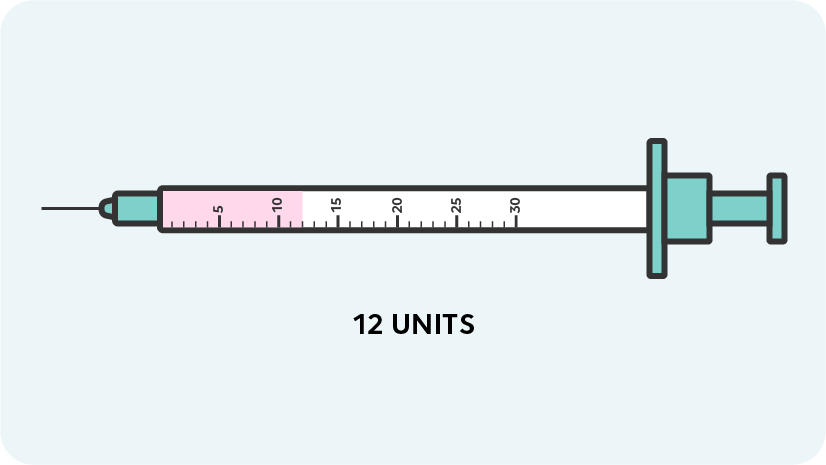
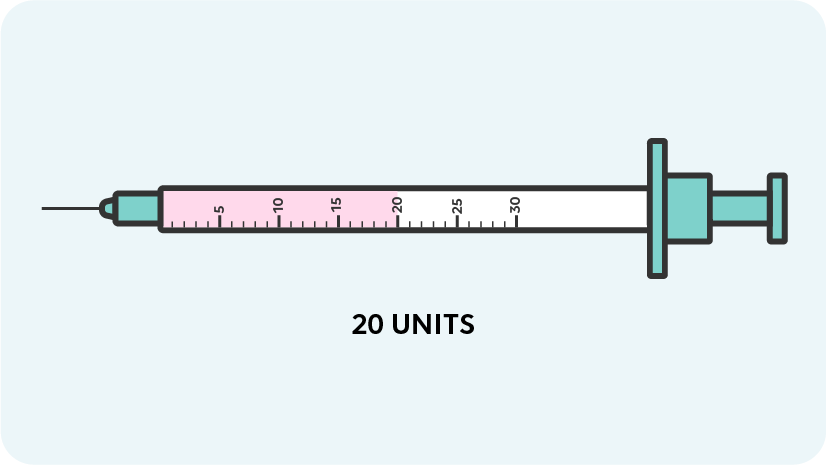
If you’re new to subcutaneous injections, follow this quick guide to understand the measurements on your syringe.
Your weekly doses are measured in milligrams to units. Before getting started, check to see how many units are in your weekly dose.
The label on your subcutaneous syringe shows units. Each small line on the syringe represents 1 unit, and each large line represents 10 units. So, if your dose calls for 50 units, simply draw your solution up to the line that reads “50.”
If your weekly dose calls for a measurement not clearly labeled on the syringe (like 25 units), pay close attention to the markers between the large lines when drawing up your dose. There may be even smaller measurement lines on the syringe that are more difficult to see. Count these carefully as you draw up your dose to ensure the most accurate measurement.
How to administer your solution
Zepbound® is delivered via subcutaneous injection, which means you will inject the solution into a layer of fatty tissue, such as your abdomen or the back of your arm. If you’re new to self-administered injections, take the time to review how to properly administer your injection before proceeding.
Grip the syringe with your dominant hand and grasp the injection site with the other hand.
If you can grasp at least 2 inches of skin, then deliver the injection at a 90° angle with your body (or, straight in). If you cannot grasp at least 2 inches of skin, deliver the injection at a 45° angle.
To avoid irritation, try switching the injection sites each week. You can take Zepbound® with or without food, and at any time of day, but try to be as consistent as possible to ensure the best outcomes.
After you have administered your injection, discard the needle in an FDA-approved sharps container. Never reuse the needle or the syringe once it has been used.
Common side effects
Zepbound® has the following side effects: nausea, diarrhea, vomiting, constipation, abdominal (stomach) pain, headache, fatigue, dyspepsia (indigestion), dizziness, abdominal distension, eructation (belching), hypoglycemia (low blood sugar) in patients with type 2 diabetes, flatulence (gas buildup), gastroenteritis (an intestinal infection), and gastroesophageal reflux disease (a type of digestive disorder).
Common side effects normally go away on their own within a few days or up to 2-3 weeks. If you find that any side effects persist for longer than this or get worse over time, stop taking Zepbound® and contact your prescriber as soon as possible.
To help prevent side effects from occurring or persisting, try the following:
- Eat slower & at more regular intervals throughout the day
- Try to take Zepbound® at about the same time of day each week
- Drink only water or clear, unsweetened beverages
- Avoid fried, greasy foods in favor of healthier, low-fat options
This is only a summary of potential side effects and how to address them. For more information, please reference the Mayo Clinic’s Tirzepatide resources, or ask your prescriber.
Serious side effects
Tirzepatide has been associated with the following rare but serious side effects:
- Thyroid C-cell tumors
- Diabetic retinopathy
- Hypoglycemia
- Kidney problems
- Gallbladder problems
- Pancreatitis
- Worsening of mood
Your AgelessRx prescriber will weigh these potential risks against your unique medical history when considering a prescription. If you have been approved for a Zepbound® prescription, your prescriber has determined that it is unlikely that you are at risk for these serious side effects.
For a full list of potential warning signs for these conditions, please see the Mayo Clinic’s Tirzepatide resources.
Important safety information
Zepbound® should not be used by anyone who has a personal or family history of medullary thyroid carcinoma (MTC), multiple endocrine neoplasia syndrome 2 (MEN2), or pancreatitis.
The FDA is currently evaluating whether GLP-1 medications like Zepbound® may increase the risk of suicidal thoughts or actions. Though the FDA has found no evidence supporting this risk, patients with a history of suicidal thoughts should not take Zepbound®.
Do not use Zepbound® if you are pregnant or breastfeeding, or planning to become pregnant or breastfeed.
Tirzepatide may make oral contraceptives less effective. If you’re taking an oral contraceptive, ask your prescriber about potential alternatives before starting Tirzepatide, or switch to a non-oral contraceptive.
Though rare, allergic reactions to Zepbound® are still possible. If you notice any shortness of breath or swelling around your face, tongue, or throat after using Zepbound®, stop use immediately and contact emergency services right away. Mild allergic reactions around the injection site are normal and not cause for emergency.
As with any prescription medicine, the dose prescribed is for you and you alone. Do not, under any circumstances, allow anyone else to use your Zepbound®.
FAQs
How does Zepbound® work?
Zepbound® contains the active ingredient Tirzepatide, which works by imitating 2 natural hormones in your body that help manage blood sugar and appetite—GIP and GLP-1. GIP helps your pancreas release more insulin after you eat, while GLP-1, which also increases insulin, slows down your digestion and reduces hunger. This dual action helps keep your blood sugar levels stable and can assist with weight loss.
How much weight can I lose?
Clinical trials have shown that most Zepbound® users can lose 15-20% of their initial body weight. For a 200lb individual, that equals about 30-40lbs. However, individual results may vary based on your prescribed dose, medical history, and lifestyle choices. For the best results, use Zepbound® with a reduced-calorie meal plan and regular exercise. If you feel that you’re not achieving your expected results, contact your prescriber to see what’s best for you.
How quickly can I lose weight with Zepbound®?
For the best results, Zepbound® should be taken regularly for at least 6-12 months with a reduced-calorie meal plan and regular exercise. Clinical trials show an average of 15-20% weight loss within 72 weeks, or about 17 months, with many participants showing up to 8% weight loss within 12 weeks. However, this can vary depending on your health history, exercise level, and diet. Do not abruptly stop taking Zepbound®, as your appetite and weight may return just as quickly.