What Is Estradiol Cream Used For?


Let’s address the elephant in the room: symptoms like vaginal dryness, irritation, and discomfort during sex can feel uncomfortable to talk about. But they are also common, especially during perimenopause and menopause, and they deserve real solutions.
When estrogen levels decline, vaginal and urinary tissues can become thinner, drier, and more sensitive. Estradiol Cream may help by delivering estrogen directly to the vaginal area, supporting tissue health where estrogen decline can have a big impact.
If you have experienced these symptoms, you’re not alone. The majority of women will experience dryness during and after menopause. These changes can affect comfort, confidence, intimacy, and everyday quality of life.
Here’s what we’ll cover:
- What is Estradiol Cream?
- What is Estradiol Cream used for?
- How it works
- What to know before using it
What is Estradiol Cream?
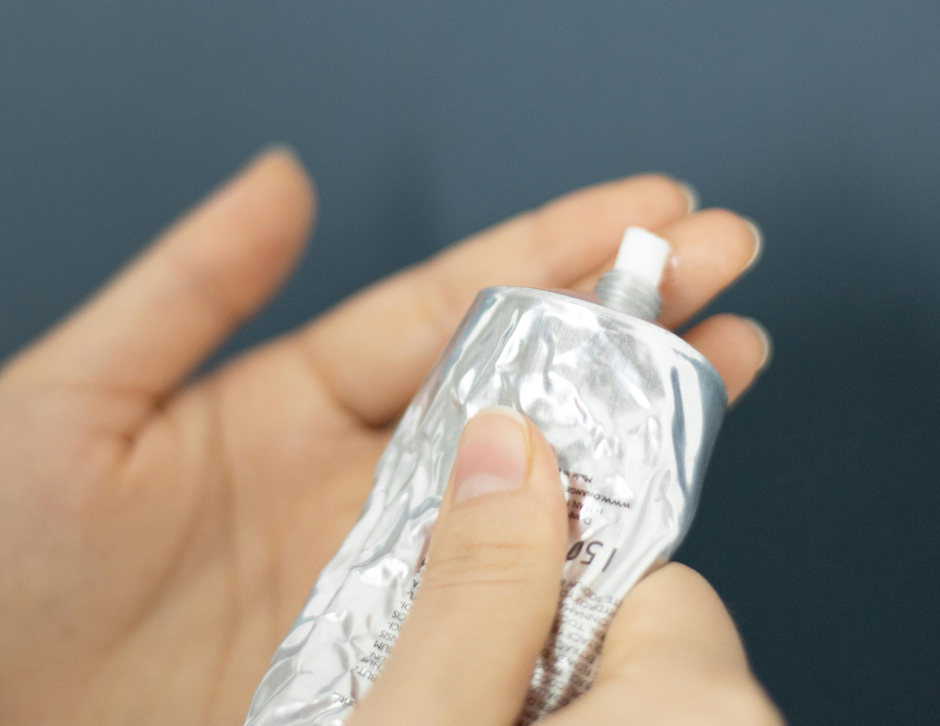
Estradiol Cream is a prescription vaginal estrogen therapy. It contains Estradiol, a form of estrogen, in a cream base that is applied vaginally, and sometimes externally around the vulvar area.
The goal is usually not to raise estrogen levels throughout the whole body. Many people hear the word “estrogen” and immediately think of whole-body hormone therapy, but Estradiol Cream is typically used in a more targeted way. Using Estradiol locally can help restore moisture, elasticity, and comfort in the vaginal and vulvar tissues.
What is Estradiol Cream used for?
Estradiol Cream is most commonly used to treat vaginal and vulvar symptoms caused by low estrogen, especially during menopause.
These symptoms may include:
- Vaginal dryness or tenderness
- Itching or burning
- Pain or discomfort during sex
- Frequent nighttime urination
- Recurrent urinary tract infections
- Changes in bladder control
- Changes in pelvic floor strength
These symptoms are often part of genitourinary syndrome of menopause, or GSM, which refers to vaginal, vulvar, sexual, and urinary changes that can happen when estrogen declines.
GSM is not just about dryness or discomfort during sex. Low estrogen can also affect the bladder, urethra, pelvic floor, and urinary tract. This is why frequent nighttime urination can become a big issue during perimenopause and menopause. It is also why urinary tract infections, or UTIs, can become more common during menopause.
Estradiol Cream may help by supporting the vaginal and urinary tissues that depend on estrogen. In addition to helping with vaginal dryness, irritation, and discomfort, vaginal estrogen may also support bladder control, help prevent urinary tract infections, and improve pelvic floor strength.
UTIs account for millions of hospital visits each year and a significant portion of Medicare spending among women diagnosed with them. With vaginal estrogen, UTI risk may drop by up to 50%, offering a non-antibiotic approach to prevention.
In observational research, vaginal estrogen use in postmenopausal women with recurrent UTIs has been associated with up to a 73% reduction in mortality. This is not just about symptoms or discomfort, it’s women’s health and longevity.
How does Estradiol Cream work?
Estradiol Cream works by delivering estrogen directly to the vaginal tissue.
Think of estrogen as a signal that helps maintain the thickness, moisture, elasticity, and resilience of vaginal and urinary tissues. When estrogen levels drop, those tissues may become thinner, drier, and more sensitive. In other words, the discomfort is not random. There is a biological reason these changes happen, and there are treatment options designed to help.
Estradiol Cream helps replace that local estrogen signal. Over time, this may help support vaginal moisture, tissue strength, comfort during sex, and overall vaginal health.
Navigating Menopause or Low-Estrogen Symptoms
Vaginal symptoms deserve the same attention as any other menopause symptoms. They are real, they are common, and they are worth bringing attention to.
Estradiol Cream is a prescription vaginal estrogen therapy commonly used to treat dryness, irritation, discomfort during sex, and other vaginal or urinary symptoms related to low estrogen. Because it is applied directly to the vaginal area, it may offer a targeted way to support tissue health without using a whole-body estrogen approach.
Explore Women’s Hormone Care to learn more about this and other personalized, clinician-guided options for treating perimenopause and menopause symptoms.
–
Note: The above statements have not been evaluated by the Food and Drug Administration. This product is not intended to diagnose, treat, cure, or prevent any disease.