What is Glutathione?

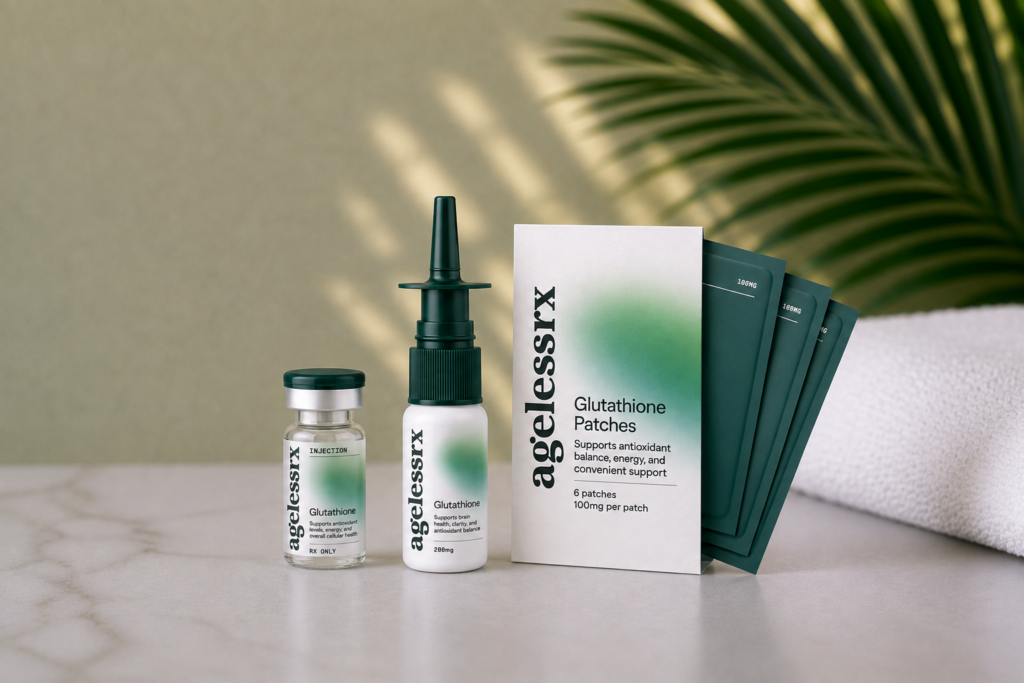
Glutathione is a powerful antioxidant your body produces naturally to help protect cells from oxidative stress and keep essential cellular processes running smoothly. Often called the body’s “master antioxidant,” Glutathione helps neutralize damaging free radicals, supports immune function, and even helps recycle other antioxidants like Vitamins C and E. The catch? Your natural Glutathione levels can decline with age, which may make it harder for your body to keep up with oxidative stress over time. So, what does Glutathione actually do, why does it matter for healthy aging, and what can you do when your levels start to drop? Let’s break it down.
Key Takeaways
- Glutathione (GSH) is the body’s master antioxidant, produced naturally in cells and needed for neutralizing free radicals and oxidative stress.
- Glutathione levels decline with age, increasing susceptibility to neurodegenerative, cardiovascular, and metabolic diseases linked to oxidative damage.
- Transdermal GSH patches using iontophoresis technology have been shown to increase Glutathione levels by up to 50% with weekly use.
- GSH nasal spray delivers pure Glutathione directly to the brain, with most patients reporting cognitive benefits within one hour of administration.
- Oral and IV Glutathione supplementation exist but are generally considered less bioavailable and more costly than newer transdermal and nasal delivery methods.
What Does Glutathione Do in the Body?
Glutathione (commonly referred to as GSH) is known by experts as the body’s “master antioxidant” that is capable of preventing damage to important cellular components.
According to this scientific editorial report, Glutathione has many important functions, including:
- Making DNA, the building blocks of proteins and cells
- Supporting immune function
- Breaking down some free radicals
- Helping certain enzymes function
- Regenerating vitamins C and E
- Transporting mercury out of the brain
- Helping the liver and gallbladder deal with fats
- Assisting regular cell death (a process known as apoptosis)
- Forming sperm cells
Why is Glutathione Important?
Glutathione is an important and potent antioxidant for the human body. By combating free radicals (molecules that can damage the body’s cells), Glutathione helps fight off high levels of oxidative stress. Oftentimes, too-high levels of oxidative stress and Glutathione depletion can lead to multiple diseases, including neurodegenerative disorders (Alzheimer’s, Parkinson’s), pulmonary disease (asthma, COPD), immune disease (HIV, autoimmune disease), cardiovascular diseases (hypertension), liver disease, cystic fibrosis, and aging.
There are many factors that can contribute to a decline in Glutathione levels, such as chronic disease, poor diet, infection, or constant stress. Even if you live a picture-perfect lifestyle, Glutathione levels still also naturally decline with age. As such, regardless of the lifestyle and/or biological causes for Glutathione decline in each person, a decrease in levels can cause an increased susceptibility to many age-related conditions and diseases.
Keeping this in mind, it’s important to replenish Glutathione levels to help the body continue to detoxify and fight off high levels of oxidative stress, especially as you age.
What’s the Link Between Glutathione and Aging?
As we age, our natural ability to make and replenish Glutathione diminishes. As such, this can cause an increased susceptibility to many age-related conditions and diseases, which includes the aging process itself, metabolic deficiencies, as well as chronic age-related diseases, such as cataracts, hearing impairment, and glaucoma, to name a few.
Fortunately, due to several clinical studies and clinical evidence, there are options to optimize and replenish Glutathione levels as we age.
How Can I Replenish GSH Levels?
Historically, it has been possible to increase Glutathione levels through oral supplements or intravenous (IV) supplementation. However, these methods have generally been less effective than other, newer options available today.
|
Delivery Method |
How It Works |
Speed of Effect |
Key Benefit |
|---|---|---|---|
|
GSH Patch |
Electrical charge moves GSH through skin into the bloodstream |
Weekly use; levels rise over time |
May increase GSH levels by up to 50% with weekly use (based on an early case study) |
|
GSH Nasal Spray |
Pure GSH delivered directly to the brain via nasal passage |
Within ~1 hour |
Targets brain GSH for cognitive clarity and performance |
|
GSH Subcutaneous Injection |
GSH enters bloodstream directly, bypassing digestion |
Within ~1 hour |
Fast, systemic replenishment; high bioavailability |
|
Oral Supplements |
GSH must survive digestion before reaching bloodstream |
Variable; limited bioavailability |
Widely available; generally less effective than direct delivery |
Newer and more cost-effective methods to replenish Glutathione levels include:
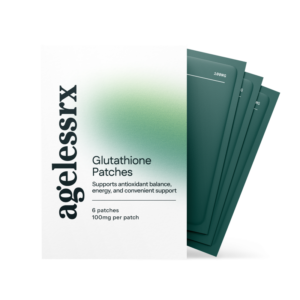
- GSH Patches: GSH Patches are a new technology that uses a special iontophoresis patch to administer pure GSH directly into the bloodstream via skin absorption. Wearing one patch with GSH solution once per week for four hours is shown to increase GSH levels by up to 50%.
To learn more, visit the GSH Patch product page.
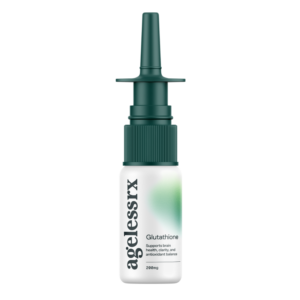
- GSH Nasal Spray: GSH Nasal Spray is a new and effective way to boost your brain GSH levels for improved mental clarity and cognitive performance. Most patients feel benefits within one hour of administering a single spray of pure GSH into each nostril.
To learn more, visit the GSH Nasal Spray product page.
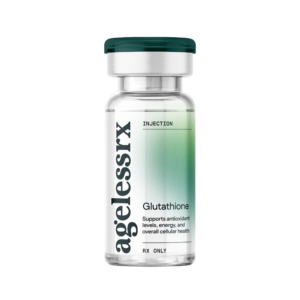
- GSH Injections: GSH Subcutaneous Injections are another effective way to supplement your GSH levels. Injections allow GSH to enter your bloodstream almost immediately, which often results in benefits in as little as one hour.
To learn more, visit the GSH Subcutaneous Injections product page.
While it still requires more research, certain foods high in amino acids that contain sulfur may also help boost GSH levels, such as unprocessed meats, garlic, broccoli, asparagus, avocados, and spinach. Supplements, such as Curcumin, Selenium, Vitamin C, and Vitamin E may also help to boost the body’s production of Glutathione, but none are more effective than replenishing levels with pure GSH.
How Does Glutathione Work?
Glutathione works through a continuous recycling cycle instead of being used up in a single reaction like many other antioxidants. It contains a special part called a thiol group, which can bind to free radicals, heavy metals, and other harmful molecules and donate an electron that helps neutralize them before they damage cells. This changes Glutathione from its active, reduced form (GSH) into a used form (GSSG), and an enzyme called Glutathione reductase then helps convert it back so the same molecules can be used again.
Research suggests that in a well-functioning cell, over 90% of Glutathione typically stays in this active, reduced state, which is considered a helpful marker of cellular resilience against oxidative stress. Beyond this antioxidant cycle, Glutathione is also thought to help coordinate parts of the immune system by supporting the activity of immune cells such as macrophages, natural killer cells, and T cells.
How Does Glutathione Support Skin Health?
Skin is one of the more visible places the effects of aging and oxidative stress can show up, often appearing as thinner, less elastic, or more wrinkled skin over time. Because Glutathione helps the body manage oxidative stress, supporting healthy Glutathione levels may also help support skin health. In one double-blind study, people who took Glutathione orally reported fewer wrinkles and improved skin flexibility compared with those who took a placebo.
Some research also suggests Glutathione, in certain forms, may help support a more even skin tone by influencing pigment-related pathways in the skin, which is part of why it’s sometimes discussed as a skin-brightening antioxidant. As with any supplement, individual results can vary, so it’s worth talking with a doctor before starting a new Glutathione routine.
How Do Glutathione Patches Work?
Glutathione patches, such as the IontoPatch™, are worn directly on the skin and use a very small electrical charge to help move Glutathione through the skin and into the bloodstream, a method known as transdermal delivery. Transdermal patches have been used for decades and are considered a well-proven, generally safe way to deliver medication, with the FDA having approved several transdermal patches for other uses.
In a small case study conducted by AgelessRx, two participants who wore an IontoPatch™ for at least four hours a day over six days both saw a meaningful increase in Glutathione levels. Because the patch is thought to deliver Glutathione directly into the bloodstream instead of through digestion, it’s generally considered a more bioavailable way to supplement compared with oral options.
The Bottom Line
Glutathione does more than earn its nickname as the body’s “master antioxidant.” It plays an important role in managing oxidative stress, supporting cellular health, and helping your body maintain its natural defenses as you age. The challenge is that Glutathione levels naturally decline over time, making it harder to maintain the same antioxidant protection.
That’s where targeted Glutathione support may come in. AgelessRx offers clinician-guided Glutathione options, including patches, nasal spray, and subcutaneous injections, so you can find an approach that fits your goals and preferences.
Ready to support your Glutathione levels? Explore AgelessRx Glutathione options and complete a free online consultation to see which approach may be right for you.
Joseph Pizzorno, ND, and Editor in Chief of Integrative Medicine: A Clinician’s Journal, said it best:
“Clearly, adequate availability of Glutathione is critical for maintaining health, protecting the body from toxins, and promoting longevity.”
Note: The above statements have not been reviewed by the Food and Drug Administration. This product is not intended to diagnose, treat, cure, or prevent any disease.