Understanding the 28-Day Sterility Rule for Injectable Medications

Here’s what we’ll cover in this blog post:
- Understanding the 28-day sterility rule
- Why leftover medications are not safe
- Expiration vs. discard dates
- Best practices for vial use
Have you ever looked at a multi-dose vial and thought, “There’s still plenty left, why would I throw this away?” If so, you’re not alone. This is a common point of confusion, and we want to take a moment to clarify it.
When it comes to injectable medications, there is a critical safety rule that often is not explained clearly enough: once a multi-dose vial is punctured, it should be discarded after 28 days, even if the vial is not completely empty. It’s easy to think that using every last drop of medication is the best course of action; however, this is not the case. The goal is to use each dose safely, consistently, and as it was clinically intended.
This guideline isn’t arbitrary, nor is it meant to encourage waste. It exists to protect sterility, effectiveness, and ultimately, patient safety. Understanding the reasoning behind the 28-day rule can help you use your medication correctly, avoid unnecessary subscription pauses, and feel more confident in your treatment plan.
What is the 28-Day Sterility Rule?
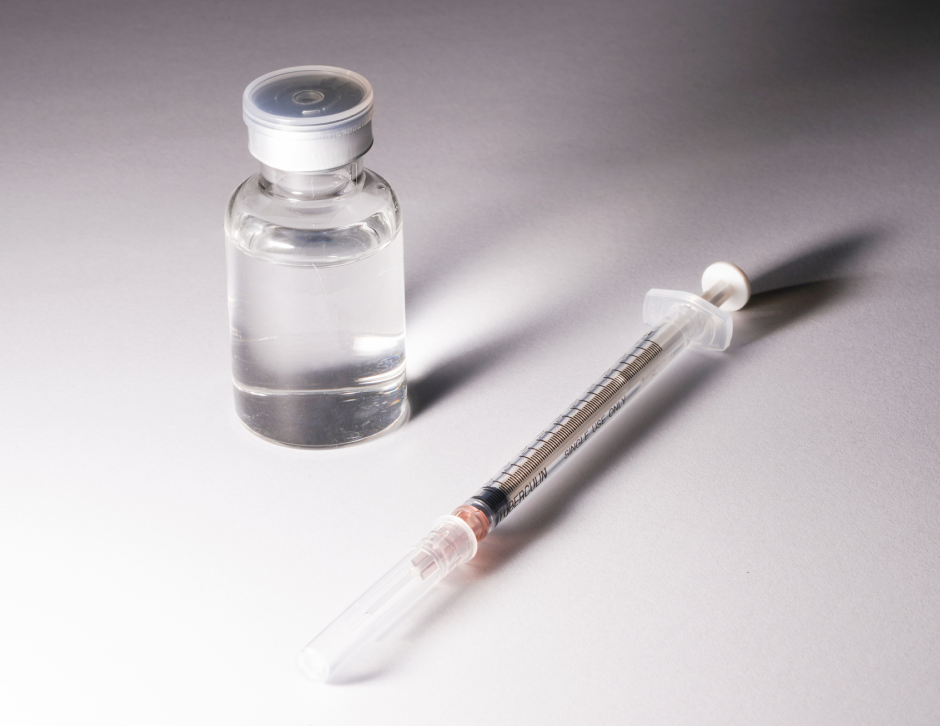
Multi-dose vials are designed to be accessed more than once over a short period of time. However, germs are still everywhere. The air we breathe is filled with particles that carry bacteria, fungi, and viruses. As a result, sterility is only guaranteed while the vial remains unopened. The moment a needle punctures the rubber stopper, the environment inside the vial changes and becomes susceptible to germs from the outside world.
Even with proper technique, each puncture introduces a small but real opportunity for microorganisms to enter. Because this risk accumulates over time, clinical guidance establishes a clear window for safe use: 28 days from the first puncture.
It’s important to distinguish this rule from the printed expiration date on the vial. The manufacturer’s expiration date applies only to unopened vials. Once a vial has been punctured, the clock starts, and the 28-day timeline becomes the relevant safety standard.
Why This Rule Exists
The primary reason for the 28-day limit is sterility. Injectable medications bypass the body’s natural protective barriers, which means even small amounts of contamination can lead to meaningful consequences. A vial that looks clear and unchanged can still harbor bacteria or fungi that are invisible to the naked eye.
Repeated access increases the likelihood that microscopic contaminants enter the vial. Over time, this can raise the risk of local injection site reactions, systemic infections, or inflammatory responses. The 28-day rule exists to minimize that risk as much as possible.
Preservatives, when present, help slow microbial growth, but they are not a guarantee of indefinite safety. Preservative effectiveness diminishes over time, especially as the vial is exposed to temperature changes, oxygen, repeated punctures, and everyday life. This is why preservative-containing vials still carry post-puncture discard timelines in clinical practice.
Why “Having Too Much Product” Is Often a Sign of Under-Disposal
In practice, misunderstanding this guidance often shows up as a feeling of having “too much product.” When vials are used beyond the recommended 28-day window, doses naturally stretch longer than intended, which can make refill timing feel misaligned. Clarifying when a vial should be discontinued helps align use with prescribing guidance and patient safety, and reduces unnecessary pauses or confusion.
Using Multi-Dose Vials Safely and Responsibly
The safest approach is simple and proactive. When you puncture a vial for the first time, grab a pen and write the date directly on the label so it’s easy to keep track later.
Once 28 days have passed from the first puncture, the vial should be safely discarded. This is the case even if there’s still medication inside. Attempting to stretch doses beyond this window increases risk without adding benefit.
Why We’re Emphasizing This Now
At AgelessRx, patient safety, clinical integrity, and our commitment to transparency are non-negotiable. Clarifying the 28-day sterility rule helps ensure medications are used as intended and reduces confusion around refill timing.
More importantly, this guidance exists for a reason. Injectable medications bypass the body’s usual protective barriers, which means sterility matters in a different way than it does in everyday life.
Longevity care isn’t solely about choosing the right interventions. It’s about using them correctly, safely, and consistently over time. Following the 28-day rule is a small but meaningful part of that equation, and one that helps protect both the effectiveness of your treatment and your long-term health.
Have questions about vial storage or when to discard your medication? Our support team is here to help.
Note: The above statements have not been evaluated by the Food and Drug Administration. This product is not intended to diagnose, treat, cure, or prevent any disease.