The AgelessRx Peptide Standard: A Framework for Evaluating Compounded Peptide Programs
A multidimensional framework for evaluating peptide products, evidence, and clinical care
Executive Summary
What Makes a Peptide Product Trustworthy?
A trustworthy peptide program requires more than a purity test or a licensed pharmacy. It should provide verifiable sourcing, appropriate product-quality testing, evidence that supports the intended use, qualified clinical oversight, and a clear plan for patient monitoring.
The AgelessRx Peptide Standard evaluates these factors through two stages: Program Accountability and the PEPTIDE Decision Model.
Key Findings
Quick Answers to Common Peptide Questions
Part I: The White Paper
What Is the AgelessRx Peptide Standard?
Consumer interest in investigational peptides has outpaced the standards used to evaluate them. Most assessments today rely on a single signal: a purity percentage, a Certificate of Analysis, pharmacy licensure, or the existence of preclinical research. Each may provide useful information, but none is sufficient to establish the quality of a peptide program.
The AgelessRx Peptide Standard’s central objective is to establish an evaluation framework that assesses peptide programs across three distinct dimensions: a verifiable product, an evidence-calibrated claim, and an accountable system of clinical care. These are three different questions, and, most importantly for consumers, a peptide can pass one while failing another.
This paper introduces PEPTIDE, a single two-layer framework:
- The first layer, Program Accountability, assesses whether a provider or organization offering the peptide is trustworthy. This first layer serves as the initial gate.
- The second layer, the PEPTIDE Decision Model, is assessed per person, per peptide, per indication, and asks whether a specific use is a responsible decision. A program that fails Program Accountability is automatically designated as “not meeting the Standard,” regardless of how strong the individual evidence for a peptide looks.
The Peptide Standard was informed by FDA regulatory materials, analytical studies of falsified and consumer research-grade peptide products, peer-reviewed peptide literature, and established principles of evidence communication and clinical accountability. It is intended for consumers, clinicians, pharmacies, telehealth organizations, researchers, and journalists. It is not a clinical practice guideline, and it has not yet been externally validated. The full scoring rubric is included in the companion Clinician Scoring Toolkit (Part II); a consumer-facing scorecard applying the Standard to specific peptides is included in Part III.
The PEPTIDE Decision Model
The PEPTIDE Decision Model is a seven-pillar evaluation framework developed by AgelessRx to assess whether a specific peptide use is appropriate for a specific person.
- P — Purity & Provenance: Can the product be traced to a verified, licensed source with lot-specific documentation?
- E — Evidence Tier: What does the clinical and preclinical research actually show for this peptide and this indication?
- P — Population Fit: Are there individual health factors, medications, or conditions that change the risk profile?
- T — Timing & Sequencing: Does this intervention belong in the care plan now, relative to everything else?
- I — Indication Match: Does the peptide’s mechanism meaningfully map to the person’s biology or goal?
- D — Dosing, Delivery & Diagnostics Loop: How is it administered, monitored, and reassessed over time?
- E — Exit & Escalation: What determines whether treatment continues, changes, or stops, and is that tracked?
Each pillar is scored to produce a PEPTIDE Suitability Score (0–10). A provider must first pass Program Accountability before any individual peptide is scored.
The Peptide-Quality Problem: “Peptide” Does Not Describe a Level of Evidence
Two vials can carry the same peptide name while differing in ingredient source, manufacturing conditions, molecular identity, measured amount, purity, microbial quality, endotoxin burden, stability, dispensing pathway, clinical oversight, and the evidence supporting the protocol. The molecule on the label is only one part of the intervention; the complete intervention includes the product, the claims made about it, the patient-selection process, the dosing rationale, the monitoring plan, and the people accountable when something changes.
Regulatory Status Is Not Evidence Status
In July 2026, the FDA’s Pharmacy Compounding Advisory Committee (PCAC) evaluated seven peptide-related bulk drug substances for potential inclusion on the Section 503A Bulks List and recommended six of them, all but emideltide. That recommendation did not make any of these peptides FDA-approved, and also did not add them to the Bulks List. The FDA describes advisory-committee recommendations as non-binding and stated in its own July briefing materials that the agency would not make its final determination until the advisory process and remaining reviews were complete.
- 2023 restriction
- Apr 2026 delisting
- Jul 2026 PCAC vote
- Present (pending FDA decision)
This distinction is fundamental to the Standard: regulatory eligibility, scientific evidence, product quality, and clinical appropriateness are separate questions.
A favorable regulatory recommendation does not establish effectiveness, strong clinical evidence does not establish lawful access through every pathway, a pure product is not automatically an appropriate treatment, and none of these factors independently determines whether a specific person should use a peptide.
How Are Compounded Peptides Legally Accessed? The 503A Pathway Explained
Section 503A of the Federal Food, Drug, and Cosmetic Act allows a state-licensed pharmacy or physician to compound a medication for an individual patient based on a valid prescription. A 503A pharmacy may only compound from a bulk drug substance that is a component of an FDA-approved drug, is the subject of a USP or NF monograph, or appears on the FDA’s 503A Bulk Drug Substances List (the “503A Bulks List”). Most peptides discussed in this Standard are not components of approved drugs and lack USP monographs, so the Bulks List is the pathway that determines whether they can be lawfully compounded at all.
That pathway is the specific regulatory basis that separates a clinically accessed compounded peptide from a gray-market “research use only” product. A 503A-compounded peptide is prescribed by a licensed clinician for a named patient, made from bulk ingredient sourced from an FDA-registered facility with a certificate of analysis, prepared under state pharmacy oversight and USP compounding standards, and dispensed through a traceable chain. A “research use only” vial sold online sits outside every one of those safeguards: it is labeled not for human use, is not dispensed against a prescription, and no licensed party is accountable for its identity, sterility, or dose once a person injects it.
An FDA advisory committee recommendation does not change that status on its own. PCAC recommendations are non-binding advice to the FDA; a favorable vote does not constitute FDA approval, does not add a substance to the 503A Bulks List, and does not by itself make a peptide available through compounding pharmacies. Only the FDA’s final determination does that, and even then a compounded peptide remains an unapproved drug whose safety and effectiveness the FDA has not reviewed for any indication. For a closer look at the gray-market side of this distinction, see what “research use only” actually means.
Methods and Scope
This paper uses a narrative evidence-synthesis approach. Sources reviewed included FDA meeting materials and compounding guidance, peer-reviewed analytical and pharmaceutical-quality research, primary and review literature on the peptides discussed, a 2026 preprint analyzing consumer research-grade peptide testing, and established principles of evidence classification and clinical monitoring, including GRADE, the Oxford CEBM levels, and the AAFP Strength-of-Recommendation Taxonomy.
This paper does not establish whether an individual peptide is appropriate for a particular patient. It is not a systematic review, meta-analysis, clinical practice guideline, or legal interpretation, and the scoring instruments described here have not undergone external validation, reliability testing, or prospective evaluation.
The AgelessRx PEPTIDE Standard: A Simple Two-Layer Framework
The AgelessRx Peptide Standard defines peptide quality across three interdependent dimensions.
| Dimension | Central question |
|---|---|
| Product quality | Is the preparation identifiable, traceable, appropriately tested, and consistent with its label? |
| Evidence integrity | Do the claims match the maturity, directness, and limitations of the available research? |
| Clinical accountability | Was the intervention selected, prescribed, monitored, and adjusted within an accountable system of care? |
These three dimensions show up at two points when considering a peptide use case and must be considered in sequence:
- Once when vetting the provider/organization (provider-level evaluation)
- Again when assessing a specific peptide’s evidence and current standing (peptide and patient-level evaluation)
We assess whether the provider or organization offering the peptide meets our accountability standards.
For each person, each peptide, and each indication, we evaluate whether the specific use is appropriate using the PEPTIDE criteria.
Automatically designated as not meeting the Standard, regardless of the individual evidence for the peptide.
Provider passes Program Accountability and the specific use meets the PEPTIDE Decision Model criteria.
Layer 1: Program Accountability (assessed once, for the provider or organization). Before asking whether a specific peptide makes sense for a specific person, there has to be confidence that the provider of that peptide, whether a clinician or telehealth company, the evidence claims, and the care model behind it can be trusted. This layer is scored across six domains: sourcing and traceability, analytical quality, clinical governance, evidence integrity, patient transparency, and outcomes accountability. The scoring rubric is as follows:
| Result | Meaning |
|---|---|
| Meets the Standard | Essential domains cleared, no automatic disqualifiers |
| Developing | Important elements present, material gaps remain |
| Does not meet the Standard | Fails an essential domain or triggers an automatic disqualifier |
A program that does not meet the Standard is automatically disqualified from consideration. The full domain-by-domain scoring criteria (the original PQAI instrument) reside in Part II for anyone doing an actual organizational audit.
Layer 2: The PEPTIDE Decision Model (assessed per user, per peptide, per indication). This is the seven-pillar model that gives the Standard its name, allowing consumers to simply judge the individually available peptides based on the information that is currently available:
- Purity & provenanceWhere did this come from, and can we prove it is what it claims to be? (Informed by Program Accountability’s sourcing and analytical-quality domains)
- Evidence tierWhat does the evidence actually show for this peptide and this indication? (Informed by the evidence-integrity domain)
- Population fitWho should avoid it, or require a different level of monitoring?
- Timing & sequencingWhere does it belong relative to everything else in the care plan?
- Indication matchDoes the mechanism meaningfully map to the person’s biology or goal?
- Dosing, delivery & diagnostic loopHow is it administered, monitored, and reassessed, and how is the patient guided throughout?
- Exit & escalationWhat determines whether treatment continues, changes, or stops, and is that outcome tracked and reported?
Each pillar is translated into a PEPTIDE Suitability Score (0–10). Program Accountability and the Suitability Score are not two scores weighed against each other. Program Accountability is the gate; the Suitability Score is what you calculate once you’ve deemed that the provider of said peptide is trustworthy. Part II includes full pillar definitions, the score math, and an illustrative example of how to utilize this scoring system to evaluate a peptide and provider.
What the Available Quality Data Show
Quality failures take different forms. A 2018 forensic analysis of frequently encountered falsified polypeptide drugs on the Belgian market documented variable peptide content and, in some samples, impurities including heavy metals and residual solvents. A separate 2026 preprint evaluating thousands of consumer research-grade peptide samples found meaningful variability in measured abundance even where reported purity was relatively high.
These findings support a narrower but important conclusion: peptide quality cannot be established with one test, one percentage, or one document. The Standard begins with the system surrounding the peptide and then assesses whether a particular peptide makes sense for a particular person.
Applying the Standard, at a Glance
A complete assessment runs in the following order:
The full step-by-step process, with scoring criteria at each step, is in Part II.
We apply this Standard to our own program. Our current self-assessment, scored against the same domains we ask the rest of the field to meet, is published in Part II.
Illustrative Examples
Evidence Tiers
(How strong is the science?)
Multiple controlled human studies for the indication in the target population.
Some human data, but limited in size, scope, or population.
Biological rationale and/or preclinical data, but insufficient human evidence to establish effectiveness.
Zones
(Is it appropriate to prescribe now?)
Proceed with standard clinician monitoring.
Proceed only with enhanced informed consent and closer clinician monitoring.
Not recommended at this time (e.g., significant safety, legal, or population-fit concerns).
Do not prescribe (e.g., disqualified as research-use-only or subject to other prohibitive restrictions).
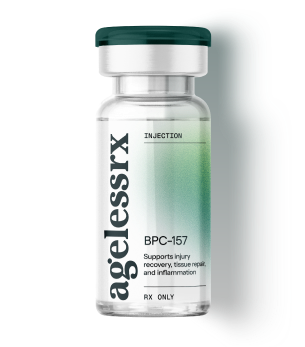
BPC-157, Ulcerative Colitis / Tissue-Repair Use, Sourced Through a Licensed 503A Pharmacy With a Lot-Specific COA:
The FDA’s own review of BPC-157 for ulcerative colitis found the biological rationale and preclinical literature move the indication beyond speculative biology, but concluded the available evidence was insufficient to establish effectiveness, placing this use at Evidence Tier 3 (Investigational). Due to current restrictions on the legal compounding and prescription of BPC-157, it is disqualified as a research-use-only peptide. If the FDA adds BPC-157 to the 503A Bulks List, then, combined with verified sourcing and no population-fit contraindications, this profile lands in the Yellow zone: proceed only with enhanced informed consent and closer clinician monitoring, not as a routine, low-scrutiny prescription. The full scoring walkthrough, and nine more peptides scored the same way, are in Part III.
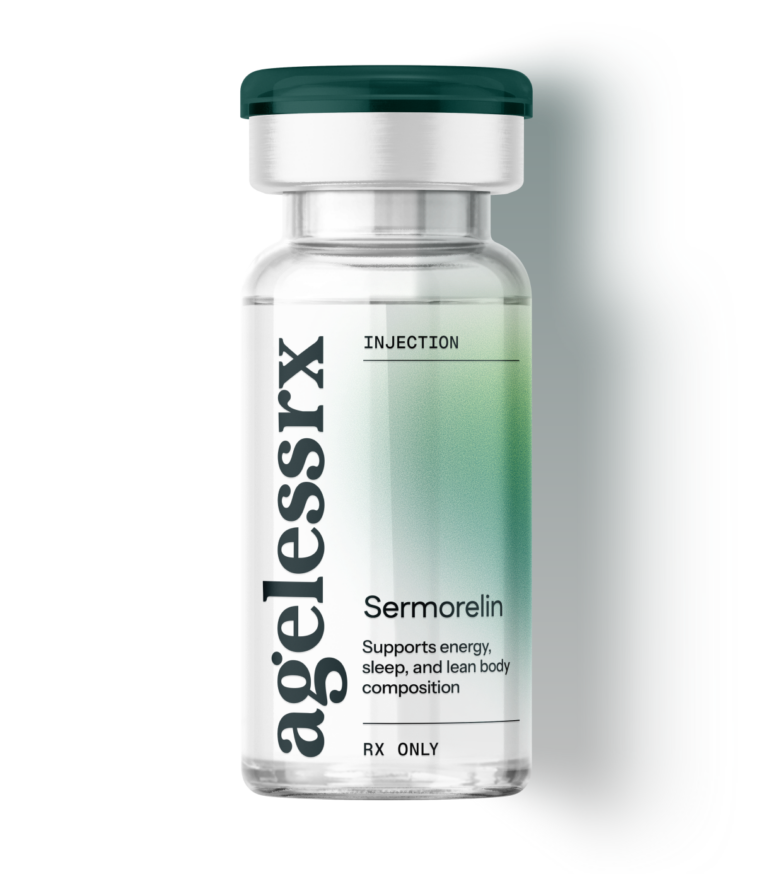
Sermorelin, Age-Related GH-Axis Support for Muscle Mass and Sleep, Sourced Through a Licensed Compounding Pharmacy With a Lot-Specific COA:
Sermorelin’s clinical history includes prior FDA approval for pediatric growth-hormone-deficiency use and a small body of controlled human research on supporting growth hormone levels in adults with growth hormone deficiency, as well as healthy adults. The evidence sits within a narrower population and indication than this broader adult-longevity use, placing this use at Evidence Tier 2 (Emerging). Because Sermorelin isn’t caught up in the current PCAC review affecting several other peptides on this scorecard, it clears today as a Verified peptide rather than a disqualified one; no reclassification is required. Combined with verified sourcing and no population-fit contraindications, this profile lands in the Green zone: reasonable to proceed with standard clinician monitoring, not the enhanced scrutiny a Yellow rating would require.
What the Standard Does Not Claim
A Tier 3 (Investigational) rating does not mean a peptide should be prescribed, and a favorable regulatory recommendation does not raise its Evidence Tier. A Tier 4 rating does not mean a peptide can never reach Tier 1; ratings move as evidence accumulates, an opportunity that may be present if the FDA approves inclusion on the Section 503A Bulks List. The purpose of grading is not to remove uncertainty but to make uncertainty visible and consistent across every peptide discussed.
Recommendations for the Field
(Recommendations addressed specifically to clinicians and consumers appear in Parts II and III.)
For pharmacies and peptide providers: make dispensing source and compounded status clear, provide lot-linked documentation, distinguish raw-material testing from finished-product testing, avoid using purity as a stand-in for complete quality assessment, and establish complaint and recall procedures.
For telehealth organizations: perform proper due diligence on compounding pharmacies and treat clinical oversight as an ongoing responsibility.
For researchers: prioritize direct human studies for molecules already seeing substantial consumer interest, and distinguish fragments, analogs, and parent molecules carefully. Evidence for one does not automatically transfer to another.
For journalists and creators: ask which exact molecule and use were studied, distinguish advisory-committee activity from FDA approval, and evaluate the system surrounding a peptide rather than focusing on a single purity percentage.
Part II: The Clinician Scoring Toolkit
This part is built for active reference. It contains everything Part I summarized: the full Program Accountability domain-scoring tables, the complete PEPTIDE decision model, the Suitability Score math, the step-by-step application process, and our own self-assessment.
Layer 1: Program Accountability
Program Accountability answers one question: can the provider behind this peptide be trusted? It’s assessed once per provider or organization, not once per patient. It is scored across six domains, each worth 0–4 points, for a total of 24 possible points; each domain feeds one or more PEPTIDE pillars:
| Domain | Feeds pillar | Max points |
|---|---|---|
| Sourcing & Traceability | P — Purity & Provenance | 4 |
| Analytical Quality | P — Purity & Provenance | 4 |
| Clinical Governance | P(fit) / T / I / D / E — the five decision pillars | 4 |
| Evidence Integrity | E — Evidence Tier | 4 |
| Patient Transparency | D — Dosing, Delivery & Diagnostics Loop | 4 |
| Outcomes Accountability | E — Exit & Escalation | 4 |
Scoring Principles
Each domain is scored as follows:
- 0: Absent or materially unacceptable
- 1: Minimal and substantially inadequate
- 2: Minimum standard met
- 3: Strong practice
- 4: Leading and independently verifiable practice
Most importantly, the score must be based on evidence, not an organization’s description of itself.
Essential domains: Sourcing & Traceability, Analytical Quality, and Clinical Governance. A program cannot meet the Standard if it scores below 2 in any essential domain, regardless of total score. This prevents strong marketing, education, or research activity from masking a fundamental product- or patient-safety gap.
Automatic disqualifiers: supplying “research use only”-labeled product for patient self-administration; inability to identify or verify the dispensing source; access without meaningful licensed-clinician review.
Score Interpretation
| Total score | Classification | Interpretation |
|---|---|---|
| 21–24 | Leading practice | Strong, verifiable performance across all dimensions |
| 17–20 | Meets the Standard | Satisfies essential requirements with identifiable opportunities for improvement |
| 12–16 | Developing | Important elements are present, but material gaps remain |
| 0–11 | Does not meet the Standard | Several core elements are missing |
| Insufficient evidence | Unassessable | Too little verifiable information to score |
Domain 1 — Sourcing & Traceability
Can the product be connected to an identifiable, accountable, licensed source?
| Score | Criteria |
|---|---|
| 0 | Source is unidentified, materially misrepresented, or labeled “for research use” while supplied for human use |
| 1 | Some source information is available, but licensure, dispensing responsibility, or lot traceability cannot be verified |
| 2 | Licensed dispensing source is identified; compounded status is clear; product and lot information are traceable |
| 3 | Minimum standard is met, with clear pharmacy verification, accessible lot records, complaint procedures, and recall accountability |
| 4 | Strong practice is independently verifiable and includes transparent supply-chain documentation, finished-product traceability, and public quality-accountability processes |
Minimum evidence required: the dispensing pharmacy is identified and its licensure verifiable; the product is accurately described as compounded where applicable; documentation traces the medication from source to specific patient, product, and lot; patients have a clear pathway to raise a product-quality concern.
Domain 2 — Analytical Quality
Is the finished preparation supported by testing appropriate to its identity, strength, formulation, and route?
| Score | Criteria |
|---|---|
| 0 | No credible testing evidence is available, documents appear unreliable, or an injectable program lacks appropriate microbial controls |
| 1 | Generic or raw-material COA is available, but it is not linked adequately to the finished product or does not address key attributes |
| 2 | Lot-linked identity, strength, and purity documentation are available, with route-appropriate microbial and endotoxin controls |
| 3 | Minimum standard is met with clearly described methods, specifications, laboratory information, finished-product testing, and stability controls |
| 4 | Strong practice is independently verifiable and includes validated methods, transparent specifications, representative lot testing, stability evidence, and accessible documentation explaining limitations |
Minimum evidence required: testing is linked to the specific lot and confirms identity, quantitative strength, and purity; sterile/injectable products document microbial controls and endotoxin testing; laboratory, method, specification, date, and production stage tested are all clear.
Domain 3 — Clinical Governance
Is the peptide prescribed and monitored within an accountable clinical system?
| Score | Criteria |
|---|---|
| 0 | No meaningful licensed-clinician review occurs before access |
| 1 | A clinician is nominally involved, but assessment, monitoring, or accountability is limited or unclear |
| 2 | Health history and medications are reviewed; a licensed clinician determines appropriateness; follow-up and adjustment are available |
| 3 | Minimum standard is met with documented patient-selection criteria, individualized rationale, monitoring expectations, and stopping rules |
| 4 | Strong practice includes formal clinical governance, standardized safety escalation, protocol review, clinician training, adverse-event analysis, and continuous quality improvement |
Minimum evidence required: an identifiable, appropriately licensed prescribing clinician; documented review of health history, medications, and clinical rationale; individualized (not default-standardized) dosing; clear follow-up access; a defined adjustment/discontinuation and escalation pathway.
Domain 4 — Evidence Integrity
Do the claims match the maturity and directness of the evidence?
| Score | Criteria |
|---|---|
| 0 | Claims materially misrepresent the evidence or present preclinical findings as established human benefit |
| 1 | Citations are present, but evidence levels, indirectness, or important limitations are not communicated clearly |
| 2 | Major claims are supported, and mechanistic, preclinical, observational, and controlled human evidence are distinguished |
| 3 | Minimum standard is met with claim-level citations, directness assessment, balanced limitations, and clear treatment of related-molecule evidence |
| 4 | Strong practice includes a published evidence-grading method, scheduled evidence updates, and documented correction procedures |
Minimum evidence required: major claims are supported at the claim level, with the type of evidence clearly identified.
Domain 5 — Patient Transparency
Can a patient understand what is known, unknown, expected, and required before deciding to participate?
| Score | Criteria |
|---|---|
| 0 | Material information is withheld or the product’s status is materially misrepresented |
| 1 | Basic information is available, but benefits dominate and meaningful uncertainties, alternatives, or support pathways are difficult to find |
| 2 | Compounded status, evidence limitations, administration, monitoring, and clinical support are explained in understandable language |
| 3 | Minimum standard is met with balanced decision support, alternatives, clear escalation instructions, and education throughout treatment |
| 4 | Strong practice includes tested patient materials, transparent updates when evidence changes, multilingual or accessibility support, and public reporting of common reasons for adjustment or discontinuation |
Minimum evidence required: patients are told clearly when a product is compounded, receive a balanced explanation of benefits, evidence limitations, risks, and alternatives, get specific administration/storage instructions, and know monitoring expectations and how to reach the care team.
Domain 6 — Outcomes Accountability
Does the organization systematically learn from use and contribute those findings to the field?
| Score | Criteria |
|---|---|
| 0 | Testimonials or selective anecdotes are presented as outcomes evidence |
| 1 | Patient feedback is collected, but methods, denominators, attrition, or adverse events are not defined |
| 2 | Outcomes are collected using defined measures with basic methods, denominator reporting, and adverse-event capture |
| 3 | Minimum standard is met through a predefined protocol, transparent analysis, conflict disclosure, and public reporting |
| 4 | Strong practice includes prospective registration, independent analysis or oversight, multi-site participation, peer-reviewed publication, and a commitment to report neutral or unfavorable findings |
Minimum evidence required: a defined protocol with inclusion criteria, measures, exposure, and duration; adverse events captured alongside benefits; conflicts disclosed; a publication policy covering neutral or unfavorable results.
Layer 2: The PEPTIDE Decision Model
P — Purity & Provenance
The first question isn’t whether a peptide is promising, but whether the product can be trusted. This is inseparable from where it was made and how it was verified. USP General Chapter <797> (sterile compounding) and ASHP compounding guidelines are reasonable external benchmarks to ask a compounding pharmacy about directly.
| Classification | Standard |
|---|---|
| Verified | Licensed and identifiable dispensing source, transparent compounded status, traceable lot information, and appropriate product-quality documentation |
| Partial | Licensed source exists, but testing, traceability, or product-specific documentation is incomplete |
| Unverified | Source cannot be independently confirmed, relevant testing cannot be verified, or a “research use only” product is being supplied for human self-administration |
E — Evidence Tier
This grading system is adapted from GRADE, the Oxford CEBM levels, and the AAFP Strength-of-Recommendation Taxonomy, but tailored to a category where many widely discussed peptides remain early in the evidence curve. It is designed for granular assessment of the evidence base, avoiding the tendency to collapse every peptide into a vague “moderate” middle.
| Tier | Label | What it takes |
|---|---|---|
| 1 | Established | Consistent, good-quality controlled human evidence with meaningful outcomes for the specific indication and/or an FDA-approved indication supported by relevant evidence |
| 2 | Emerging | Meaningful controlled human evidence or a consistent body of relevant human data, but not yet an established evidence base |
| 3 | Investigational | Plausible mechanism with meaningful preclinical support and/or limited human evidence, but no adequately powered trial establishing benefit for the specific use |
| 4 | Speculative | Primarily in vitro or highly indirect evidence, or extrapolation from a related pathway or molecule without sufficient direct evidence for the proposed use |
Grade per indication, not per molecule. Semaglutide is Tier 1 for glycemic control and weight management; other proposed uses may sit lower. BPC-157’s tendon/ligament rationale sits in Investigational territory; broader cognitive or systemic anti-aging claims are more speculative.
P — Population Fit
Evidence describes groups while prescribing concerns individuals. Relevant factors include pregnancy/lactation, malignancy, renal or hepatic impairment, immune-related conditions, age, frailty, cardiometabolic disease, concurrent medications, and mechanism-specific risk factors. A high Evidence Tier and excellent sourcing cannot substitute for a serious patient-specific contraindication.
T — Timing & Sequencing
Responsible use asks, “Why this, why now?” Risk rises when a peptide is introduced too early, several interventions start at once, administration is inappropriate, or there’s no baseline to measure against.
| Step | Standard |
|---|---|
| Foundations | Address sleep, nutrition, training load, and stress first, unless the peptide itself helps create the opportunity for that change |
| Establish baseline | Complete relevant labs, imaging, or functional testing before starting |
| Consider established options | Where better-supported conventional options exist, try or explicitly rule them out first |
| Isolate variables | Introduce one meaningful new intervention at a time |
| Define re-testing intervals | Set the reassessment point before treatment begins |
I — Indication Match
Mechanism only matters when it maps to the problem being addressed. The rationale should be explicit enough to explain the mechanistic link clearly and specific enough to check against the evidence. This checkpoint guards against indication creep, where an interesting mechanism gradually becomes the justification for increasingly broad claims.
D — Dosing, Delivery & Diagnostics Loop
A responsible protocol defines route, formulation, individualized dose, titration where relevant, storage and handling, monitoring, and the measures used to evaluate response, as well as what the patient is told at each step (maps to Patient Transparency in the Program Accountability scoring system).
Baseline assessment → intervention → monitoring → reassessment → adjustment.
E — Exit & Escalation
Every protocol starts with an answer to a question that is often asked much too late: what would make us stop? Stopping criteria, reassessment timing, and escalation triggers should be set before treatment begins. The patient journey should be tracked and reported; this maps to Outcomes Accountability in the Program Accountability scoring system.
The PEPTIDE Suitability Score
A 10-point decision score. It is not an approval, a prescription recommendation, or a substitute for clinical judgment.
| Component | Points |
|---|---|
| Evidence Tier | Tier 1 = 4 · Tier 2 = 3 · Tier 3 = 2 · Tier 4 = 0 |
| Purity & Provenance | Verified = 3 · Partial = 2 · Unverified = 0 |
| Population Fit | No meaningful modifier = 2 · Manageable = 1 · Major red flag = 0 |
| Indication & Sequencing Fit | Clear rationale and appropriate timing = 1 · Weak/premature = 0 |
Safety override: a serious population-fit contraindication forces the assessment to Black regardless of the numerical score.
Program override: a provider scoring “Does Not Meet Standard” on Program Accountability forces the same result, regardless of how the individual peptide scores. Strong evidence and a clean-looking product can’t compensate for an untrustworthy system behind them.
| Score | Zone | Interpretation |
|---|---|---|
| 8–10 | Green | Evidence, quality, fit, and rationale support consideration within an appropriate, legally permissible, clinician-guided pathway |
| 5–7 | Yellow | Meaningful uncertainty remains; if proceeding, use enhanced informed consent, closer monitoring, or specialist input |
| 2–4 | Red | Material evidence, quality, fit, or sequencing concerns; generally discouraged outside research or specialized oversight |
| 0–1 | Black | Profile does not support use; do not proceed |
Applying the Standard, Step by Step
Applying the Standard to Ourselves
A standard is only meaningful if its authors are willing to be evaluated by it. We apply the same Program Accountability requirements to our own program that we propose for the rest of the category, scored on documented evidence rather than our own description of our practices.
| Domain | Evidence required from AgelessRx | Status at publication |
|---|---|---|
| Sourcing & Traceability | Dispensing-pharmacy identity, applicable licensure, compounded status, and lot traceability | 3/4 |
| Analytical Quality | Lot-linked identity, strength, purity, microbial, endotoxin, and applicable finished-product documentation | 4/4 |
| Clinical Governance | Prescriber review, patient-selection criteria, dosing process, follow-up, escalation, and discontinuation procedures | 4/4 |
| Evidence Integrity | Claim-level citations, evidence classifications, limitations, and update process | 4/4 |
| Patient Transparency | Patient education, compounded-status disclosure, administration, risks, monitoring, alternatives, and support | 4/4 |
| Outcomes Accountability | Research protocol, defined endpoints, adverse-event capture, analysis plan, and publication commitment | 4/4 |
Recommendations for Clinicians
- Separate biological rationale from demonstrated clinical benefit.
- Document why a peptide is being considered for the individual patient.
- Verify purity and provenance.
- Establish monitoring and stopping criteria before treatment begins.
- Report significant adverse events appropriately.
- Reassess protocols as evidence and regulation change.
Part III: The Consumer Scorecard
Ten specific peptides, how we rated them, and what to ask before starting any of them.
The Peptide Standard at a Glance
Not all peptides have the same amount of research behind them, and evidence is only one part of responsible use. This scorecard shows how each measures up across the areas we think matter most: research strength, regulatory status, and whether we’ve evaluated a program offering it against our full Standard.
| Peptide | Primary research area | Evidence rating | Regulatory status | Program quality |
|---|---|---|---|---|
| BPC-157 | Tissue-repair and cytoprotective signaling | 3Investigational | Conditional | Evaluated |
| TB-500 | Cell migration and tissue remodeling | 3Investigational | Conditional | Evaluated |
| KPV | Inflammatory signaling | 4Speculative | Conditional | Not evaluated |
| MOTS-c | Mitochondrial and metabolic signaling | 3Investigational | Conditional | Evaluated |
| Semax | Neurological and neurotrophic signaling | 3Investigational | Conditional | Not evaluated |
| Epitalon | Pineal and telomere-associated mechanisms | 4Speculative | Conditional | Not evaluated |
| Emideltide / DSIP | Sleep and neuroregulatory signaling | 3Investigational | Restricted | Not evaluated |
| Sermorelin | Pituitary growth hormone-releasing signaling | 2Emerging | Clear | Meets our Standard |
| GHK-Cu Cream | Skin remodeling and regenerative signaling | 2Emerging | Clear | Meets our Standard |
| PT-141 | Melanocortin signaling and sexual function | 1Established | Clear | Meets our Standard |
Evidence ratings reflect the directness and maturity of evidence for the specific use being evaluated. Evidence for a parent or related molecule is not automatically treated as evidence for the named peptide. These classifications are not FDA approval; PCAC recommendations are advisory, and the FDA has stated final determinations will follow completion of its review.
Research
How strong is the science?
- EstablishedStrong human evidence
- EmergingMeaningful human evidence, with more research needed
- InvestigationalPromising preclinical evidence, but limited human evidence
- SpeculativeEvidence remains early or indirect
Regulatory
Can it be accessed today?
- ClearCurrently available within the applicable regulatory pathway
- ConditionalAccess depends on pending or evolving regulatory conditions
- RestrictedThe applicable pathway does not currently support access
Program Quality
Has a program offering it been vetted?
- Meets our StandardMeets the required thresholds for sourcing, testing, clinical oversight, transparency, and accountability
- EvaluatedWe have evaluated a program offering this peptide against the full Standard, but the peptide does not yet clear every threshold for the use shown, most often because of its regulatory status. It moves to Meets our Standard once every requirement is met, for example if the FDA adds it to the 503A Bulks List and the evidence supports the intended use.
- Not evaluatedWe have not evaluated a program offering this peptide against the full Standard
How We Arrived at These Ratings
Sermorelin — Tier 2: Emerging for Muscle Mass and Sleep.
Sermorelin has a long clinical history, including prior FDA approval for diagnostic and pediatric growth-hormone-deficiency use, and a meaningful body of human research on the growth-hormone axis. Most of that evidence resides within a narrower population and indication than the broader adult longevity use for which it’s now commonly discussed, although a few small clinical studies exist.
Standard interpretation: substantive direct human evidence within its original indication; Emerging for the broader longevity uses now common in practice. Tier 2.
Available at AgelessRxSermorelin injectionExplore GHK-Cu — Tier 2: Emerging for Skin Health.
GHK-Cu has a meaningful published record on skin remodeling, including mechanistic and preclinical evidence of effects on collagen synthesis, wound contraction, and tissue-repair signaling. Much of the human-relevant evidence base is older, smaller-scale, or industry-associated rather than independently replicated in large controlled trials, and a randomized, placebo-controlled human trial for topical wound healing is only now underway, meaning definitive controlled human efficacy data is still forthcoming rather than established. Broader “regenerative” claims extending past topical skin effects reach further than the current direct evidence supports and are firmly speculative (Tier 4).
Standard interpretation: strong mechanistic and preclinical evidence for topical skin effects, not yet at the volume or independence of replication needed for Established. Tier 2.
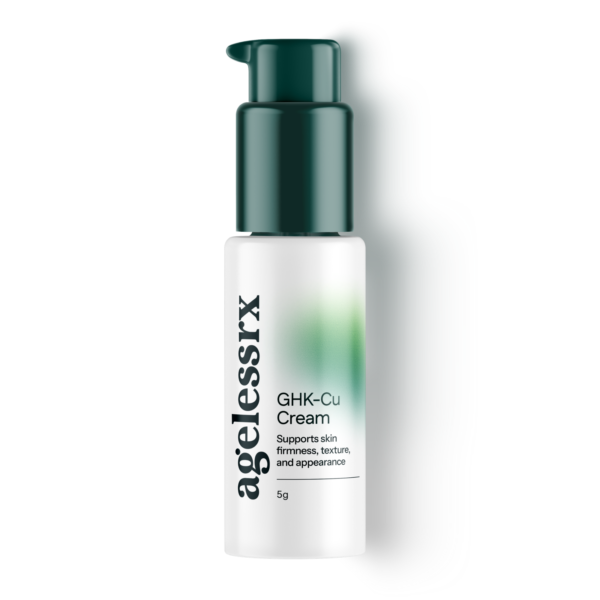 Available at AgelessRxGHK-Cu CreamExplore
PT-141 — Tier 1: Established, for Its Approved Indication Only.
Bremelanotide (Vyleesi) is FDA-approved for acquired, generalized hypoactive sexual desire disorder in premenopausal women, based on two Phase III RECONNECT trials in over 1,200 women. That approval is indication- and population-specific: the FDA label explicitly excludes postmenopausal women and men and does not cover use for enhancing sexual performance. Off-label use in men, a common real-world application, has not undergone the same regulatory review and should be assessed on its own evidence rather than inheriting this Tier 1 rating.
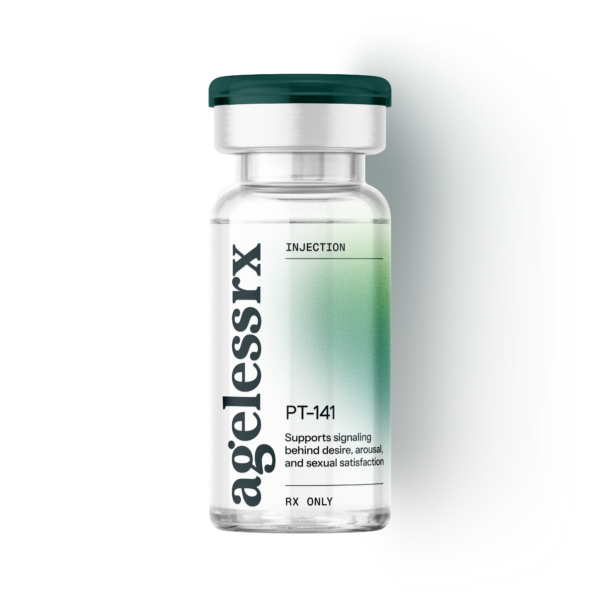 Available at AgelessRxPT-141 injectionExplore
What This Table Does Not Mean
These ratings don’t rank which peptide is “best.” A Tier 3 rating doesn’t mean a peptide should be prescribed, and a favorable regulatory recommendation doesn’t raise its Evidence Tier.
A Tier 4 rating doesn’t mean a peptide can never reach Tier 1 or Tier 2. As research evolves, especially if peptides are added to the 503A Bulks List, ratings can move with the evidence base. If a rigorous human study of BPC-157 for a specific use is published, that indication gets reassessed. The point of the rating isn’t to remove uncertainty, but to make the level of uncertainty visible.
What to Ask Before Starting Any Peptide
How Do I Verify the Quality of a Compounded Peptide?
Ask the provider which pharmacy dispensed your medication and confirm that pharmacy’s licensure. Request the lot-specific Certificate of Analysis and check that it covers identity, purity, potency, microbial testing, and endotoxin levels. A purity percentage alone is not sufficient.
How Do I Know if the Evidence Claims Are Accurate?
Look for clear disclosure of what is known and unknown for your specific goal, not the broad claims often seen in forum posts and social media. Evidence for a related molecule or a different indication does not automatically apply to the peptide or use being discussed.
What Clinical Oversight Should a Peptide Provider Offer?
A licensed clinician should review your complete health history and current medications before any peptide is prescribed. Ask what monitoring is expected during treatment and who to contact if something changes.
What Are the Warning Signs of an Untrustworthy Peptide Source?
Be cautious of any source that relies primarily on purity claims, testimonials, or animal research to make its case. Legitimate programs identify the dispensing pharmacy, provide lot-specific documentation, and maintain accountable clinical oversight.
Discussion and References
Discussion, limitations, conclusions, references, disclosures, and authorship for the full Standard.
Discussion
The peptide market presents two opposing risks. One is dismissal: treating every investigational peptide as scientifically invalid because many claims exceed the evidence. The other is overstatement: treating biological plausibility, consumer experience, regulatory discussion, or a single lab result as proof of clinical benefit. Neither reflects the evidence well.
Some investigational peptides carry substantial mechanistic and preclinical research that warrants serious research efforts to validate their potential. Some have early human evidence, while others draw on research involving related molecules that is informative but cannot be transferred directly. BPC-157’s evidence base and TB-500’s reliance on full-length thymosin beta-4 research are both examples of this, discussed in Part III. Scientific uncertainty does not make responsible evaluation impossible, but it changes what responsible evaluation requires: when evidence is at an earlier stage, claims should be more precise, documentation more rigorous, and monitoring more deliberate.
Limitations
The regulatory landscape referenced here is evolving and may have changed by the time this is read. Direct human evidence remains limited for several peptides discussed. Existing analytical studies cannot establish failure rates across the entire peptide market. The 2026 consumer research-grade peptide analysis cited above is a preprint and has not completed peer review. This paper uses a narrative rather than a registered systematic-review method. The scoring instruments described in Part II have not undergone independent validation or inter-rater reliability testing, and several scoring thresholds are normative, subject to revision after pilot use. AgelessRx has a commercial interest in peptide care, a conflict that should stay visible when interpreting this Standard, including our own self-assessment.
Conclusion
The central challenge in this category is no longer simply whether these molecules can be accessed; it is whether the systems surrounding them can distinguish investigation from proof, regulatory discussion from approval, purity from complete analytical quality, provider involvement from accountable clinical care, and testimonials from outcomes research.
A responsible peptide program should demonstrate verifiable sourcing, fit-for-purpose analytical quality, accountable clinical governance, evidence-calibrated communication, meaningful patient transparency, and systematic outcomes accountability. This Standard should be applied to every organization operating in this category, including AgelessRx. Its success should be judged not by whether companies adopt its language, but by whether peptide quality becomes easier to verify and unsupported claims become harder to make.
Validation Agenda
The Standard is a proposed model, not a finished one. Validation should include independent expert review, pilot assessment, inter-rater reliability testing, construct validation, public comment, and scheduled revision, including independent grading exercises to test whether different reviewers assign the same Evidence Tier from the same evidence.
References
- U.S. Food and Drug Administration. July 23–24, 2026 Pharmacy Compounding Advisory Committee Meeting: Agenda. 2026. fda.gov
- U.S. Food and Drug Administration. FDA Briefing Document: Pharmacy Compounding Advisory Committee Meeting, July 23–24, 2026. 2026. fda.gov
- U.S. Food and Drug Administration. Human Drug Compounding Laws. Accessed August 31, 2026. fda.gov
- U.S. Food and Drug Administration. Compounding and the FDA: Questions and Answers. Accessed August 31, 2026. fda.gov
- Janvier S, et al. Impurity profiling of the most frequently encountered falsified polypeptide drugs on the Belgian market. Talanta. 2018;188:795–807. doi:10.1016/j.talanta.2018.06.023
- Janvier S, De Spiegeleer B, Vanhee C, Deconinck E. Falsification of biotechnology drugs: current dangers and/or future disasters? Journal of Pharmaceutical and Biomedical Analysis. 2018;161:175–191. PMID: 30165334. doi:10.1016/j.jpba.2018.08.037
- Mendias CL, Awan TM. Evaluation of research-grade peptides marketed directly to consumers reveals extensive variability in purity and measured abundance. Preprints. 2026. doi:10.20944/preprints202604.1748.v1. Preprint, not peer reviewed. doi:10.20944/preprints202604.1748.v1
- McGuire FP, Martinez R, Lenz A, Skinner L, Cushman DM. Regeneration or risk? A narrative review of BPC-157 for musculoskeletal healing. Current Reviews in Musculoskeletal Medicine. 2025;18(12):611–619. doi:10.1007/s12178-025-09990-7
- Kannengiesser K, et al. Melanocortin-derived tripeptide KPV has anti-inflammatory potential in murine models of inflammatory bowel disease. Inflammatory Bowel Diseases. 2008;14(3):324–331. PMID: 18092346. doi:10.1002/ibd.20334
- Lee C, et al. The mitochondrial-derived peptide MOTS-c promotes metabolic homeostasis and reduces obesity and insulin resistance. Cell Metabolism. 2015;21(3):443–454. doi:10.1016/j.cmet.2015.02.009
- von Walden F, et al. Acute endurance exercise stimulates circulating levels of mitochondrial-derived peptides in humans. Journal of Applied Physiology. 2021;131(3):1035–1042. PMID: 34351816. doi:10.1152/japplphysiol.00706.2019
- Prakash A, Goa KL. Sermorelin: a review of its use in the diagnosis and treatment of children with idiopathic growth hormone deficiency. BioDrugs. 1999;12(2):139–157. doi:10.2165/00063030-199912020-00007
- Treadwell T, Kleinman HK, Crockford D, Hardy MA, Guarnera GT, Goldstein AL. The regenerative peptide thymosin beta-4 accelerates the rate of dermal healing in preclinical animal models and in patients. Annals of the New York Academy of Sciences. 2012;1270:37–44. doi:10.1111/j.1749-6632.2012.06717.x
- Fosgerau K, Hoffmann T. Peptide therapeutics: current status and future directions. Drug Discovery Today. 2015;20(1):122–128. doi:10.1016/j.drudis.2014.10.003
- Pickart L, Margolina A. Regenerative and protective actions of the GHK-Cu peptide in the light of the new gene data. International Journal of Molecular Sciences. 2018;19(7):1987. PMCID: PMC6073405. doi:10.3390/ijms19071987
- U.S. Food and Drug Administration. VYLEESI (bremelanotide injection) prescribing information. Approved June 21, 2019. fda.gov
Disclosures
AgelessRx provides clinician-guided longevity care and offers compounded peptide products. This commercial interest creates a potential conflict and should be considered when interpreting this Standard. The scoring instruments described have not been endorsed by the FDA or independently validated. This paper is educational and does not provide medical advice. The investigational peptides discussed are not FDA-approved for the longevity, recovery, metabolic, or healthy-aging uses often described in consumer discourse. Compounded drugs are not FDA-approved; the FDA does not verify their safety, effectiveness, or quality before marketing. Prescription decisions require evaluation by a licensed medical professional.
Authorship and Review
- Prepared by: AgelessRx
- Clinical review: Dr. Jenell Decker, MD
- Scientific review: Girish Harinath, MS
- Pharmacy and quality review: Dr. Jenell Decker, MD
- Statistical and methodological review: Robert Dudley, PhD
- Correspondence: info@agelessrx.com
- Last reviewed: September 25, 2026
- Evidence reviewed through: August 31, 2026 · Version 2.0

Naturally Support Growth Hormone Levels & When to Try Sermorelin
Sleep, HIIT, and meal timing all support natural GH release. Learn when Sermorelin becomes a clinical option worth exploring.

Peptides Explained: Benefits, Regulations & Uses
Learn how peptide therapy works, which peptides have science backing, and how the FDA advisory vote may shape clinical access for recovery and

GHK-Cu Peptide: How It Works and What Research Shows
GHK-Cu is backed by decades of research. This guide covers how it works, skin and hair benefits, dosage protocols, and safe sourcing options.
Frequently asked questions
Peptides are small chains of amino acids your body already uses to send instructions between cells. Different peptides carry different messages, from growth hormone signaling and recovery to skin renewal, sexual health, metabolism, and more.1 7 9 So the better question isn’t “What do peptides do?” It’s “What does this peptide do?”
Peptides can interact with specific biological signaling pathways, which is why researchers are exploring them across sleep, recovery, skin, sexual health, metabolism, cognition, and healthy aging.
The important part is that the evidence isn’t equally strong for every peptide. Some have meaningful human research behind them. Others are much earlier in the science.
Biological age is a measure of the body’s cellular health that reflects how fast we’re truly aging. While chronological age simply measures the length of time since our birth, biological age considers the lifestyle, environmental, and genetic factors that cause our skin, organs, cells, and DNA to age. In this way, biological age is a more accurate representation of how we’re aging than chronological age.18
To check your biological age, try our free biological age test. You’ll need the results of a recent blood test, which you can input into the calculator to easily assess your biological age from the comfort of your home.
Each includes licensed clinician review, pharmacy fulfillment, quality standards, and ongoing support as part of our peptide care model.
We’re watching them closely. BPC-157, TB-500, MOTS-c, and KPV are among the peptides generating the most interest right now, and Wolverine combines BPC-157 + TB-500. They aren’t currently offered due to FDA regulations. We’re following the science and regulatory path, and if one earns our confidence and an appropriate pathway becomes available, you’ll hear from us first.
Because being available to buy online and being available as clinician-guided peptide care are not the same thing.
Some products are sold under labels such as “research use only” or “not for human consumption.” We only offer peptides when we can stand behind the sourcing, quality, evidence, and clinical care around them.
It means the product is being sold as a research material rather than as a medication intended for human use. That should immediately change the questions you ask.
Who made it? What was tested? Who reviewed whether it makes sense for you? And who is accountable after it arrives?
Those are very different questions from whether the label simply says “99% pure" and that distinction matters when you’re evaluating something you plan to put into your body.
Start with what you want to change, not the peptide name you heard online.
Sermorelin may be considered for goals around sleep, recovery, energy, strength, and body composition.1 PT-141 is focused on desire and sexual responsiveness.7 GHK-Cu is used topically for skin renewal and firmness.10
A licensed clinician reviews your health history and goals to determine whether one of the available options may make sense for you.
No. Compounded medications are not FDA-approved and do not go through FDA premarket review for safety, effectiveness, or manufacturing quality.
That’s exactly why pharmacy accountability, quality documentation, clinician oversight, and transparency matter so much in this category, and exactly why we developed our AgelessRx Peptide Standard.
It’s the framework we use to decide what deserves a place in peptide care. Every peptide we consider is evaluated across sourcing, quality documentation, clinician oversight, evidence, and transparency.
Some will clear that bar. Some won’t. We’d rather tell you “not yet” than sell you something the science hasn’t earned.