Heart Health: Your Essential Guide to a Longer, Healthier Life

Older woman smiling in a field

We all know that a healthy heart is key to living longer. But just how closely is our heart health related to our longevity?

When we consider our longevity as a measure not only of how long we live, but also how long we live in good health, then heart health may just be one of the most important aspects of our longevity. That’s not even to consider that heart health is the number one cause of mortality by far.

But heart health doesn’t just refer to how healthy our heart is. Our heart influences how many of our surrounding organs and bodily systems function, including our blood vessels, muscles, and even our brain. Our heart health is central to the healthy function of much of our body, and conversely, many of our bodily systems also affect our heart health. This fact can be easy to forget, leading many to overlook their heart health until age-related disease rears its ugly head.

For these reasons, the importance of maintaining a healthy heart can’t be overstated. No matter how young we are, how fit we are, or how healthy we are otherwise – heart health is central to living a longer, healthier life.

What Is Heart Health?

Heart health means not just keeping your heart and its related systems healthy, but also keeping your risk for heart disease low. Heart disease remains the leading age-related disease in the world, which means improving heart health is one of the most important steps we can take in our longevity journey.

Heart health is closely related to our cardiovascular health, as well as our metabolic health, both of which involve reducing the risk of heart disease. Cardiovascular health is a much broader term that covers heart health and metabolic health, which is why many use this term as a broad indication of both heart health and metabolic health.

Cardiovascular health refers to the health of our heart and our blood vessels. Cardiovascular diseases include stroke, heart failure, myocardial infarction, arrhythmia, and the main driver of all these, atherosclerosis, or plaque buildup in our arteries. Though cardiovascular health and heart health are recognized as separate and distinct aspects of our wellness, the two are so closely linked that they are often used interchangeably.

Heart disease isn’t just the most common age-related disease – it’s also the most preventable.

Metabolic health refers to our body’s ability to efficiently carry out metabolic processes, including blood sugar regulation, cholesterol transport, inflammation control, and fat-burning and storage. There are five markers of optimal metabolic health: blood sugar, blood pressure, cholesterol, triglycerides, and BMI (body mass index) – all of which are equally as important to heart health.

When it comes to our heart health, we have to also consider our cardiovascular health and our metabolic health. Our heart health refers to the holistic well-being of not just your heart, but also your blood vessels and the entire metabolic system, which includes the transfer of nutrients and energy across the rest of the body.

How Does Heart Health Affect the Rest of My Body?

Think of your heart as a powerful engine that efficiently pumps blood throughout your body, supplying vital oxygen and nutrients to every cell. In other words, a healthy heart is the beating heart of your overall wellness, playing a vital role in your physical energy levels, cognitive function, and overall quality of life.

Like any well-operating machine, our heart requires regular upkeep of its central components and surrounding mechanisms to keep it in tip-top shape.

Optimal heart health indicates a well-functioning cardiovascular system, where your heart and blood vessels work in unison to facilitate the smooth flow of blood. This synergy aids in the effective delivery of oxygen and nutrients to various body parts, which is integral to the overall functioning of your body.

Maintaining a healthy heart is not just about preventing heart disease – it’s also about ensuring that your body has the necessary resources to function optimally. When your heart health is at its peak, your body is better equipped to combat disease, handle physical exertion, and retain a high energy level.

Because our heart is responsible for carrying vital nutrients and oxygen to the rest of our body, the significance of our heart health is also reflected in other bodily functions. For instance, a healthy heart promotes efficient metabolism, helps manage stress levels, and contributes to strong immune function. It also helps us to keep up with our day-to-day activities, whether that be concentrating at work, keeping up with our children, or enjoying time with our loved ones.

Having a healthy heart, then, serves as the cornerstone of our overall wellness.

Not sure where to start with your heart health? Take our free assessment to discover your risk factors in 5 minutes or less.

How Does Heart Health Impact Longevity?

Countless studies have shown a direct correlation between heart health and longevity.

Poor cardiovascular health (which is directly related to our heart health) can lead to a variety of age-related diseases such as heart disease, stroke, and other related conditions, all of which can drastically decrease our lifespan as well as our healthspan. On the other hand, prioritizing and maintaining heart health can drastically lower these risks, which could add extra healthy years to our lives.

This correlation emphasizes the importance of making heart-conscious decisions today, in order to ensure a healthier and potentially longer life in the future. By focusing on heart health and cardiovascular health, you’re not just investing in the well-being of your heart, but in your overall longevity. This highlights the vital need to prioritize cardiovascular wellness as a key element of your overall longevity journey.

How Can I Tell If I Have Good Heart Health?

Because heart disease and cardiovascular health have been so well studied over the past decades, scientists have developed a solid consensus on the key indicators of heart health. This is where our metabolic health comes into play.

Our metabolic health is fundamentally linked to how well our heart operates, as any disruption in our metabolic processes can heighten the risk of cardiovascular disease. For a measure of how healthy our heart is, we can look to the five markers of metabolic health:

Blood Sugar

Our blood sugar levels, also known as our blood glucose, refers to the measure of sugar (glucose) in our blood stream, which is our body’s primary source of energy. We get glucose from the foods we eat, and certain foods provide more glucose than others. Foods and drinks that can raise our blood sugar include candy, soda, alcohol, salt, fried foods, cured meats, canned or frozen foods, and simple, starchy carbs. Including too much of any of these can cause high blood sugar (hyperglycemia), which can damage your blood vessels and potentially cause blood clots. Conversely, having low blood sugar levels (hypoglycemia) may also increase oxidative stress and raise your risk for cardiovascular disease.

Blood Pressure

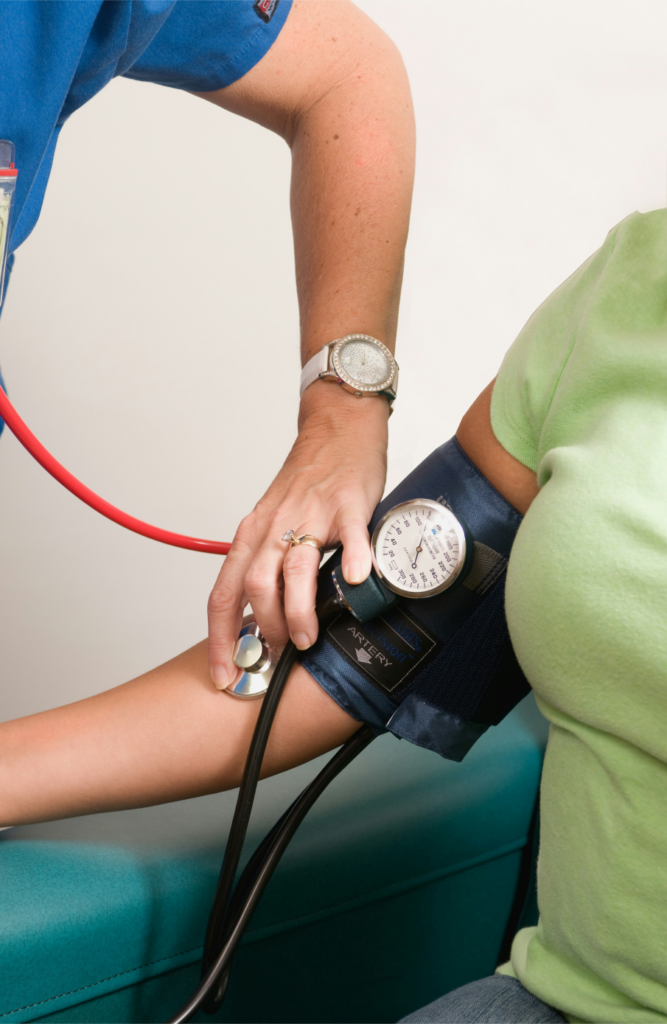
Our blood pressure is a measure of the force that our heart uses to pump blood to the rest of your body. Having high blood pressure (known as hypertension) decreases the flow of blood, and with it, oxygen and vital nutrients. Having high blood pressure for too long can lead to damage in your heart and blood vessels, which may also cause plaque to build up, narrowing our blood vessels and decreasing blood flow. Having low blood pressure (hypotension) can also decrease our blood flow and cause damage to our heart and brain.

The ideal range for blood pressure is below 120/80 and above 90/60. To better understand what your blood pressure readings mean, read this guide from the American Heart Association.

Cholesterol

Our cholesterol levels can be a challenge because not all types of cholesterol are made the same. In the past, our cholesterol has been divided into two camps: the good cholesterol, or HDL, and the bad cholesterol, LDL. But this is slightly misleading. While HDL helps to flush damaging cholesterol from our liver, it’s not a good indicator of our heart health risk on its own. On the other hand, LDL cholesterol can be a good indicator of heart health, but LDL isn’t bad on its own. Instead, it’s all the things that LDL carries with it that could increase our risk for heart disease. It’s good to stay within an optimal range for both HDL and LDL, but a more specific measure of our ApoB is necessary to assess our true risk.

Triglycerides

We know there’s sugar in our blood streams, but we might not be aware that a certain type of fat is also common in our blood. This type of fat is known as triglycerides. When the food we eat is converted into calories, any extra calories that our body doesn’t use right away is converted into triglycerides, which are stored in our fat cells. These are later released as energy when we’re not eating.

High triglycerides can cause our arteries to harden and our artery walls to thicken. This is a condition known as atherosclerosis, which increases our risk for heart disease, stroke, and diabetes.

BMI

Also known as body mass index, our BMI is a measure of our overall weight compared to our height. Having excess fats in certain areas of our body is recognized as a risk factor for heart disease.

We shouldn’t approach our BMI as a measure of our healthy weight range; that’s a conversation between you and your healthcare provider. Instead, you should approach BMI purely as a tool to measure your heart health. For this reason, BMI may also be a challenge, because a healthy BMI range for your friends or loved ones may not be a healthy BMI range for you. Fortunately, you can use a BMI calculator to let you know your ideal BMI range quickly and easily.

Having below-optimal ranges for three out of these five markers of metabolic health is referred to as metabolic syndrome, which raises your risk of heart disease and stroke, as well as diabetes and other serious health problems.

When’s the last time you checked your levels? Reveal your cholesterol, triglycerides, insulin resistance, and more with one simple test.

But the five markers of metabolic health shouldn’t be the only thing we pay attention to when we measure our heart health. We should also consider these additional factors:

  • Resting heart rate
    A resting heart rate can be understood as a measure of how efficiently your heart is working to pump blood throughout your body. The less energy your heart has to exert, the more energy it conserves to continue pumping. As with most other measures of a healthy heart, your ideal resting heart rate is within a range – usually between 60 and 100, but lower resting heart rates can be normal as well, especially for athletes. Having too high or too low of a resting heart rate can increase our risk for heart disease.
  • ApoB
    Also known as apolipoprotein B, ApoB is like an ID tag for our LDL lipoproteins. The more LDL lipoproteins that squeeze into our arteries, the higher our chance for plaque to build up. ApoB has been hailed as the more accurate indicator of our heart health because it only indicates the bad LDL lipoproteins that could cause damage.
  • Stress
    Our stress levels can affect heart health in a variety of different ways that we may not realize. Too much stress can lead to high blood pressure, irregular heartbeat, arterial damage, and lack of sleep, among other conditions which can increase our risk for heart disease (like increased cortisol, which could cause insulin resistance and muscle atrophy). Alternatively, stress can also cause us to seek unhealthy coping mechanisms such as smoking, overeating, or excessive alcohol consumption. Recent research suggests that stress can have a much larger effect on our overall health than we previously thought, while lower stress levels are associated with lower incidence of age-related diseases like heart disease.
  • Family History
    A common misconception is that having a family history of heart disease or cardiovascular disease makes you predisposed to have these conditions yourself. But that’s not exactly true. Our family history can increase our risk for heart disease by as little as 40%, which means we still have plenty of room to improve our risk. The important thing to remember is that a family history of heart disease doesn’t mean we will definitely get heart disease – it just means that maintaining good heart health is about 40% more important for you.

It’s important to keep an eye on all of these indicators to understand your cardiovascular health better and to take appropriate measures if any of these indicators are outside of their healthy ranges.

We can’t consider any of these values on their own, because all of them are interconnected – from our stress levels and family history to our cholesterol and blood pressure. Regular check-ups and tests can help monitor these key health metrics in case any of them go out of healthy range, allowing for early detection and intervention in case of potential problems.

Treatments like Metformin help us control the heart health markers that we can’t see on our own. Discover which options are best for you.

How Can I Boost My Heart Health?

There are simple steps we can take in our daily lives to boost our heart health and reduce our risk for years to come.

Exercise

It might go without saying that regular exercise is an essential part of our heart health, but it may not be clear how this helps our heart. Working out helps reduce blood pressure and improve our cholesterol, while enhancing the circulation of our blood. Exercising enough may also help lower our resting heart rate, which means that our heart is working more efficiently.

While different types of exercises offer different benefits to our heart health, aerobic exercises may be the best for our heart health. Jogging, swimming, cycling, running, and even jumping rope are all directly beneficial to helping lower blood pressure and improve resting heart rate. High-intensity interval training can also be particularly beneficial for increasing our VO2 (or, our peak oxygen consumption) and defending against potential damage. Alternatively, resistance training (or weight training) is most beneficial for reducing our BMI and improving cholesterol. Flexibility exercises such as yoga and pilates aren’t directly beneficial to heart health, but they may help improve circulation and lower stress.

Diet

A diet rich in fruits, vegetables, lean proteins, and whole grains is heart-friendly, but just as important is keeping the intake of saturated fats, sodium, hydrogenated vegetable oils, and added sugars to a minimum. Staying well hydrated and limiting our alcohol intake is also vital to heart health. Many sources suggest that the Mediterranean diet is the best diet for our overall health, but our specific dietary needs vary widely from person to person. When considering which diet is best for your heart health, it’s best to speak to your prescriber or a dietician.

Sleep

Just as essential as exercise and nutrition is adequate sleep. Sleep is one of the most powerful built-in mechanisms to lower blood pressure, allowing our heart cells to bust out their tools and repair damage from the previous day. Quality sleep is essential to help our body restore, repair, and regenerate. That’s true for our heart health as well. Getting at least seven hours of sleep each night allows our cardiovascular system to recover, while sleep deprivation can lead to an array of heart-related issues, including high blood pressure and inflammation.

Stress Management

We mentioned previously that stress can cause a wide range of health issues. As it relates to heart health, stress can cause high blood pressure and irregular heartbeat, among other conditions. Managing stress levels can similarly make a notable difference to our heart health. Engaging in stress-reducing activities like yoga, deep breathing, and positive social relationships can all contribute to heart health by keeping stress levels in check. All in all, you should try to keep a positive attitude and do things that you love doing.

Regular Check-Ups

Another key component to heart health is regular medical check-ups. It’s difficult to appreciate some of the underlying aspects of our health that we can’t see. For example, we often don’t praise the driver of a car for avoiding an accident until they swerve out of the way of an immediate collision. Similarly, we often don’t praise ourselves or our healthcare providers for keeping our risk for disease in check until symptoms are there for us to overcome. Getting regular check-ups allow us to monitor key health indicators like blood pressure, cholesterol levels, and body mass index, enabling early detection and intervention in case of potential heart issues. Make sure to ask your doctor to measure ApoB levels specifically, not just LDL or overall cholesterol!

Avoiding Risky Habits

It’s equally crucial to abstain from detrimental habits like smoking, which can significantly increase the risk of heart disease all around. Additionally, try to limit your consumption to under 10 drinks per week. Overindulgence in alcohol can lead to high blood pressure and other heart-related complications.

Looking for more tips on how to improve your risk for heart disease? Read more at our blog.

How Can I Tell If I’m at Risk?

Signs of less-than-optimal heart health include:

  • Fatigue
  • Swelling
  • Sleep Apnea
  • Irregular Heartbeat
  • Dizziness
  • Excessive Sweating
  • Decreased Exercise Tolerance
  • Pain in the Arms or Legs
  • Shortness of Breath
  • Chest Pain
  • Fainting

Should you notice that any of these are persistent, you should schedule an appointment with your healthcare provider or a cardiologist as soon as you can.

The last four of these signs – shortness of breath, chest pain, fainting, and pain in your arms or legs – can be especially telling. Should any of these occur suddenly and with high intensity, you should seek immediate medical care.

Doctor listening to a patient's heart

Why Is Heart Health Often Overlooked?

There’s a reason why symptoms like high blood pressure are called the silent killer: heart disease may creep up on us unexpectedly, with the first clear sign of trouble being a medical emergency. In fact, for some, the first noticeable symptom of heart disease can be sudden cardiac arrest.

Like a true workhorse, our heart heroically beats on, even in the presence of damage. Sometimes, we may notice impairments if we push too hard when we’re exerting ourselves. But on an everyday basis, we typically notice nothing until we suffer a heart attack or go to the doctor, only to realize that our markers of heart health are seriously compromised.

Meanwhile, our heart health is affecting many other aspects of our health. Heart disease is a comorbidity for a wide range of age-related diseases, including Alzheimer’s. Poor heart health may also affect our dental health. Even when our heart health isn;t obvious, it may be causing unseen damage.

All in all, our heart health can be easy to overlook simply because we often don’t see the symptoms. Whether we think we’re too young or we’re otherwise in good health, many of us don’t feel the need to worry about our heart health until symptoms begin to show. But by that time, damage may have already accumulated.

When Should I Worry About Heart Health?

First of all, don’t worry! Keep your stress levels low, and don’t stress too much about your heart health. Just use the simple steps we outlined above to lower your risk, and keep up with regular doctor visits to keep your risk in check.

However, keep in mind that it’s never too early to improve your heart health. Risk factors for heart disease can develop as early as age 18, without developing into heart disease until later in life. In fact, almost half of U.S. adults over age 20 have cardiovascular disease, and many of them aren’t above the age of 60.

Cardiovascular diseases like atherosclerosis and metabolic diseases like type 2 diabetes are also becoming more and more common at a younger age. This is partly a testament to the fact that medical technology and screening techniques are rapidly improving within the healthcare industry. But it’s also a wake-up call for those of us who thought our younger age made us invincible.

We start building plaque in our arteries from the time we’re children, and it just keeps accumulating like sand in an hourglass. But we can slow or even halt that hourglass by taking preventative measures as early as possible – and it’s never too late to start.

That’s not to say, of course, that we should dedicate our lives to decreasing our risk for heart disease. The purpose of heart health is to give us extra healthy years, and the reason we want extra healthy years is so we can enjoy them!

The key takeaway here is that our heart health is manageable, which suggests that the rest of our health, as well as our aging and longevity, should also be well within our reach.

Curious about taking control of your heart health? Our dedicated longevity experts are available to help you start your journey.