2 Weeks
LDL and ApoB begin to drop, helping reduce the plaque-forming particles arteries face each day.10
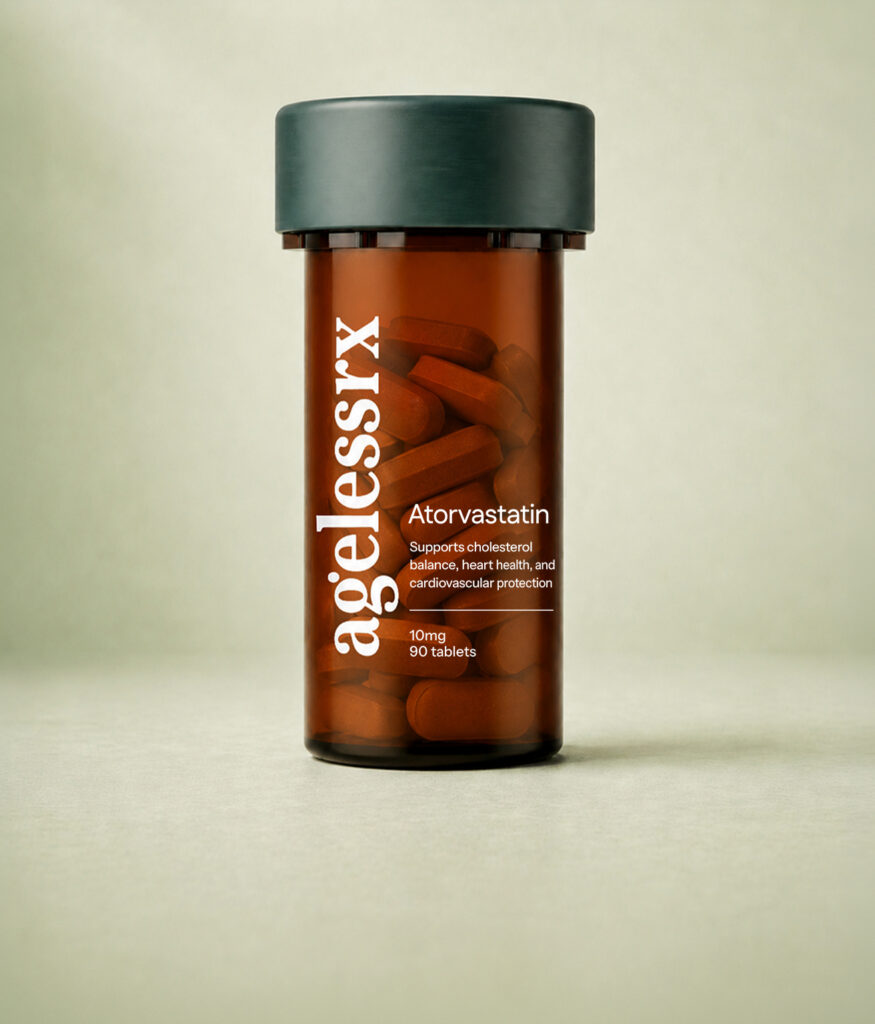
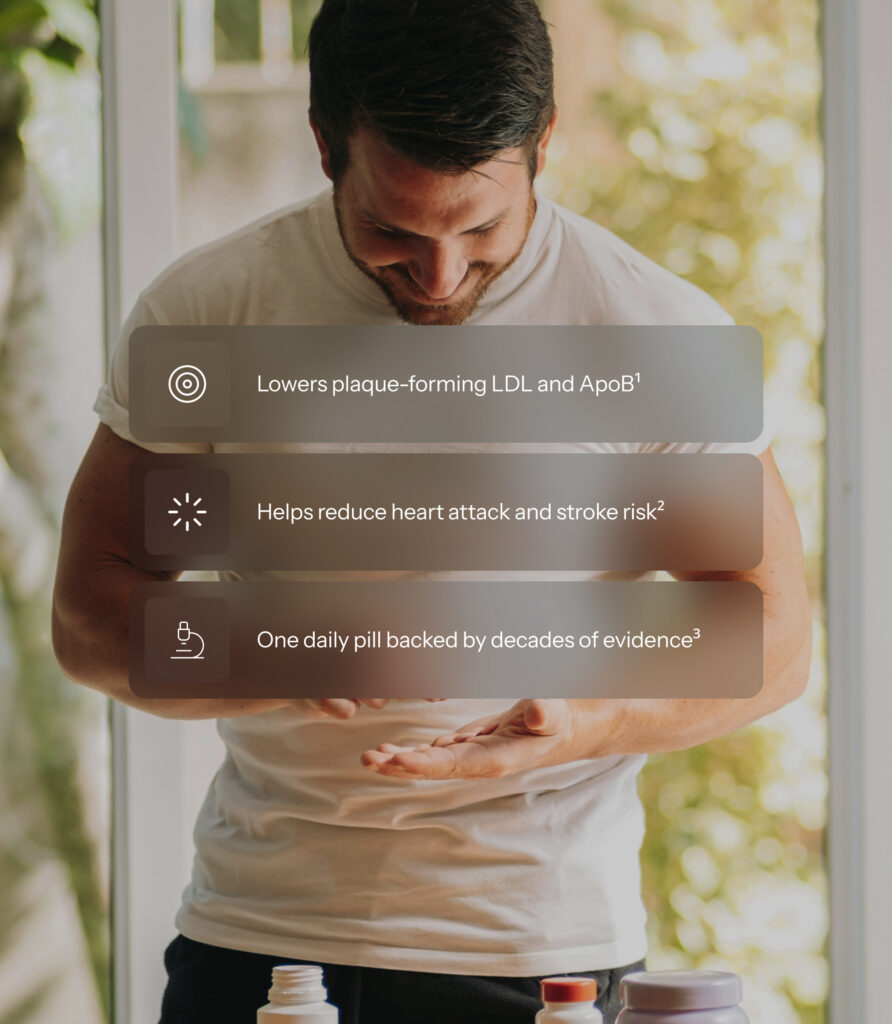
Heart disease can build silently for years, but many of its major risk factors can be managed early. This once-daily statin helps lower cholesterol linked to plaque buildup to reduce the risk of heart attack and stroke.
Atorvastatin is used to lower LDL cholesterol and triglycerides, and to help reduce the risk of heart attack, stroke, and other cardiovascular events, particularly in adults with elevated cardiovascular risk from high cholesterol, type 2 diabetes, or a family history of heart disease.6
It’s studied both in people who haven’t yet had a cardiovascular event and in those managing risk after one.2 Rather than working only once symptoms show up, Atorvastatin lowers both LDL and ApoB, the particles most linked to plaque buildup in artery walls.10
Atorvastatin blocks HMG-CoA reductase, an enzyme in the liver responsible for producing cholesterol. With that enzyme’s activity reduced, the liver makes less cholesterol overall, which may support lower LDL, may help raise HDL modestly, and supports management of plaque buildup in the arteries over time.4 5 It’s FDA-approved to help reduce the risk of heart attack and stroke in people with elevated cardiovascular risk.6
Atorvastatin is a once-daily tablet, typically starting at a low dose and adjusted based on how your labs respond, including ApoB, not just LDL. Your provider checks your cholesterol levels periodically, usually not more often than every few weeks, and may adjust your dose to help you reach your target range while minimizing side effects.
Cholesterol improvements typically start showing up in bloodwork within 2 to 4 weeks of consistent use, with the fuller effect of a given dose usually reflected by around 4 to 6 weeks.6 Since you won’t feel a change day to day the way you might with other treatments, your provider relies on periodic lab work to track whether Atorvastatin is doing its job and whether your dose needs adjusting.
Atorvastatin is taken once daily according to your provider-guided titration schedule. If prescribed, a US-licensed medical provider will provide a tailored schedule and specific treatment instructions with your care plan.
Like all medications, Atorvastatin may cause side effects in some patients. Generally mild in nature, side effects are likely to improve after the first few days or weeks as your body gets used to the medication.
Atorvastatin side effects include muscle pain and/or aches, cold-like symptoms, nausea and/or indigestion, headache, constipation, worsening blood sugar, and/or sore throat.
The above list is only a summary. See Mayo Clinic’s Statin Resources for a full list of possible side effects. Talk to your medical professional about any long-term or severe side effects.
Do not take Atorvastatin if you currently take another statin, niacin-laropiprant, verapamil, beta-blockers, diltiazem, or diuretics. Do not consume grapefruit juice while taking Atorvastatin.
Do not take Atorvastatin if you are pregnant, breastfeeding, or planning to become pregnant or breastfeed within the next six months.
Do not take Atorvastatin if you are allergic to it or any of its ingredients.
Consult with a medical professional prior to use if you are taking other medications for hypertension, diabetes, or thyroid conditions.
Do not stop taking Atorvastatin without first consulting your medical professional.
Most medical professionals also highly recommend you supplement Atorvastatin with 100mg/day of CoQ10.
Note: The above statements have not been evaluated by the Food and Drug Administration. This product is not intended to diagnose, treat, cure, or prevent any disease.
Disclaimer

Heart disease is one of the leading causes of death in the U.S., often with risk building quietly for decades before symptoms show up, but it is also one of the most preventable.7
Atorvastatin is the generic form of Lipitor® and one of the most established tools in preventive heart care by lowering LDL and ApoB, reducing plaque-forming cholesterol in arteries.1 6
80% of cardiovascular disease may be preventable with the right steps9









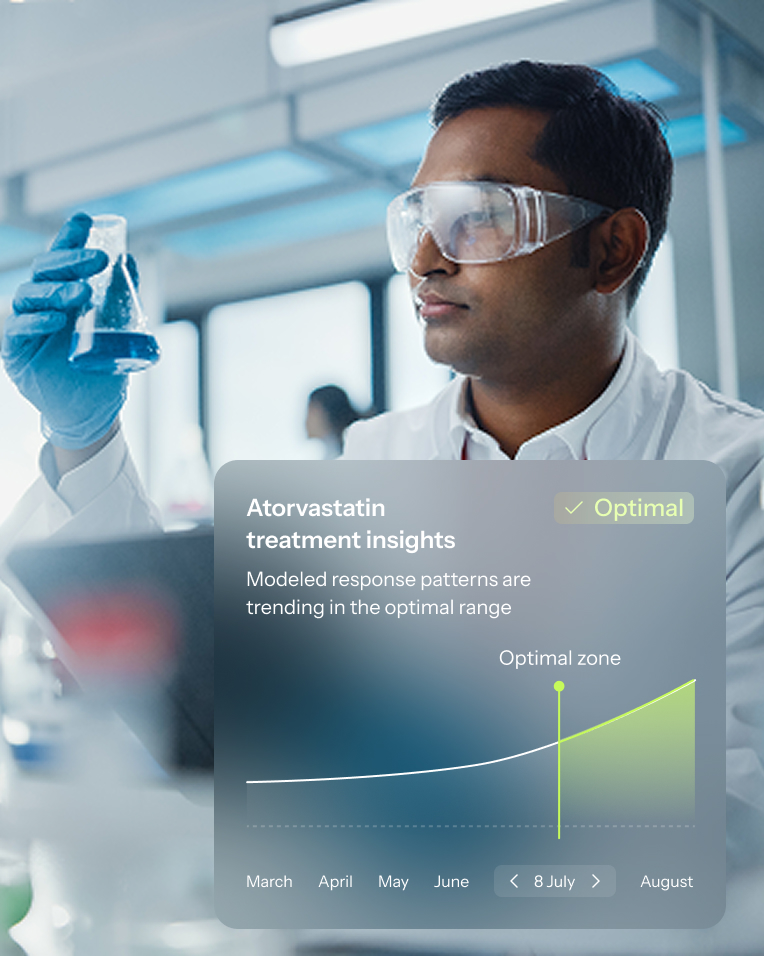

Clinically studied
Atorvastatin asks you to act while you still feel well. That’s the point. In a primary-prevention trial of adults with elevated cardiovascular risk but no previous heart attack, Atorvastatin at 10mg reduced coronary events by 36% compared with placebo.12
In another trial of adults with type 2 diabetes and at least one additional risk factor—but no previous cardiovascular disease—it reduced major cardiovascular events by 37%, heart attacks by 42%, and strokes by 48%.13
What makes Atorvastatin unique is that it has a strong evidence base across generally healthy adults with elevated risk, not yet diagnosed with heart disease, for a science-backed, prevention approach.


Disclaimer
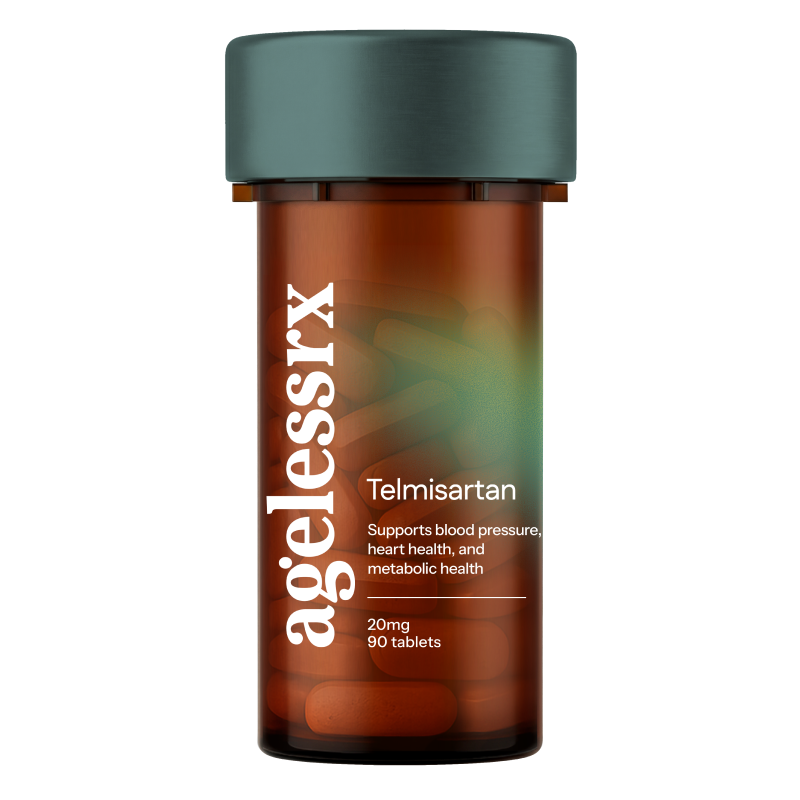
Support healthier blood pressure and long-term heart health with an FDA-approved treatment with emerging potential to support cardiometabolic health and inflammation for the years ahead.
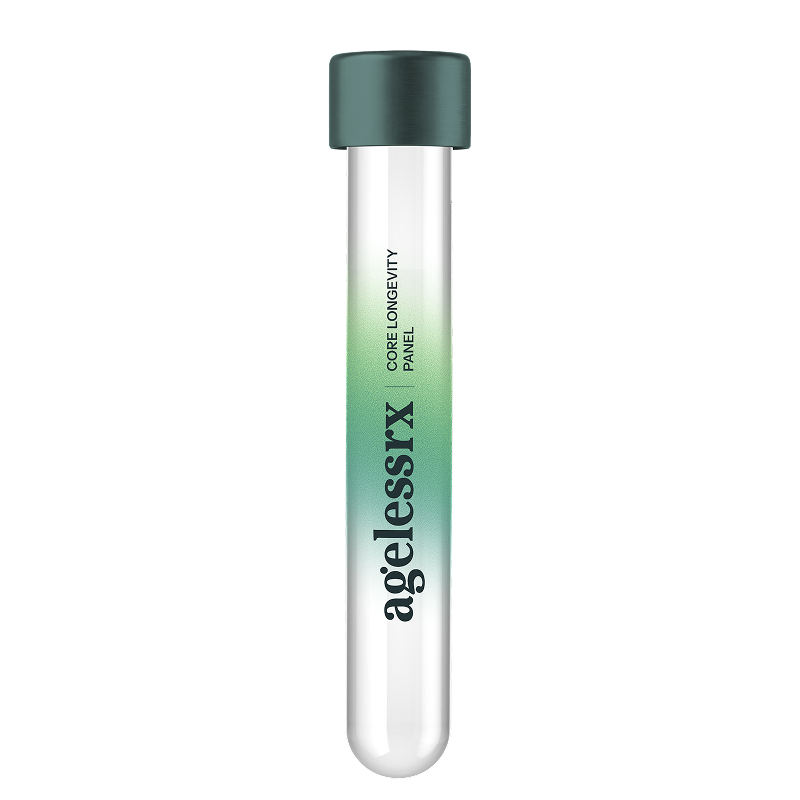
Measure 40+ biomarkers across heart, metabolic, liver, kidney, inflammation, bone, and blood health, including advanced markers your annual labs may not routinely cover.
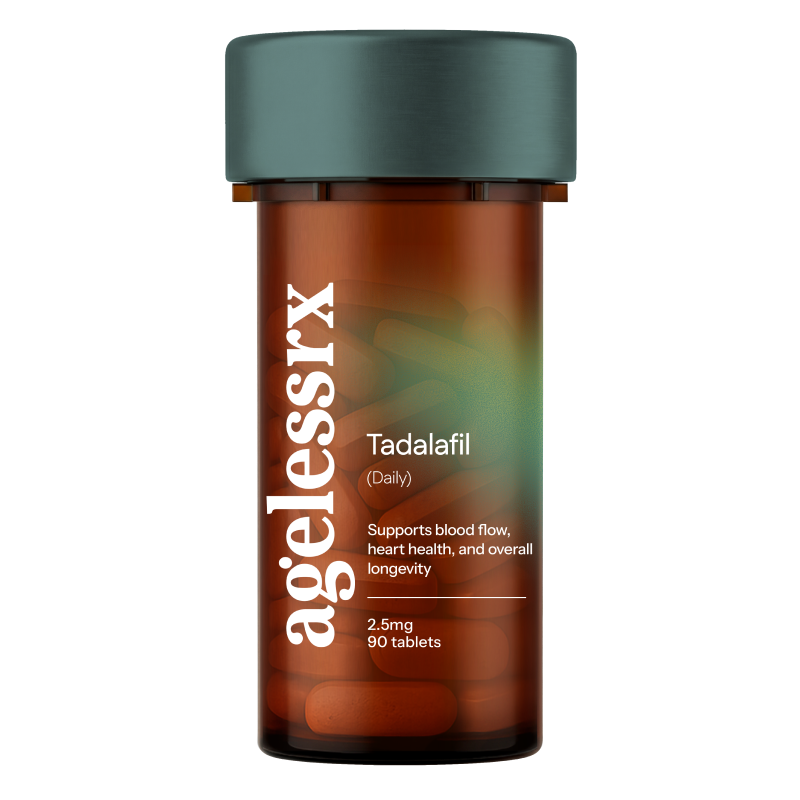
One low daily dose for both men and women that may help blood vessels stay relaxed and responsive, supporting circulation to the heart, brain, muscles, and organs for years to come.
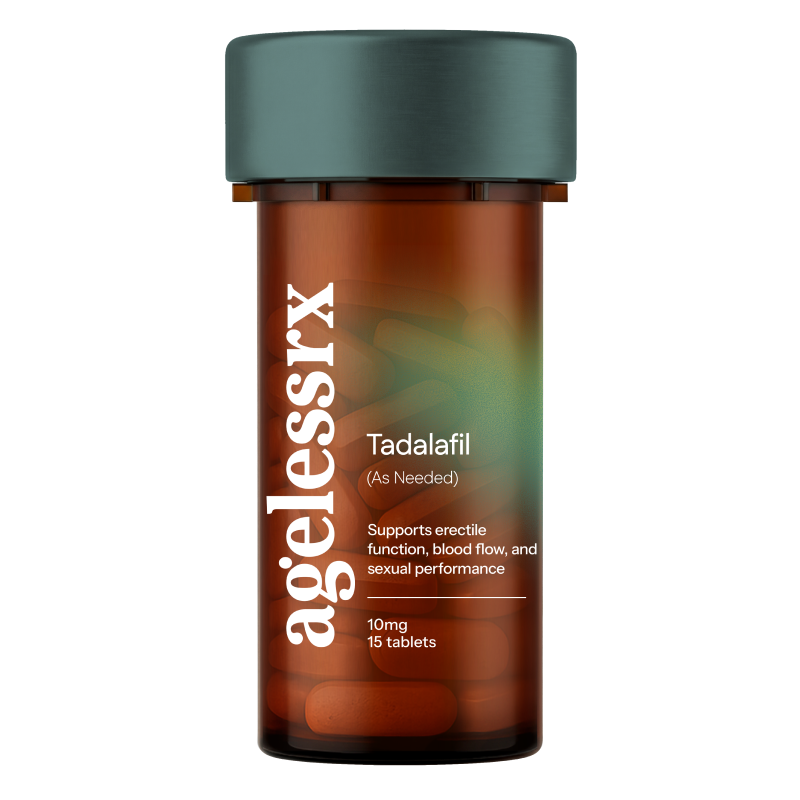
Support stronger, longer-lasting erections for up to 36 hours with the same active ingredient in Cialis®, so intimacy can fit your life instead of the other way around.
Atorvastatin is taken once daily around the same time. Your dose can be taken either with or without food, on a full or empty stomach.
Most statins, like Atorvastatin, require approximately 4–6 weeks to help cholesterol levels stabilize. You will complete a blood test within the first 3–6 months of treatment to check cholesterol levels (e.g. LDL, HDL, Total Cholesterol, and Triglycerides) to identify measurable improvements.
Atorvastatin supports lower cholesterol while you’re taking it, but that support doesn’t carry over once you stop. Cholesterol levels generally drift back up without ongoing use. Most people stay on it long-term as part of managing cardiovascular risk, similar to how blood pressure medication tends to work. Talk to your provider before making any changes to your regimen, including stopping.
The most common side effects are muscle aches, tenderness, or weakness, along with occasional digestive upset. Less common but more serious signs to watch for include unusual muscle pain paired with fatigue or fever (which can point to a rare muscle condition called myopathy), unexplained bruising or bleeding, and yellowing of the skin or eyes, which can signal liver involvement. Your provider checks your liver enzymes before starting and periodically afterward, and Atorvastatin isn’t recommended for anyone with active liver disease. See the full safety information above for the complete list.