
The Celebrity Longevity Trio: What Science Says About NAD+, B12, and Peptides

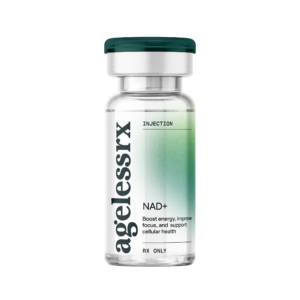
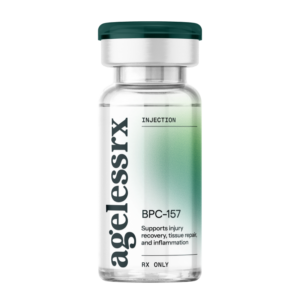
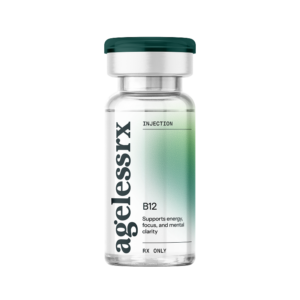
In a recent ELLE interview, Paltrow shared an update on her current longevity lineup, which includes three of today’s most talked-about longevity interventions: NAD+, B12, and peptides.
NAD+, B12, and peptides are showing up everywhere because they’re tied to biological pathways that researchers and clinicians have been studying for decades, with growing interest in how these pathways influence aging, energy, and long-term healthspan.
Key takeaways:
- NAD+ declines with age, reducing mitochondrial function and cellular repair capacity
- Up to 35% of adults may have low B12, often unknowingly, accelerating brain degeneration
- Glutathione (GSH) levels drop by up to 40% by age 60, showing up as inflammation, brain fog, and fatigue
- AgelessRx offers Sermorelin, BPC-157, TB-500, and MOTS-c through licensed compounding pharmacies
- No longevity protocol is one-size-fits-all; the right interventions depend on your biology and health goals
What is NAD+ and how does it support longevity?
NAD+ (nicotinamide adenine dinucleotide) is a coenzyme found in every cell of your body, and it plays a central role in cellular energy production, stress response, and repair. It acts as a critical “helper” molecule that allows enzymes involved in metabolism and DNA repair to function properly, making it necessary for day-to-day cellular performance.
NAD+ levels naturally decline with age. This decline contributes to reduced mitochondrial output, slower recovery from stress, and diminished cellular resilience over time. Lower levels have been associated with age-related diseases like heart disease, Alzheimer’s, and inflammatory conditions.
Restoring or supporting NAD+ pathways has become a focus in longevity science because it may slow cellular aging processes. It’s why researchers (and now celebrities) are turning their attention here.
How NAD+ is delivered
- Oral precursors like NR or NMN (efficacy and bioavailability can vary between individuals, many supplements have poor quality control, and evidence is still developing)
- NAD+ Injections (direct delivery of the molecule your cells need, increasingly used in longevity clinic protocols for more predictable absorption and dosing)
- NAD+ Patches (for gradual and consistent delivery throughout the day)
- NAD+ Nasal Spray (delivery closer to the brain for cognitive function and brain health)
Why is B12 important?
Vitamin B12 is a key nutrient for energy metabolism, oxygen delivery, cognitive function, and brain health. It’s one of the most foundational nutrients in clinical medicine, and it becomes especially relevant for people with dietary restrictions, gut issues, or increased metabolic demand because it’s harder to maintain optimal levels. B12 absorption drops with age, with many people only able to absorb 1-2% of what you find in an oral supplement. Up to 35% of adults may have low B12, often without realizing it, making B12 Injections a powerful tool for closing this nutrient gap.
Low B12 levels can lead to fatigue, brain fog, poor endurance, and even cognitive issues affecting memory, focus, and mood. It’s been shown that individuals with sub-clinical B12 deficiencies, meaning they are in low but still generally healthy ranges, have accelerated brain degeneration compared to those with higher levels.
Common forms of B12
- Methylcobalamin (high bioavailability)
- Cyanocobalamin (commonly used, but less preferred in some clinical contexts)
- Hydroxocobalamin (often used in injectable protocols)
How B12 is delivered
- Oral supplements
- Sublingual tabs
- B12 Injections (bypasses the gut to provide the highest level of bioavailability)
B12 is a reminder of something central to how longevity science actually works: foundational biological mechanisms matter as much as newer interventions. Maintaining cellular energy production, neurological integrity, and oxygen delivery at the system level is not a baseline to check off; it is an ongoing biological priority. Delivery precision matters because even well-understood nutrients can fail to reach therapeutic thresholds when absorption is compromised by age, gut function, or increased metabolic demand.
How do peptides fit into the future of longevity?
Peptides are short chains of amino acids that can act as signaling molecules for repair and regeneration in the body.
Certain peptides are being studied for their potential roles in recovery, metabolic health, and activating longevity pathways, though the science varies widely depending on the specific peptide.
Sermorelin, for example, is one of the few commonly discussed peptides that was FDA approved for individuals with growth hormone deficiency. Sermorelin supports growth hormone signaling and has been shown to improve body composition, energy, recovery, and cognitive function, even in generally healthy elderly individuals. Sermorelin is unique as a potential longevity tool because it’s one of the only peptides that can be legally compounded and prescribed to target age-related growth hormone decline. It’s evidence-backed, recognized as safe, and follows more rigorous quality control standards.
Other emerging peptides include BPC-157, TB-500, and MOTS-c, which are being studied for different aspects of healthy aging. BPC-157 and TB-500 have attracted interest for their potential roles in tissue repair and recovery, while MOTS-c is being investigated for its effects on cellular metabolism and energy regulation. Although most findings remain preclinical and human evidence is limited, these peptides represent promising areas of longevity research. AgelessRx now offers all three through licensed compounding pharmacies, with clinician-guided care and an emphasis on medication quality.
Glutathione (GSH) is another peptide making waves in the longevity industry, and for good reason. GSH is our body’s master antioxidant, responsible for protecting nearly every cell from age-related damage and detoxifying harmful compounds. Our cells lose that protection over time. GSH levels are shown to decline by up to 40% by the time we’re 60, and this shows up as wrinkles, chronic inflammation, brain fog, and fatigue. GSH is another staple in Gwenyth Paltrow’s longevity stack, especially for skin health, detoxification, and general antioxidant and anti-inflammatory support for healthy longevity.
Peptides represent a promising area of ongoing research, but they are also a category where clinical oversight and evidence-based application are especially important. Not all peptides work the same way, and they each have varying levels of quality control and supporting evidence; for a fuller breakdown, see our overview of how peptides work and when to use. Appropriate use should be guided by the specific compound and the strength of the clinical evidence.
|
Intervention |
Primary Role |
Delivery Formats |
Key Benefits |
|---|---|---|---|
|
NAD+ |
Cellular energy production, DNA repair, stress response |
Injections, oral precursors (NR/NMN), patches, nasal spray |
Supports mitochondrial function, cellular resilience, and recovery; may slow cellular aging processes |
|
B12 |
Energy metabolism, oxygen delivery, cognitive and neurological function |
Injections, oral supplements, sublingual tabs |
Closes common nutrient gaps; supports brain health, energy, and red blood cell production, especially relevant as absorption declines with age |
|
Peptides |
Signaling molecules for repair, regeneration, and longevity pathways | Injections (Sermorelin, Glutathione, BPC-157, TB-500, MOTS-c) | Varies by peptide: Sermorelin supports growth hormone signaling, Glutathione supports antioxidant defense, BPC-157 and TB-500 are being studied for tissue repair and recovery, and MOTS-c is being investigated for metabolic regulation |
Gwyneth Paltrow’s longevity routine isn’t unheard of, but speaking about it so openly shows a greater shift: more people care about their longevity, are asking better questions, and thinking beyond reactive healthcare. What once felt niche or reserved for elite athletes and private clinics is now entering everyday wellness conversations, accelerating public awareness around prevention and proactive health choices.
Celebrity wellness can spark curiosity, and curiosity is often the first step toward prevention. When high-profile figures like Gwyneth Paltrow openly share their health routines, it lowers the barrier to entry for these conversations and encourages people to ask about the “why” behind their own fatigue, brain fog, or declining resilience instead of normalizing it as inevitable aging.
NAD+, B12, and peptides are tools that, when used properly, may meaningfully extend healthspan.
How to decide if NAD+ Injections, B12 Shots, or Peptides are right for you
There is no one-size-fits-all answer. Something may be popular and be completely wrong for you. The real question is which interventions are most appropriate for you, based on your health goals and unique biology.
- Start with our guide on starting a long-term longevity plan, whether that includes NAD+, B12, peptides, or another longevity tool
If Gwyneth gets more people asking those questions? We’ll toast to that.
Curious about how to build your longevity protocol?
Building a longevity protocol starts with understanding your own biology. The Longevity Quiz is a science-backed starting point that helps identify which interventions may be worth pursuing based on your health goals, biological context, and where you are in your healthspan journey. The right strategy is personalized, proactive, and designed to compound over time.
Get started with our Longevity Quiz, a simple, science-backed tool that helps identify which protocols may be worth considering based on your health goals. The right strategy is personalized, proactive, and built to support your health for years to come.
Take the quiz and get your personalized insights. Take the Longevity Quiz to begin.
Note: The above statements have not been reviewed by the Food and Drug Administration. This product is not intended to diagnose, treat, cure, or prevent any disease.