
Why Is Sleep Important for Longevity?



7-9 hours is the sweet spot experts recommend for nightly sleep, and the reason goes far deeper than daily energy. Sleep is one of the most powerful drivers of longevity, shaping how long and how well you live. Quality rest fuels cellular repair, supports heart health, balances hormones, and keeps your brain sharp for decades to come. Sleep and longevity are deeply connected.
A large study of 172,321 adults found that men who got adequate, quality sleep may live about 5 years longer, and women about 2 years longer, than those who didn’t. Researchers behind the study found sleep to rank among the strongest behavioral predictors of life expectancy, ahead of diet, exercise, and loneliness, and second only to smoking.
But beyond strictly research, what exactly makes sleep so important? Why is it that sleep and longevity go hand-in-hand? Getting the right amount of rest deeply affects cognitive function, helping you think sharper, remember better, and perform at your best every day. Understanding that connection can be one of the strongest motivators to make rest a priority.
Key Takeaways:
- During sleep, your brain clears toxic waste, releases growth hormone, and consolidates memories
- Chronic sleep disruption is connected to cognitive decline and a higher risk of dementia
- Sleep and longevity are deeply connected through cellular repair, DNA maintenance, and metabolic health
- Getting enough sleep supports heart health, hormone balance, and healthy body weight
- Short sleepers are far more vulnerable to infection and illness
What Defines Quality Sleep?
Many Americans don’t regularly get the quality sleep they need. While sleep looks different for everyone, quality rest usually comes down to three things:
- Getting enough sleep at night: Most adults need between 7 and 9 hours. Consistently falling short affects energy, mood, and long-term health. Sleep tends to follow a Goldilocks pattern: both under 6 hours and over 9 hours have been connected to a higher risk of heart disease, diabetes, obesity, and earlier mortality. Research suggests that true “natural short sleepers” are exceptionally rare. These individuals carry genetic variations that allow them to function well on just 4 to 6 hours of sleep per night without the typical effects of sleep deprivation. However, most people who believe they do fine on less sleep show measurable impairments in cognition, reaction time, and cardiovascular health when studied under objective conditions.
- Getting uninterrupted sleep: We move through several sleep cycles each night, each playing a distinct role. Disruptions affect these cycles and can impact cognitive functioning.
- Keeping a regular sleep schedule: A consistent bedtime and wake time supports your body’s natural circadian rhythms, making it easier to fall asleep and wake up rested.
What Happens While You Sleep?
The Brain’s Biological Detox
During deep sleep, research suggests that cerebrospinal fluid may flush out harmful waste products, including beta-amyloid, a protein associated with Alzheimer’s disease, through what’s known as the glymphatic system. The spaces between brain cells widen during sleep, allowing this fluid exchange to happen more efficiently. This glymphatic clearance process is a key reason deep sleep is considered important for long-term brain health and dementia prevention. When sleep is regularly disrupted, these waste-clearing processes may not keep up, and over time that buildup may contribute to cognitive decline.
The Five Sleep Stages
- Stage 1-2 (light sleep): heart rate slows, stress hormones decline, brain begins organizing memories
- Stage 3-4 (deep sleep): growth hormone is released, insulin sensitivity improves, muscles and tissues recover, immune system resets
- Stage 5 (REM): brain processes emotions, integrates memories, supports mental clarity and long-term brain health
The brain balances how much time it spends in each stage based on what you need most. Recovering from stress means more REM, while recovering from physical activity means more deep sleep. Sleep is a self-balancing system, and it only works if you give it enough time.
How Does Sleep Sharpen Your Mind and Memory?
Sleep and cognition are deeply intertwined; quality rest is key for effective learning and the formation of long-term memories. We need sleep to consolidate information, sharpen focus, and think clearly. Research has shown that chronic sleep disruptions not merely impact daily cognition but can also contribute to long-term cognitive decline. Up to 60-70% of dementia patients experience serious sleep disturbances, showing the strong connection between poor sleep and the progression of conditions like dementia. During sleep, the brain recharges and solidifies memories, turning short-term moments into lasting ones.
Without sufficient rest, you risk not merely memory challenges but also an increased susceptibility to chronic conditions like Alzheimer’s disease. But cognitive clarity isn’t the only area affected by sleep. Just as it shapes our minds, it also plays a powerful role in steadying our mood, energy, and mental health.
How Does Sleep Affect Your Mood and Mental Well-Being?
Think back to a day after a restless night. Did you feel groggy, irritable, or just “off”? Maybe your patience ran thin, you felt less motivated, or struggled to find joy in moments that usually make you smile. This isn’t a coincidence. Research consistently shows that sleep quality directly impacts mood: those who don’t get enough rest experience a dip in positive emotions like happiness and a surge in negative feelings like irritability and sadness. In fact, many people with depression also report symptoms of poor sleep quality and insomnia.
Insomnia can show up in many ways: difficulty falling asleep, daytime drowsiness, irritability, or even an inability to achieve a full 7-9 hours of sleep. It’s clear that sleep and mood are deeply connected, so investing in quality rest can be one of the best ways to enhance mental well-being.
But the benefits of good sleep don’t stop there; beyond our minds, quality sleep also has a powerful influence on physical health and longevity.
What Are the Physical Benefits of Sleep?
Think of sleep as the time the body needs to recharge. While you rest, the body and brain undergo key recovery processes that help you wake up feeling alert and ready to take on the day. Quality sleep pays off in countless ways over time, including:
|
Physical Benefit |
What It Protects or Supports |
Key Risk If Skipped |
|---|---|---|
|
Cardiovascular, metabolic, and neurological systems |
Higher likelihood of diabetes, heart disease, dementia, and obesity |
|
|
Heart, blood vessels, and tissues |
Impaired cardiovascular recovery and slower tissue repair |
|
|
Ghrelin and leptin regulation |
Disrupted appetite signals, increased risk of overeating and obesity |
Some research points to DNA repair as a key reason we need sleep. DNA damage happens naturally, but research suggests that neurons require sleep to carry out some of their repair processes. Since neurons can’t be replaced, keeping them healthy has real implications for long-term brain function.
Research also shows that regular sleep patterns and deep sleep (also called slow-wave sleep) may contribute to improved lipid profiles, meaning higher HDL cholesterol (the beneficial kind) and lower triglyceride levels. Improved lipid profiles may reduce the risk of heart disease, one of the leading preventable causes of death.
But the benefits don’t end there. Sleep also has a major impact on immune health, serving as a powerful shield against illness.
How Does Sleep Protect Against Illness?
Sleep plays a key role in strengthening your immune system. Research shows that inadequate sleep makes you more vulnerable to illnesses like the common cold. In fact, a study revealed that people who sleep less than six hours per night are 4.2 times more likely to catch a cold compared to those who get over seven hours. Sleep goes beyond just boosting daytime energy; research on sleep and aging shows it has a direct impact on your physical health and promotes longevity.
During sleep, the immune system releases proteins called cytokines, which are key in fighting infection and reducing inflammation. Without enough sleep, your body may not produce an adequate supply of these protective proteins, leaving you more susceptible to illness.
How Can You Support Better Sleep for Long-Term Health?
The reasons are countless, but the takeaway is clear: just as food and water are necessary for survival, sleep is key for us to truly thrive. Without it, we risk losing what’s most precious: our memories, mental sharpness, and emotional well-being. We may find ourselves feeling rundown, more susceptible to illness, and even facing long-term health challenges.
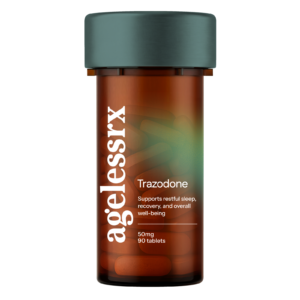
If your goal is to increase longevity and live a healthier, more vibrant life, start with the basics. Sleep and longevity are fundamentally linked. Look into clinician-guided plans that may help support sleep such as Sermorelin or Trazodone. Sleep is the cornerstone of lasting health and resilience. Build that solid foundation now, and your future self will thank you with every energized, joyful, and clear-minded day ahead.
Note: The above statements have not been evaluated by the Food and Drug Administration. This product is not intended to diagnose, treat, cure, or prevent any disease.