
LDN: Why Do Symptoms Sometimes Get Worse Before Getting Better?

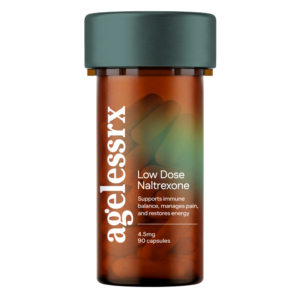
Low Dose Naltrexone (LDN) symptoms may temporarily worsen when first starting treatment as the body responds to changes in immune signaling and endorphin activity. While it can feel counterintuitive for a medication to make you feel worse when you’re taking it to feel better, an early flare doesn’t necessarily mean LDN isn’t working. Understanding what may be happening behind the scenes can help set expectations, clarify how long these changes may last, and signal when it’s worth checking in with a clinician.
Key Takeaways:
- Early symptom changes with LDN are often temporary
- A slower titration can make LDN easier to tolerate
- Your clinician can adjust dosing if symptoms feel uncomfortable
- LDN benefits may become more noticeable with time
LDN is used off-label for a range of concerns involving chronic pain, inflammation, and immune function. But LDN doesn’t work like a typical pain reliever that you take and expect to feel working right away. Its effects involve changes in endorphin activity and immune signaling that can take time, which helps explain why the first few weeks may feel different from what the body expected.
Why Might Symptoms Worsen at First?
It’s not uncommon for LDN users to experience a temporary increase in symptoms, such as heightened pain, fatigue, or flu-like symptoms. While this can be distressing, it’s usually a sign that the body is beginning to respond to the therapy. Here’s why this happens:
- Shifting Immune Response: LDN helps the immune system recalibrate. During this process, some patients may initially experience increased inflammation as the body adjusts.
- Detox and Adjustment Period: As LDN stimulates the body’s production of endorphins and influences inflammatory pathways, there can be an adjustment period that results in temporary discomfort.
- Individual Sensitivity: Some individuals are more sensitive to the effects of LDN, and even low doses may cause stronger reactions before the body adjusts to the new treatment.
These side effects typically resolve within 1-4 weeks as the body adjusts to the new treatment.
How Do You Manage Symptom Flares with LDN?
Here are a few practical tips to help manage this initial phase when symptoms might temporarily worsen:
|
Strategy |
What to Do |
Key Benefit |
|---|---|---|
|
Start Low & Titrate Slowly |
Begin low; increase every few weeks |
Might reduce side effects during adjustment |
|
Pause & Restart if Needed |
Stop briefly; restart at a lower dose |
Allows more precise dosing control |
|
Communicate with Your Provider |
Report persistent or worsening side effects to your provider |
Allows timely dose or timing adjustments |
|
Support Your Body |
Anti-inflammatory diet, hydration, rest, and supplements |
Supports immune system recalibration |
1. Start Low & Titrate Slowly
Begin with the lowest effective dose, typically around 0.5 mg to 1.5 mg, and gradually increase every few weeks. This “start low, go slow” approach helps reduce the risk of side effects and allows the body to adjust smoothly.
2. Consider Pausing & Restarting
If symptoms become too uncomfortable, temporarily stopping LDN for a few days and then restarting at a lower dose may help. Some patients benefit from switching to a liquid form of LDN for more precise dosing adjustments.
3. Communicate with Your Doctor
Always stay in contact with your healthcare provider, especially if side effects persist or worsen. Your doctor can guide you in making adjustments to your dosage or timing of LDN to minimize discomfort.
4. Support Your Body’s Adjustment
During this period, it may help to add anti-inflammatory supplements, eat a balanced diet, stay hydrated, and get adequate rest to support the body’s immune response.
5. Manage Your Symptoms
If you’re experiencing mild symptom flares like increased pain, fatigue, or inflammation, there are several over-the-counter (OTC) options to help you manage discomfort:
- NSAIDs (Non-Steroidal Anti-Inflammatory Drugs): Medications like ibuprofen or naproxen can help reduce pain and inflammation. Be sure to consult your clinician before using these, especially if you have any underlying health conditions.
- Acetaminophen (Tylenol): This can be a good option if NSAIDs are contraindicated or not tolerated, helping to ease pain without affecting inflammation.
- Antihistamines: For those experiencing histamine-related reactions, such as skin rashes or itching, OTC antihistamines like cetirizine or diphenhydramine can help relieve symptoms. Again, always check with your healthcare provider to confirm it’s safe to use alongside LDN.
- Topical Pain Relief: Creams and gels with ingredients like menthol, capsaicin, or lidocaine can provide localized pain relief without the systemic effects of oral medications.
These therapies can offer temporary relief while your body adjusts to LDN. This may help you to stay more comfortable until the symptoms subside.
When Can You Expect Improvement with LDN?
Many patients start to experience symptom relief within 4 to 8 weeks of starting LDN. However, individual sensitivity and the condition you’re treating can affect the timeline. Patience is key, and working closely with your clinician can help make the transition smoother.
Can LDN Help with Thyroid Symptoms?
Some people managing autoimmune thyroid conditions, such as Hashimoto’s or Graves’ disease, look into LDN alongside their existing thyroid treatment. Because LDN may help calm immune system activity and reduce chronic inflammation, some individuals report additional benefits. They report that it supports how the body responds to thyroid hormone. LDN is not a substitute for thyroid medication and is not an approved treatment for thyroid disease.
If you’re taking thyroid medication and starting LDN, it’s important to work closely with your prescribing provider. As the immune system adjusts, thyroid hormone levels can shift, so regular lab monitoring helps keep your thyroid medication dose appropriate throughout the process.
What If LDN Seems to Stop Working or Benefits Plateau?
The time it takes for LDN to kick in varies quite a bit from person to person. Some people notice small changes within the first few weeks, while others need a few months before benefits become noticeable. If it feels like LDN has stopped working after some initial improvement, or progress has plateaued, consider discussing a dose adjustment. This is often a signal to talk with your provider rather than a reason to stop LDN altogether.
LDN tends to work best alongside supportive habits like an anti-inflammatory diet, regular movement, and adequate rest. Some people also ask about pairing LDN with supplements such as magnesium. Research on these combinations is limited, so review any supplement changes with your healthcare provider first.
Can LDN Help with Crohn’s Disease?
Crohn’s disease is a form of inflammatory bowel disease. Some people managing it consider LDN as an off-label, complementary option alongside their existing treatment plan. Small clinical studies have looked at LDN for Crohn’s symptoms and reported encouraging findings around inflammatory activity and quality of life. However, larger trials are still needed before firm conclusions can be drawn. LDN is thought to help here in part by supporting healthier immune regulation.
As with any use of LDN for an inflammatory bowel condition, discuss it with your gastroenterologist. Use LDN alongside, not in place of, your current Crohn’s treatment.
Can LDN Help with Fibromyalgia Pain?
Fibromyalgia involves chronic muscle pain, fatigue, and heightened sensitivity to pain, and it’s one of the conditions most studied in connection with LDN. Researchers believe LDN may help by calming chronically activated microglia, immune cells in the brain that can release inflammatory chemicals and sensitize nerve cells to pain. Some studies suggest LDN may help normalize pain signaling as a result.
A placebo-controlled trial found LDN associated with reduced daily pain and improved quality of life for some people with fibromyalgia, though individual responses vary and it should be used under a clinician’s guidance.
Can LDN Help with Anxiety and Depression?
Some people also try LDN for symptoms of anxiety and depression, which research increasingly links to chronic low-grade inflammation and stress-response dysregulation. LDN is thought to help by reducing systemic inflammation and supporting natural endorphin production, which may have a mood-supportive effect for some people. This is an off-label, exploratory use, not an FDA-approved treatment for mood disorders.
Evidence here is still limited to small case studies and reports instead of large randomized trials, so LDN for mood symptoms is best viewed as a potential complementary option to discuss with your provider, not a replacement for proven mental health treatment.
If you have concerns about starting LDN or need personalized advice, reach out by logging in to your AgelessRx account for support. We’re here to help you make the most of your LDN therapy and manage any side effects you may experience along the way.
Note: The above statements have not been evaluated by the Food and Drug Administration. This product is not intended to diagnose, treat, cure, or prevent any disease.