


Tretinoin Product Guide
Tretinoin Anti-Wrinkle Cream is a clinical-grade, topical Vitamin A derivative (retinoid) that has been shown to improve overall skin texture and diminish fine lines and wrinkles by boosting collagen production.
Before you get started, read more about important usage information for Tretinoin.
Quick Tips
Here are some simple steps to help you get the most from each dose:
- Start by using only 2-3x per week
- Apply Tretinoin on a clean, dry face
- Use moisturizer after applying Tretinoin
- Use SPF 30+ sunscreen when outdoors
- Only use on your face and neck
- Avoid getting Tretinoin in your eyes
Follow these steps to ensure that your body adjusts to the medication, so you can experience the best possible benefits while minimizing side effects.
Getting Started
When you first receive your prescription, ensure proper storage guidelines to maintain the quality of the solution.
Follow the instructions for properly applying Tretinoin.
Learn the best strategies for reducing potential side effects.
Storage
Once you receive your prescription, be sure to keep Tretinoin in the original container. To maintain the utmost quality, store your mediation at room temperature, or between 68°F and 80°F. Always store Tretinoin away from heat sources and direct sunlight. Keep out of reach of children and pets.
You may safely travel with Tretinoin, so long as the above conditions are met. Though Tretinoin is stable at room temperature, you should still take care to store your prescription as you would any other medication.
Applying Tretinoin
Follow these steps to better understand how to properly apply Tretinoin:
- Wash and dry your face before starting
- Squeeze 2-3 pea-sized droplets onto your finger
- Spread evenly over your face
- Give special attention to problem areas like crow’s feet or smile lines
- Do not apply too close to the eye—avoid applying on the skin in the eye socket (lids, etc..)
- Use moisturizer, as needed, after applying
- Apply at least SPF 30+ sunscreen if you plan to be in sunlight
When just starting out with Tretinoin, be sure to use it only once every 2-3 nights, or 2-3x per week. This helps your skin adjust to the medication and build a tolerance over time.
If your skin tolerates the medication well, you may use Tretinoin daily for up to 7-14 days, depending on your comfort level. Do not use Tretinoin daily for more than 14 days in a row.
Side effects
The most common side effects are itching, burning, tingling, redness, or peeling of the skin around where you applied Tretinoin. This is a normal response known as “retinoid reactions” that are a sign of your skin adjusting to the medication.
Most side effects of Tretinoin are mild and go away on their own within a few days or weeks. If you experience severe burning or rash, stop using Tretinoin immediately and contact your prescriber.
If Tretinoin gets too close to your eye, it may cause a dry eye condition known as meibomian gland dysfunction/atrophy. Be careful to apply Tretinoin no further than your orbital bone (eye socket) to ensure that the medication stays out of your eye.
Serious side effects
Less common but more serious side effects of Tretinoin may include erythema nodosum (severe skin inflammation), edema (swelling), rash skin hyperpigmentation (dark spots), and skin hypopigmentation (light spots).
If you notice any of these side effects, stop using Tretinoin immediately and contact your prescriber. For more information on Tretinoin side effects, please review the Mayo Clinic’s Tretinoin resources.
Important safety information
Before starting any new prescription, be sure to tell your doctor or healthcare provider about all the medications you take, including prescription and over-the-counter medications, vitamins, and herbal supplements.
Do not use Tretinoin if you are pregnant or breastfeeding (including trying to get pregnant or are unsure whether you are pregnant). Tretinoin has been associated with miscarriage and birth defects. Additionally, people with an allergy to Tretinoin, or any of its ingredients, should not take Tretinoin.
You should not use topical Tretinoin if you take medication that further increases your sensitivity to sunlight, including but not limited to: tetracyclines (e.g. doxycycline, tetracycline, minocycline), sulfonylureas (e.g. acetohexamide, chlorpropamide, glimepiride, glipizide, glyburide), thiazide diuretics (e.g. hydrochlorothiazide/HCTZ or any drug containing HCTZ, chlorthalidone, bendroflumethiazide, methyclothiazide, metolazone), phenothiazines (chlorpromazine, promethazine, perphenazine, thiethylperazine, thioridazine), or fluoroquinolones (e.g. ciprofloxacin, gemifloxacin, levofloxacin, moxifloxacin, norfloxacin, ofloxacin).
Additionally, using retinoids concurrently with topical drying agents, such as salicylic acid and benzoyl peroxide, can increase the drying effects of retinoids. Do not apply these agents to the same areas as your topical Tretinoin.
Tretinoin may cause a dry eye condition known as meiboiam gland dysfunction/atrophy if the medication gets too close to the eyes. Do not apply Tretinoin under the eyes to avoid eye damage.
FAQs
After a week, I’m starting to peel. Is this normal?
Yes, this is completely normal. This is due to your skin turning over new layers, resulting in brighter and tighter skin.
When will I start to see results?
When used as directed, most patients see results within 3-4 weeks, with even more significant results after usage for 6-8 weeks.
Do I have to use sunscreen with Tretinoin?
Yes. It is essential that you use a daily sunscreen (no less than 30 SPF) on any area you’re treating with topical Tretinoin. This is because the cream makes your skin more sensitive to UV/UVB rays.
What can I do to increase the benefits of Tretinoin?
Use the product exactly as prescribed and, if applicable, in conjunction with other recommended AgelessRx products. Cleanse, tone and moisturize your face daily. Stay hydrated; drink 6 to 8 eight-ounce glasses of water a day. Eat healthy. Get enough sleep and exercise. And, remember, a little of this product goes a long way!
Additional resources
-
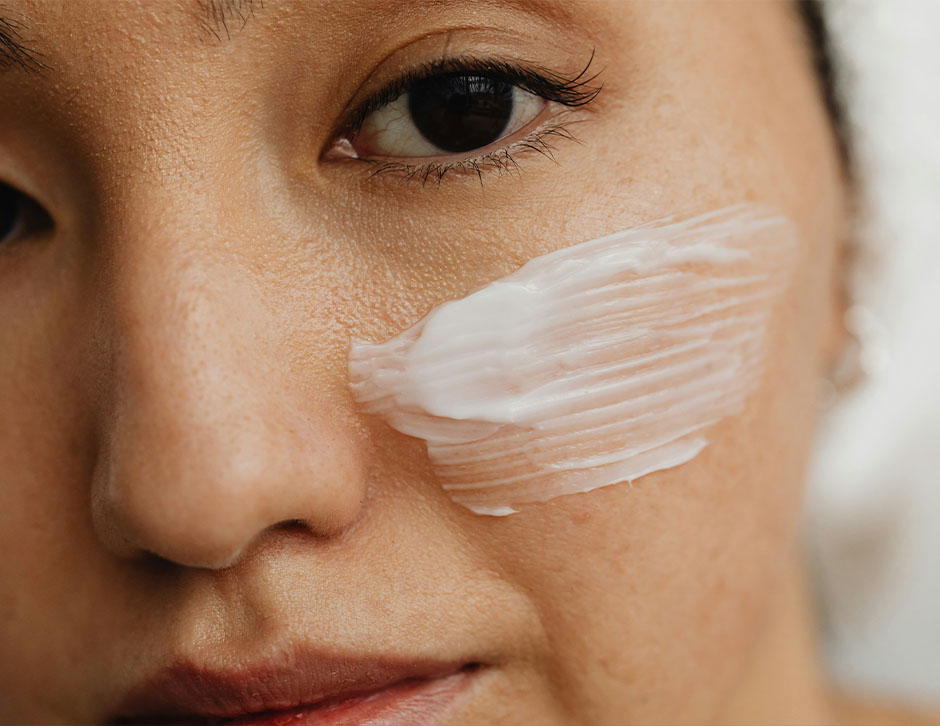
Top 10 Tips for Taking Tretinoin
New to Tretinoin and unsure what to do? Explore our top 10 tips for taking Tretinoin for the best benefits with minimal irritation.
-
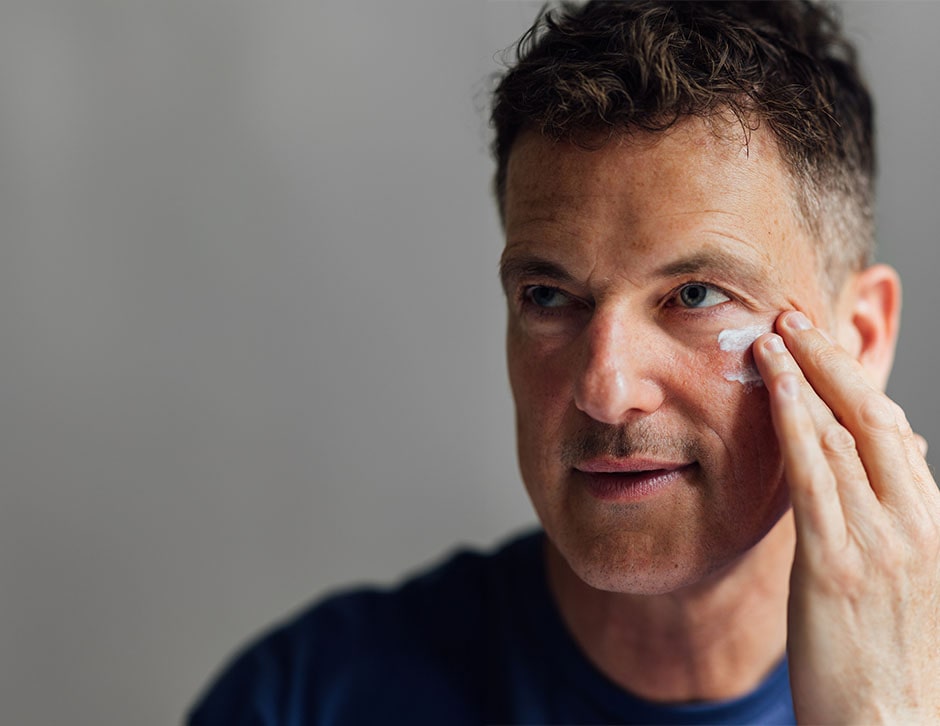
AgelessRx Webinar Recap: An Introduction to Aging Skin
We’ve got another webinar recap from all about our innovative work with skin health as it relates to aging and longevity treatment.
-

Why Is Collagen So Important?
We hear about it all the time. It comes in pills and supplements, in creams and lotions—but, what’s all the hype about collagen?