How to Dose with Metformin

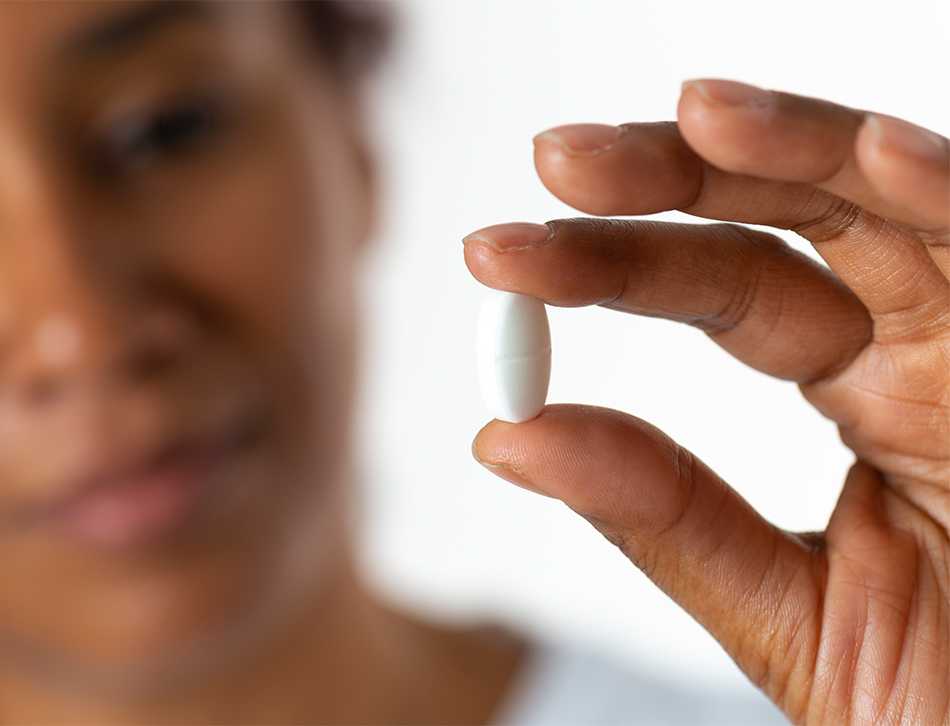
Wondering how to get the most from your dose of Metformin? Maintaining your doses and titration schedule can seem daunting at first, and you may not know what results to expect.
But dosing with Metformin is much simpler than you might imagine, and we’re here to help.
Key takeaways:
- Start Metformin at 500 mg daily for 2 weeks, then titrate up; only 5-10% of patients experience side effects
- The standard longevity dose is 1000 mg daily, with weight loss of 3-15 lbs possible at higher doses over 6-12 months
- Metformin reduced type 2 diabetes progression by 31% in the Diabetes Prevention Program trial, with benefits lasting 15 years
- Metformin has decades of large-scale trial data behind it, including the dedicated TAME aging trial; berberine does not
- Our subscriber data shows 81% reported improved blood sugar and 75% reported better appetite regulation after 6 months of use
Dosing with Metformin
Doctors most commonly prescribe Metformin for longevity at a daily dose of 2 tablets, or 1000mg. This has shown the best balance of benefits in trials with minimal side effects.
We’ll talk more about how different doses produce different benefits below.
The most important thing to remember about your Metformin dose is to always follow the instructions of your provider. Your prescriber will balance your goals with your unique medical history to determine the best dose for you. How much and how often you take Metformin will vary at the discretion of your provider based on these factors.
Titrating with Metformin
Your Metformin titration plan will vary depending on your prescribed dose.
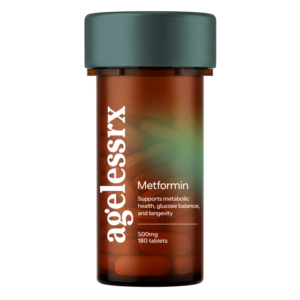
Patients typically start by taking 1 tablet, or 500mg, of Metformin per day for at least the first 2 weeks. This helps the body adjust to the medication and better tolerate potential side effects.
During the first weeks, pay careful attention to how you feel. If you experience side effects, know they are usually mild gastrointestinal issues that clear within 2 weeks.
Though only about 5-10% of patients experience any side effects at all, higher doses of Metformin may have a higher incidence of side effects. Patients on doses above 1500mg may be more likely to notice them.
Regardless of your prescribed dose, continue taking Metformin for at least 6-12 months for the best benefits.
Benefits of Metformin
There’s a reason (in fact, many reasons) why experts have championed Metformin as the go-to longevity medication for years.
Metformin can lower blood sugar, decrease appetite, and support weight loss. The mechanics by which Metformin lowers glucose also contributes to reduced inflammation, improved cognitive function, better sleep, and more stable energy throughout the day. Metformin may also decrease the risk for macrovascular diseases, diabetes, prediabetes, Alzheimer’s, and certain types of cancers. Because many of these benefits occur on a cellular level, they may be difficult to see or feel.
Further, you must take Metformin for at least 6-12 months to experience the most optimal outcomes.
According to feedback from AgelessRx subscribers, 81% noticed an improvement in their blood sugar levels after 6 months of use, and 75% reported better appetite regulation.*
But these are just the benefits you can notice on a self-evaluation. Using a CGM or seeking a Core Longevity Panel may help you better appreciate the underlying mechanisms of Metformin. But it may never be possible to appreciate whether, for example, an intervention has prevented a tumor or blocked artery if neither is able to develop.
Metformin weight loss benefits, in particular, are largely dependent on how long you take Metformin, as well as what dose you’re taking.
When dosing at 2 tabs per day, some may not notice meaningful weight loss within the first 6 months. When taking higher doses, studies have shown that patients can lose 3-15lbs (or 5-10% of body weight) within 6-12 months. At these doses, some patients can experience lower estimates of weight loss within 2-3 months. With higher doses, patients are more likely to experience the higher ranges of weight loss. Patients with higher BMIs may experience better weight loss within a shorter time frame, but this may not be true for everyone.
Metformin and Diabetes Prevention
One of the most well-documented roles of Metformin outside of active diabetes treatment involves the prevention of type 2 diabetes in people who are at risk. The Diabetes Prevention Program (DPP), a landmark clinical trial funded by the National Institutes of Health, followed over 3,000 adults with prediabetes across multiple years. The results were telling: intensive lifestyle changes reduced the progression to type 2 diabetes by 58%, while Metformin reduced it by 31% compared to placebo.
That 31% reduction is worth pausing on. For a medication taken at a modest dose with a well-documented safety profile, Metformin’s ability to measurably reduce the risk of developing diabetes in prediabetic individuals makes it one of the more compelling preventive tools in modern metabolic medicine. A long-term follow-up of the DPP showed that these benefits persisted over 15 years, with Metformin continuing to be most effective in younger adults, those with higher BMIs, and individuals with higher baseline blood sugar levels.
Why This Matters for Longevity
From a longevity perspective, prediabetes is more than a warning sign: it reflects metabolic stress happening at the cellular level. Chronically raised blood sugar drives inflammation, accelerates oxidative damage, and disrupts the energy-sensing pathways tied directly to how the body ages. Preventing the progression from prediabetes to diabetes is a meaningful health milestone; it is an intervention in the biology of aging itself.
If you are curious whether your metabolic markers put you in a category where Metformin may be relevant for prevention, a Core Longevity Panel can give you a clearer baseline. Your AgelessRx care team can then help you interpret those results and decide whether Metformin belongs in your longevity protocol.
Metformin for PCOS and Insulin Resistance
One of the more widely studied off-label applications of Metformin involves polycystic ovary syndrome (PCOS). While Metformin is not FDA-approved solely for PCOS, clinicians have used it in this context for years, and the underlying rationale is well-grounded in the science of insulin resistance.
The Insulin Resistance Connection
PCOS is closely tied to insulin resistance, a condition in which the body’s cells become less responsive to insulin. When insulin signals are disrupted, the body compensates by producing more insulin, which in turn may drive raised androgen levels and the hormonal imbalances that characterize PCOS.
Metformin works by reducing glucose output from the liver and improving how cells respond to insulin. In individuals with PCOS, this mechanism may help reduce excess insulin levels, which could in turn support more balanced hormone function. Some research has also suggested that Metformin may improve ovulation rates in women with PCOS, though outcomes vary between individuals. A licensed clinician should guide any use of Metformin for PCOS and weigh your personal health history.
Why This Matters for Metabolic Aging
From a longevity perspective, insulin resistance is relevant well beyond PCOS. Chronic insulin resistance is associated with systemic inflammation, raised blood sugar over time, and disrupted cellular energy signaling. These factors all intersect with the biology of aging. By helping the body respond more effectively to insulin, Metformin may support metabolic health in ways that are meaningful for both reproductive health and longer-term healthspan. Whether you are managing PCOS or looking to support metabolic function more broadly, your care team can help determine whether Metformin is right for your goals.
Metformin vs. Berberine: How Do They Compare?
Berberine is a plant compound that has drawn attention in longevity and metabolic health circles, largely because it appears to share a key mechanism with Metformin: activation of AMPK (AMP-activated protein kinase), an enzyme that plays a central role in cellular energy regulation and aging pathways. So how do the two stack up?
Similar Mechanism, Different Origins
Both Metformin and berberine are thought to activate longevity pathways through AMPK, which helps balance blood sugar, reduce inflammation, and support healthy insulin sensitivity. In that sense, they target overlapping biology. But the similarities largely stop at the mechanism level.
Evidence Quality
Metformin is one of the most studied medications in the world, with decades of randomized controlled trials across hundreds of thousands of patients covering blood sugar regulation, cardiovascular outcomes, cancer risk, cognitive health, and more. Berberine, by contrast, is a dietary supplement with a growing but much smaller body of clinical research. Most berberine studies are shorter in duration, smaller in scale, and have not been replicated to the same degree as Metformin’s evidence base.
The Longevity Angle
For longevity-focused use, Metformin holds a clear research advantage. It is the subject of the Targeting Aging with Metformin (TAME) trial, a landmark study built expressly to test whether a therapy can slow biological aging in humans. No equivalent trial exists for berberine. If your goal is a longevity protocol backed by clinical trial data and clinician oversight, Metformin is the more thoroughly researched option. Berberine may be worth discussing with your provider as a complementary consideration, but it is not a substitute.
|
Metformin |
Berberine | |
|---|---|---|
|
Primary Mechanism |
AMPK activation; reduces hepatic glucose output |
AMPK activation; plant compound |
|
Evidence Base |
Decades of large-scale randomized controlled trials |
Growing but smaller body of shorter studies |
|
Availability |
Prescription medication |
Over-the-counter dietary supplement |
|
Clinician Oversight |
Required; dosing tailored to your health history |
Not required; self-directed use |
|
Dedicated Longevity Trial |
Yes (TAME trial) |
No equivalent trial |
|
Blood Sugar Support |
Well-documented across large patient populations |
Studied in smaller trials; less replication |
How Long Should You Take Metformin?
For diabetes management, a clinician will typically prescribe Metformin for as long as blood sugar control requires it, which is often indefinitely. For longevity, the picture looks a little different, and a little more encouraging.
When taking Metformin for longevity purposes, most clinicians recommend staying on it for at least 6-12 months before assessing results. Many of the benefits Metformin is associated with, including improvements to blood sugar regulation, appetite, and cellular-level aging pathways, take time to build. Some, like reduced risk for certain cancers or cardiovascular events, may not show up on a standard check-in but are happening quietly in the background.
Long-Term Use for Longevity
Many longevity-focused clinicians view Metformin as a long-term commitment, not a short-term course. Research into Metformin’s effects on aging pathways suggests that its benefits may compound over time, with ongoing use tied to continued AMPK modulation, reduced inflammation, and improved insulin sensitivity. If your goals include healthspan and disease prevention, pausing or stopping Metformin early may interrupt those processes before their full effect has had a chance to develop.
What to Monitor While Taking Metformin
Your clinician will likely recommend periodic lab work while you are on Metformin. Kidney function is typically checked, as Metformin is processed by the kidneys and should be used carefully if renal function is impaired. B12 levels are worth monitoring as well, since long-term Metformin use has been associated with reduced B12 absorption in some patients. Our care team will guide your check-in schedule and adjust your plan as your health picture evolves over time.
Of course, we’re always here to help you find the best Metformin dose for you. If you’d like to increase your dosage for weight loss benefits, or if you’re curious about adding Metformin to your regimen, we’re always a tap or click away!
Note: The above statements have not been evaluated by the Food and Drug Administration. This product is not intended to diagnose, treat, cure, or prevent any disease.
*Data was self-reported by 2,727 surveyed customers on their third check-in of use between 4/7/22 & 11/29/23 by AgelessRx customers who were approved for a B12/MIC prescription after completing an assessment with a medical provider.