
Heart Disease: Risk & Prevention

Here’s what we’ll cover in this blog post:
- An overview of heart disease
- The importance of prevention
- Ways to monitor and reduce the risk of heart disease
An estimated 30 million Americans have heart disease, and it remains the leading cause of death in the US. What’s worse, people as young as 15 years old can show signs of conditions like atherosclerosis, a cause of heart disease.
The good news? Heart disease is also one of the most preventable diseases of the four horsemen of death. That’s because doctors and researchers have made huge strides in preventing and treating heart disease in recent years, including effective ways to reduce risk outside the clinic with heart-healthy lifestyle changes.
So, whether you’re currently at high risk of developing heart disease or just want to find ways to keep your risk low, we’ve got you covered. We’ll break down what heart disease is and the preventative steps you can take.
What is heart disease?
Heart disease is a general term that refers to several conditions that affect the heart and blood flow. Coronary artery disease (CAD), the most common form of heart disease, causes inflammation and plaque buildup in major blood vessels and can lead to heart attacks. Other forms of heart disease include:
- Congenital heart disease
The term “congenital” refers to any trait that we’re born with. Congenital heart disease, then, is any heart defect present at birth. - Congestive heart failure
This is an age-related weakening of the heart valves that impairs their ability to pump blood efficiently. - Arrhythmias. Especially common in the elderly, it’s a condition characterized by abnormal heart rhythms due to issues with electrical conduction across the heart that increases the risk of stroke.
Most who are at risk for heart disease are at risk for CAD. In fact, when most people refer to heart disease, they likely mean CAD.
What causes coronary artery disease?
The biggest risk factor and driver of CAD is the number of cholesterol-carrying particles in the blood, full stop. This can be measured with a blood biomarker called ApoB.
Most doctors don’t measure ApoB; they measure LDL cholesterol, or the total amount of cholesterol packaged inside ApoB particles. ApoB is the vehicle, LDL is just the passenger.
You might have heard some refer to LDL cholesterol as “bad” cholesterol, but LDL itself isn’t inherently bad. Our livers make LDL cholesterol to help maintain healthy cell function. Cholesterol is essential for cellular membranes, hormone production, and cellular signaling. However, when LDL cholesterol is packaged into many ApoB particles, they can squeeze into artery walls and get damaged (oxidized), making them harder to clear. As more ApoB particles pile up, this can cause a buildup of sticky plaque that narrows arteries, limiting blood flow and oxygen delivery. This condition, known as atherosclerosis, looks a lot like a clogged pipe.
That’s why doctors viewed heart disease as just clogged arteries and, to this day, use procedures like angioplasty (which breaks up the sticky plaque) to “unclog” arteries and restore blood flow.
Research suggests that removing these blockages using angioplasty does little to reduce the risk of heart attack. Researchers have found that angioplasty can remove cholesterol buildup and improve blood flow, but it can’t significantly reduce the overall risk of heart disease. A consequence of late-stage disease management vs. proactive disease prevention.
Yet heart disease is one of the most preventable age-related diseases, if we measure and target what matters: ApoB and oxidative stress.
To understand this, let’s take a look at how atherosclerosis unfolds:
- Blood vessels get stressed and damaged (high blood pressure is a common culprit)
- Cholesterol-carrying particles slip into the damaged artery wall
- Those particles can get oxidized and “sticky”
- The immune system reacts, but can’t clear them
- Over years, the plaque hardens, becoming a complex, inflamed ecosystem that grows and narrows the arteries
Our modern lifestyles—including what we eat and how much stress we experience—can increase ApoB particles in our blood and oxidative stress load, accelerating heart disease progression. But that also means that we are in control of our own risk and cardiovascular longevity—because we can measure the most important biomarkers, adjust our lifestyles, and use precision interventions to stop heart disease in its tracks.
Who is most at risk for heart disease?
The most common risk factors for heart disease include:
- High blood pressure
Having chronically high blood pressure, or hypertension, can place a major strain on our heart and damage arteries, making it easier for ApoB particles to slip inside and form plaque. Over time, this extra strain combined with narrowing arteries can lead to heart failure, stroke, and heart attack. - High ApoB particles and LDL cholesterol
LDL is an estimate of cholesterol particles; ApoB is an absolute count. Too many ApoB particles in our blood increase the risk of cholesterol slipping into arteries, where it can build up and block blood flow. This is the major causative factor of heart disease, heart attack, and stroke. - (Pre)Diabetes
Chronic high blood sugar levels are among the most prevalent drivers of blood vessel damage, oxidative stress, and inflammation. Nearly 50% of Americans are diabetic or prediabetic, whether they realize it or not. Even slightly elevated blood sugar levels—or prediabetes—can increase the risk of heart disease. - Weight
Our weight affects nearly all of the risk factors discussed above. Excess visceral fat, or fat stored around our organs, releases pro-inflammatory factors that damage our blood vessels, place strain on our heart’s ability to pump blood, and drive inflammation that leaves us susceptible to high blood pressure, oxidative stress, and cholesterol. - Diet
The foods we eat can also contribute to many of these heart risks, including blood pressure, cholesterol, obesity, and diabetes. Try to stick with a heart-healthy diet filled with healthy fats from fish and nuts, multi-colored fruits and vegetables rich in ApoB-lowering polyphenols, and avoid greasy, processed foods or those with refined carbs and simple sugars. - Lifestyle habits
From smoking and drinking excessive alcohol to high stress, low activity levels, and poor sleep, our lifestyle habits are among the largest modifiable risk factors for heart disease—and they’re all within our control.
Having high blood pressure, high ApoB cholesterol particles, and smoking are key factors that put people at greater risk of heart disease. People with a history of heart disease in their family may also be more at risk. Age factors in, too: new cases of heart disease tend to rise sharply with age. That’s because we are more prone to oxidative stress and inflammation as we get older.
Having one of these risk factors is manageable, but as several layer on, this can dramatically increase the risk for heart disease.
Why is prevention important?
Remember how angioplasties aren’t the most effective method for reducing heart disease risk? That’s because treating heart disease after it’s developed is much less effective than preventing heart disease before it even starts.
About a third of men and half of women die within 5 years after a heart attack. Heart disease effectively ends our healthy lifespan, so doing everything you can to prevent that from happening is crucial.
However, heart disease is often silent and without symptoms, so it’s not always easy to spot. Some may experience angina (or severe chest pain), while a heart attack may be the first sign of heart disease for others. In fact, some estimates show that almost half of people who die of heart attacks had no previous signs, history, or symptoms of heart disease.
Early monitoring and management of the right risk factors is much more beneficial for our long-term health than waiting for symptoms of heart disease.
What can you do to prevent or reduce your risk of heart disease?
Fortunately, heart disease is completely preventable, meaning there’s a lot you can do to manage your risk! The American Heart Association recommends 8 essential behaviors and metrics for cardiovascular health:
- Adopt healthy eating patterns
Focus on getting heart-healthy nutrients daily. Omega-3s from fish and nuts, fibers from legumes and beans, and vitamin B12 from leafy greens or precision boosters. A Mediterranean-like diet is generally considered healthiest. - Stay active
You don’t need long, intense workouts. Aim for a minimum of 7-10k steps a day. - Quit tobacco
This is a major cause of oxidative stress and inflammation. Low-dose GLP-1s have shown to help curb cravings. - Prioritize sleep
Reserve a 7-8 hour window for sleep, focus on consistent routine and timing. - Manage weight
Diet is more important than exercise for weight loss. At the end of the day, cutting calories is necessary for many people. Intermittent fasting, eating within an 8-10 hour window, or a GLP-1 can help suppress appetite and cravings to create a calorie deficit for weight loss. - Control cholesterol
Get a baseline ApoB measurement to assess your risk, consider a cholesterol-lowering drug like Atorvastatin to get levels below 100, and ideally 80 mg/dL. - Manage blood sugar
Avoid refined carbs and simple sugars from sugary beverages; these have an outsized impact on average daily blood sugar levels and spikes. - Manage blood pressure
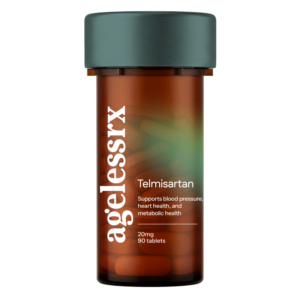
Exercise and stress management can go a long way, but sometimes they’re not enough, especially as we age. If your BP isn’t 120/80 or below, consider a BP-lowering drug like Telmisartan. - Reduce oxidative stress load
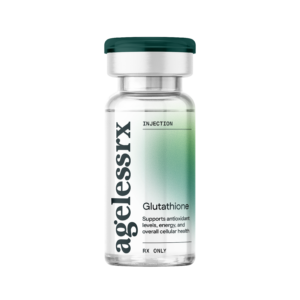
Invest in a HEPA-grade air filter for pollutants, wear sunscreen on sunny days, and explore antioxidant support with Glutathione.
How can you monitor your risk?
Consider getting regular blood tests and consider advanced biomarker tests that measure the most important heart disease risk factors that may not be measured in standard labs, like ApoB, hs-CRP, and hemoglobin A1c:
- Lipid panels
These measure LDL (“bad cholesterol”), HDL (“good cholesterol”), and triglycerides (fats in the blood). - Blood pressure
A marker of stress on your vascular system that can lead to heart strain and blood vessel damage. - Core Longevity Panel
- High-sensitivity C-reactive protein (hs-CRP)
This helps gauge the severity of inflammation in your body. - HemoglobinA1c
A long-term assessment of blood glucose load and insulin resistance. - Homocysteine
A marker of oxidative stress, vascular damage, and inflammation. - ApoB
- Cholesterol-carrying particles in the blood are the best predictor of heart disease.
- High-sensitivity C-reactive protein (hs-CRP)
What are healthy ApoB levels?
- <100 mg/dL: a good start for people at low risk
- <80 mg/dL: a longevity-aligned target for most adults
- <65 mg/dL: a “stack the odds” goal, especially if you have a family history of disease
- 30-40 mg/dL: Infant-like levels, seen naturally in some centenarian super-agers
If you feel ready to tackle heart disease, get started with a free online assessment to understand your risk of heart disease, and explore our Core Longevity Panel to get a baseline of your ApoB levels. If you don’t know where to start, try scheduling a longevity consultation with an expert medical prescriber to receive a doctor-guided assessment of your overall health and longevity. Your prescriber may recommend simple lifestyle adjustments or get you started with doctor-recommended prescriptions and supplements to help prioritize your preventative care plan.
Though heart disease is manageable, you don’t have to start your heart health journey alone. With longevity experts and dedicated support on your side, you can take control of your health and find the treatments right for you, so you can enjoy more healthy years.
FAQs
Is cardiovascular disease considered heart disease?
Yes, cardiovascular disease as an umbrella term for a group of diseases that affect both the heart and blood vessels. All types of heart disease are cardiovascular disease, but not all cardiovascular diseases are heart diseases. For example, deep vein thrombosis is a cardiovascular disease but not a heart disease, while coronary artery disease is both a cardiovascular and heart disease.
Though they are related but distinct terms, heart disease shares many of the same risk factors as cardiovascular disease, including high blood pressure and excessive smoking or drinking.
How does stress contribute to heart disease?
Chronic stress leads to high blood pressure, increased inflammation, and unhealthy coping habits like smoking, drinking alcohol, or overeating—all of which are risk factors or contribute to risk factors for heart disease.
If I already have heart disease, is the damage reversible?
Some aspects of heart disease can be reversed if the disease has already developed, but some damage is irreversible with current-day technologies. For example, plaque buildup that can lead to heart attack can be reduced, but damage to heart muscles and blood vessels is often permanent, until emerging cellular therapies for cardiovascular regeneration are advanced. That’s why prevention is the best treatment for heart disease.
Note: The above statements have not been evaluated by the Food and Drug Administration. This product is not intended to diagnose, treat, cure, or prevent any disease.